Can You Get All-on-4 Implants in China? Costs, Safety, and Top Clinics
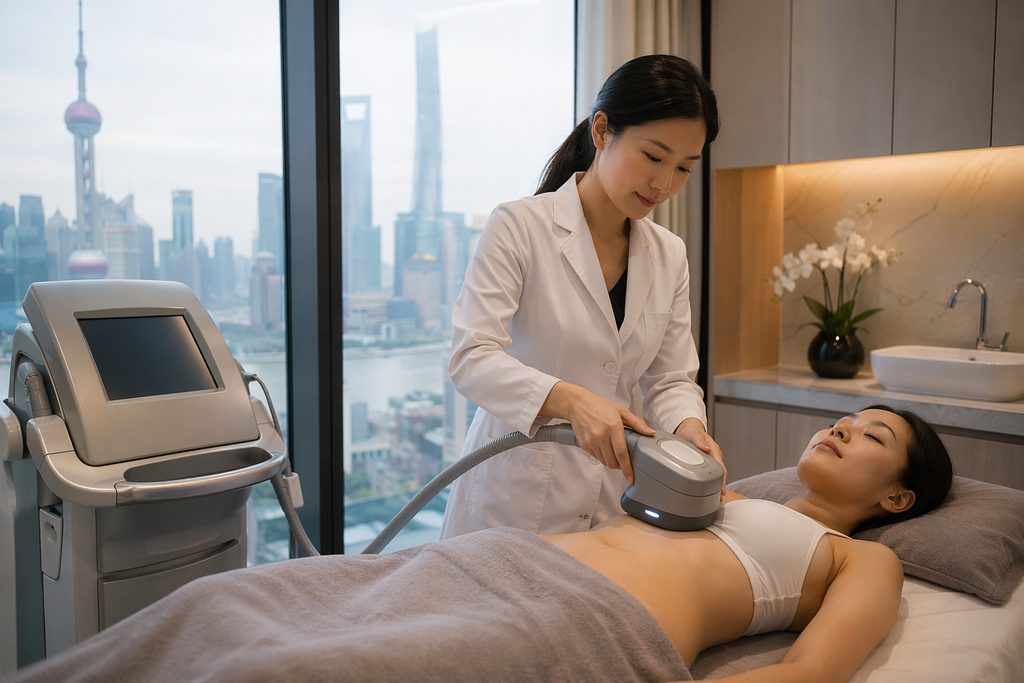
According to the China Stomatological Association, over 120,000 international patients sought dental care in China in 2023, with full-arch restoration among the fastest-growing procedures. The short answer? Yes, you can get All-on-4 implants in China — and the all-on-4 dental implants cost China delivers typically lands between $8,000 and $18,000 per arch, roughly one-third to one-fifth of what the same treatment costs in the United States or Western Europe.
But the real question isn’t whether it’s available. It’s whether the clinic you choose follows the same surgical protocols, implant brands, and sterilization standards you’d expect at home. That’s where most international patients get stuck. They see the price, book a flight, and arrive without verifying the details that actually determine whether the implants last five years or twenty-five.
All-on-4 Dental Implants Cost China: The Short Answer
You can get All-on-4 implants in China at public hospital stomatology departments, private dental hospitals, and international clinics. The procedure is well-established, uses the same implant systems found globally — Straumann, Nobel Biocare, Osstem, Dentium — and is performed by oral surgeons who often handle higher case volumes than Western counterparts.
The caveat: quality varies enormously. China has over 35,000 hospitals and thousands of dental clinics. A top-tier university-affiliated stomatology hospital in Shanghai operates differently from a storefront clinic in a second-tier city. The price difference exists for a reason. Understanding which tier you’re buying into is the difference between a successful restoration and a costly revision.
Who This Is Right For — and Who It Isn’t
All-on-4 suits patients with significant tooth loss or severe periodontal disease who want a fixed, non-removable solution without the cost of individual implants for every tooth. The four-implant design leverages available bone, often avoiding the need for bone grafting.
Good candidates typically include:
- Patients missing all or most teeth in one arch
- Those with enough bone volume in the anterior maxilla or mandible to support four implants
- Non-smokers, or those willing to stop smoking during healing
- Patients with controlled diabetes or other manageable systemic conditions
- People who want a fixed prosthesis but cannot afford six to eight individual implants
Who should not pursue this — at least not without serious consultation:
- Patients with active, untreated periodontal infection
- Heavy smokers unwilling to pause during osseointegration
- Those with severe bruxism who won’t wear a night guard
- Patients on bisphosphonates for osteoporosis (risk of medication-related osteonecrosis)
- Anyone with unrealistic expectations about maintenance — All-on-4 prostheses require professional cleaning, possible relining, and eventual replacement of the acrylic teeth
And a hard truth: if you’re considering China purely for the lowest possible price, you may end up choosing a clinic that cuts corners on implant brand, sterilization, or surgical planning. That’s not a China problem specifically — it’s a “lowest bidder” problem that exists everywhere. But when you’re 7,000 miles from home, the cost of a bad decision compounds quickly.
The Options, Compared
Not all All-on-4 treatment in China is the same. The table below compares the three main tiers international patients encounter.
| Factor | Public Hospital Stomatology Dept | Private Dental Hospital | International Clinic (JCI-Accredited) |
|---|---|---|---|
| Price per arch (USD) | $8,000–$12,000 | $10,000–$16,000 | $14,000–$20,000 |
| Implant brands used | Osstem, Dentium, domestic brands | Osstem, Straumann, Nobel Biocare | Straumann, Nobel Biocare, Zimmer |
| Surgeon experience | High volume, university-affiliated | Varies; check credentials | Often internationally trained |
| English-speaking staff | Limited; translator needed | Some English | Fluent English standard |
| Wait time for surgery | 2–6 weeks after consultation | 1–3 weeks | 1–2 weeks |
| Insurance billing | Pay upfront, claim later | Pay upfront, claim later | Direct billing available |
| Follow-up protocol | Standard; may be crowded | More personalized | Structured, with remote check-ins |
Public hospital stomatology departments offer the lowest prices and often the most experienced surgeons — but you’ll navigate language barriers, crowded waiting rooms, and limited hand-holding. Private dental hospitals split the difference, offering better service at moderate prices. International clinics cost the most but provide the smoothest experience for foreign patients, including English documentation and direct insurance billing. Which one suits you depends on your budget, your tolerance for logistics, and how much post-operative support you need.
Is All-on-4 Safe in China? What the Data Shows
Safety concerns are legitimate, and the answer isn’t a blanket yes. It depends entirely on where you go. China’s top-tier stomatology hospitals — such as Peking University School of Stomatology, West China Hospital of Stomatology in Chengdu, and Shanghai Ninth People’s Hospital — publish peer-reviewed research and follow international surgical protocols. These institutions report implant survival rates above 95% at five years, consistent with global benchmarks.
But China’s dental market is fragmented. A 2022 review in the International Journal of Oral Science noted that implant success rates vary significantly by provider experience and facility standards. The key differentiators: sterilization protocols, use of genuine implant components (counterfeit implants have been documented in some markets), and whether the surgeon uses 3D imaging for planning rather than freehand placement.
So is All-on-4 safe in China? At a top-tier hospital or accredited international clinic, yes — with outcomes comparable to Western facilities. At an unvetted storefront clinic, the risks increase. The same could be said of any country. The difference is that when you’re abroad, you have less recourse if something goes wrong. That’s why verification before booking matters more than the destination itself.
How Long Does All-on-4 Surgery Take Abroad?
The surgery itself is not the long part. Most All-on-4 procedures take two to four hours per arch under local anesthesia or conscious sedation. The timeline that matters is the total stay abroad.
A typical protocol for international patients looks like this:
- Day 1–2: Initial consultation, CBCT scan, treatment planning, any necessary extractions
- Day 3: Implant placement surgery (2–4 hours per arch)
- Day 4–7: Healing, temporary prosthesis fitting, post-operative check
- Day 8–10: Suture removal, final adjustments to temporary teeth, clearance to fly home
- 3–6 months later: Return visit for final prosthesis delivery (or coordinate with a local dentist if your home provider agrees)
Some clinics offer “teeth in a day” protocols where the temporary fixed prosthesis is fitted the same day as surgery. The final, permanent prosthesis still requires the osseointegration period before fabrication. If you’re asking how long does All-on-4 surgery take abroad, plan for a minimum 10-day first trip, with a second shorter trip three to six months later. Some patients choose to stay in China for the full healing period — possible, but costly in terms of accommodation and time away from work.
Best All-on-4 Clinic Shanghai Price and Beijing Packages
Shanghai and Beijing dominate the international dental tourism market in China, and for good reason. Both cities host top-tier stomatology hospitals and a concentration of private clinics that cater to foreign patients.
The best all-on-4 clinic Shanghai price typically falls between $10,000 and $16,000 per arch at reputable private dental hospitals. Shanghai Ninth People’s Hospital, one of China’s most respected stomatology centers, offers treatment at the lower end of that range — but expect longer wait times and less hand-holding. Private clinics in the former French Concession or Pudong that market to expatriates charge more, but include English-speaking coordinators, airport pickup, and hotel partnerships.
An all-on-4 implant package Beijing often bundles more services. Beijing’s dental market is competitive, and packages at private hospitals frequently include the CBCT scan, temporary prosthesis, and sometimes even accommodation assistance. Prices run from $9,000 to $15,000 per arch, with international clinics at the higher end. The advantage of Beijing is access to Peking University School of Stomatology, which has trained many of China’s leading implant surgeons.
Neither city is inherently better. Shanghai offers a more international environment and smoother logistics for Western patients. Beijing offers deeper clinical expertise and sometimes better package pricing. If you’re weighing the two, consider which matters more: convenience or cost.
What It Costs: Breaking Down the Numbers
The headline price for All-on-4 in China almost never includes everything. Understanding what you’re actually paying for prevents surprises.
A realistic cost breakdown per arch at a mid-tier private dental hospital in China:
- CBCT scan and diagnostic imaging: $150–$300
- Four implants (Osstem or equivalent): $1,600–$3,200
- Four implants (Straumann or Nobel Biocare): $3,200–$6,400
- Surgical fee: $1,500–$3,000
- Temporary fixed prosthesis: $800–$1,500
- Final hybrid prosthesis (acrylic teeth on titanium bar): $3,000–$5,500
- Final prosthesis (zirconia or porcelain): $5,000–$8,000
What’s typically not included: extractions ($50–$200 per tooth), bone grafting if needed ($500–$2,000), sedation or general anesthesia ($300–$800), medications, and any revision work. Also not included: flights, accommodation, visa fees, and the cost of the second trip for final prosthesis delivery.
Compare this to the United States, where a single arch of All-on-4 runs $25,000 to $40,000. Even with travel costs, China typically saves patients 50–70% — provided they choose the right clinic tier. The all-on-4 dental implants cost China offers is genuinely lower, but the savings shrink if you need extensive preparatory work or choose a premium international clinic.
Practical Considerations: Visa, Records, and Follow-Up
Getting All-on-4 in China requires more than booking a flight. Here’s what the logistics actually look like.
Visa: Foreign patients seeking medical treatment in China apply for an S2 visa, which covers short stays for private affairs including medical treatment. You’ll need supporting documentation from the hospital or clinic — typically an invitation letter or treatment confirmation. The S2 visa typically allows stays of up to 180 days, which is more than enough for the first surgical trip. Family members accompanying you also apply for S2 visas. Requirements vary by embassy, so check with the Chinese consulate serving your country before booking anything non-refundable.
Medical records: Bring panoramic X-rays or CBCT scans from your home dentist if you have them. Digital copies are fine. A current medication list, including any blood thinners, is essential. If you have diabetes or hypertension, bring recent lab results showing your condition is controlled.
Payment: Public hospitals require upfront payment — cash, UnionPay, or Chinese bank transfer. International credit cards are increasingly accepted at private and international clinics, but don’t count on it. WeChat Pay and Alipay dominate in China, and both now support international credit cards for many transactions. Wire transfers to the hospital’s account are possible but require advance coordination.
Insurance: Most international dental insurance plans will not cover treatment in China unless the clinic is on their approved list. Some international clinics — including those listed on our private hospital directory — offer direct billing with major insurers like Cigna, Aetna, and Allianz. Check before you commit.
Language: Top-tier public hospitals have limited English capacity. You’ll need a translator or a bilingual companion for consultations, consent forms, and post-operative instructions. This is one area where cutting corners creates real risk — misunderstanding post-operative care instructions can compromise healing.
Follow-up after returning home: The final prosthesis fabrication happens three to six months after surgery. Some patients return to China for this. Others coordinate with a local dentist at home who can take impressions and send them to the Chinese lab — though this requires a local dentist willing to participate. Discuss this explicitly with the Chinese clinic before you leave. Get written confirmation of what the follow-up protocol will be and who bears responsibility if adjustments are needed.
Never book surgery without confirming the exact implant brand and model that will be used. Get it in writing. Counterfeit or mislabeled implants have been documented in some markets, and the only protection is documentation.
Frequently Asked Questions
You can book the initial consultation and reserve surgical time remotely, but no reputable clinic will perform surgery without an in-person assessment. You’ll need a CBCT scan — either taken at the clinic on arrival or sent from home if your local dentist provides one. Remote video consultations with Chinese implant surgeons are available through coordination services, typically costing $100–$300, and can help you determine candidacy before you travel. But the final surgical plan happens in person.
This is the hardest question, and the answer depends on the clinic. Top-tier hospitals and international clinics offer structured follow-up — remote check-ins, coordination with local dentists, and in some cases, covered revision work for a defined period. Lower-tier clinics may offer nothing once you leave. Before paying, get written answers to these questions: What is the warranty on the implants and prosthesis? Who covers revision surgery costs if an implant fails? Will the clinic coordinate with a dentist in my home country? If the clinic hesitates to answer in writing, that’s your answer.
At the top end, yes. Chinese dental laboratories that serve university hospitals and international clinics use the same CAD/CAM systems and materials as labs in Europe and North America — including titanium bars milled in Germany and porcelain from Ivoclar or Vita. The difference is that China also has low-cost labs producing inferior work. Which lab your clinic uses matters as much as which surgeon places the implants. Ask where the prosthesis will be fabricated and what materials will be used.
At international clinics in Shanghai and Beijing, no — English is standard. At public hospitals, yes, or you’ll need a translator. A bilingual medical companion costs from $300 per day and handles registration, translation, payment, and post-operative instructions. For a procedure with this much at stake, the cost is modest compared to the risk of miscommunication.
Your Next Step
All-on-4 implants in China are a legitimate, cost-effective option for patients who do their homework. The savings are real, the technology is current, and top-tier Chinese clinics deliver outcomes that match Western benchmarks. But the gap between a great outcome and a costly revision comes down to verification: implant brand, surgeon credentials, lab quality, and follow-up protocol.
We help international patients navigate this process. Our team at China Medical Services connects you with vetted stomatology departments and accredited dental hospitals, coordinates bilingual support, and handles the logistics that make overseas treatment stressful. We are not a hospital, we don’t diagnose, and we don’t perform treatment. What we do is help you verify the details that matter before you commit. If you’re considering All-on-4 in China, start with a conversation — it costs nothing, and it might save you from a very expensive mistake.
For more medical information and treatment options in China, visit chinamedservices.com (China Medical Services).
