Is Tattoo Removal Painful? The Truth About Laser Treatment and China Costs
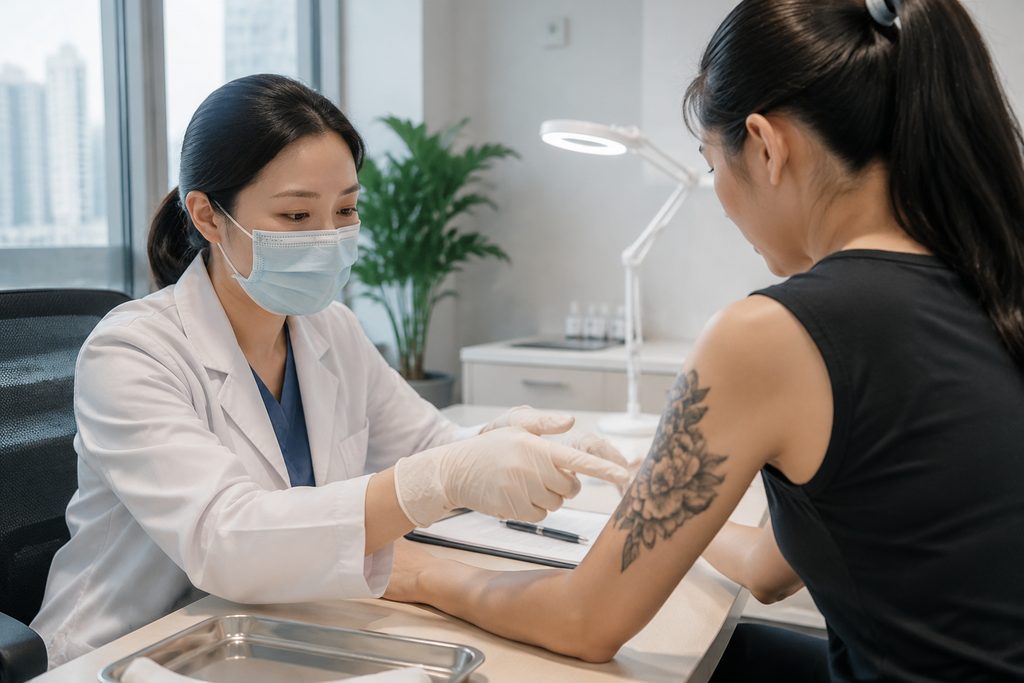
When 34-year-old Daniel from Manchester started researching laser clinics, one question kept him awake at night. Not the price. Not the number of sessions. He wanted to know if the pain would be worse than getting the tattoo in the first place. He had read horror stories online. Some people compared laser tattoo removal to hot grease splattering on skin. Others said it was barely worse than a rubber band snap. The conflicting reports left him paralyzed. So he did what most people do — he kept putting it off for another year.
That hesitation is common. And it is expensive in its own way. Every month of delay means another month of living with ink you regret. The actual tattoo removal cost China turns out to be far more predictable than the pain question. Clinics in Shanghai, Beijing, and Shenzhen now offer Q-switched and picosecond laser treatments at prices that shock Western patients — often 60 to 80 percent lower than comparable sessions in London or New York. But pain remains the emotional gatekeeper.
Here is the honest answer. Yes, laser tattoo removal hurts. Most patients rate it between a 6 and 8 on a 10-point pain scale during the session itself. The good news? Each pulse lasts nanoseconds. A full session on a small tattoo takes under two minutes. And the pain stops the moment the laser stops. It does not linger the way a tattoo needle does.
This article breaks down exactly what the pain feels like, how it compares to getting the original tattoo, what numbing options exist, and what drives tattoo removal cost China across different cities. We also cover realistic timelines and what can go wrong. No marketing fluff. Just what our team has learned coordinating care for international patients at China Medical Services.
How This Actually Works, Step by Step
The path from “I want this tattoo gone” to “it is actually gone” follows a predictable sequence. Understanding it removes most of the anxiety.
Step one is a consultation. You send clear photos of the tattoo — ideally in natural light, with a coin or ruler next to it for scale. A dermatologist or laser technician evaluates ink color, depth, age, and your skin type. Dark ink on light skin responds fastest. Green and yellow inks resist treatment. Old faded tattoos clear quicker than fresh saturated ones.
Step two is a patch test. The clinic treats a small corner of the tattoo at low energy. This reveals how your skin reacts and gives you a preview of the sensation. Some patients walk out after the patch test and say, “That was it?” Others need numbing cream for the full sessions.
Step three is the treatment series. Most tattoos need 5 to 10 sessions spaced 6 to 8 weeks apart. Each session lasts 5 to 30 minutes depending on size. The laser shatters ink particles into fragments your immune system can flush out over the following weeks.
Step four is aftercare. Keep the area clean, avoid sun exposure, and do not pick at blisters. Healing takes 7 to 14 days between sessions.
Where does China fit in? Many international patients combine a treatment series with a planned trip. A single session costs far less than at home. Some patients schedule two sessions eight weeks apart and return for a short follow-up visit. Others come for an initial consultation and first treatment, then continue at a local clinic back home using the settings their Chinese dermatologist documented.
How Painful Is Tattoo Removal Compared to Getting a Tattoo?
The most common question our team hears: does tattoo removal hurt more than tattoo application? The short answer is yes. The longer answer explains why.
A tattoo needle punctures skin 50 to 3,000 times per minute, depositing ink into the dermis. The pain is a constant, vibrating scratch. Laser removal works differently. Each pulse delivers a concentrated burst of energy that heats ink particles to thousands of degrees in a fraction of a second. That thermal shock is what patients feel. Most describe it as a sharp snapping sensation — like a hot elastic band flicked against sunburned skin.
But there is a critical difference. Tattoo sessions last hours. Laser sessions last minutes. The total time under discomfort is dramatically shorter. A palm-sized tattoo might take 10 minutes to laser. The same tattoo took an hour or more to ink.
Pain also varies by location. Ankles, ribs, fingers, and the spine hurt more because skin sits close to bone. Upper arms, thighs, and calves are more tolerable. The laser type matters too. Older Q-switched lasers feel more intense than newer picosecond devices, which deliver energy in trillionths of a second. Most top clinics in Shanghai and Beijing now use picosecond technology precisely because it reduces both pain and the number of sessions needed.
Numbing options are standard. Topical lidocaine cream applied 30 to 45 minutes before treatment dulls the surface sensation. Some clinics offer injectable local anesthetic for sensitive areas or large pieces. Cold air machines blow chilled air onto the skin during treatment, which many patients say helps as much as the numbing cream.
What Drives Tattoo Removal Cost China Across Major Cities
Price transparency in Chinese aesthetic clinics is better than most Western patients expect. The laser tattoo removal Shanghai price typically ranges from $30 to $120 per session for a small tattoo under 5 square centimeters. Medium pieces — palm-sized — run $80 to $250 per session. Large back pieces or sleeves cost $200 to $600 per session.
Beijing prices run similar. Book tattoo removal Beijing package deals often bring per-session costs down 20 to 30 percent when you prepay for a series of five or more. A package of six sessions for a medium tattoo in Beijing might total $600 to $900. The same series in London would run £1,500 to £2,500. In New York, expect $2,000 to $4,000.
Several factors move the number:
- Laser technology. Picosecond lasers (PicoSure, PicoWay, Discovery Pico) cost more per session than nanosecond Q-switched lasers. They also clear tattoos in fewer sessions, so the total cost often ends up lower.
- Clinic tier. Private international clinics with English-speaking staff charge more than public hospital dermatology departments. The trade-off is language support and Western-style service.
- Ink colors. Black ink responds fastest. Multi-color tattoos need more sessions, which multiplies total cost.
- Location on the body. Areas with poorer circulation — hands, feet — clear slower and need extra sessions.
- Practitioner seniority. A dermatologist with 10 years of laser experience charges more than a technician. For complex cases, the extra cost is worth it.
Our team has seen patients choose Shanghai for its concentration of international clinics and Beijing for access to top public hospital dermatology departments. Both cities offer genuine savings over Western prices without sacrificing equipment quality.
A Realistic Timeline
Patience is the hidden cost of tattoo removal. The process cannot be rushed, no matter how much you pay.
| Stage | Duration | What Happens |
|---|---|---|
| Initial consultation | 1–3 days | Photo review, skin assessment, treatment plan, cost estimate |
| Document preparation (if traveling) | 1–2 weeks | Passport, visa application, clinic appointment confirmation |
| First session | Day 1 of treatment | Patch test, numbing, laser treatment, aftercare instructions |
| Healing after session 1 | 1–2 weeks | Redness, possible blistering, scabbing, fading begins |
| Between sessions | 6–8 weeks | Immune system clears shattered ink; fading continues |
| Full series (small black tattoo) | 6–12 months | 4–6 sessions total |
| Full series (large multi-color tattoo) | 12–24 months | 8–12 sessions total |
People forget the waiting steps. Document translation for a visa takes days. Appointment lead time at a top clinic can be two to three weeks. If you are traveling from Europe or North America, plan your first session at least a month after you start the process.
And the fading is gradual. You will not see dramatic results after session one. Most patients notice 20 to 30 percent fading after the second or third session. The tattoo looks lighter, patchier, less saturated. Full clearance — or near-clearance, since some ghosting can remain — takes the full series.
What Can Go Wrong — and What Happens Then
Laser tattoo removal is generally safe when performed correctly. But honest failure modes exist, and you should know them before booking.
Hyperpigmentation or hypopigmentation. The laser can disrupt melanin production, leaving darker or lighter patches where the tattoo was. Darker skin types face higher risk of hyperpigmentation. Lighter patches usually fade over months but can be permanent. Reputable clinics assess skin type before treatment and adjust laser settings. If pigmentation changes occur, they often resolve with time, topical treatments, or further laser correction.
Incomplete removal. Some inks — especially yellow, white, and certain greens — resist laser treatment entirely. A tattoo may fade 80 percent but leave a faint ghost. The recourse is accepting partial clearance or pursuing alternative methods like surgical excision for small tattoos. No clinic should promise 100 percent removal for every ink color.
Scarring. Aggressive laser settings or poor aftercare can cause textural changes in the skin. Blisters that get picked or infected are the usual culprits. The fix is prevention: follow aftercare instructions strictly, keep the area moisturized, and report any signs of infection immediately.
Paradoxical darkening. Rare but real. Some cosmetic tattoos — eyebrow liner, lip liner — contain iron oxide or titanium dioxide that darkens when lasered instead of fading. The darkened pigment may require additional sessions or surgical removal. Always disclose cosmetic tattoos during consultation.
What happens if a session goes wrong at a clinic in China? International patients have recourse through the clinic’s patient relations department. Private international clinics in Shanghai and Beijing generally take complaints seriously because their reputation with foreign patients drives business. Document everything — photos before each session, aftercare instructions, any unusual reactions. That record protects you whether you continue treatment in China or back home.
How to Choose the Best Tattoo Removal Clinic China Offers
Searching for the best tattoo removal clinic China has is not about finding one name that tops every list. It is about matching a clinic’s equipment, experience, and communication style to your specific tattoo.
Start with the laser. Ask which device the clinic uses. Picosecond lasers — PicoSure, PicoWay, Discovery Pico — are the current gold standard. They clear ink faster, hurt less, and reduce the risk of thermal damage to surrounding skin. A clinic still relying exclusively on older Q-switched technology is not necessarily bad, but you will likely need more sessions.
Then look at practitioner credentials. In China, laser tattoo removal is performed by dermatologists, plastic surgeons, and trained laser technicians. Dermatologists bring the deepest understanding of skin biology and complication management. For large, multi-color, or previously treated tattoos, a dermatologist-led clinic is worth the premium.
Check before-and-after photos — but with skepticism. Photos can be edited. Ask to see examples of tattoos similar to yours in size, color, and location. A clinic that shows only small black tattoos may not have much experience with the colorful sleeve you want removed.
Language matters more than most foreigners realize. Public hospital dermatology departments offer excellent equipment at low prices, but English support is limited. Private international clinics in Shanghai and Beijing provide English-speaking staff, direct insurance billing in some cases, and Western-style privacy standards. The trade-off is cost — expect to pay 50 to 100 percent more at an international clinic than at a public hospital.
For patients weighing these trade-offs, our team often suggests starting with a written consultation. You send photos and your goals. A dermatologist reviews them and gives you a realistic assessment of session count, expected fading, and risks. That costs far less than flying to China for a consultation you could have done remotely.
Practical Considerations: Visas, Payment, and Follow-Up Care
If you are traveling to China specifically for tattoo removal, a few practical details need attention before you book.
Visa category. Medical and private affairs travel falls under the S2 visa. The S2 covers short stays for medical treatment, family visits, and other private matters. You will need supporting documents from the clinic — an appointment confirmation letter works in most cases. Visa processing typically takes 1 to 3 weeks depending on your home country and the consulate’s current load. Apply early.
Payment. Public hospitals in China generally require prepayment at each visit. Private international clinics accept major credit cards and some offer direct billing with international insurers. If your insurance covers tattoo removal — rare, but some policies include it under dermatological procedures — confirm the clinic’s billing process before your first session.
Language. Even in Shanghai, the most international city in mainland China, English fluency outside private clinics is inconsistent. Taxi drivers, pharmacy staff, and hospital administrative workers often speak little English. A bilingual companion for your first visit removes most of the friction. The cost — from $300 per day — is small compared to the total treatment budget and the value of not missing an appointment due to a navigation mix-up.
Follow-up care at home. Tattoo removal is a series, not a single event. If you complete only two sessions in China and return home, you need a local clinic willing to continue treatment. Bring your treatment records, including laser type, settings, and session dates. Most Western clinics will continue a series started elsewhere, though they may require their own consultation first.
Sun protection is non-negotiable between sessions. UV exposure on treated skin risks hyperpigmentation and slows healing. If you are combining treatment with sightseeing in Shanghai or Beijing, keep the treated area covered.
Frequently Asked Questions
Most patients rate the sensation between 6 and 8 out of 10 during the laser pulses. The pain is sharp and brief — each pulse lasts nanoseconds. A small tattoo session takes under five minutes. Numbing cream and cold air reduce the discomfort significantly.
Yes, for most people. The laser’s thermal shock feels sharper than the tattoo needle’s constant scratch. But the total time under discomfort is much shorter. A tattoo that took an hour to ink might take 10 minutes to laser per session.
The tattoo removal cost China clinics charge is typically 60 to 80 percent lower than Western prices. A small tattoo session in Shanghai costs $30 to $120. The same session in New York runs $150 to $400. A full series for a medium tattoo in China might total $600 to $1,200 versus $2,000 to $4,000 in the US. Prices vary by laser type, clinic tier, and tattoo complexity.
Yes. Many clinics offer prepaid packages that reduce per-session costs by 20 to 30 percent. To book tattoo removal Beijing package deals, you typically need a consultation first — either in person or via photo review. Clinics then quote a package price based on your tattoo’s size, colors, and expected session count.
No. Complete removal requires multiple sessions spaced 6 to 8 weeks apart. Small black tattoos may clear in 4 to 6 sessions. Large multi-color tattoos can need 10 to 12 sessions. Some colors — yellow, white, certain greens — may never fully clear regardless of session count.
Your Next Step
Tattoo removal is a commitment of time, money, and a few minutes of sharp discomfort per session. The pain is real but brief. The cost in China is genuinely lower than in most Western countries. The timeline is the part most people underestimate — expect six months to two years for full clearance.
Our team at China Medical Services helps international patients navigate Chinese clinics — matching you with dermatology departments or private laser centers, coordinating appointments, and arranging bilingual support on the ground. We do not perform treatments and we
For more medical information and treatment options in China, visit chinamedservices.com (China Medical Services).
