Am I a Candidate for Dental Implants? Costs, Eligibility, and China Options
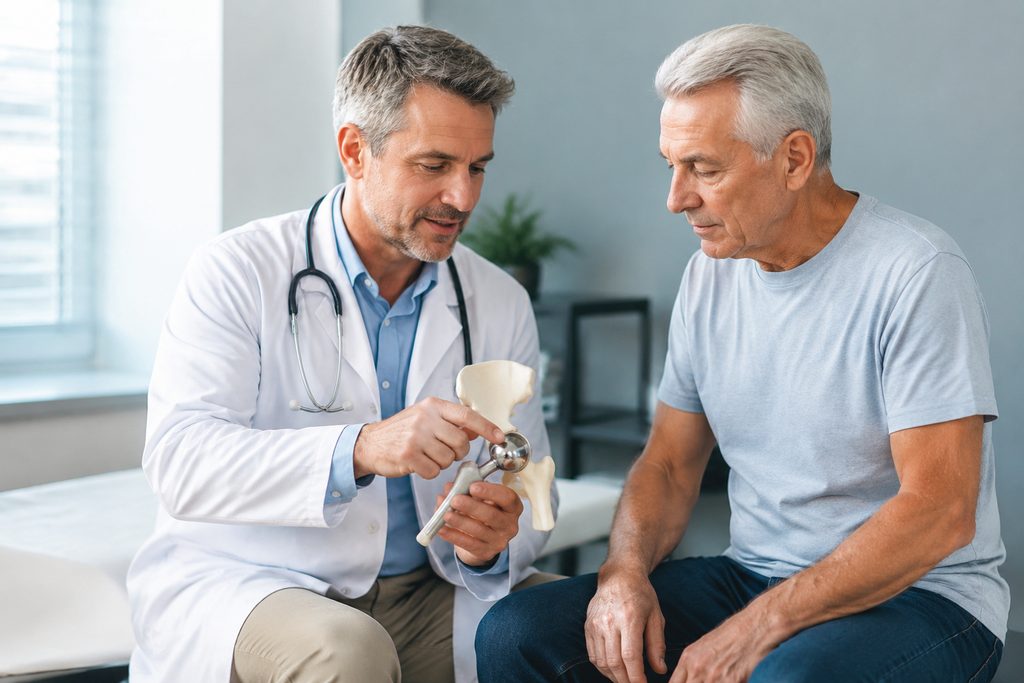
Am I a Candidate for Dental Implants? Understanding Eligibility and Dental Implants Cost China
According to the American Academy of Implant Dentistry, more than 3 million Americans currently have dental implants, with another 500,000 placed each year. Yet the same data shows 69% of adults aged 35–44 have lost at least one permanent tooth. The gap between those who need implants and those who get them is enormous. Cost is the primary barrier. And that is precisely why so many patients now compare dental implants cost China against quotes from their local dentists in the US, UK, or Australia.
But before you look at prices in Shanghai or Beijing, you need to answer a more fundamental question: are you actually eligible for the procedure? Not everyone is. Bone density, gum health, smoking status, and underlying conditions like uncontrolled diabetes all play a role. This article walks through the candidacy criteria, the real numbers behind implant pricing in China, and what the treatment journey looks like for an international patient.
Key Takeaways
- Dental implant candidacy depends on jawbone volume, gum health, and systemic conditions — not on age alone. A CT scan is the definitive test.
- Dental implants cost China typically ranges from $600–$1,800 per implant, compared to $3,000–$6,000 in the United States. Full-arch options like All-on-4 run $8,000–$15,000 in China versus $25,000–$50,000 in the US.
- Language barriers and hospital navigation in China are real challenges. A bilingual medical companion solves most of these issues but adds a service fee.
- Bone grafting, sinus lifts, and multiple implants change both the timeline and the total cost. Get a written treatment plan before booking any travel.
The Problem: Losing Teeth Is Common, Replacing Them Is Expensive
The CDC reports that 26% of adults aged 65 and older have eight or fewer teeth. Tooth loss is not a rare condition — it is the endpoint of decay, gum disease, and trauma for tens of millions of people. And the consequences go far beyond appearance. Missing teeth lead to bone resorption, shifting of adjacent teeth, bite problems, and difficulty eating. Over time, the jawbone itself shrinks.
So why do so many people delay treatment? The answer is almost always financial. In the United States, a single dental implant with abutment and crown averages $4,500. Full-mouth restoration can exceed $50,000. Dental insurance typically covers only a fraction, if anything. Medicare does not cover dental implants at all. For a patient needing four or more implants, the math becomes brutal.
That reality pushes patients to explore alternatives. Some choose removable dentures, which cost less upfront but accelerate bone loss and reduce quality of life. Others look abroad. Medical tourism for dental care is now a well-established industry, with Mexico, Thailand, Hungary, and increasingly China as major destinations. The question is no longer whether to travel for care — it is how to do it safely and whether you qualify for the procedure in the first place.
Why China Delivers Results for Dental Implant Patients
China’s dental implant market has grown rapidly over the past decade. The country now has thousands of licensed dental clinics and hospital stomatology departments, with a concentration of top-tier facilities in Shanghai, Beijing, Guangzhou, and Shenzhen. The combination of high clinical volume, modern equipment, and lower operating costs creates a structural price advantage that is hard to ignore.
Clinical Volume and Experience
Chinese oral surgeons in major urban hospitals place implants daily. A senior implantologist at a top Shanghai dental department may complete 500–1,000 implant placements per year. That is several times the volume of a typical Western dentist. Volume matters in implantology — it sharpens surgical judgment, reduces complication rates, and shortens procedure time. The stomatology departments at leading Chinese hospitals routinely handle complex cases involving bone grafts, sinus lifts, and full-arch rehabilitations.
Technology Without the Premium Price Tag
Many Chinese dental facilities use the same implant systems found in Western clinics — Straumann, Nobel Biocare, Osstem, and Dentium are all widely available. Cone-beam CT (CBCT) imaging is standard for pre-surgical planning. Digital impressions, guided surgery templates, and CAD/CAM milling for same-day crowns are common in urban centers. The difference is cost structure: lower labor costs, lower facility overhead, and government-subsidized hospital infrastructure all contribute to a final bill that is 60–80% below US prices.
Cost Advantage Without Quality Compromise
Let us be direct: lower cost does not automatically mean lower quality. In China, it means lower operating expenses. A dental implant placed in Shanghai by a board-certified oral surgeon using a Swiss implant system is the same implant, placed with the same surgical principles, as one in New York. The price difference reflects labor economics, not clinical shortcuts. That said, quality varies across the thousands of clinics in China. Choosing a hospital-affiliated stomatology department or a JCI-accredited private clinic is essential. We cover exactly how to evaluate providers later in this article.
Am I a Candidate for Dental Implants? The Eligibility Checklist
So how do you know if you are eligible? The short answer: most adults with good general health and adequate jawbone are candidates. But “adequate jawbone” is the key phrase. Here is what actually matters.
Jawbone Density and Volume
Dental implants fuse to bone through a process called osseointegration. Without enough bone, the implant cannot anchor securely. Bone loss begins within months of tooth extraction — the jawbone resorbs when it no longer receives stimulation from a tooth root. Patients who have been missing teeth for years often have significant bone atrophy. A CBCT scan measures bone height, width, and density precisely. If bone is insufficient, bone grafting or a sinus lift may be required before or during implant placement. These procedures add cost and extend the timeline by 3–6 months.
Gum Health and Oral Hygiene
Active periodontal disease is a contraindication for implants. Bacteria from gum infection can compromise the implant site and lead to peri-implantitis — the implant equivalent of gum disease. Any existing gum disease must be treated and stabilized before surgery. Patients with a history of poor oral hygiene need to demonstrate commitment to maintenance. Implants are not a set-and-forget solution; they require the same care as natural teeth.
Medical Conditions That Affect Candidacy
Uncontrolled diabetes is the most common medical barrier. Elevated blood sugar impairs healing and increases infection risk. Patients with HbA1c above 7.5% are typically advised to stabilize their diabetes first. Other conditions that require careful evaluation include autoimmune disorders, bisphosphonate use (common in osteoporosis treatment), radiation therapy to the jaw, and heavy smoking. Smoking is not an absolute contraindication, but it significantly increases implant failure rates. Most surgeons require patients to quit or reduce smoking for at least two weeks before and after surgery.
Age Considerations
Age alone is not a disqualifier. Healthy patients in their 70s and 80s receive implants successfully. The only age-related restriction is for younger patients: implants should not be placed until jaw growth is complete, typically around age 18 for males and 16–17 for females. For older patients, the real question is overall health and healing capacity, not chronological age.
How Do I Know If I Need Dental Implants? Alternatives and Decision Points
Dental implants are one of several options for replacing missing teeth. The right choice depends on how many teeth are missing, where they are located, your budget, and your tolerance for surgery and recovery time.
Single Tooth Replacement: Implant vs. Bridge
A single missing tooth can be replaced with an implant or a fixed bridge. A bridge requires grinding down the two adjacent healthy teeth to serve as anchors. An implant leaves adjacent teeth untouched and stimulates the jawbone, preventing resorption. The downside: implants cost more upfront and require surgery. Over a 10-year horizon, implants often prove more cost-effective because bridges typically need replacement every 7–10 years, while implants can last 25 years or more with proper care.
Full-Arch Replacement: All-on-4 vs. Traditional Dentures
For patients missing most or all teeth in an arch, the All-on-4 technique offers a fixed, non-removable solution using just four implants per arch. This avoids the need for bone grafting in many cases by angling the posterior implants to maximize contact with available bone. The all on 4 dental implants price China typically ranges from $8,000 to $15,000 per arch, depending on the implant system and prosthetic material. Compare that to $25,000–$50,000 per arch in the United States. Removable dentures cost far less — $500–$3,000 per arch in China — but they do not prevent bone loss and many patients find them uncomfortable and unstable.
When Implants Are Not the Right Choice
Some patients should not pursue implants. If you have severe uncontrolled medical conditions, active cancer treatment, or cannot commit to the surgical and healing timeline, a high-quality removable prosthesis may be the better path. Pregnant women should delay implant surgery. Patients with unrealistic expectations about the procedure or recovery should also reconsider. A thorough consultation with an honest clinician — one who will tell you when implants are not advisable — is worth more than any price comparison.
Dental Implant Eligibility Shanghai: What to Expect at a Chinese Dental Hospital
If you are considering treatment in China, the evaluation process follows a similar path to Western clinics, but with some structural differences you should understand before booking a flight.
The First Visit: Examination and Imaging
At a top Shanghai stomatology department, your first visit includes a clinical examination, periodontal assessment, and CBCT imaging. The CBCT scan is critical — it provides 3D views of bone volume, nerve positioning, and sinus anatomy. Expect this first visit to take 1–2 hours. Some hospitals can complete the scan and provide a preliminary treatment plan the same day. Others schedule a follow-up consultation.
Treatment Planning and Quotation
After imaging, the surgeon develops a treatment plan. This includes the number of implants, implant system and brand, need for bone grafting or sinus lift, type of restoration (crown, bridge, or full-arch prosthesis), and timeline. You should receive a written quotation with itemized costs. Do not accept a verbal estimate. A written plan protects you and allows you to compare options across providers. The quotation should specify the implant brand — a Straumann implant costs more than an Osstem implant, and that difference is legitimate and worth understanding.
Surgery and Healing: The Timeline
For a standard single implant, surgery takes 30–60 minutes under local anesthesia. The implant is placed into the jawbone, and a healing cap or cover screw is attached. Osseointegration takes 3–6 months. You return for a second, minor procedure to attach the abutment, then impressions are taken for the crown. The final crown is delivered 2–4 weeks later. Total timeline: 4–7 months from first surgery to final restoration. Immediate-load implants (where a temporary crown is placed on the same day as surgery) are available at some facilities but are not suitable for all cases.
Language and Navigation Challenges
Public hospitals in China are high-volume environments. A single stomatology department may see hundreds of patients daily. Registration, payment, imaging, and pharmacy visits happen in different locations, often on different floors. Signage is primarily in Chinese. While many senior surgeons speak some English, the administrative staff often do not. This is where a bilingual medical companion becomes valuable — they handle registration, queue management, payment, and interpretation so you can focus on your treatment. The service starts from $300 per day and is optional but strongly recommended for first-time visitors.
Dental Implants Cost China: Real Numbers and Comparison
Let us look at actual figures. The table below compares typical prices for common implant procedures in China versus the United States. These are ranges based on hospital-affiliated and private clinic pricing in major Chinese cities. Final quotes vary by hospital and case complexity.
| Procedure | China (USD) | United States (USD) | Savings |
|---|---|---|---|
| Single implant (incl. abutment + crown) | $600 – $1,800 | $3,000 – $6,000 | 70–80% |
| All-on-4 per arch | $8,000 – $15,000 | $25,000 – $50,000 | 60–70% |
| Bone graft (per site) | $200 – $600 | $600 – $2,000 | 60–70% |
| Sinus lift | $800 – $2,000 | $2,500 – $6,000 | 60–70% |
| Full-mouth restoration (8+ implants) | $15,000 – $30,000 | $40,000 – $80,000+ | 60–70% |
These are reference ranges. Premium implant systems (Straumann, Nobel Biocare) sit at the higher end. Domestic Chinese implant brands and Korean systems (Osstem, Dentium) are at the lower end. The crown material — porcelain-fused-to-metal versus zirconia — also affects price. Zirconia crowns cost more but offer better aesthetics and biocompatibility.
What the Price Includes
Always clarify what is included in a quotation. A complete implant price should cover the surgical fee, the implant fixture, the abutment, and the crown. Some clinics quote only the surgical placement and implant fixture, then charge separately for the abutment and crown. Bone grafting and sinus lifts are usually separate line items. Anesthesia is typically included. Post-operative medications and follow-up visits may or may not be included. Ask for a written breakdown.
Book Dental Implant Package Beijing: What Packages Actually Include
Many Chinese dental clinics and hospital international departments offer package pricing for international patients. A typical book dental implant package Beijing option includes the consultation, CBCT scan, implant surgery, implant fixture, abutment, and crown for a single fixed price. Some packages add airport pickup, hotel recommendations, and a bilingual coordinator. Package pricing simplifies budgeting, but you must still verify the implant brand and crown material. A package offering a “dental implant” for $800 may use a domestic implant system and a basic crown. That is not necessarily bad — domestic systems are clinically acceptable — but you should know what you are paying for.
Practical Considerations: Visas, Payment, and Follow-Up Care
Traveling to China for dental treatment requires planning beyond the dental chair. Here is what you need to handle.
Visa Requirements
Foreign nationals traveling to China for medical treatment apply for an S2 visa, which covers short-term private affairs including medical treatment. The S2 visa is typically valid for 30–90 days, which is sufficient for a consultation and initial surgery, but not for the full osseointegration waiting period. If your treatment requires a stay longer than 180 days, you would need an S1 visa. Supporting documents from the treating hospital — including a treatment plan and appointment confirmation — are usually required. Requirements vary by Chinese embassy or consulate, so check with your local mission before applying. We cannot guarantee visa approval, and we always recommend confirming current requirements with the embassy directly.
Payment Methods and Insurance
Chinese public hospitals require prepayment — you deposit funds at admission or before surgery, and costs are deducted from that deposit. Cash, UnionPay, and major credit cards are accepted at hospital payment windows, though international credit card acceptance is not universal. Private international clinics often accept international credit cards and some offer direct billing with major insurers. Most international dental insurance plans do not cover treatment abroad unless you have a specific medical tourism policy. Check with your insurer before traveling. If your insurer reimburses out-of-network care, request itemized receipts and English-language medical records from the treating hospital.
Follow-Up After Returning Home
Dental implants require long-term follow-up. The osseointegration period — 3 to 6 months — happens after you return home. Your local dentist can monitor healing and perform routine maintenance. The final crown placement can be done in China on a second trip, or you can have your local dentist fabricate the crown using records from the Chinese surgeon. Coordinate this before you leave. The Chinese surgeon should provide a detailed treatment summary, implant brand and serial number, and post-operative instructions. Without these records, your local dentist will struggle to provide appropriate follow-up care.
Practical tip: Request a digital copy of your CBCT scan and all surgical records before leaving China. Most hospitals can provide these on a
Frequently Asked Questions
Yes. The hospitals used for international patients are JCI-accredited and follow the same international safety standards as top hospitals in the US and Europe. Surgical teams perform high volumes of procedures — often more than their Western counterparts — which studies show leads to better outcomes.
Costs vary by procedure and hospital, but international patients typically save 40-80% compared to US prices — even when factoring in travel and accommodation. A consultation with our team will give you an exact, all-inclusive quote with no hidden fees.
Send us your existing medical reports to get started. We handle everything from hospital selection and appointment scheduling to visa assistance and post-operative recovery planning. Your medical records are reviewed by the specialist before you even book a flight.
For more medical information and treatment options in China, visit chinamedservices.com (China Medical Services).
