Airport Pickup in Suzhou for Hospital Visits: A Step-by-Step Guide for International Patients
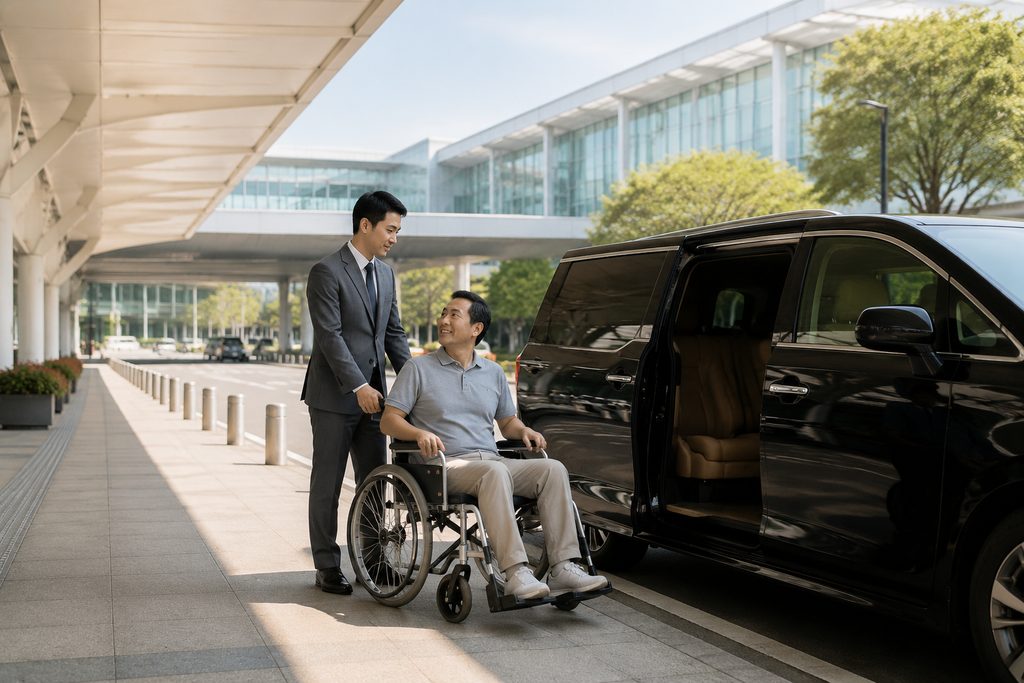
Key Takeaways
- A dedicated airport pickup service Suzhou hospital transfer costs from $200 round-trip and removes the single biggest source of first-day stress for international patients.
- Suzhou has no international airport. You will land at Shanghai Hongqiao (SHA) or Shanghai Pudong (PVG), roughly 100–120 km from Suzhou’s major medical centers.
- Language barriers, Chinese payment apps, and train station navigation make independent arrival transfers far harder than most patients expect.
- You do not need to book a pickup through your hospital. Independent coordination services can arrange transfers, but you must confirm the vehicle, driver contact, and exact meeting point before departure.
The Problem: You Landed, But Your Hospital Is Still Two Hours Away
When 54-year-old Daniel from Manchester booked a cardiac evaluation at a major Suzhou hospital, he assumed the hardest part would be the medical consultation. It wasn’t. After an 11-hour flight into Shanghai Pudong, he spent 40 minutes trying to buy a train ticket from a machine that only accepted Chinese payment apps. He missed two trains. He eventually paid a taxi driver ¥900 (about $125) for a ride the driver initially refused because Daniel couldn’t communicate the hospital’s Chinese name clearly. Daniel arrived exhausted, late, and stressed before a single doctor had examined him.
His experience is common. Suzhou’s medical infrastructure is excellent — the city hosts several hospitals ranked among China’s top 100 by the Fudan University hospital rankings. But Suzhou has no commercial airport. Every international patient arrives through Shanghai’s two massive airports. Pudong International handled over 76 million passengers in 2024. Hongqiao handled another 45 million. Neither airport makes transfers to Suzhou simple for a first-time visitor who doesn’t read Chinese.
The gap between landing and reaching your hospital bed is where most preventable problems happen. Missed connections. Wrong train platforms. Taxi drivers who refuse long-distance fares. SIM cards that don’t work. Payment apps that reject foreign credit cards. None of these are medical issues. All of them affect how you arrive at your medical appointment.
Why a Pre-Arranged Airport Pickup Service Suzhou Hospital Transfer Makes Sense
You are not booking a luxury. You are booking predictability. A medical trip already carries enough uncertainty — diagnosis, treatment plan, recovery timeline. The airport-to-hospital leg should be the one variable you eliminate entirely.
Fixed Cost, Known Driver, No Haggling
A private airport transfer for medical tourism in China typically runs $200 round-trip through coordination services. That includes meet-and-greet at the arrivals gate, help with luggage, direct transport to your Suzhou hotel or hospital, and the return trip after treatment. Compare that to Daniel’s experience: ¥900 one-way in an unmetered taxi, plus 40 minutes of failed ticket machine attempts, plus the physical toll of dragging luggage through crowded train stations after a long-haul flight.
The driver knows the route. More importantly, the driver knows the destination. Suzhou’s major medical centers — the First Affiliated Hospital of Soochow University, Suzhou Municipal Hospital, and the Suzhou Kowloon Hospital — are spread across a city of 12.7 million people. Telling a Shanghai taxi driver “Suzhou hospital” is not enough. You need the exact campus, the exact gate, and often the exact building.
Language Friction Is Real, and It Compounds
Shanghai’s airports have English signage. Suzhou’s train stations have some English. But the gaps appear exactly when you need help most: when a train is delayed, when a platform changes, when a taxi app won’t accept your card, when you need to explain that you’re traveling for medical treatment and cannot afford to miss a connection. A pre-booked airport transfer to a Suzhou medical facility removes those conversations. The driver already knows why you’re there and where you’re going.
Arrival Fatigue Affects Medical Outcomes
You are not a tourist. You are a patient. After a transcontinental flight, your blood pressure, hydration, and cognitive sharpness are all compromised. Navigating an unfamiliar Chinese transportation system in that state is not an adventure — it’s a risk. The medical teams we work with consistently report that patients who arrive rested and on time have better first consultations. They ask clearer questions. They remember instructions. They present their medical history more coherently.
How to Get from Shanghai Airport to Suzhou Hospital: The Real Options
The $200 round-trip figure assumes a standard sedan for one or two passengers with typical luggage. If you’re traveling with family, using a wheelchair, or carrying medical equipment, you’ll need a larger vehicle. A minivan or SUV typically runs $250–350 round-trip. If you need a wheelchair-accessible vehicle, expect $300–400. Always state your luggage count and any mobility needs when requesting a quote.
Drivers who handle international patient airport transfer Suzhou routes are not sitting idle at the airport. They’re scheduled. Last-minute bookings often fail or cost a premium. Three days’ notice gives the coordination team time to confirm the driver, share your flight details, and double-check the destination address with the hospital. For arrivals during Chinese public holidays — especially the week-long Spring Festival in January or February and the National Day holiday in early October — book at least two weeks ahead. Drivers are scarce, and prices rise.
No airport pickup service can help you enter China without the right visa. For medical treatment, you apply for an S2 visa with supporting documents from the Chinese hospital. Family members accompanying you also apply for S2. The visa process is separate from transportation logistics, but both need to be handled before you fly. If you’re unsure about visa requirements, our team can point you to the right resources, but the visa application itself goes through the Chinese embassy or consulate in your home country.
Chinese public hospitals generally require prepayment for treatment, and most international patients pay out of pocket then claim reimbursement from their home insurance. The airport transfer fee is a separate coordination service fee. You pay it to the service provider, not the hospital. Keep the receipt — some insurers reimburse medical travel logistics as part of treatment-related expenses, but you’ll need documentation.
Practical Considerations: Documentation, Timing, and Communication
Even with a pre-arranged transfer, a few things need your attention before departure.
Have your hospital’s Chinese address saved offline. Not just the English name. Screenshot it. Save it as an image on your phone. If your driver changes at the last minute, you need to show the new driver exactly where to go. The address in Chinese characters is non-negotiable.
Confirm your meeting point precisely. Pudong has two international arrivals halls — Terminal 1 and Terminal 2. They’re connected but far apart. Your booking confirmation should state which terminal, which gate, and where exactly the driver will stand. If it doesn’t, ask.
Carry cash in Chinese yuan. Even if you’ve booked and paid for your transfer online, you’ll want cash for incidentals — water, food, a phone charger, a small tip for the driver if you’re so inclined. ATMs at Pudong accept foreign cards, but withdrawal limits and network issues happen. Carry at least ¥500 (about $70) in small bills.
Keep your phone charged and unlocked. If you use an eSIM or a Chinese SIM, make sure it’s activated before you land. The driver may need to call you. If your phone doesn’t work in China, you’ll be relying entirely on the meet-and-greet sign, which works — but only if you know where to look.
Frequently Asked Questions
Do I really need a private transfer, or can I just take the train?
The train from Shanghai Hongqiao to Suzhou is fast and cheap, but it requires navigating a massive rail hub, using Chinese payment methods, and managing luggage through crowded stations. If you’re traveling alone, speak no Chinese, and are arriving after a long flight, the train adds significant stress and failure points. A private transfer costs more but removes every one of those variables.
What happens if my flight is delayed by several hours?
A properly coordinated transfer service tracks your flight number and adjusts the driver’s schedule accordingly. You should not need to do anything. Confirm this policy when booking — some budget services charge waiting fees after a certain window, while full-service medical tourism transfers include flight tracking as standard.
Can the driver help me check in at the hospital?
Drivers provide transportation only. Hospital check-in, registration, and interpretation require a separate bilingual medical companion service, which typically starts from $300 per day. Some international patients book both services together — the transfer gets you to the hospital, and the companion handles the administrative and language tasks once you’re inside.
Is the airport transfer covered by my travel insurance?
Some international health insurance policies and medical travel policies reimburse ground transportation costs when they’re directly related to treatment. You’ll need the service provider’s invoice and proof of payment. Check your policy’s fine print before assuming coverage. Most standard travel insurance policies do not cover medical transfer logistics.
What if I need to change my return date after treatment?
Medical schedules change frequently. Tests run long, doctors order additional imaging, or you may be cleared to leave earlier than expected. A flexible transfer service accommodates reasonable date changes without penalty, provided you give at least 24 hours’ notice. Confirm the change policy before booking your return leg.
Your Next Step
Arriving in China for medical treatment is manageable — but only if you handle the logistics before you board the plane. An airport pickup service Suzhou hospital transfer is one piece of that puzzle, along with your visa, your hospital appointment, and your accommodation. Our team at China Medical Services helps international patients coordinate these logistics, from hospital matching to bilingual companions to arrival transfers. We are not a hospital and we do not provide medical advice — we handle the operational layer so you can focus on your treatment. If you’re planning a medical trip to Suzhou and want to talk through the arrival logistics, reach out for a free consultation. No pressure, no obligation. Just a clear conversation about what you need and how to make it happen.
For more medical information and treatment options in China, visit chinamedservices.com (China Medical Services).
