Rehabilitation: What It Gives You — Real Recovery Timelines and Costs
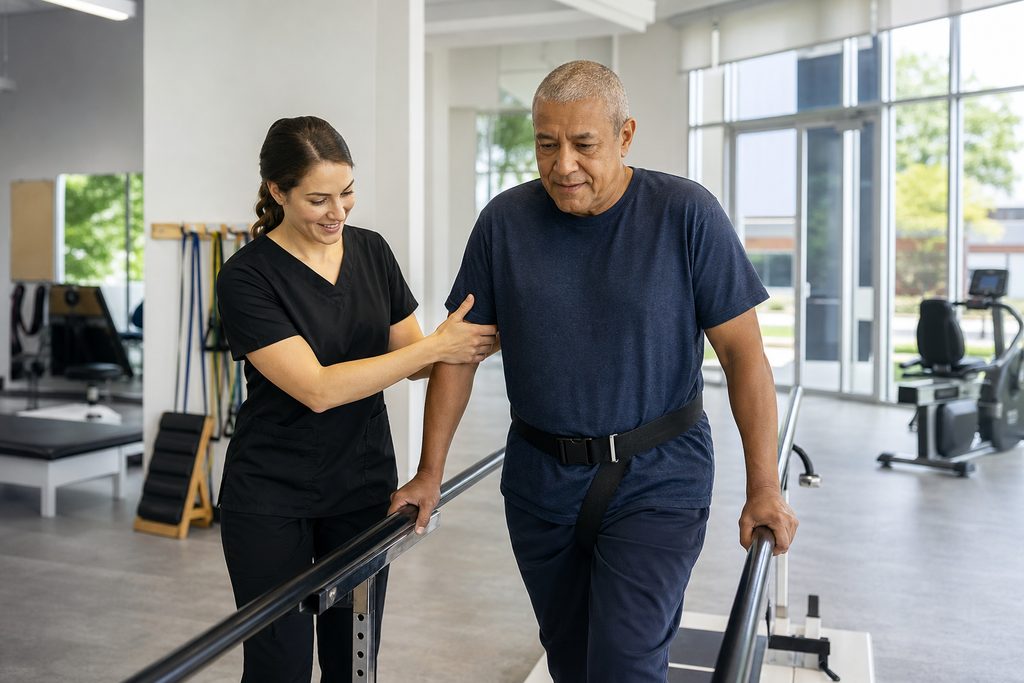
Rehabilitation: What It Gives You — Real Recovery Timelines and Costs
You have probably heard that rehabilitation is just “rest and wait.” That is the single most expensive misunderstanding in medicine. The truth is that structured rehabilitation — the kind delivered in dedicated inpatient and outpatient programs — determines whether a stroke survivor regains speech, whether a knee replacement patient walks without a limp, or whether a cardiac patient returns to work. And the rehabilitation center cost China is a fraction of what Western patients expect to pay, often 70–80% less than comparable programs in the United States or Germany. But cost is not the only reason patients look abroad. Timing matters. Access matters. And the quality of hands-on therapy hours per day matters most of all.
Our team at China Medical Services has spent years helping international patients evaluate rehabilitation options across China’s top-ranked hospital system. What we have learned is that recovery is not a passive process. It is engineered. The question is whether you have the right program, the right intensity, and the right window of time.
How This Actually Works, Step by Step
You do not simply fly to Shanghai and check into a rehabilitation ward. There is a sequence, and skipping steps creates delays that cost patients recovery time they cannot get back.
First, you send us your existing medical records — discharge summaries, imaging reports, surgical notes, and any prior therapy assessments. We translate them into Chinese and route them to the rehabilitation department at one or more of the 340+ top-ranked hospitals in our database. A specialist reviews your case and tells us whether you are a candidate for inpatient rehabilitation, outpatient therapy, or a hybrid program.
Next, you receive a written assessment and a proposed therapy plan. This includes the number of sessions per day, the disciplines involved (physical therapy, occupational therapy, speech therapy), and an estimated length of stay. Only after you approve the plan do we coordinate the S2 visa documentation, hospital registration, and accommodation.
Then you arrive. A bilingual medical companion meets you at the airport, accompanies you to the hospital, handles registration and payment, and translates during your initial evaluation with the therapy team. You begin therapy — often within 24 to 48 hours of arrival.
Finally, before discharge, the hospital team provides a home exercise program and a summary report in English. We can arrange follow-up video consultations if your local therapist has questions about your protocol.
What Rehabilitation Actually Gives You — The Data Behind the Promise
Look at the Fudan University specialty rankings, which are published annually and cover 45 specialties including rehabilitation medicine. Hospitals ranked among China’s top 10 for rehabilitation or orthopedics are high-volume centers with structured protocols. Also check whether the hospital has a dedicated rehabilitation department with separate inpatient beds — not just a few therapy rooms attached to a general ward. We can help you verify a hospital’s credentials before you commit.
The initial plan is based on remote review of your records. It may change after in-person evaluation. If the therapy intensity or approach does not match what was proposed, tell your bilingual companion immediately. We raise the issue with the department head and request a revised plan. You are not locked into a program that is not working. But give it a fair trial — the first week is often the hardest.
In most cases, yes. Family members apply for S2 visas alongside you. Some hospitals have family accommodation on campus or nearby. Others require family to stay in a nearby hotel. Your companion can help arrange accommodation and transportation. Having a family member present during therapy sessions is generally welcomed, and many patients find it improves their motivation.
Your Next Step
Rehabilitation is the difference between surviving a medical event and recovering from it. The timing, intensity, and quality of therapy determine which side of that line you land on. China’s top rehabilitation hospitals offer world-class outcomes at a fraction of Western prices — but only if you arrive with the right records, the right visa, and the right program already in motion.
We are a medical coordination team, not a travel agency. We do not sell therapy packages or guarantee outcomes. What we do is connect you with ranked rehabilitation hospitals, translate your records, coordinate your S2 visa documentation, and put a bilingual companion beside you throughout your stay. If you want to understand your options, start with a conversation. Request a free consultation and tell us about your case. We will tell you honestly whether rehabilitation in China makes sense for you — and what it would take to make it happen.
Frequently Asked Questions
Yes. The hospitals used for international patients are JCI-accredited and follow the same international safety standards as top hospitals in the US and Europe. Surgical teams perform high volumes of procedures — often more than their Western counterparts — which studies show leads to better outcomes.
Costs vary by procedure and hospital, but international patients typically save 40-80% compared to US prices — even when factoring in travel and accommodation. A consultation with our team will give you an exact, all-inclusive quote with no hidden fees.
Send us your existing medical reports to get started. We handle everything from hospital selection and appointment scheduling to visa assistance and post-operative recovery planning. Your medical records are reviewed by the specialist before you even book a flight.
For more medical information and treatment options in China, visit chinamedservices.com (China Medical Services).
