What Happens During a Health Checkup: A Step-by-Step Walkthrough
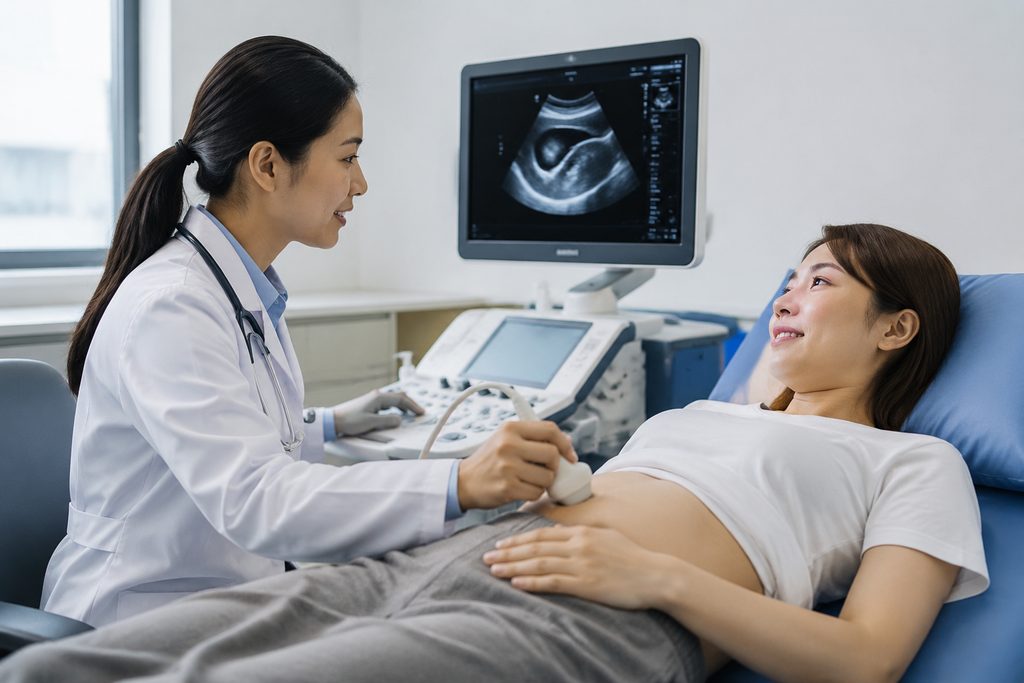
While patients in Canada wait a median 27.4 weeks for an MRI, a comprehensive health checkup at a top-tier Chinese hospital typically takes 4 to 6 hours from start to finish. That contrast—weeks of waiting versus a single morning—explains why international patients increasingly look east for preventive screening. But walking into a Chinese hospital without knowing the process can feel overwhelming. Our team has guided hundreds of patients through it, and we will walk you through exactly what happens, step by step.
What Happens During a Health Checkup: The Short Answer
A health checkup in China follows a structured sequence: registration, vital signs, blood draw, imaging, specialist consultation, and a summary report. Most comprehensive packages take 4 to 6 hours, though executive screenings at private international hospitals can stretch to a full day with more leisurely pacing. The full body checkup cost China varies widely—from roughly $150 for a basic public hospital panel to $1,500 or more for an executive package at a JCI-accredited private facility. You will leave with a printed report and, in most cases, a doctor’s verbal summary the same day.
But the experience differs sharply depending on where you go. A public hospital checkup moves fast, involves queues, and assumes you speak Chinese or brought someone who does. A private international hospital feels closer to what Western patients expect: English-speaking staff, scheduled appointments, and a calmer environment. The trade-off is price. We will break down both paths so you can choose with clear eyes.
Who This Is Right For — and Who It Isn’t
A health checkup in China makes sense for several specific groups. It is not for everyone, and being honest about that saves you time and money.
Good candidates include:
- Expats already living in China who need an annual physical without flying home
- International patients combining a checkup with an existing medical trip
- Travelers from countries with long public wait times who want same-day results
- Executives who want a comprehensive screening package at a fraction of Western private-clinic prices
- Patients who already have a specific concern—cardiac, liver, or cancer screening—and want targeted imaging added to a standard panel
Who should not pursue this:
- Anyone with acute symptoms requiring emergency care—a checkup is not a substitute for urgent diagnosis
- Patients who need continuous care from a primary physician who knows their full history
- Those unwilling to navigate language barriers, unless they hire a bilingual companion
- Travelers who cannot commit at least one full morning to the process
The last point matters more than people expect. A checkup is not a 30-minute clinic visit. It is a half-day commitment, sometimes longer.
The Options, Compared
Three tiers dominate the Chinese health checkup market. Each has a distinct profile, and the right choice depends on your budget, language comfort, and how much hand-holding you want.
| Feature | Public Hospital (Tier 3) | Hospital International Dept | Private International Hospital |
|---|---|---|---|
| Typical cost | $150–$400 | $400–$900 | $800–$1,500+ |
| Duration | 3–5 hours | 4–6 hours | 4–8 hours |
| English support | Rare | Usually available | Standard |
| Appointment needed | Often same-day | Yes, 1–3 days ahead | Yes, 3–7 days ahead |
| Report turnaround | Same day, Chinese | Same day, bilingual | Same day, English |
| Insurance direct billing | No | Sometimes | Usually |
| Crowding level | High | Moderate | Low |
Public hospital packages deliver the most value for money. But you will queue, signs will be in Chinese, and the pace can feel rushed. The international department of a top public hospital—like those at Peking Union Medical College Hospital or Zhongshan Hospital Fudan University—offers a middle path: public-hospital medical rigor with English coordination. Private international hospitals such as United Family or Jiahui cost the most but feel closest to a Western clinic experience, with direct insurance billing that many expats require.
What Is Included in a Health Checkup in China: The Standard Panel
Most comprehensive packages in China include far more than a typical Western annual physical. The baseline panel at a reputable hospital covers:
- Vital signs: blood pressure, heart rate, height, weight, BMI
- Blood work: complete blood count, liver function, kidney function, lipid profile, fasting glucose, uric acid
- Imaging: chest X-ray, abdominal ultrasound
- Cardiac screen: resting ECG
- Cancer markers: CEA, AFP, and others depending on age and gender
- Additional tests: vision, hearing, and a physical exam by a physician
Executive packages add more: low-dose chest CT instead of X-ray, carotid ultrasound, cardiac ultrasound, treadmill stress test, thyroid function, vitamin D, and sometimes a full-body MRI. Some private hospitals offer same-day colonoscopy and gastroscopy under sedation as an add-on. That is a significant differentiator—in many Western systems, scheduling those two procedures takes weeks or months. Here, you can do them during the same visit.
What is included varies by hospital and package tier. Always request the full itemized list before booking. Do not assume “comprehensive” means the same thing everywhere.
How Long Does a Health Checkup Take in China: A Timeline
Expect the process to unfold like this:
7:30–8:00 AM — Registration and payment. Arrive fasting. At a public hospital, you queue at the checkup center counter, show your passport, and pay. At a private hospital, you are greeted by name and escorted to the checkup floor.
8:00–8:30 AM — Blood draw and urine sample. This happens first because you need to be fasting. The phlebotomy teams at large Chinese hospitals are exceptionally efficient—they process thousands of draws daily.
8:30–10:00 AM — Imaging and functional tests. Chest X-ray or CT, abdominal ultrasound, ECG. At busy public hospitals, expect to wait between stations. At private facilities, you move between rooms with minimal downtime.
10:00–11:00 AM — Specialist consultation. A physician reviews your history, performs a physical exam, and may order additional tests if something looks off. This is your chance to raise specific concerns.
11:00 AM–12:00 PM — Report collection and summary. Most hospitals issue a preliminary report the same morning. Some send the complete report—with lab results and imaging interpretations—by email within 24 to 48 hours.
That timeline assumes no add-on procedures. Adding a colonoscopy, gastroscopy, or cardiac stress test extends the visit by 2 to 4 hours. Some patients split the checkup across two mornings for comfort.
What It Costs: Full Body Checkup Cost China and What Drives the Price
The full body checkup cost China ranges from about $150 to over $1,500, and the spread reflects real differences in service, not just branding. A basic package at a Tier 3 public hospital in a second-tier city might run $150 to $250. The same panel in Beijing or Shanghai at a top-ranked hospital costs $250 to $400. Add an international department, and you are looking at $400 to $900. Private international hospitals start around $800 and climb past $1,500 for executive packages with advanced imaging and endoscopy.
What drives the variance:
- City tier: Beijing, Shanghai, and Guangzhou cost more than Chengdu, Wuhan, or Xi’an
- Hospital tier: top-ranked teaching hospitals charge more than general hospitals
- Imaging modality: CT costs more than X-ray; MRI costs more than CT
- Endoscopy add-ons: colonoscopy and gastroscopy add $300 to $800 depending on anesthesia and hospital class
- Language support: English-speaking staff and bilingual reports carry a premium
For comparison, an executive health screening package at a private clinic in the United States or Singapore typically costs $2,500 to $5,000. The price of an annual physical exam in China, even at the high end, undercuts that substantially. But price should not be the only factor. A $150 package with no English support and a rushed physician may leave you with more questions than answers.
Practical Considerations: Documentation, Visas, and Follow-Up
Two things stand out: imaging volume and cancer markers. A standard Chinese checkup typically includes an abdominal ultrasound and chest X-ray as baseline—tests that many Western primary care physicians only order when symptoms appear. Blood panels routinely include tumor markers like CEA and AFP, which are not standard in most Western annual physicals. Executive packages go further, adding low-dose CT, cardiac ultrasound, and same-day endoscopy. The trade-off is that some of this screening may generate false positives or incidental findings that require follow-up. More testing is not always better; it is just more information to interpret.
Plan for a full day. The base checkup takes 4 to 6 hours. Adding a colonoscopy requires bowel preparation, which usually happens the evening before or early the same morning at the hospital. The procedure itself takes 30 to 45 minutes under sedation, plus recovery time. Most hospitals schedule endoscopy add-ons in the late morning or early afternoon, after the fasting blood work and imaging are done. You should not plan to fly out the same evening.
The physician will flag it in your report and recommend next steps. That might mean a repeat test, a referral to a specialist within the same hospital, or a recommendation to follow up with your doctor at home. Chinese hospitals will not pressure you into treatment. You receive the report, and the decision is yours. Some patients use the findings to book a follow-up video consultation with a specialist at the same hospital. If you are considering treatment in China, the checkup report becomes part of your medical file for any future consultations. You can browse top-ranked hospitals across 37 cities to see where a specialist might be located.
Yes, for comparable packages. An executive screening with CT, ultrasound, cardiac testing, and blood work that costs $1,200 to $1,500 in Shanghai would run $3,000 to $5,000 at a private clinic in the US. The gap narrows if you compare against basic US insurance-covered physicals, which are often free or low-cost at the point of care. But those basic physicals include far fewer tests. When you compare scope for scope, China is consistently cheaper. The savings shrink if you factor in international flights and hotels, which is why many patients combine a checkup with a planned trip or existing medical care. Executive health screening packages in Shanghai at private international hospitals offer the most Western-like experience at roughly half the US private-clinic price.
Your Next Step
A health checkup in China is a same-day, comprehensive, and cost-effective way to get a clear picture of your health. The process is straightforward once you understand the tiers and choose the right one for your language needs and budget. Our team at China Medical Services helps international patients navigate these choices—we are not a hospital, we do not diagnose, and we do not sell medical treatments. We connect you with the right facility, coordinate appointments, and provide bilingual support on the ground. If you are weighing a checkup in China, tell us what you are looking for and we will help you map out the options without obligation.
Frequently Asked Questions
Yes. The hospitals used for international patients are JCI-accredited and follow the same international safety standards as top hospitals in the US and Europe. Surgical teams perform high volumes of procedures — often more than their Western counterparts — which studies show leads to better outcomes.
Costs vary by procedure and hospital, but international patients typically save 40-80% compared to US prices — even when factoring in travel and accommodation. A consultation with our team will give you an exact, all-inclusive quote with no hidden fees.
Send us your existing medical reports to get started. We handle everything from hospital selection and appointment scheduling to visa assistance and post-operative recovery planning. Your medical records are reviewed by the specialist before you even book a flight.
For more medical information and treatment options in China, visit chinamedservices.com (China Medical Services).
