Rehabilitation: Home Setup Guidance for Recovery Abroad
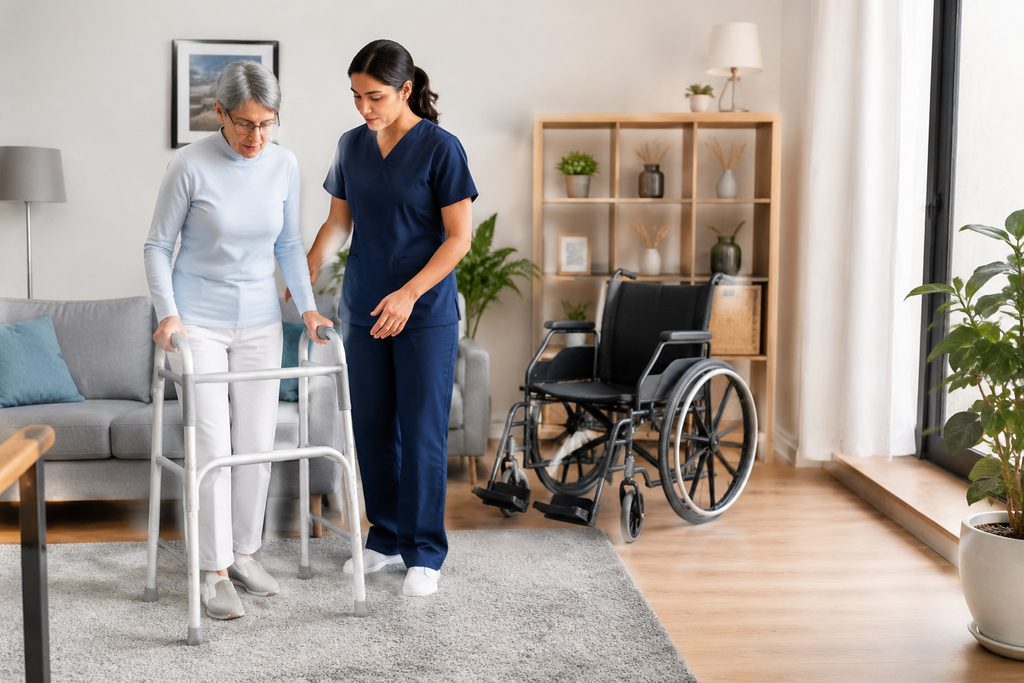
Have you ever wondered how you would actually manage the first two weeks after a major surgery if you were recovering in a foreign country? The clinical procedure is only half the battle. The other half is the bed you sleep in, the chair you sit on, and whether you can reach the bathroom without help. For international patients considering treatment in China, the question of rehabilitation center cost China and home setup logistics often gets pushed aside until the last minute—and that is exactly when mistakes happen.
Key Takeaways
- Inpatient rehabilitation in China’s top-tier public hospitals typically runs $150–$400 per day, while private international rehab centers range from $500–$1,200 per day depending on intensity and amenities.
- Setting up a safe home environment after discharge can reduce fall risk by up to 30% when basic modifications are implemented correctly, according to a 2023 systematic review in the Journal of the American Geriatrics Society.
- Language barriers during home-based rehab are the most underestimated risk—misunderstanding a single weight-bearing instruction can set recovery back weeks.
- You should decide between inpatient rehab, outpatient therapy, or home-based recovery before you travel, not after surgery.
The Problem: Discharge Planning Is Where Recovery Falls Apart
Every year, roughly 310 million patients undergo major surgery worldwide. A significant portion of those patients experience preventable complications after discharge—not because the surgery failed, but because the home environment was not prepared. A 2022 study published in JAMA Surgery found that nearly 20% of patients over 65 who underwent major joint replacement reported at least one fall within 90 days of returning home. Falls lead to re-admissions. Re-admissions lead to worse outcomes.
Now add international travel to that equation. You are not going home to a familiar apartment with family nearby. You are recovering in a hotel room, a serviced apartment, or a rented flat near the hospital. The furniture is unfamiliar. The bathroom layout is different. The person helping you might be a bilingual companion you met three days ago. That changes everything.
Why China’s Rehabilitation Infrastructure Delivers Results
China has invested heavily in rehabilitation medicine over the past decade. The number of dedicated rehabilitation beds in public hospitals has grown significantly, and the country now has over 300 hospitals with specialized rehabilitation departments ranked in national evaluations. For international patients, this means access to structured, protocol-driven recovery programs at a fraction of Western prices.
Clinical Volume Drives Better Outcomes
A rehabilitation physician at a top Shanghai hospital may oversee 40–60 stroke patients per week. That volume creates pattern recognition. The therapist knows what a plateau looks like, what a compensatory movement looks like, and when to push harder. Western benchmarks are different—many outpatient rehab clinics in the US or UK see a fraction of that caseload per therapist. Volume matters in rehab because it is a field built on repetition and observation.
Technology and Efficiency at Scale
Chinese rehab departments have adopted robotic gait trainers, virtual reality balance systems, and electromyography-guided biofeedback at scale. Fuwai Hospital in Beijing, known globally for cardiac surgery volume, operates a cardiac rehabilitation program that integrates telemetry-monitored exercise with dietary counseling. Zhongshan Hospital in Shanghai runs one of the most comprehensive stroke rehabilitation units in the country, with dedicated occupational therapy suites and speech-language pathology services. These are not experimental programs—they are standard operating procedure at the top-tier institutions.
Cost Advantage Without Quality Compromise
Let us address the obvious question: why is the rehabilitation center cost China so much lower than in the US or Europe? The structural reasons are straightforward. Labor costs for physical therapists, occupational therapists, and nursing staff are lower. Hospital construction and equipment costs are lower. Administrative overhead is leaner. But the clinical protocols—the actual therapy—follow the same evidence-based guidelines used internationally. A knee replacement patient in Shanghai receives the same range-of-motion progression, the same weight-bearing restrictions, and the same strengthening protocol as a patient in Boston. The difference is the price tag, not the care plan.
| Rehab Setting | China (per day) | US (per day) | What’s Included |
|---|---|---|---|
| Public hospital inpatient rehab | $150–$400 | $1,500–$3,000 | Daily PT/OT, nursing, meals, basic room |
| Private international rehab center | $500–$1,200 | $2,500–$5,000 | 1:1 therapy, English staff, private room, insurance billing |
| Outpatient therapy session | $40–$120 | $150–$400 | 45–60 min session with licensed therapist |
| Home-based rehab visit | $80–$200 | $200–$500 | Therapist comes to your accommodation |
Prices vary by hospital and case complexity. The numbers above reflect 2026 ranges gathered from public pricing lists and international patient department quotes. Always confirm current rates before committing.
How to Set Up Home Rehab After Knee Surgery
So you have decided to recover in China after a knee replacement. The surgery happened at a top orthopedic hospital in Beijing or Shanghai. Now you are discharged, and the real work begins. How do you set up home rehab after knee surgery in a foreign city? The principles are the same as anywhere, but the execution requires more planning.
First, secure the right accommodation. A ground-floor unit or a building with a reliable elevator is non-negotiable. Stairs are the enemy of early knee rehab. Look for a serviced apartment with a walk-in shower rather than a bathtub. The bathroom door should be wide enough for a walker or crutches—at least 80 centimeters.
Second, order equipment before discharge. In China, medical equipment is widely available through online platforms and hospital-affiliated supply stores. A raised toilet seat costs $30–$60. A shower chair costs $40–$80. A basic walker runs $50–$100. Your hospital’s international patient department can usually arrange delivery to your accommodation before you leave the ward.
Third, establish the therapy schedule. The surgeon will prescribe a home exercise program. You need a bilingual companion or a therapist who can translate the instructions precisely. Weight-bearing restrictions are not optional. “Partial weight-bearing” means something specific. Get it wrong, and you risk implant failure.
Is Inpatient Rehab Safe in China for International Patients?
This is the question every patient asks, and it deserves an honest answer. Is inpatient rehab safe in China? Yes—at accredited, top-tier hospitals. But you need to understand what “safe” means in this context.
Safety in rehab has three components: medical oversight, fall prevention, and infection control. Top Chinese public hospitals perform well on all three. They have 24-hour nursing coverage, physician rounds at least daily, and structured fall-risk assessments. The best rehab hospital Shanghai for stroke patients, for example, follows protocols aligned with the American Heart Association guidelines for post-stroke rehabilitation. Infection rates at Fudan-ranked hospitals are comparable to international benchmarks.
But there are realities you should know. Shared rooms are common in public hospitals. The food is Chinese hospital food, which may not match your dietary preferences. And the therapists may not speak English. That last point is critical. A bilingual medical companion is not a luxury in this setting—it is a safety measure. Miscommunication about pain levels, dizziness, or medication side effects can have serious consequences.
Private international rehab centers in Shanghai, Beijing, and Guangzhou offer a different experience. English-speaking staff, private rooms, Western food options, and direct insurance billing. The trade-off is cost. Physical therapy packages abroad price varies widely, but in China you can expect to pay $500–$1,200 per day at a private facility versus $150–$400 at a public hospital’s international wing.
Booking Post-Surgery Rehabilitation Before You Travel
The single biggest mistake international patients make is waiting until after surgery to book post-surgery rehabilitation China. By then, the good facilities are full, the discharge date is approaching, and you are making decisions under pressure. That is how people end up in a hotel room with no equipment and no therapist.
The smarter approach: book your rehab bed at the same time you book your surgery. Most top hospitals in China have integrated surgical and rehabilitation departments. When you schedule a knee replacement at Peking Union Medical College Hospital, for instance, the international patient office can coordinate a rehab bed in the same hospital or at an affiliated facility. This is standard practice for domestic patients—international patients should expect the same level of coordination.
What should you confirm before booking? The therapist-to-patient ratio. The daily therapy hours. Whether the rehab team communicates with the surgical team. Whether the facility accepts your insurance or requires cash payment upfront. And critically, whether the rehab program includes a home setup consultation before discharge. The best programs do.
Practical Considerations: Documentation, Visas, and Payment for Rehab in China
You will need the right paperwork. For international patients traveling to China for medical treatment, the S2 visa is the applicable short-stay category. It covers private affairs, including medical treatment, when supported by documentation from the treating hospital. Your hospital’s international patient department will issue an invitation letter and treatment confirmation. Family members accompanying you apply for the same S2 visa category. The M visa is for commercial and trade activities and is not appropriate for medical travel.
Payment is another practical matter. Public hospitals in China typically require prepayment—you deposit funds upfront, and the hospital deducts charges daily. International credit cards are accepted at major hospitals, but transaction limits apply. UnionPay is the dominant network. For larger rehab stays, a wire transfer to the hospital’s designated account is often the most reliable option. Private international hospitals and rehab centers usually accept Visa, Mastercard, and direct insurance billing.
Insurance is the third piece. Chinese hospitals do not bill Western insurers directly in most cases. You pay upfront, then submit claims for reimbursement. Some private international facilities have direct billing agreements with major insurers like Cigna, Aetna, and Bupa. Check before you commit. A $10,000 rehab stay is manageable if you know you will be reimbursed—it is stressful if you discover the reimbursement rules after the fact.
Language and interpretation deserve serious attention. Even in top-tier hospitals, the nursing staff and junior therapists may have limited English. The senior physicians often speak English well, but they are not present for every therapy session. A bilingual medical companion who understands both the language and the medical context can bridge that gap. This is not about convenience—it is about accurate communication of pain, mobility, and medication response.
Frequently Asked Questions
Inpatient rehabilitation at a public top-tier hospital in China typically costs $150–$400 per day, including daily therapy, nursing care, meals, and a basic room. Private international rehab centers range from $500–$1,200 per day with English-speaking staff and private rooms. Final pricing varies by hospital and case complexity.
Yes, but only if your surgical team approves it and you have the right setup. That means appropriate accommodation with no stairs, equipment like a shower chair and raised toilet seat, a structured home exercise program, and access to a therapist who can visit you or conduct video sessions. Home-based rehab works best for patients with strong family support or a dedicated bilingual companion.
If you are in an inpatient rehab facility, the medical team handles complications on-site. If you are recovering at home, you need a clear escalation plan—which hospital to go to, who to call, and how to communicate the problem in Chinese. Your surgical team should provide a discharge plan with specific red-flag symptoms and emergency contact numbers before you leave the hospital.
You need the S2 visa for short-term medical treatment and rehabilitation, supported by documentation from the treating hospital. Family members accompanying you apply under the same category. Visa requirements change periodically, so confirm current rules with the Chinese embassy or consulate in your country before booking flights.
At top-ranked hospitals, yes. The clinical protocols follow the same international guidelines used in Western countries, and the therapy volume is often higher. The main differences are language, food, and room privacy in public hospitals. Private international facilities close those gaps at a higher price point.
Your Next Step
Recovery is not something that happens to you—it is something you plan for. Whether you choose inpatient rehab, outpatient therapy, or home-based recovery in China, the decisions you make before surgery determine how smooth the weeks after surgery will be. We help international patients navigate those decisions: comparing rehabilitation departments at top-ranked hospitals, coordinating with international patient offices, and arranging bilingual support when it matters most. We are not a hospital and do not provide diagnoses or medical advice. But if you are weighing your options and want a clear picture of what recovery in China actually looks like, reach out for a free consultation. The conversation costs nothing. The clarity is worth a lot.
For more medical information and treatment options in China, visit chinamedservices.com (China Medical Services).
