Transport: Making Arrival Easy for Medical Patients in China
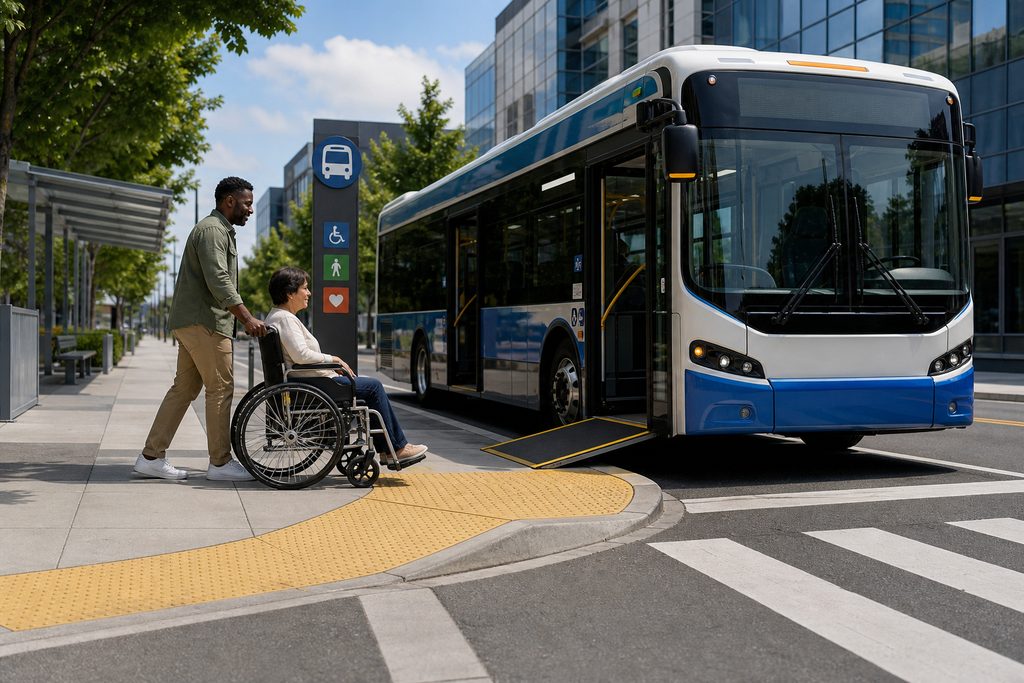
Have you ever landed in a foreign country after a 12-hour flight, exhausted and in pain, only to face a wall of unfamiliar signs and a taxi queue that snakes around the terminal? That moment is exactly when airport pickup for medical patients China stops being a luxury and becomes the first clinical decision of your trip. You need a plan before you board the plane.
Here is the short answer: yes, hospitals and independent coordinators can arrange airport transfers for international patients. A private driver from Beijing Capital Airport to a central hospital typically costs $60–120 one way. From Shanghai Pudong Airport to downtown hospitals, expect $70–140. The service exists, it is reliable when booked correctly, and it removes the single most stressful hour of your entire medical journey. But the details matter more than the price.
Airport Pickup for Medical Patients China: The Short Answer
You can absolutely arrange a driver to meet you at arrivals with a name sign, help with luggage, and take you directly to your hospital or hotel. The cost ranges from $60 to $200 depending on the city, distance, vehicle type, and whether you book through a hospital international department or an independent service. What makes this complicated is that not all “airport transfers” are equal. A standard hotel shuttle is not the same as a medical transfer with a bilingual coordinator who knows which hospital entrance to use.
Booking through a hospital’s international patient center sometimes costs more but includes coordination with your admission time. Independent services are cheaper and more flexible. We will break down exactly what each option includes below.
Who This Is Right For — and Who It Isn’t
Airport pickup services are not for everyone. Some patients genuinely do not need them. Knowing which group you fall into saves money and avoids paying for services you will not use.
Good candidates for a pre-arranged medical airport transfer:
- Patients arriving after a long-haul flight who are already fatigued or in pain
- Anyone traveling alone for surgery or a complex diagnostic workup
- First-time visitors to China who do not speak or read Mandarin
- Patients with mobility limitations, heavy medical records, or multiple bags
- Families with children or elderly companions
Who should skip it:
- Experienced travelers arriving in Shanghai or Beijing with only carry-on luggage
- Patients staying at international hotels that already include a reliable airport shuttle
- Anyone on a very tight budget who is comfortable using the metro or high-speed rail
- Patients arriving at smaller cities where the hospital is a 10-minute taxi ride away
If you land at Pudong at 6 a.m. and your first appointment is at 9 a.m., a pre-booked driver is not optional. It is the only way to guarantee you make that slot. But if you arrive two days before your consultation and your hotel is next to the hospital, take the metro and save the money.
The Options, Compared
There are four realistic ways to get from a Chinese airport to a hospital. Each has a different cost, reliability profile, and level of support. Here is how they stack up.
| Option | Typical Cost | Reliability | Language Support | Best For |
|---|---|---|---|---|
| Hospital international department transfer | $80–200 | High — coordinated with admission | Usually English-speaking driver or coordinator | Patients with confirmed admission times |
| Independent medical concierge service | $60–150 | High — booked in advance with flight tracking | Bilingual coordinator available by phone | Most international patients |
| Ride-hailing app (Didi, with airport pickup point) | $30–70 | Medium — depends on app setup and Chinese phone number | None unless you message in Chinese | Budget travelers who read some Chinese |
| Taxi queue at arrivals | $25–60 | Medium — official queues are safe but slow at peak hours | None; driver rarely speaks English | Only if you have the hospital address in Chinese characters |
The hospital transfer and concierge options cost more because they remove two failure points: language and navigation. A taxi driver in Shanghai may not know which of the 12 buildings at Huashan Hospital is the international wing. A pre-briefed driver does. That difference is worth the extra $40 when you are running on three hours of sleep.
How to Get From Shanghai Pudong Airport to Hospital
Shanghai Pudong is one of the largest airports in the world, and it sits about 30–45 kilometers from the city center. Getting from Pudong to hospitals like Zhongshan Hospital or Huashan Hospital takes 45–70 minutes by car depending on traffic. The metro is cheaper — Line 2 and the Maglev train connect the airport to central Shanghai — but both require transfers and walking with your luggage.
If your destination is a private international hospital such as Jiahui or United Family in the western districts, a car is almost mandatory. Public transit to those locations takes 90 minutes or more with multiple changes. For hospitals in Shanghai, we typically recommend budgeting $70–140 for a private transfer from Pudong, slightly less from Hongqiao Airport which is closer to the city.
Can Hospitals Arrange Airport Transfer for International Patients?
The honest answer is: sometimes, but not always proactively. Large public hospitals with dedicated international medical centers — such as Peking Union Medical College Hospital or West China Hospital — often have a patient services desk that can arrange pickup. But you typically have to ask. It is not automatically offered when you book a consultation.
Private international hospitals like United Family and Jiahui are more likely to include transfer coordination as part of their patient experience. The catch is that their transfer fees are often marked up compared to independent services. You pay for integration: the driver knows your name, your appointment time, and exactly which entrance to use.
Independent medical concierge services fill the gap for patients going to public hospitals that do not offer this. The driver is briefed on your flight number, your destination, and your language needs. That is the model we use most often for patients heading to Fudan-ranked public hospitals.
Private Driver From Beijing Airport to Hospital Cost
In Beijing, the two airports create different cost profiles. Beijing Capital International Airport (PEK) is about 25–30 kilometers from the central hospital district. A private driver from Capital Airport to Peking Union Medical College Hospital or Fuwai Hospital typically costs $60–100. Beijing Daxing International Airport (PKX) is farther out — 45–50 kilometers from the city center — so expect $80–140.
What drives the price up? Late-night arrivals, large vehicles for wheelchair access, and the need for an English-speaking driver rather than just a bilingual coordinator on the phone. What drives it down? Booking 48 hours in advance, traveling during off-peak hours, and choosing a standard sedan over a business van.
Insurance rarely covers airport transfers unless they are bundled into a medical evacuation policy. Most patients pay out of pocket. It is a small line item compared to the overall cost of surgery in China, but it is the first thing you pay for, so it sets the tone for the trip.
Best Way to Travel to China for Surgery: Arrival Logistics That Actually Matter
Flying to China for surgery is not just about booking a cheap ticket. The arrival plan matters as much as the departure plan. Here is what we tell every patient who asks about the best way to travel to China for surgery.
Book a flight that lands at least 48 hours before your first hospital appointment. Jet lag is real, and Chinese hospitals move fast. You do not want to go from a 14-hour flight straight into a blood draw and a consultation with a surgeon. Give yourself one full day to sleep, hydrate, and adjust.
Carry your medical records in your hand luggage, not checked baggage. If your bag is lost in transit, you still have the imaging and reports the hospital needs. This is non-negotiable.
Have the hospital address written in Chinese characters. Even with a pre-booked driver, having the address in Chinese on your phone or printed on paper removes the last possible point of failure. Your driver may know the English name, but the Chinese name is what matters at the gate.
Arrange a Chinese SIM card or eSIM before you land. You will need data for maps, translation apps, and contacting your coordinator. Airport Wi-Fi exists but is unreliable and often requires a Chinese phone number for SMS verification.
Medical Tourism Transport Services China: What They Actually Include
The term medical tourism transport services China covers a wide range of offerings, and not all of them are worth paying for. A genuine medical transport service should include more than a car and a driver. Here is what separates a real service from a glorified taxi booking.
Flight tracking. The service monitors your flight number and adjusts pickup time if you are delayed. This matters more than you think — a driver who shows up at the scheduled time and leaves when you are stuck in customs is worse than no driver at all.
Bilingual coordination. Someone who speaks English and Mandarin is available by phone or WeChat during your transfer. If the driver gets lost or the hospital gate is closed, you have a lifeline.
Hospital-specific briefing. The driver knows which entrance to use, where the international patient registration desk is, and how to get from the drop-off point to the right building. In a hospital complex with 15 buildings, this saves 30 minutes of confused walking.
Luggage and mobility assistance. The driver helps with bags and, if requested, can arrange a wheelchair at the airport. This is standard for elderly patients and anyone recovering from a previous procedure.
What a transport service should never promise is medical care during the transfer. A driver is not a nurse. If you need medical supervision en route — oxygen, monitoring, a paramedic — that is a different service entirely and costs significantly more. Be clear about what you are booking.
What It Costs
Airport transfer pricing in China is transparent if you know what to ask for. Here are the baseline figures for the two main gateway cities.
- Beijing Capital Airport (PEK) to central hospitals: $60–100 one way, sedan; $90–150 for a van or wheelchair-accessible vehicle
- Beijing Daxing Airport (PKX) to central hospitals: $80–140 one way, sedan; $120–180 for larger vehicles
- Shanghai Pudong Airport (PVG) to downtown hospitals: $70–140 one way, sedan; $100–170 for van
- Shanghai Hongqiao Airport (SHA) to downtown hospitals: $40–80 one way, sedan; $60–110 for van
Round-trip airport transfer booked as a pair typically costs $200 total for Beijing or Shanghai, which matches the standard pricing we see across patient coordination services. What is not included: tolls (usually $3–8), parking at the airport (if the driver waits more than 30 minutes), and any stops beyond the direct route. If you want to stop at a pharmacy or a bank on the way, agree on that in advance to avoid a surprise charge.
Practical Considerations: Visas, Payment, and What to Have Ready
Before you even think about the pickup, you need the visa sorted. For medical treatment in China, the applicable short-stay category is the S2 visa, with the purpose of medical treatment noted on the application. Family members accompanying you apply for S2 as well. The hospital will provide an invitation letter or treatment confirmation document that you submit with your application. Processing times vary by consulate, so start this at least 4–6 weeks before your planned travel date.
Payment for airport transfers is usually handled in advance via bank transfer, credit card, or platform payment. Some drivers accept cash in RMB, but do not count on it. Have the transfer paid before you land so there is no negotiation at the arrivals gate.
Language is the single biggest friction point. Even if your driver speaks basic English, the hospital staff at the gate may not. A bilingual medical companion for your first day — from airport to hospital registration — costs from $300 per day and is the most effective way to compress a stressful first day into a manageable one. You can read more about how that works on our patient support services page.
After your treatment, the reverse trip matters too. Discharge days are unpredictable. Your doctor may clear you at 10 a.m. or 4 p.m. Book the return transfer with a flexible window, not a fixed time. Most services will hold the booking for a 4-hour window at no extra charge if you communicate early.
Frequently Asked Questions
No. Most public hospitals do not proactively offer airport transfers. You have to ask the international patient center directly, and even then, availability varies. Private international hospitals are more likely to arrange it, but often at a markup. If your hospital does not offer it, an independent medical concierge service can fill the gap.
Plan on $60–140 one way depending on the airport and vehicle type. Beijing Daxing is the most expensive because it is farthest from the city center. Shanghai Hongqiao is the cheapest because it is closest. Round-trip bookings usually come with a small discount. Always confirm whether tolls and waiting time are included.
A properly booked service tracks your flight and adjusts automatically. If you booked a fixed-time taxi, you may lose the fare. This is why flight tracking is the single most important feature to confirm before you pay. Ask the service directly: “Do you track my flight number and adjust pickup time if I am delayed?” If the answer is vague, book elsewhere.
Yes, official taxi queues at Chinese airports are safe and regulated. The risk is not safety — it is communication. If you cannot show the driver the hospital address in Chinese characters, you may end up at the wrong building or the wrong campus. Many major hospitals have multiple locations across the city. A pre-booked driver removes that risk.
Yes, Didi has an English interface and accepts international credit cards. The challenge is that airport pickup points for ride-hailing are in designated zones that can be hard to find, and communicating with the driver mid-ride requires Chinese. It works, but it is not the smoothest option for a first-time medical traveler who is already stressed.
Your Next Step
Arriving in China for medical treatment does not have to start with confusion at the arrivals gate. The right airport pickup removes the first layer of stress and gets you to your consultation on time, rested, and with your records intact. That is the whole point of planning it before you fly.
Our team at China Medical Services coordinates airport transfers, bilingual medical companions, and hospital appointment logistics for international patients across 37 cities. We are not a hospital and we do not provide medical advice or diagnoses. What we do is handle the ground logistics so you can focus on your treatment. If you are planning a trip and want to talk through your arrival plan, request a free consultation and we will walk you through the options. No pressure, just a clear path from the airport to your doctor.
For more medical information and treatment options in China, visit chinamedservices.com (China Medical Services).
