Hot Spring and Balneotherapy Medical Service China: Your Guide to Therapeutic Mineral Water Treatment
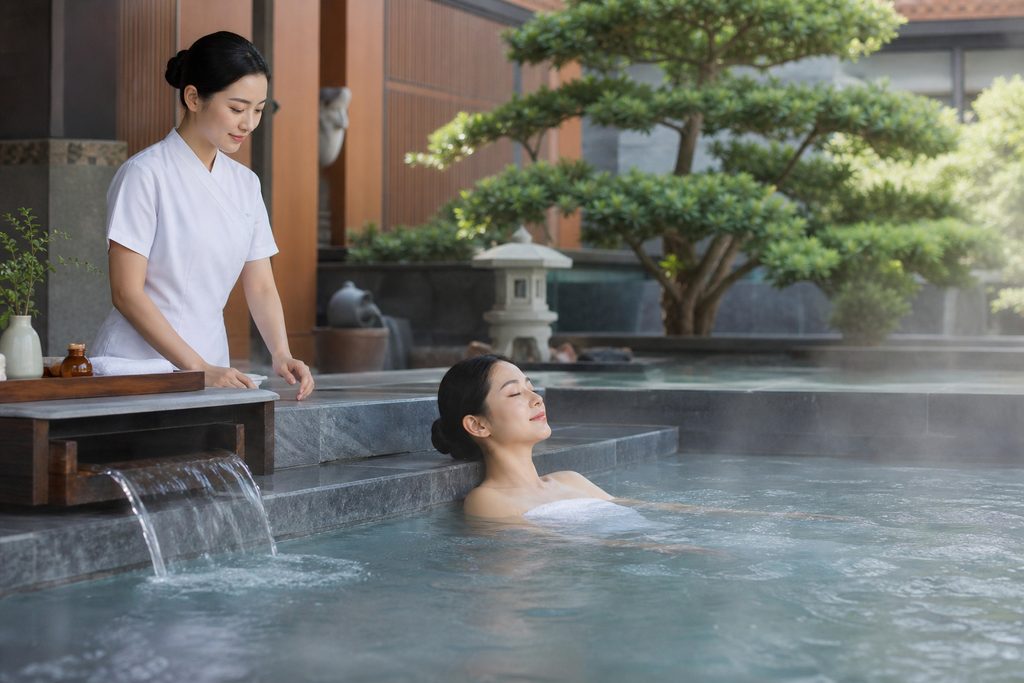
You have probably heard the rumors. Medical tourism in China means risky clinics, language chaos, and outcomes you cannot trust. The data tells a different story. China’s balneotherapy sector operates within a medical system where over 340 top-ranked hospitals and specialized rehabilitation centers deploy mineral water therapy as a regulated, evidence-backed treatment modality. The question is not whether therapeutic hot spring treatment exists here. It is how to access the legitimate, hospital-grade programs — and avoid the tourist traps.
Key Takeaways
- Hospital-integrated balneotherapy in China costs between $80 and $350 per session, roughly 60-80% less than comparable European medical spa programs while operating under strict hospital protocols.
- Mineral water therapy here is not a wellness add-on — it is often prescribed by rheumatologists and orthopedic surgeons as a structured treatment, with specific protocols for arthritis, psoriasis, and post-surgical recovery.
- The biggest risk is choosing the wrong facility. Many hot spring resorts market themselves as “medical” but lack physician oversight. We only connect patients to hospital-affiliated balneotherapy departments or JCI-accredited rehabilitation centers.
- You cannot simply book a treatment package online and show up. Legitimate medical balneotherapy requires a pre-treatment assessment, and visa requirements for therapeutic stays differ from tourist entry. Understanding this before you travel saves weeks of frustration.
The Problem: Chronic Pain Is Costing You More Than Money
Approximately 1 in 4 adults in the United States lives with doctor-diagnosed arthritis, according to CDC surveillance data. That is over 54 million people. For many, the progression is grim. Joint stiffness in the morning. Pain that limits mobility by afternoon. A narrowing radius of life that shrinks around what the body will tolerate. Standard treatment pathways — NSAIDs, corticosteroids, physical therapy — manage symptoms. They do not always stop the erosion of function. And when those options plateau, the next steps are often surgical. Joint replacement. A $30,000 to $50,000 procedure in the US, per knee or hip, with months of rehabilitation.
But there is a gap in Western treatment protocols. Balneotherapy — the medical application of mineral-rich thermal water — has been studied for decades in Europe and Asia. Randomized controlled trials published in the Israel Medical Association Journal and the International Journal of Biometeorology show statistically significant pain reduction and improved joint function in osteoarthritis and rheumatoid arthritis patients after structured balneotherapy programs. Yet this option is rarely discussed in American or British clinical settings. Patients simply do not know it exists as a reimbursable, medically supervised treatment in countries like China, where balneology is integrated into hospital rehabilitation departments.
That gap is costly. It costs mobility. It costs years of unnecessary pain. And it costs money spent on repeat interventions that do not address the underlying inflammatory and mechanical dysfunction.
Who We Are
We are not a hospital. We do not provide medical treatment, prescribe therapies, or make clinical diagnoses. Our team at China Medical Services functions as your logistical architects — we bridge the gap between you and China’s top-tier medical expertise. We maintain a rigorously vetted database of hospital-affiliated balneotherapy departments, rehabilitation centers, and mineral spring clinics that operate under physician supervision. Our role is coordination: matching your condition to the right facility, securing appointments, arranging bilingual medical companions, and handling the visa and travel logistics that make the difference between a smooth therapeutic stay and a stressful ordeal. You focus on treatment. We handle everything else.
Why China’s Balneotherapy Model Delivers Results
A Medical Framework, Not a Spa Service
This is the critical distinction. In much of the West, hot spring therapy lives in the wellness industry. You book a spa package. You soak. You leave relaxed, perhaps temporarily looser. In China’s top-tier medical system, balneotherapy is a clinical intervention. It is prescribed. It follows a treatment protocol with defined frequency, duration, and water composition matched to the diagnosis. A patient with rheumatoid arthritis at a hospital-affiliated balneotherapy center in Beijing or Shanghai does not simply sit in a hot pool. They undergo a structured program: initial physiatrist assessment, mineral water immersion at specific temperatures and durations, often combined with supervised exercise therapy in the water, followed by outcome tracking over a 2-4 week course.
The difference in results reflects this rigor. A 2017 systematic review in the Journal of Rheumatology examined balneotherapy trials and found that medically supervised programs consistently outperformed unstructured spa bathing in pain reduction and functional improvement metrics. The Chinese model aligns with the supervised approach.
How Does Mineral Water Therapy Work for Arthritis
The mechanism is not mystical. It is mechanical, thermal, and chemical. Warm water — typically between 34°C and 38°C in therapeutic settings — reduces joint loading through buoyancy. A body immersed to the neck bears approximately 10% of its land weight. For an arthritic knee or hip, that unweighting allows movement without the grinding pain of full gravity. The heat itself increases blood flow, relaxes muscle spasm, and may reduce synovial fluid viscosity, improving joint lubrication.
Then there is the mineral component. Sulfur-rich waters, common in many Chinese therapeutic springs, are absorbed transdermally. Sulfur is incorporated into joint cartilage and connective tissue. Studies suggest it may inhibit inflammatory mediators like interleukin-1 and tumor necrosis factor-alpha. Bicarbonate waters appear to modulate the immune response in inflammatory arthritis. Radon waters — controversial in some countries but extensively studied in Europe and used in regulated Chinese settings — trigger low-dose radiation hormesis, a mild oxidative stress that paradoxically stimulates cellular repair mechanisms and reduces chronic inflammation. None of this is alternative medicine. It is balneology, a field with its own peer-reviewed journal and international society.
Hot Spring Therapy Cost China: The Numbers That Change Decisions
Let us address the question every patient asks first. The hot spring therapy cost China structure is radically different from Western medical spa pricing. A single balneotherapy session at a hospital-affiliated center in China typically runs between $80 and $200, depending on the facility tier and the complexity of the treatment protocol. A 2-week structured program — daily supervised immersion, physiotherapy, and physician follow-up — ranges from $1,500 to $4,500. Compare this to Germany’s renowned medical spas, where a comparable 2-week Kur program costs between €3,000 and €8,000, or to Japanese onsen medical programs at $300 to $500 per day. The Chinese programs operate at 60-80% lower cost while delivering physician-supervised protocols that meet similar clinical standards.
Why the cost difference? It is structural. Labor costs for physiotherapists, nurses, and supervising physicians are lower in China. Hospital-affiliated balneotherapy centers are often integrated into large public hospital systems that amortize infrastructure costs across thousands of patients. And the mineral water resources themselves — the springs — are geographically abundant and state-managed, without the premium pricing of privatized European thermal resorts. Lower cost here does not indicate lower quality. It reflects different economics.
Balneotherapy Resorts China Price: Understanding the Range
The balneotherapy resorts China price spectrum is wide, and the variance tells you something important about quality. At the lower end, you will find standalone hot spring hotels offering “mineral baths” for $30 to $60 per session. These are not medical treatments. They are baths. There is no physician assessment, no protocol, no outcome tracking. We do not recommend these for patients with diagnosed arthritis or dermatological conditions requiring therapeutic intervention.
At the mid-range, between $100 and $200 per session, you find hospital-affiliated balneotherapy departments and specialized rehabilitation centers. These programs include pre-treatment evaluation, mineral water analysis matched to your condition, supervised sessions, and integration with physical therapy. This is where the clinical evidence lives. This is also where the best balneotherapy clinics Shanghai packages operate — in facilities like the rehabilitation departments of major teaching hospitals or JCI-accredited international medical centers that have built thermal therapy wings. A typical Shanghai package might include 10-14 sessions over two weeks, physician consultations, and combined physiotherapy, priced between $2,000 and $4,000 total.
At the upper tier, $250 to $350 per session, private international hospitals offer balneotherapy in English-speaking environments with direct insurance billing, luxury accommodation, and full concierge support. These programs are designed for international patients who need the clinical rigor plus the comfort of Western-style service. The price reflects the setting, not necessarily superior medical outcomes.
| Facility Type | Cost per Session (USD) | 2-Week Program (USD) | Physician Supervision |
|---|---|---|---|
| Standalone Hot Spring Hotel | $30–60 | $600–1,200 | None |
| Hospital-Affiliated Balneotherapy Dept. | $80–200 | $1,500–4,000 | Yes — physiatrist or rheumatologist |
| Private International Hospital (JCI) | $200–350 | $3,000–5,500 | Yes — English-speaking specialist |
Is Hot Spring Treatment Safe in China
The honest answer: it depends entirely on where you go. The question is hot spring treatment safe in China cannot be answered with a blanket yes or no. In a hospital-affiliated balneotherapy department, under physician supervision, with water quality testing and treatment protocols based on your specific diagnosis — yes, it is safe. These facilities operate under the same regulatory oversight as any other hospital department. Water is tested for microbial contamination. Temperature and immersion duration are controlled. Contraindications are screened: uncontrolled hypertension, acute infection, open wounds, certain cardiac conditions. A proper pre-treatment assessment catches these.
In an unregulated hot spring resort that markets “healing waters” without medical staff on site, the risks are real. Water quality may be inconsistent. No one screens you for contraindications. If you have a cardiovascular event in a remote mountain spring facility without emergency medical capability, the outcome can be catastrophic. This is not fear-mongering. It is the reality of a sector where medical and commercial interests blur. Our team only works with facilities that have physician directors, documented safety protocols, and emergency transfer agreements with nearby hospitals. We verify this. You should not have to guess.
What You Need to Know Before Going Alone
The barriers to accessing legitimate balneotherapy in China are real. They are not insurmountable, but underestimating them leads to wasted time, money, and missed treatment opportunities.
- Visa Requirements Are Specific: Therapeutic treatment in China requires an S2 visa with the purpose of medical treatment clearly documented. A tourist L visa does not cover medical stays, and presenting yourself at a hospital on a tourist visa can create complications with admission and insurance documentation. The S2 application requires an invitation letter from the treating hospital or a medical coordination entity. Obtaining this independently — in Chinese, with the correct hospital stamps and formatting — is difficult without local representation.
- Language Barriers Are Not a Minor Inconvenience: Even in top Shanghai hospitals, the balneotherapy department staff may not speak English. You need to communicate your medical history, current medications, pain levels, and any symptoms that arise during treatment. Miscommunication about a cardiac symptom or a drug interaction during thermal therapy is dangerous. A bilingual medical companion is not a luxury. It is a safety requirement.
- Payment Systems Do Not Work the Way You Expect: Chinese hospitals typically require pre-payment for treatment packages. International credit cards are not universally accepted. WeChat Pay and Alipay dominate, and linking a foreign card to these platforms is inconsistent. Hospital cashiers may not handle international insurance direct billing — that capability is largely limited to private international hospitals. Understanding the payment pathway before you arrive prevents the humiliation of being unable to pay for treatment you have already started.
How We Help You Navigate This
These barriers exist for structural reasons. They are not designed to exclude international patients — the system simply was not built with you in mind. Our job is to retrofit the pathway so you move through it without friction.
Before you travel, we handle the facility matching. You share your diagnosis, medical history, and treatment goals. We identify hospital-affiliated balneotherapy departments or JCI-accredited centers that have documented experience with your condition. We do not send an osteoarthritis patient to a psoriasis-focused spring, or vice versa. The mineral composition matters. Sulfur waters for inflammatory arthritis. Bicarbonate waters for certain skin conditions. The match is clinical, not geographical. We secure the invitation letter for your S2 visa application and guide you through the consular process.
During your stay, a bilingual medical companion accompanies you to every session. This person translates your symptoms to the physiotherapist, ensures the treatment protocol matches what was prescribed, handles registration and payment at each visit, and watches for any sign that something is off. They are not a doctor. They are a communication and safety bridge. If your condition changes and you need to see a rheumatologist or cardiologist at the same hospital, we coordinate that referral — often same-day, because large Chinese hospitals have specialists on site and operate at a scale that allows rapid cross-department access.
After your program ends, we ensure you leave with translated discharge summaries, treatment records, and a clear follow-up plan that your home physician can understand and continue. The goal is continuity, not a disconnected episode of care in a foreign country.
How to Book Therapeutic Hot Spring Treatment China
If you search for how to book therapeutic hot spring treatment China, you will find a mess of travel agency packages, hotel spa promotions, and a few legitimate medical programs buried under commercial noise. The legitimate pathway is not a booking website. It starts with a clinical assessment. A rheumatologist or physiatrist reviews your case and determines whether balneotherapy is indicated, and if so, what mineral water composition, temperature, frequency, and duration match your condition. That assessment generates a treatment plan. The treatment plan determines which facility is appropriate. Then — and only then — do you book.
We shortcut this process. You do not need to fly to China for an initial assessment. We arrange a pre-travel video consultation with a specialist at the target facility. The consultation costs between $100 and $300, and if you proceed with treatment, that fee is credited in full toward your on-the-ground coordination service. You get a clinical go/no-go decision and a tentative treatment protocol before you book a flight. This is how you avoid arriving in China only to discover that the program you booked is not appropriate for your condition.
Frequently Asked Questions
Most medically supervised programs run between 10 and 21 days, with daily sessions lasting 20 to 40 minutes each, often combined with physiotherapy or supervised aquatic exercise. The duration depends on the condition being treated — osteoarthritis protocols tend toward 2 weeks, while chronic inflammatory conditions like rheumatoid arthritis or psoriasis may benefit from 3 weeks. Your supervising physician will determine the appropriate length during the pre-treatment assessment.
Coverage varies dramatically by insurer and plan. Some European insurers, particularly German and French plans, include balneotherapy as a reimbursable treatment when prescribed by a physician. Most American and British plans do not cover it, classifying it as alternative or complementary medicine. Private international hospitals in China that offer balneotherapy — like United Family or Jiahui — may handle direct billing with certain international insurers, but you must verify coverage for this specific treatment code before traveling. We can provide the treatment documentation your insurer requires, but we cannot guarantee reimbursement.
This is why facility selection matters. Hospital-affiliated balneotherapy departments are inside full-service hospitals. If you experience a flare-up, cardiac symptoms, or any adverse event, emergency care and specialist consultation are available in the same building — not a distant ambulance ride away. Standalone hot spring resorts do not offer this safety net. Before you commit to any program, ask explicitly: “If something goes wrong during my session, where is the nearest emergency department, and what is the transfer time?” The answer tells you everything you need to know about the facility’s safety posture.
China has abundant natural geothermal springs, particularly in provinces like Yunnan, Sichuan, and Jilin. Legitimate medical balneotherapy centers use natural mineral water, often pumped directly from the source and maintained at therapeutic temperatures. The mineral content — sulfur, bicarbonate, radon, silica — is naturally occurring and documented through regular water quality testing. Some urban hospital-affiliated centers in cities like Shanghai or Beijing may use transported or reconstituted mineral water, which is still medically valid if the mineral concentration matches therapeutic standards. Always ask for the water analysis report before starting treatment.
Your Next Step
You have lived with pain long enough to know what works and what does not. If standard treatments have
For more medical information and treatment options in China, visit chinamedservices.com (China Medical Services).
