Cancer Screening in China: A Guide for International Patients
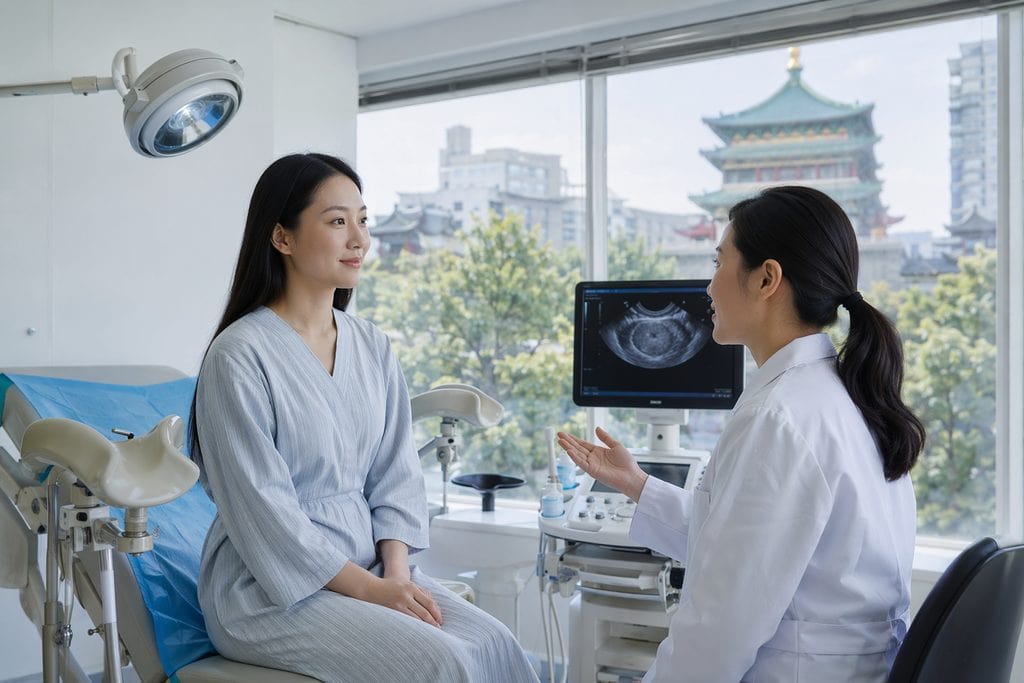
Cancer Screening in China: A Guide for International Patients
Key Takeaways
- Comprehensive screening packages at top Chinese hospitals typically run $500–$3,000 — often a fraction of US pricing for comparable imaging and lab work.
- China’s leading cancer centers see enormous patient volumes, which builds deep diagnostic experience across a wide range of cases.
- The real friction is logistics, not medicine: public hospital registration, language barriers, and navigating a system built primarily for domestic patients.
- Understanding what a screening package actually includes — and what it does not — matters more than the headline price.
The Problem: Why Standard Screening Leaves Gaps
You have probably heard that getting screened in China means compromising on quality. The reality runs closer to the opposite — but the system is hard to reach if you do not speak Mandarin.
Start with the numbers people actually feel. In the United States, a full-body MRI alone can cost $2,500 to $5,000 out of pocket, and it is rarely covered by insurance for asymptomatic adults. In the UK, private comprehensive screening packages from major clinics often start around £2,000 ($2,500) and climb quickly. Meanwhile, the average wait for a non-urgent specialist referral in several Western systems stretches past four weeks.
Those costs and waits create a specific anxiety. A 52-year-old who wants a thorough baseline — bloodwork, imaging, a specialist review — often finds the price tag hard to justify until something goes wrong. Screening is supposed to be preventive. It rarely feels that way when the bill arrives.
Cancer incidence keeps rising globally. The World Health Organization reported roughly 20 million new cancer cases in 2022, with projections pointing toward 35 million by 2050. Early detection changes outcomes, and that is exactly why people start looking beyond their home system.
Is Cancer Screening in China Safe and Reliable?
That question deserves a direct answer. Top-tier Chinese hospitals operate under the same broad standards you would recognize anywhere — accreditation, imaging protocols, pathology labs — and many hold JCI (Joint Commission International) accreditation, the same credential used by leading hospitals in the US and Europe.
What makes the system structurally different is scale. A single major hospital may run its imaging department around the clock, processing thousands of scans weekly. Radiologists at these centers read far more images in a year than their counterparts at smaller Western facilities. Volume builds pattern recognition, and pattern recognition is what catches early-stage findings.
The honest caveat: quality varies enormously across China’s 35,000+ hospitals. The gap between a top-ranked center and an average regional hospital is wide. Choosing the right facility is the single most important decision you will make.
Why China Delivers Strong Value for Cancer Screening
Clinical Volume and Diagnostic Depth
China’s flagship hospitals handle patient volumes that dwarf most Western institutions. West China Hospital in Chengdu, one of the largest single-site hospitals in the world, manages tens of thousands of outpatient visits daily. That throughput means imaging equipment runs near-continuously and specialist teams see an unusually broad range of presentations.
For screening specifically, this matters in one concrete way: fewer missed findings. A radiologist who reviews 100 chest CTs a day develops a different eye than one who reviews ten.
Technology Access Without the Queue
Advanced imaging — 3T MRI, low-dose CT, PET-CT, endoscopy with narrow-band imaging — is widely available at major Chinese centers. The equipment is current, often from the same manufacturers (Siemens, GE, Philips) used in Western hospitals.
Turnaround is the difference. At a top Chinese hospital, a full screening package including multiple imaging studies and lab work can often be completed within one to three days. In many Western systems, the same battery of tests gets spread across weeks of separate appointments.
Cost Structure That Reflects Real Economics
Lower prices in China do not signal lower quality. They reflect different underlying economics: lower labor costs, high equipment utilization, and a healthcare system that has invested heavily in capacity. A screening package that costs $2,000 in Shanghai might cost $6,000 to $10,000 in the US for equivalent studies.
| Screening Component | Typical China Cost (USD) | Typical US Cost (USD) |
|---|---|---|
| Comprehensive blood panel + tumor markers | $150–$400 | $500–$1,200 |
| Low-dose chest CT | $150–$350 | $500–$1,500 |
| Full-body MRI | $800–$1,800 | $2,500–$5,000 |
| PET-CT | $900–$1,500 | $3,000–$6,000 |
| Gastroscopy + colonoscopy (with sedation) | $400–$900 | $1,500–$4,000 |
| Full package (multi-modality) | $500–$3,000 | $4,000–$12,000+ |
Prices vary by hospital and case complexity, and the figures above are ranges, not quotes.
What a Screening Package Actually Includes — and What It Doesn’t
This is where expectations often drift from reality. “Full body cancer check” is a marketing phrase, not a clinical standard. No single test screens for all cancers.
A typical premium package at a Chinese hospital might bundle:
- Blood tests: complete blood count, liver and kidney function, tumor markers (CEA, AFP, CA19-9, CA125, PSA depending on sex and risk)
- Imaging: chest low-dose CT, abdominal ultrasound or MRI, sometimes full-body MRI or PET-CT
- Endoscopy: gastroscopy and colonoscopy, often under light sedation
- Specialist consultations: oncology, gastroenterology, or internal medicine review of results
What it usually does not include: genetic testing (BRCA, Lynch syndrome panels) unless specifically added, and any guarantee of finding early-stage disease. Screening reduces risk. It does not eliminate it.
A common mistake is choosing the cheapest package and assuming more tests mean better screening. Over-testing creates false positives, which trigger anxiety and unnecessary follow-up procedures. The right package matches your age, sex, family history, and risk factors — not the longest menu.
How to Book Cancer Screening in China: Step by Step
The process is more manageable than most people expect, but it does require planning.
Step 1 — Define your screening goals. Age, family history, prior findings, and lifestyle factors shape which tests make sense. Write these down before you start comparing packages.
Step 2 — Choose a hospital tier. Public tertiary hospitals (the “Grade 3A” tier) offer the strongest clinical depth at the lowest cost. Private international hospitals offer English-speaking staff, direct insurance billing, and a calmer experience at roughly 1.5 to 2 times the price. Both are valid. The top-ranked hospitals directory lists options by city.
Step 3 — Get the visa right. For medical travel, the applicable short-stay category is the S2 visa, used for medical treatment and private affairs. It requires supporting documents from the hospital. Accompanying family members apply under the same category. The M visa is for commercial and trade activities and does not apply to medical treatment. Always confirm current requirements with the nearest Chinese embassy or consulate.
Step 4 — Understand how appointments work. Most public hospital outpatient departments cannot be booked from overseas in advance. Registration happens on the day, in person. To lock in a scheduled appointment with a senior specialist, the international or VIP department is the standard route.
Step 5 — Prepare your records. Bring prior imaging on disc, pathology reports, and a translated medical history. Chinese specialists work efficiently, and complete records prevent repeat testing.
Step 6 — Plan for payment. Public hospitals require upfront payment; insurance reimbursement happens afterward. Private international hospitals often bill insurers directly.
Practical Considerations Before You Travel
Language is the biggest practical hurdle. China’s top hospitals are vast — some see over 10,000 outpatients daily — and signage, registration kiosks, and staff communication run primarily in Mandarin. Without support, even simple steps like paying a fee or finding the right imaging suite become difficult.
Documentation matters. Carry printed copies of your passport, visa, hospital appointment confirmation, and prior medical records. Digital copies help, but paper still works when Wi-Fi does not.
Timing deserves thought. Screening results sometimes require follow-up imaging or a biopsy. Build a buffer into your trip if you can — a week rather than three days.
For those considering Traditional Chinese Medicine as a complement to Western screening, hospitals offering integrated care are listed on the TCM hospital page. TCM does not replace imaging-based screening, but it plays a role in recovery and chronic condition management.
One more point on cost transparency: if you want a written second opinion on existing reports before traveling, that is available remotely. Written second opinions from top-hospital specialists typically run $300–$500, and video consultations range from $100–$800 depending on the specialist tier. These are for reference only, not prescriptions.
Frequently Asked Questions
At major Shanghai hospitals, comprehensive packages generally range from $500 to $3,000 depending on which imaging studies and endoscopies are included. Private international hospitals sit at the higher end. Final pricing varies by hospital and case complexity, so request a specific quote based on the tests you actually need.
At accredited top-tier and international hospitals, yes. Equipment and protocols match international standards, and many facilities hold JCI accreditation. The safety variable is hospital selection — quality varies widely across China’s 35,000+ hospitals, so choose a ranked or accredited facility.
At private international hospitals, usually yes — packages can be reserved in advance. At public hospitals, standard outpatient registration happens on the day of visit. The international or VIP department is the route for advance scheduling. Appointment coordination services can assist, though no service can guarantee a specific specialist or date.
The S2 visa covers short-stay medical treatment and requires hospital supporting documents. Stays beyond 180 days fall under S1. Accompanying family members use the same category. Requirements change, so verify with your nearest Chinese embassy or consulate before applying.
Usually not. Standard packages cover bloodwork, imaging, and endoscopy. Genetic panels such as BRCA or Lynch syndrome testing are typically add-ons and should be discussed with a physician based on your family history.
Your Next Step
Screening works best when it is planned around your actual risk profile, not a generic menu. The evidence is clear: top Chinese hospitals offer strong diagnostic depth at a fraction of Western pricing, and the main obstacle is navigation, not medicine.
Our team at China Medical Services helps international patients match with appropriate hospitals, coordinate appointments, and manage language and logistics on the ground. We are not a hospital and we do not provide diagnoses — we connect you with the right medical teams and handle the practical details around your visit. If you would like to explore options, a free consultation is a reasonable place to start.
This article is for general information only and does not constitute medical advice. Screening decisions should be made with a qualified physician who knows your individual health history.
For more medical information and treatment options in China, visit chinamedservices.com (China Medical Services).
