Lazy Eye Treatment in China: Costs, Top Hospitals & Safety Guide
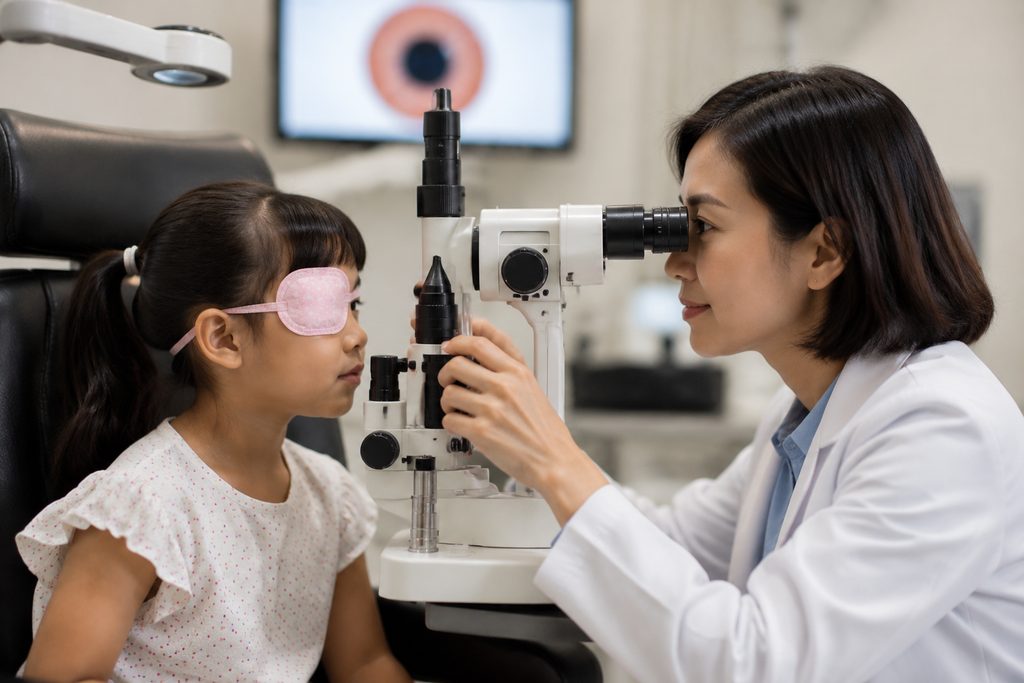
Lazy Eye Treatment in China: Costs, Top Hospitals & Safety Guide
You’ve probably heard that going abroad for medical care means gambling on quality. For amblyopia, the opposite is often true. The lazy eye treatment cost in China at a top-tier public hospital typically lands between $800 and $4,000 for a full treatment course — versus $5,000 to $15,000 in the United States — and several Chinese eye centers handle more pediatric strabismus and amblyopia cases in a year than most Western clinics see in a decade.
That gap deserves scrutiny, not blind trust. So let’s look at what actually drives the price, which hospitals carry real weight in this specialty, and where the honest limitations sit.
Lazy Eye Treatment in China: The Short Answer
A complete amblyopia program in China — comprehensive eye exam, optical correction, patching or atropine therapy, and follow-up monitoring — usually costs $800 to $4,000 depending on hospital tier and case complexity. Surgery, when needed for underlying strabismus, adds roughly $2,000 to $6,000.
Here’s the complication. Amblyopia is not a one-visit problem. It is a months-long process of correction, occlusion therapy, and re-assessment. Any clinic promising a quick fix is not treating amblyopia — it is treating a symptom and hoping you don’t notice.
Who This Is Right For — and Who It Isn’t
Amblyopia responds best before the visual system finishes developing. That window shapes everything about candidacy.
Typically a good fit:
- Children aged 3–12 with diagnosed amblyopia, especially those facing long public waitlists at home
- Adults with residual amblyopia seeking a second opinion or vision-rehabilitation options
- Patients needing strabismus surgery alongside occlusion therapy
- Families combining treatment with a longer stay in China for cost or scheduling reasons
Probably not the right path:
- Anyone with untreated retinal or optic-nerve disease — amblyopia therapy won’t touch it
- Patients expecting guaranteed visual improvement; outcomes vary by age, compliance, and cause
- Families who cannot commit to months of follow-up, whether in China or at home
- Cases where a local specialist already offers equivalent care without travel
Being honest about that last point matters. If your home hospital can see your child in three weeks, the case for flying to Beijing weakens considerably.
The Options, Compared
Cost is only one column. Compare the full picture before deciding.
| Option | Typical Cost (USD) | Wait Time | Follow-Up Reality |
|---|---|---|---|
| China — top public eye hospital | $800–$4,000 | Days to 2 weeks (via international department) | Requires return visits; some can be done locally |
| China — private international hospital | $3,000–$9,000 | Often within days | English-speaking staff, easier scheduling |
| United States | $5,000–$15,000 | Weeks to months | Insurance-dependent |
| United Kingdom (private) | £3,000–£8,000 | Varies widely | NHS alternatives have long waits |
Which column fits you? If English-language continuity and speed matter most, private international hospitals win. If you want access to high-volume subspecialty expertise at lower cost and can handle some logistical friction, the top public eye centers are the stronger play.
Finding the Best Eye Hospital in China for Amblyopia
Amblyopia sits at the intersection of pediatric ophthalmology and strabismus surgery. Not every strong eye hospital excels at both.
China’s Fudan University hospital rankings evaluate specialties individually, and ophthalmology is one of the most competitive. Several hospitals consistently rank in the national top tier for eye care, including major centers in Beijing, Shanghai, and Guangzhou. Rather than chase a single “best” name, match the hospital to your specific need — pediatric amblyopia, adult strabismus, or complex neuro-ophthalmology cases all point to different departments.
Our hospital database covers 340+ top-ranked hospitals across 37 cities, filtered by specialty ranking. You can browse ophthalmology departments directly through our specialty rankings page or explore options city by city, starting with Beijing and Shanghai, where the densest concentration of top-tier eye centers sits.
One practical reality: public hospital general outpatient slots cannot be reserved from overseas in advance. You queue on the day. To lock in a specialist appointment ahead of travel, you go through the hospital’s international or VIP department. Expect to pay roughly 1.5 to 2 times the standard fee for that access. It is not a bribe or a back door — it is a published service tier, and it is the only reliable way to secure a specific surgeon’s calendar before you fly.
Is Lazy Eye Treatment in China Safe?
This is the question that keeps parents up at night, and it deserves a straight answer.
China’s top-tier public hospitals operate under national accreditation standards, and many private international hospitals carry JCI certification — the same benchmark used in the US and Europe. Surgical volumes at major centers are enormous, which correlates with experienced hands. Fuwai Hospital, for instance, performs over 14,000 cardiac surgeries a year; the same volume logic applies across high-ranking specialties, including ophthalmology.
But safety is not only about the operating room. It is about informed consent in a language you understand, sterile protocols you can verify, and a clear plan for what happens if a complication arises after you return home.
Language is the quiet risk factor. A top hospital with a brilliant surgeon and no English-speaking staff is a difficult environment for a frightened child and an exhausted parent. This is precisely where a bilingual medical companion changes the experience — not by influencing medical decisions, but by making sure you understand them.
How Long Does Amblyopia Treatment Take in China?
There is no single answer, because amblyopia treatment is a marathon dressed as a sprint.
Week 1: Comprehensive assessment — refraction, visual acuity testing, possibly OCT or MRI if underlying pathology is suspected. This usually takes one to three days.
Weeks 2–4: Optical correction prescribed and fitted. If glasses alone improve vision, this may be the entire intervention for mild cases.
Months 2–6: Occlusion therapy (patching) or atropine drops, with periodic re-assessment. Compliance drives results more than any surgical choice.
If surgery is needed: Strabismus correction is typically scheduled after the initial assessment confirms it is appropriate. Recovery is usually 1–2 weeks, with vision stabilization over several months.
Most families can complete the diagnostic and initial treatment phase within two to three weeks in China, then continue monitoring locally with records we help translate.
Practical Considerations: Records, Visas, and Payment
Documentation comes first. Gather prior eye exams, prescriptions, imaging, and any previous treatment notes. Chinese specialists review these before you arrive, which shortens the on-site assessment phase considerably.
For visas, medical travel to China uses the S2 visa, annotated for medical treatment purposes. Stays exceeding 180 days require the S1 category. Accompanying family members apply under S2 as well. Requirements shift, so confirm current rules with the nearest Chinese embassy or consulate and secure your hospital’s supporting documents before applying. Approval is never guaranteed, and no service can promise it.
Payment at public hospitals is upfront; insurance reimbursement happens afterward. Private international hospitals frequently offer direct billing with international insurers. Bring a payment method that works — international credit cards are accepted at most major hospitals, but smaller institutions may prefer bank transfer.
If you are weighing whether to book lazy eye treatment in Shanghai or another city, our team can walk through hospital options and realistic timelines before you commit to anything.
Frequently Asked Questions
Expect $800 to $4,000 for a full non-surgical program at a top public hospital, and $3,000 to $9,000 at a private international facility. Final pricing varies by hospital and case complexity, and it excludes travel, accommodation, and follow-up visits abroad.
Partially. Written second opinions and video consultations can be arranged before travel, and international departments can sometimes pre-schedule consultations. But surgery itself requires an in-person examination first — no reputable hospital will operate on records alone.
Outcomes in amblyopia are not guaranteed, particularly in older children and adults. Before traveling, ask your Chinese specialist for a written follow-up plan and translated records so your home doctor can continue care. If a complication arises, contact the treating hospital’s international department immediately; most maintain post-treatment communication channels.
Your Next Step
The core message is simple: China offers genuine, high-volume expertise in amblyopia care at a fraction of Western costs, but the value depends entirely on choosing the right hospital and understanding the follow-up commitment before you book a flight.
We are China Medical Services — a coordination team, not a hospital. We do not diagnose, treat, or promise outcomes. We connect international patients with the right departments, handle scheduling and language barriers, and help you make an informed decision. If you’d like to explore whether treatment in China fits your situation, start with a free consultation through our patient services page or browse our ranked hospital directory to see what’s available.
This article is for general information only and does not constitute medical advice. Always consult a qualified ophthalmologist about diagnosis and treatment.
For more medical information and treatment options in China, visit chinamedservices.com (China Medical Services).
