Diabetes Clinics in China: How to Choose the Right Hospital
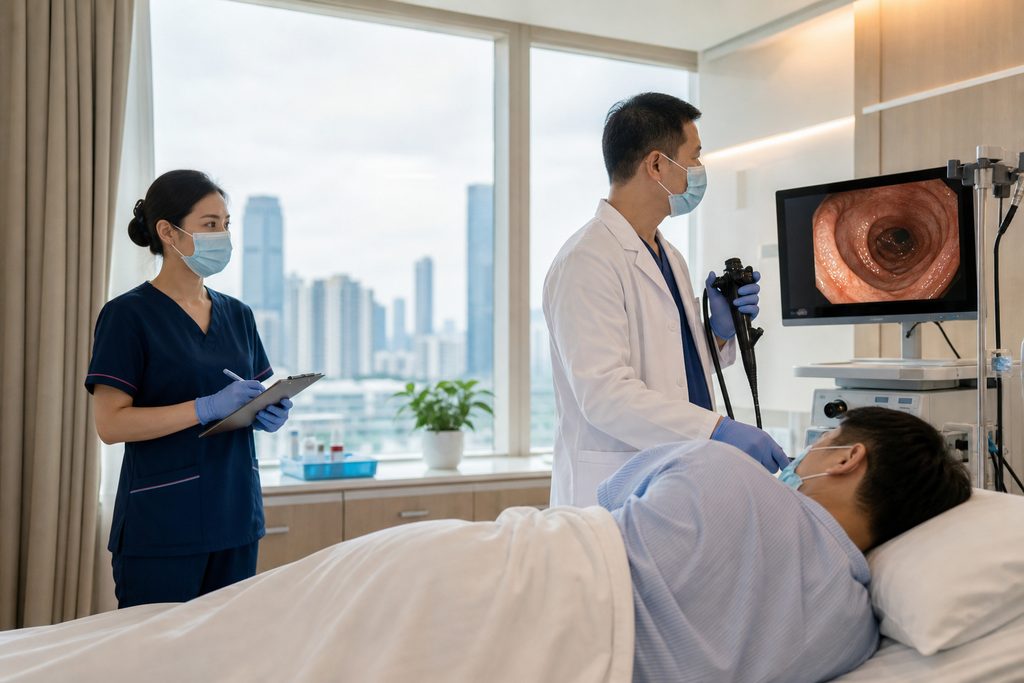
Diabetes Clinics in China: How to Choose the Right Hospital
Key Takeaways
- China now has more adults living with diabetes than any other country — roughly 140 million people, according to the International Diabetes Federation’s 2021 Diabetes Atlas — which means its largest hospitals handle diabetes at a volume few Western centers ever see.
- At leading public hospitals, a full endocrine workup plus a specialist consultation often costs $150–400 out of pocket, and annual medication can run 60–80% below US list prices for the same molecules.
- The hard part is not quality. It is access. Walk-in registration, no English signage, and a payment system built for locals are real barriers that trip up first-time foreign patients.
- Before booking anything, understand that no clinic — in China or anywhere — can promise you a cure. What good centers offer is careful, evidence-based management.
The Problem: Diabetes Care Is Expensive and Getting Harder to Reach
Roughly 1 in 10 adults worldwide now lives with diabetes, and the bill keeps climbing. In the United States, the American Diabetes Association’s 2022 Economic Costs of Diabetes report put the total national cost at $412.9 billion — with the average person spending about $9,600 a year on medical care tied to the condition, roughly 2.6 times what a person without diabetes spends.
Insulin tells the same story. A 2023 analysis from the Rand Corporation found that a single vial of insulin that sold for about $98 in the US cost around $9 in Canada and less than $10 in France. Same drug. Same manufacturer. Different price tag.
Then there is the waiting. In the UK, a 2024 Diabetes UK survey found that roughly 1 in 5 people with diabetes had waited more than a year for a routine specialist appointment. In Canada, endocrinologists in several provinces report waits of six to twelve months for non-urgent referrals.
For someone managing blood sugar every day, “wait six months” is not a neutral sentence. It is six months of guessing.
Why China Delivers Results for International Diabetes Patients
China’s top hospitals were not built for medical tourists. They were built to serve enormous local populations, and that scale produces something Western patients rarely encounter: deep, repetitive, high-volume expertise. Here is what that actually means for diabetes care.
Volume and Subspecialization You Can Feel
China runs more than 35,000 hospitals. The top 5% — the ones ranked by the Fudan Hospital Ranking and accredited by JCI — sit in a different tier. A major endocrinology department at a Fudan Top 100 hospital may see more complex diabetes cases in a month than a regional US clinic sees in a year.
That volume matters most for complications. Diabetic nephropathy, retinopathy, neuropathy, and diabetic foot ulcers each have dedicated teams at the largest centers. You are not sent down a hallway to “someone who handles that.” You are sent to the person who does almost nothing else.
Diagnostics Move Fast
At a top-tier public hospital, blood draws, HbA1c, lipid panels, renal function tests, and ultrasound can often be completed within a single morning. Results typically return the same day or the next. Compare that to the multi-week scheduling dance familiar to patients in the US and UK, and the practical difference is enormous — you can make treatment decisions in days, not quarters.
Continuous glucose monitoring, insulin pump initiation, and structured diabetes education programs are all widely available at major centers. So is traditional Chinese medicine, which some patients use alongside conventional care for symptom management and rehabilitation. Our overview of TCM hospitals in China explains what that option realistically involves.
Cost Structure, Explained Honestly
Lower prices in China are not a marketing trick. They come from three structural facts: physician salaries are lower relative to Western markets, hospitals operate at very high patient volumes that spread fixed costs, and the government sets reference prices for many drugs and procedures.
None of that means corners are cut. It means the same lab test, the same insulin, and the same specialist attention cost less. For a chronic condition you will manage for decades, that difference compounds.
What Diabetes Treatment Actually Costs in China
Numbers below are typical ranges for international patients at major public hospitals and private international clinics. Final figures vary by hospital and case complexity, and no quote is meaningful until a doctor has seen your records.
| Service | Typical Cost in China (USD) | US Benchmark (USD) |
|---|---|---|
| Endocrinology consultation (public hospital, international dept.) | $80–200 | $300–500 |
| Full diagnostic panel (HbA1c, lipids, renal, liver, thyroid) | $150–400 | $800–2,000 |
| Continuous glucose monitor (2-week sensor + setup) | $100–250 | $300–600 |
| Insulin, one month supply (common analogs) | $30–90 | $150–400 |
| Diabetic foot ulcer debridement (outpatient) | $500–1,500 | $3,000–8,000 |
| Private international clinic annual management plan | $2,000–6,000 | $8,000–20,000 |
So when patients ask about the diabetes treatment cost China hospitals charge, the honest answer is: for routine management, expect to spend a fraction of US prices. For complications requiring surgery or prolonged inpatient care, the gap widens further.
One caution. Stem cell therapy for diabetes is heavily marketed online, often with prices attached. The International Society for Stem Cell Research has repeatedly warned that no stem cell treatment has been proven to cure or reliably reverse type 1 or type 2 diabetes. If a clinic quotes you a firm figure for a “stem cell diabetes cure,” treat that as a warning sign, not a bargain. Legitimate research exists, but it happens inside registered clinical trials — not in packages sold to travelers.
How to Choose: A Practical Checklist for Evaluating Diabetes Clinics
Not every hospital with an endocrinology sign is right for you. Use these filters in order.
- Confirm the department, not just the hospital. A famous hospital can still have a modest diabetes program. Check whether endocrinology appears on the Fudan specialty reputation ranking, which lists the top 10 hospitals per specialty. Our department-by-department rankings let you check endocrinology directly.
- Decide public vs. private before you book flights. Public hospitals offer the deepest expertise at the lowest cost but require queueing and rarely offer pre-booked appointments through normal channels. Private international hospitals like United Family, Jiahui, and Parkway offer English-speaking staff and direct insurance billing — at roughly 1.5 to 2 times public international-department pricing.
- Ask who will actually see you. At large public hospitals, the professor’s name on the door does not guarantee the professor sees you on visit one. If continuity matters, say so upfront.
- Check insurance mechanics. Public hospitals generally require prepayment, with reimbursement handled afterward by your insurer. Private international hospitals often bill your insurer directly. Know which model applies to you before you arrive.
- Verify language support. A hospital may advertise “international department” while most staff still speak limited English. Confirm interpretation is included, not assumed.
Is Diabetes Treatment Safe in China? What the Evidence Says
This is the question patients ask us most, usually in the same breath as the cost question. The short answer: at accredited hospitals, yes — with caveats.
China’s top hospitals are held to the same clinical guidelines that govern care in Europe and North America. Insulin protocols, HbA1c targets, and complication screening schedules follow international standards. Many department heads trained or conducted research abroad. JCI accreditation, which more than 100 Chinese hospitals now hold, requires documented safety systems for medication management, infection control, and surgical care.
The caveats are practical, not clinical. Medication names may differ from what you take at home, even when the active molecule is identical. Dosing conventions can vary. And if you arrive without translated records, you risk repeating tests you already had or missing context that changes the plan.
Bring a full medication list with generic names, recent lab results, and any imaging on disc or in a cloud link. That single step prevents most of the confusion foreign patients run into.
Practical Logistics: Visas, Payments, and Follow-Up
Foreign patients traveling to China for medical treatment normally apply for an S2 visa, which covers short-stay visits for medical treatment and private affairs. Stays exceeding 180 days fall under the S1 category. Accompanying family members apply for S2 as well. Requirements shift, so confirm current documentation with your nearest Chinese embassy or consulate before applying — and note that the M visa is for commercial and trade activity, not medical care.
On payment: public hospitals typically accept international credit cards at international departments, but smaller counters may not. Cash in yuan and mobile payment apps tied to a foreign card are useful backups. Private international hospitals usually handle cards and insurance claims without friction.
Follow-up is where planning pays off. Ask your Chinese physician to prepare a written summary in English covering your diagnosis, current regimen, test results, and recommended monitoring schedule. Your home doctor can work directly from that document. Request it before discharge, not after you fly home.
For a broader picture of how hospital selection works across the country, our guide to China’s top-ranked hospitals groups the Fudan Top 100 by city, which makes it easier to match a hospital to wherever you can realistically travel.
Frequently Asked Questions
At most public hospitals, no — standard registration happens on the day of your visit, and surgery or admission generally requires an in-person consultation first. Private international hospitals are more flexible and often accept advance appointments. For public hospitals, the reliable route is going through the international or VIP department, which can sometimes pre-arrange specialist slots.
For a one-week trip combining consultation, diagnostics, and a treatment plan, most international patients spend $1,500–4,000 on medical costs at a public hospital, or $4,000–10,000 at a private international clinic. Add flights, hotel, and interpretation. Get a written estimate before committing, and remember that final pricing depends on what your case actually requires.
Major cities have hospitals with 24-hour emergency departments, and the largest centers have dedicated emergency and critical care capacity. Language is the main obstacle in an emergency, which is why having a bilingual companion or a hospital contact saved in your phone matters more than any other preparation. Travel insurance covering medical evacuation is strongly advised.
Some are, many are not. Packages that bundle hospital coordination, interpretation, and logistics can genuinely simplify a trip. Packages that promise cures, guaranteed specialist access, or fixed prices before any doctor has reviewed your records should be treated with skepticism. Ask what happens if your case turns out to be more complex than the package assumes.
Your Next Step
Choosing a diabetes clinic in China comes down to three things: the right department, a realistic budget, and someone who can bridge the language and logistics gap. Get those right and the cost advantage becomes a genuine long-term benefit rather than a gamble.
We are China Medical Services — a coordination service, not a hospital. We do not diagnose or treat anyone. What we do is help international patients understand their options, connect with appropriate departments, and navigate the practical side of receiving care in China. If you would like a clearer picture of what your situation would involve, you can start with a free consultation — no obligation, no pressure.
This article is for general information only and does not constitute medical advice. Diabetes treatment decisions should always be made with a qualified physician who has reviewed your individual medical history.
For more medical information and treatment options in China, visit chinamedservices.com (China Medical Services).
