Newborn Hearing Screening in China: A Complete Guide for Families
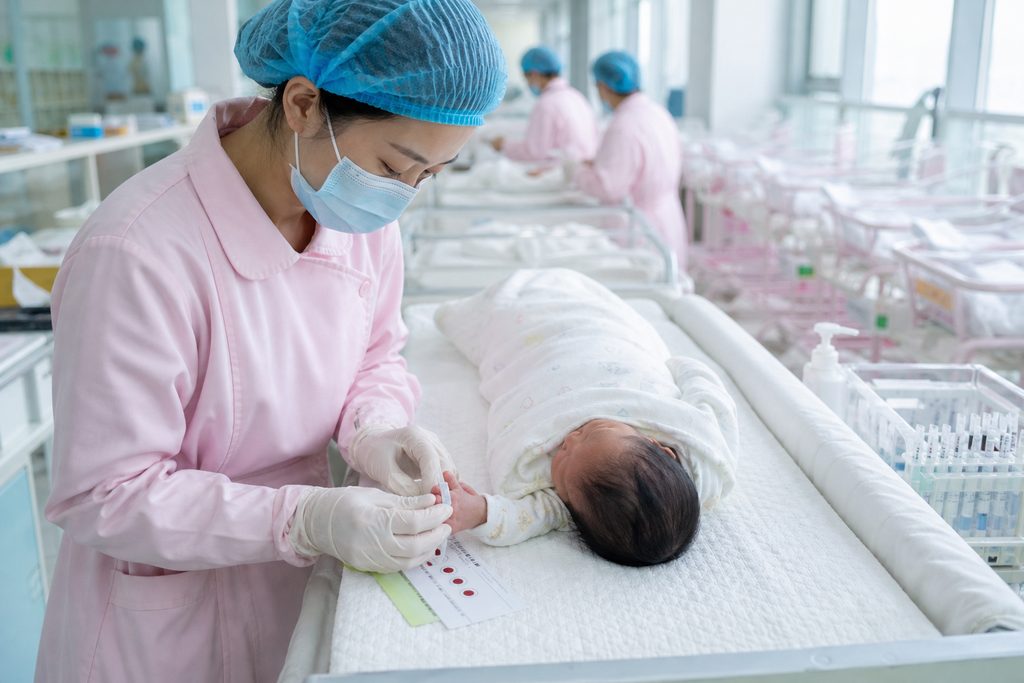
Newborn Hearing Screening in China: A Complete Guide for Families
Roughly 1 to 3 out of every 1,000 babies born worldwide have some degree of hearing loss, and about half of those cases have no identifiable risk factor at all. That single statistic is why universal newborn hearing screening exists — and why the newborn hearing screening cost China hospitals charge has become a real search query for international families living in or traveling to the country. China has run a national newborn hearing screening program for years, and the country’s largest maternity hospitals now screen the overwhelming majority of infants before discharge. For foreign families, the practical questions are different: where do you go, what does it cost, and can you arrange it without speaking Mandarin?
This guide walks through how the system actually works, what you should expect to pay, and where the friction points are. Our team at China Medical Services coordinates this kind of care for international families every month, so we’ll be direct about what’s straightforward and what isn’t.
How This Actually Works, Step by Step
Yes, though the process differs from booking a hotel. You’ll need to coordinate through a hospital’s international department or a service that handles registration and scheduling. Public hospital general outpatient slots generally can’t be reserved from overseas in advance. Traveling to China specifically for a screening test is unusual — the cost and travel burden rarely justify it unless you’re combining it with other care or already planning to be in the country.
The clinical protocol is the same. What differs is the service layer: international departments offer English support, clearer pricing, and appointment scheduling ahead of arrival. The test itself — OAE or AABR — follows the same standards used worldwide.
A “refer” result on screening is not a diagnosis. It means further testing is needed. Diagnostic ABR is the next step, and it should happen within weeks, not months. If hearing loss is confirmed, early intervention — hearing aids, cochlear implants where indicated, and speech therapy — produces the best outcomes when started before 6 months of age. All treatment decisions must be made with a qualified pediatric audiologist or otolaryngologist.
If you’re already legally in China, you can generally access medical services regardless of visa category. The S2 visa question applies to families traveling to China specifically for treatment. If you’re already in-country, focus on the appointment logistics rather than visa changes.
Your Next Step
Newborn hearing screening in China is inexpensive, widely available, and clinically reliable at the country’s top hospitals. The hard parts are navigation, language, and appointment access — not the medicine. Our team at China Medical Services connects international families with qualified hospitals, coordinates appointments through the appropriate channels, and provides bilingual support on the day. We’re not a hospital and we don’t provide medical advice. If you’d like to talk through your situation, start with a free consultation — no pressure, no obligation, just a clear picture of what’s possible.
This article is for informational purposes only and does not constitute medical advice. Always consult a qualified healthcare provider regarding your child’s health.
Frequently Asked Questions
Yes. The hospitals used for international patients are JCI-accredited and follow the same international safety standards as top hospitals in the US and Europe. Surgical teams perform high volumes of procedures — often more than their Western counterparts — which studies show leads to better outcomes.
Costs vary by procedure and hospital, but international patients typically save 40-80% compared to US prices — even when factoring in travel and accommodation. A consultation with our team will give you an exact, all-inclusive quote with no hidden fees.
Send us your existing medical reports to get started. We handle everything from hospital selection and appointment scheduling to visa assistance and post-operative recovery planning. Your medical records are reviewed by the specialist before you even book a flight.
For more medical information and treatment options in China, visit chinamedservices.com (China Medical Services).
