Cancer Screening in China: Which Tests to Pick and What They Cost
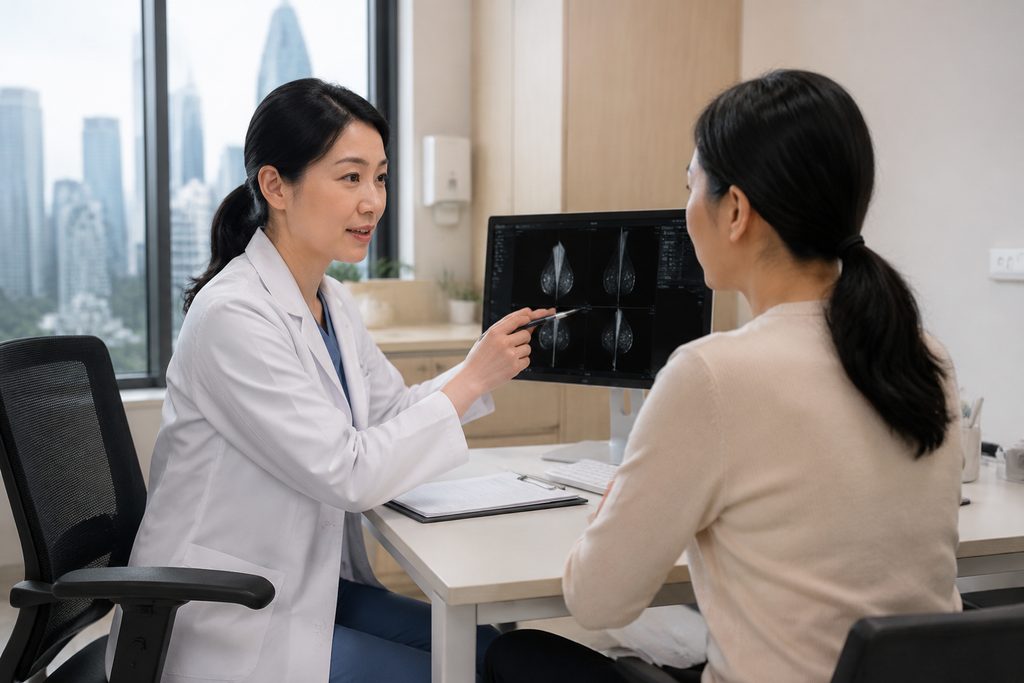
When 47-year-old David from Ohio started losing weight without trying, his doctor ran a few blood tests, found nothing conclusive, and told him to “wait six months.” He didn’t want to wait. A friend mentioned that a full-body checkup in China might cost less than his deductible back home, so David started researching cancer screening in China — and quickly realized the hard part wasn’t the price. It was figuring out which tests actually mattered and which were just expensive noise.
That’s the question this guide answers.
Cancer Screening in China: The Short Answer
For most international patients, a well-designed cancer screening package in China costs between $500 and $3,500 depending on how many imaging modalities and tumor markers are included, and takes one to three days to complete at a top-tier hospital. The catch is that China’s best hospitals do not sell “one-size-fits-all” packages the way a wellness clinic might. The genuinely useful screening protocol is built around your age, sex, family history, smoking status, and prior results — not around a brochure.
That distinction matters more than the price tag. A $600 package that includes the wrong tests is worse than useless. It creates false reassurance.
Who This Is Right For — and Who It Isn’t
Screening is not diagnosis. If you already have symptoms — unexplained weight loss, a lump, blood where it shouldn’t be — you need a diagnostic workup, not a screening package. Those are different pathways, and conflating them delays real treatment.
Generally a reasonable candidate:
- Adults 40+ with no current symptoms who want a baseline assessment
- People with a family history of cancer who want imaging beyond what their home system offers
- Long-term smokers or former smokers considering low-dose CT for lung evaluation
- Patients whose home country has long waits for non-urgent imaging
- Anyone who wants a second look after an inconclusive result abroad
Probably not the right fit:
- Anyone with active symptoms that need urgent diagnostic attention
- Patients who cannot travel or tolerate a multi-hour imaging session
- People expecting a single blood test to “rule out cancer” — no such test exists
- Those who need follow-up care integrated with their home oncologist and cannot arrange records transfer
The Options, Compared
Here is how the main screening pathways stack up. Prices are approximate ranges for international patients at major Chinese hospitals and vary by hospital and case complexity.
| Screening Approach | Typical Tests Included | Price Range (USD) | Time Required | Best For |
|---|---|---|---|---|
| Basic blood panel + ultrasound | CBC, liver/kidney function, common tumor markers, abdominal ultrasound | $300–$600 | Half day | Younger adults, first baseline |
| Standard comprehensive package | Above + low-dose chest CT, thyroid and pelvic ultrasound, endoscopy (optional) | $800–$1,500 | 1–2 days | Adults 40+, general risk |
| Enhanced package with MRI | Above + abdominal/pelvic MRI, expanded tumor markers, cardiac screening | $1,800–$3,500 | 2–3 days | Family history, higher risk |
| Targeted organ protocol | Focused imaging and markers for one system (lung, GI, breast, etc.) | $400–$1,200 | 1–2 days | Known risk factor in one area |
Which column fits you? If you are under 40 with no family history, the basic panel plus a conversation with a physician is often enough. If you are over 45 or have a first-degree relative with cancer, the standard or enhanced tier earns its cost. The targeted protocol makes sense when a specific concern already exists — a smoking history, a BRCA variant, a prior polyp.
Which Tests Actually Earn Their Place
This is where most packages get bloated. A few tests carry strong evidence; others are included because they fill a page.
Worth doing, for the right person: low-dose CT for lung evaluation in smokers; colonoscopy for colorectal assessment starting around age 45; mammography or breast ultrasound for women; cervical cytology plus HPV testing; abdominal ultrasound for liver assessment, particularly in regions with higher hepatitis B prevalence; and a limited set of tumor markers interpreted alongside imaging, never alone.
Frequently oversold: broad “tumor marker panels” of a dozen or more markers with no clinical context. A single elevated CA-125 or CEA in an otherwise healthy person often triggers anxiety and further testing without changing outcomes. PET-CT as a first-line screening tool in asymptomatic people is another common upsell — it exposes you to radiation and produces incidental findings that lead to biopsies for things that were never dangerous.
For a specialty-by-specialty view of where China’s strongest departments sit, the top-ranked departments directory lists oncology and related specialties by hospital.
How Long Does a Full Body Cancer Check Take in China?
Most comprehensive packages run one to three days. A typical schedule looks like this:
- Day 1 morning: Registration, blood draws, vital signs, and ultrasound studies. Fasting is required, so this starts early.
- Day 1 afternoon: CT or MRI, depending on the protocol.
- Day 2: Endoscopy if included, plus any imaging that needed separate scheduling.
- Day 2–3: Physician review and a written report, often with an English translation arranged through the hospital’s international department.
Two practical notes. First, endoscopy usually requires its own preparation day, which extends the timeline. Second, results interpretation is not instant — pathology, if a biopsy was taken, can take several additional days. Planning a trip around a screening package means budgeting for that buffer.
What Drives the Cost — and What Isn’t Included
Three factors move the number most: the number of imaging studies (MRI and PET-CT are the expensive ones), whether endoscopy is included, and whether you are using a standard outpatient channel or an international/VIP department.
The international department route typically costs 1.5 to 2 times the standard channel. What you get for that premium is English-speaking staff, shorter queues, and a coordinator who handles scheduling. For a patient who does not speak Mandarin, that premium is often the difference between a manageable experience and a chaotic one.
What is usually not included: interpretation by an outside physician, treatment costs if something is found, follow-up imaging, and travel or accommodation. A biopsy, if needed, is billed separately and priced by the pathology work involved.
For context on how Chinese hospital pricing compares overall, our overview of medical treatment in China for international patients covers the broader cost landscape.
Practical Considerations: Records, Visas, and Follow-Up
Records. Bring everything. Prior imaging on disc, pathology reports, medication lists, and any genetic testing results. Chinese specialists can work without them, but the quality of interpretation drops sharply. Translated summaries help but are not a substitute for the originals.
Visas. Medical travel to China uses the S2 visa, which covers short-stay visits for medical treatment and private affairs. Accompanying family members apply under the same category. The S1 applies if your stay will exceed 180 days. Requirements shift, so confirm current documentation with the nearest Chinese embassy or consulate — and note that the M visa is for commercial and trade activity, not medical care.
Booking. Standard outpatient appointments at public hospitals generally cannot be reserved from abroad in advance. International departments can often arrange appointments ahead of arrival, which is one of the practical reasons patients use them. If you want to book a cancer screening package in China before you fly, that is the channel to ask about.
Payment and insurance. Public hospitals require prepayment, with insurance reimbursement handled afterward in most cases. Private international hospitals frequently bill insurers directly — our guide to private international hospitals covers which ones offer direct billing.
Follow-up. This is the part people underestimate. If a finding needs monitoring, you will want a clear plan for who reviews the next scan and where. Get the imaging on disc and the radiology report in English before you leave.
Frequently Asked Questions
At top-tier hospitals, the imaging equipment and pathology standards are comparable to major Western centers, and several Chinese hospitals rank among the world’s busiest for oncology volume. Reliability depends far more on which hospital and which protocol than on the country. The variable that trips people up is not machine quality — it is communication and follow-up continuity.
Sometimes, but not through the standard public outpatient channel. International departments and private hospitals are the realistic route for advance booking. Expect to submit your medical history first, since a responsible hospital will tailor the package rather than sell a fixed menu.
Pricing is broadly similar across both cities for equivalent packages, generally landing in the $800–$3,500 range depending on imaging. Beijing has the denser concentration of top-ranked hospitals; Shanghai is comparable in quality and often slightly easier logistically for international visitors. Neither city is meaningfully cheaper than the other for the same protocol.
Then you move from screening into diagnosis, which is a separate pathway with its own costs and timeline. This is exactly why the pre-screening conversation matters: knowing in advance how you would handle a positive finding, and where you would want treatment, prevents panic decisions. Screening without a follow-up plan is incomplete.
Look at the specialty rankings rather than general reputation. A hospital renowned for cardiac surgery is not automatically the strongest choice for a gastrointestinal screening protocol. Match the hospital’s ranked specialties to your personal risk profile, and confirm that the international department can support you in English.
Your Next Step
The core message is simple: the tests matter more than the package, and the protocol should follow your risk profile rather than a price list. A screening that answers your actual questions is worth far more than a comprehensive-sounding menu that answers none of them.
We are China Medical Services — a coordination service, not a hospital. We do not diagnose, and we do not sell treatment. What we do is help you understand which hospitals fit your situation, arrange written second opinions or video consultations with the relevant specialty so you can decide before committing to travel, and support you on the ground if you come. If you would like to talk through your situation with no obligation, start with a free consultation and we will tell you honestly whether screening in China makes sense for you.
This article is for general information only and is not medical advice. Screening decisions should be made with a qualified physician who knows your history. Costs and protocols vary by hospital and case complexity.
For more medical information and treatment options in China, visit chinamedservices.com (China Medical Services).
