Parasitic Infection Care in China: What to Know Before You Travel
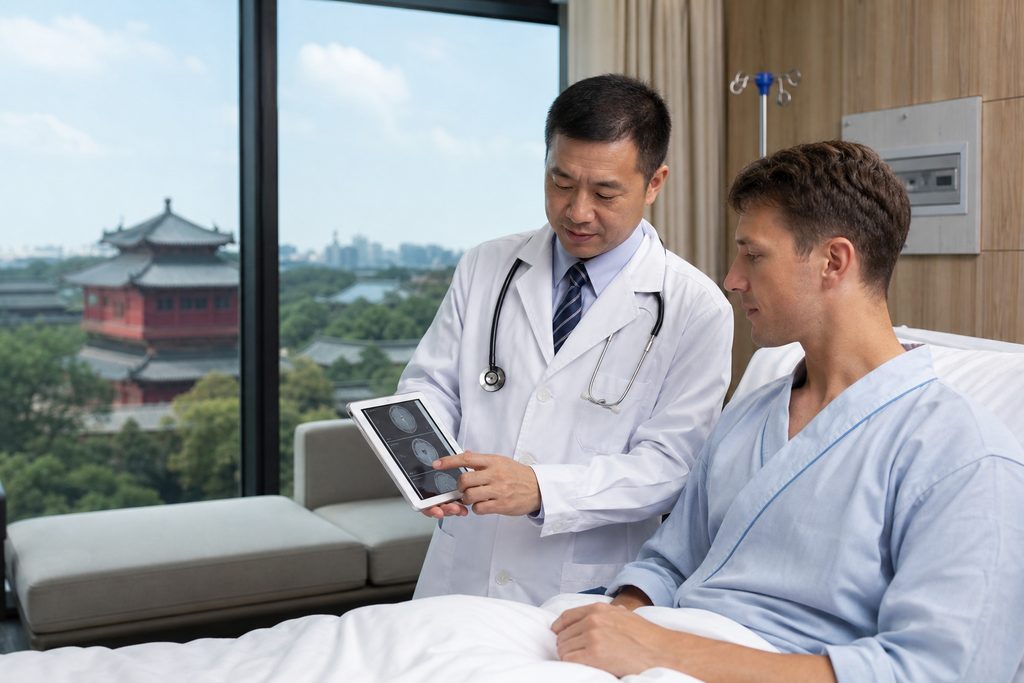
Parasitic Infection Care in China: What to Know
Have you been sick for weeks — maybe months — with symptoms no one at home can name? If you are searching for parasitic infection treatment cost China, you are probably tired of waiting rooms, inconclusive tests, and bills that climb faster than your energy returns. China’s top hospitals see enormous volumes of these cases every year, and for many international patients the combination of specialist depth and lower cost is worth the flight.
This guide explains how care actually works here, what it costs, how long it takes, and where the real risks sit. No hype. Just the practical picture our team walks patients through every week.
How This Actually Works, Step by Step
The sequence matters, because China’s public hospitals do not work like Western clinics. You cannot simply book a specialist appointment from abroad and fly in. Here is the real path, in order.
Step one: gather your records. Blood counts, stool or urine microscopy results, imaging, endoscopy or colonoscopy reports, medication history, travel history. Anything that documents what has already been tested and ruled out. Send these to us in English or with translations.
Step two: a written second opinion. The relevant Chinese specialty — typically Infectious Disease, Gastroenterology, or a dedicated Tropical Medicine unit — reviews your file and returns a written analysis with treatment suggestions and direction. This costs $300–500 for top-hospital specialists and is for reference only, not a prescription.
Step three: video consultation. If the written opinion raises questions, you speak directly with the specialty team online. A standard international-department video consult runs $100–300; a top-specialist session is $500–800. You explain symptoms and goals; they explain what they would do and why.
Step four: decide whether to travel. Many parasitic conditions — giardiasis, ascariasis, schistosomiasis, amoebic infections — are managed with medication and can be directed remotely. Others, particularly cystic echinococcosis or complicated strongyloidiasis, may need imaging follow-up, endoscopy, or in some cases surgery. That is the point where travel makes sense.
Step five: visa and arrival. Medical travel uses the S2 visa, annotated for treatment purposes. Stays beyond 180 days require S1. Accompanying family members apply for S2 as well. The M visa is a commercial and trade category and has nothing to do with medical care — a mistake we see in far too many online guides.
Step six: on-the-ground coordination. Public hospital outpatient registration happens on the day, in person, in Chinese. That is why bilingual medical companion support exists — someone who queues, registers, pays, translates, and walks you between departments. From $300 per day.
What Parasitic Infection Treatment Cost in China Looks Like
Many intestinal parasites are treated with medication that can be directed through a written second opinion or video consultation. Travel becomes necessary when imaging, endoscopy, or surgical intervention is required. We help you determine which situation applies before you book anything.
The clinical care at top-ranked hospitals is sound, and several are JCI-accredited. The real difficulty is navigation — registration, language, and coordination inside very large public hospitals. Bilingual medical companion support addresses that gap directly.
The S2 visa, annotated for medical treatment, is the standard category for short stays. S1 applies for stays exceeding 180 days. Family members accompanying you also apply for S2. Approval is always subject to the latest embassy requirements — no one can guarantee an outcome.
Plan on four to ten weeks for records, second opinion, visa, and travel. The treatment course itself may be as short as one day. Confirmation of cure through repeat testing adds another two to twelve weeks.
Your Next Step
Getting a clear answer about a parasitic infection should not require months of guesswork. The staged approach — records first, written opinion second, travel only if it is genuinely needed — protects both your health and your budget. Our team coordinates hospital matching, appointment scheduling, bilingual accompaniment, and visa guidance for international patients, and we do not provide medical care or promise clinical outcomes. If you want to know what your case would look like here, start with a free consultation at our patient services page. No pressure, no obligation — just a clear picture of your options.
This article is for general information only and does not constitute medical advice. Always consult a qualified physician about your individual condition before making treatment decisions.
Frequently Asked Questions
Yes. The hospitals used for international patients are JCI-accredited and follow the same international safety standards as top hospitals in the US and Europe. Surgical teams perform high volumes of procedures — often more than their Western counterparts — which studies show leads to better outcomes.
Costs vary by procedure and hospital, but international patients typically save 40-80% compared to US prices — even when factoring in travel and accommodation. A consultation with our team will give you an exact, all-inclusive quote with no hidden fees.
Send us your existing medical reports to get started. We handle everything from hospital selection and appointment scheduling to visa assistance and post-operative recovery planning. Your medical records are reviewed by the specialist before you even book a flight.
For more medical information and treatment options in China, visit chinamedservices.com (China Medical Services).
