Brain MRI in China: Costs Explained for International Patients
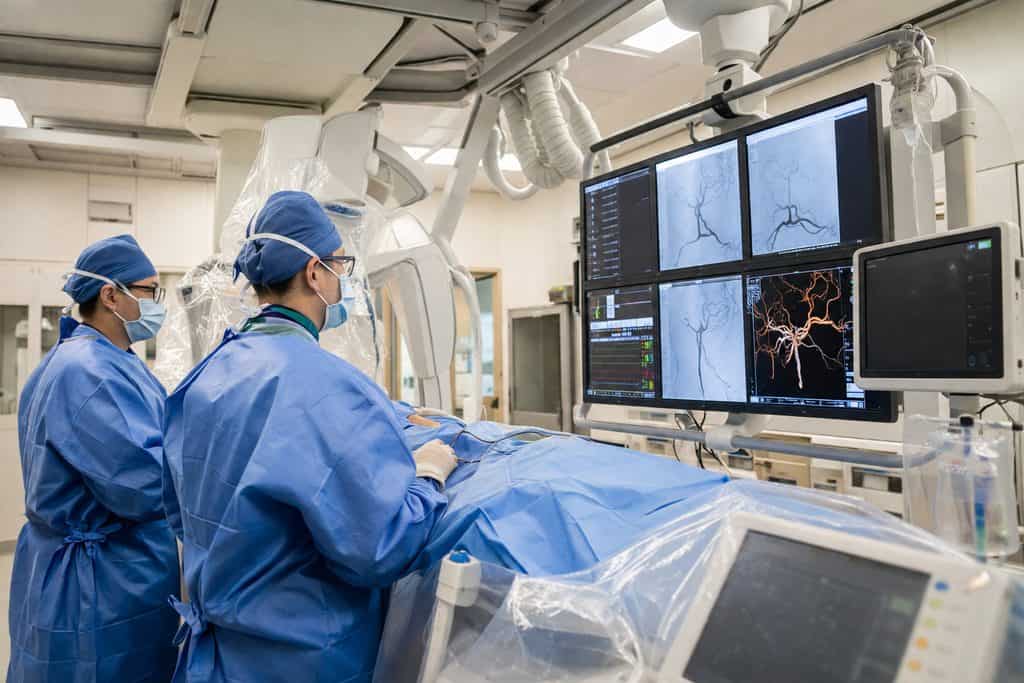
Brain MRI in China: Costs Explained
You have probably been told that a brain MRI in China means long queues, unclear pricing, and a system that was never built for foreigners. The first two worries are real. The third one is only half true. Here is the part most people get wrong: the brain MRI cost China hospitals charge is often a fraction of what you would pay in the United States or Western Europe — and the scanners are frequently newer than the ones down the street from your house.
What actually trips people up is not the price. It is the process. Nobody explains how to book, who reads the images, how fast results come back, or what a fair price even looks like. So let’s fix that.
What a Brain MRI Actually Costs in China
For a standard non-contrast brain MRI at a major public tertiary hospital, expect to pay roughly $80 to $250 out of pocket. Add contrast dye and the range climbs to about $150 to $400. A full brain and cervical spine study, or an MR angiography (MRA) add-on, usually lands between $200 and $500.
Private international hospitals charge more — typically $500 to $1,200 for the same scan — but you get English-speaking staff, shorter waits, and often direct insurance billing.
For comparison, the same non-contrast brain MRI in the United States routinely bills at $1,500 to $4,000 before insurance negotiation. In the UK private sector, it runs £500 to £900. That gap is the entire reason medical tourism for imaging exists.
| Setting | Typical Price (USD) | Wait Time | English Support |
|---|---|---|---|
| Public tertiary hospital (standard) | $80–$250 | 1–7 days | Limited |
| Public hospital, contrast + MRA | $200–$500 | 2–10 days | Limited |
| International/VIP department | $500–$1,200 | Same day–3 days | Full |
| United States (comparison) | $1,500–$4,000 | Days to weeks | Full |
Prices vary by hospital and case complexity. A 3T scanner costs more to run than a 1.5T unit, and a functional MRI or spectroscopy study sits in a different bracket entirely.
Why the Price Gap Is So Wide
Government price ceilings are the main reason. China’s National Healthcare Security Administration sets capped fees for imaging services at public hospitals, and those caps are low by Western standards. A hospital cannot simply charge whatever the market will bear.
Volume does the rest. China has more than 35,000 hospitals, and the busiest ones run imaging departments that scan hundreds of patients a day. Fixed equipment costs get spread across enormous patient numbers.
Equipment is not the bottleneck you might assume. Many top-tier Chinese hospitals operate 3T MRI machines from Siemens, GE, and Philips — the same platforms used at academic centers in Boston or Heidelberg. Several have 7T research scanners as well.
How Much Does a Brain MRI Cost in Shanghai?
Shanghai sits at the higher end of the public-hospital range, mostly because demand is intense. A plain brain MRI at a major municipal hospital typically runs $100 to $280. Contrast studies push toward $400.
The city’s private international hospitals — the ones with JCI accreditation and English-speaking radiologists — charge $600 to $1,300. You are paying for convenience and communication, not better image quality.
Shanghai also has the densest concentration of top-ranked hospitals in the country after Beijing. If you want a same-week scan with a report you can hand to your doctor at home, the private route is faster. If cost is the priority, the public route wins by a wide margin. Our Shanghai hospital guide breaks down which facilities handle international patients most smoothly.
Is Brain MRI Safe in China Hospitals?
Yes, with normal caveats. MRI uses no ionizing radiation, so the scan itself carries no radiation risk. The safety questions that matter are the same everywhere: metal implants, pacemakers, cochlear implants, pregnancy, and contrast-dye allergies.
Chinese tertiary hospitals follow standardized screening protocols before every scan. You will fill out a safety questionnaire, and staff will confirm whether you have any ferromagnetic implants. If you have a pacemaker, say so immediately — most modern cardiac devices are MRI-conditional, but the radiology team needs the exact model.
Gadolinium contrast is used sparingly. Chinese radiologists are generally conservative about contrast in patients with reduced kidney function, and they will check eGFR first. If you have known kidney disease, flag it before the appointment.
How This Actually Works, Step by Step
Yes. MRI involves no ionizing radiation, and Chinese tertiary hospitals follow standard pre-scan safety screening for implants, pregnancy, and contrast allergies. The main risk is communication — bring implant documentation and consider a bilingual companion if you do not speak Mandarin.
You cannot book a general public outpatient slot from abroad — that is a hard rule at most public hospitals. You can, however, arrange imaging through a hospital’s international or VIP department, which is the standard route for foreign patients. Expect to submit records and passport details in advance.
S2 is the applicable short-stay visa category for medical treatment and private affairs, applied for with supporting hospital documents. Requirements vary by consulate and can change, so confirm with your nearest Chinese embassy or consulate before applying. The M visa is for commercial activities and does not apply to medical care.
Usually yes, provided you supply both the translated written report and the original DICOM images. Most Western specialists want the raw files, not just the summary. Request the disc or a secure download before you leave the hospital.
Your Next Step
The cost of a brain MRI in China is rarely the obstacle — the coordination is. Knowing the price range, the visa category, the realistic timeline, and where the process tends to stall puts you in a much stronger position than most patients who try to figure it out on arrival.
We are China Medical Services. We connect international patients with top-ranked Chinese hospitals, arrange written second opinions and video consultations, coordinate appointments through official international departments, and provide bilingual medical companions on the ground. We are not doctors, and we do not provide medical advice or promise clinical outcomes.
If you would like a straight answer on whether a scan in China makes sense for your situation, start with a free consultation. No pressure, no obligation — just a clear picture of your options.
Frequently Asked Questions
Yes. The hospitals used for international patients are JCI-accredited and follow the same international safety standards as top hospitals in the US and Europe. Surgical teams perform high volumes of procedures — often more than their Western counterparts — which studies show leads to better outcomes.
Costs vary by procedure and hospital, but international patients typically save 40-80% compared to US prices — even when factoring in travel and accommodation. A consultation with our team will give you an exact, all-inclusive quote with no hidden fees.
Send us your existing medical reports to get started. We handle everything from hospital selection and appointment scheduling to visa assistance and post-operative recovery planning. Your medical records are reviewed by the specialist before you even book a flight.
For more medical information and treatment options in China, visit chinamedservices.com (China Medical Services).
