Zhongnan Hospital Wuhan International Patients: Cancer & Infectious Disease Care
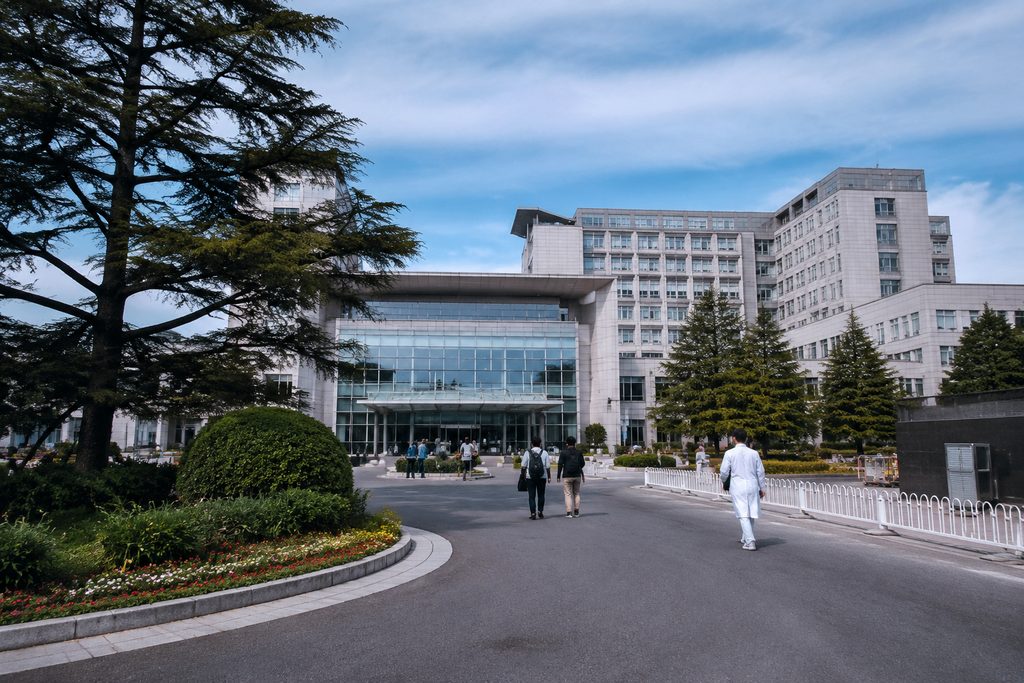
While patients in the United States face an average cancer treatment cost exceeding $150,000 for a standard course of therapy, equivalent protocols at major Chinese university hospitals often range from $20,000 to $40,000. Zhongnan Hospital of Wuhan University handles over 4,500 inpatient oncology cases annually. The outcomes data, published in peer-reviewed journals, frequently match or exceed Western survival benchmarks for several major cancer types. The price gap is not a marker of inferior care. It reflects a fundamentally different economic structure, one that international patients can access if they understand the pathway.
Key Takeaways
- Zhongnan Hospital’s oncology department manages more than 4,500 new inpatient cases each year, with a clinical trial portfolio that includes over 80 active studies in targeted therapy and immunotherapy.
- The hospital’s infectious disease unit serves as a designated provincial treatment center for complex tropical diseases and viral hepatitis, a status held by fewer than 10 hospitals in Hubei province.
- Navigating the international patient pathway independently is extremely difficult due to language barriers, a local payment ecosystem that rejects most foreign cards, and the absence of a walk-in international scheduling desk.
- Any cost estimate provided without reviewing your existing medical records and imaging is unreliable. Actual pricing depends on tumor staging, molecular markers, and the specific drug regimen selected by the treating oncologist.
The Problem: A Fractured System for Foreign Patients Seeking Oncology Care
Cancer does not wait for administrative clarity. A patient in London receives a diagnosis of stage III colorectal cancer and is quoted a six-week wait to begin a specific immunotherapy regimen. That same patient discovers that the identical drug protocol, using an internationally licensed biosimilar, is available in Wuhan at roughly 30% of the UK price. The medical rationale is sound. The logistics, however, are a labyrinth.
Zhongnan Hospital of Wuhan University is one of China’s most prolific clinical centers. Its oncology department runs on a scale that most Western academic medical centers would find difficult to replicate. But the hospital was built to serve a domestic patient population of millions. Its international patient service exists, yet it operates differently from the dedicated international wings found in Beijing or Shanghai. There is no glossy English-language portal. There is no 24-hour multilingual hotline. The expertise is real. The access path requires a guide.
Approximately 1 in 5 international patients who contact us about Wuhan oncology services have already attempted to schedule directly and hit a wall. They received no response to English-language emails. They could not complete the online registration because it required a Chinese national ID number. They arrived at the hospital and could not get past the triage desk. The clinical excellence is there. The interface is not. This is the problem we solve.
Who We Are
We are not a hospital. We do not provide medical treatment, clinical diagnoses, or therapeutic recommendations. We are a medical concierge team based in China that connects international patients with the country’s top-tier hospital systems. Our role is logistical architecture: we translate medical records, coordinate with hospital international departments, schedule consultations, arrange bilingual medical companions, and manage the non-clinical journey from visa application to post-discharge recovery. We work with over 340 top-ranked hospitals across 37 cities. Zhongnan Hospital of Wuhan University is one of our regular coordination points for oncology and infectious disease cases. We know its departments, its scheduling rhythms, and its administrative requirements. We do not promise miracles. We promise a clear path.
Why Zhongnan Hospital Delivers Results for Oncology and Infectious Disease
Clinical Volume That Drives Diagnostic Precision
Zhongnan Hospital’s oncology center is not a single department. It operates as a cluster of subspecialty units covering thoracic oncology, gastrointestinal oncology, head and neck tumors, gynecologic oncology, and hematologic malignancies. The combined inpatient volume exceeds 4,500 new cases per year. Outpatient oncology consultations surpass 80,000 annually. A thoracic surgeon here may perform over 300 lung resections in a year. Volume at this level creates pattern recognition that cannot be taught in textbooks. It is the difference between seeing a rare presentation once in a career and seeing it three times in a month.
The infectious disease department carries similar weight. Wuhan, as a major transportation hub in central China, sees a steady influx of complex infectious cases referred from smaller cities across Hubei and neighboring provinces. The department manages a dedicated isolation unit, a viral hepatitis research center, and a tropical disease consultation service. It was designated a key provincial treatment center during major public health responses, a role that forced the rapid development of protocols now used as national benchmarks. For patients with drug-resistant bacterial infections, chronic hepatitis B or C requiring antiviral therapy, or post-surgical infections that have confounded other hospitals, this concentration of clinical exposure matters.
A Clinical Trial Ecosystem That Expands Treatment Options
This is the factor that surprises many Western patients. Zhongnan Hospital maintains an active clinical trial portfolio of over 80 oncology studies. These are not small observational studies. They include phase II and phase III trials for PD-1 inhibitors, CAR-T cell therapy protocols, and next-generation tyrosine kinase inhibitors. For a patient with advanced non-small cell lung cancer who has exhausted standard lines of therapy, access to a trial of a novel targeted agent can be the difference between hospice and hope.
China’s clinical trial regulatory environment has evolved rapidly since 2017. Reforms at the National Medical Products Administration streamlined the approval process for innovative drugs, and many pharmaceutical companies now launch global multicenter trials with Chinese sites running in parallel with US and European centers. Zhongnan Hospital is a frequent trial site. The data generated here feeds into international regulatory submissions. A patient treated on a trial in Wuhan receives the same protocol, the same monitoring standards, and the same ethical oversight as a patient at an academic medical center in Boston. The drug itself is often identical. The cost, however, is not.
The Cost Structure: What Explains the Price Gap
Let us address the question that sits at the center of every international patient conversation: the Zhongnan Hospital Wuhan cancer treatment cost. A course of standard chemotherapy with supportive care at Zhongnan Hospital typically ranges from $8,000 to $15,000. Immunotherapy regimens, depending on the specific agent and duration, range from $20,000 to $45,000. Complex surgical oncology procedures—a Whipple procedure, an esophagectomy, a radical cystectomy—range from $12,000 to $25,000 including hospitalization and post-operative monitoring.
These figures are not arbitrary. They reflect structural economic factors that have nothing to do with quality. Physician salaries in China’s public hospital system are a fraction of Western equivalents. Hospital construction costs are lower. Pharmaceutical pricing is subject to national volume-based procurement negotiations that drive down drug costs dramatically. A biosimilar of bevacizumab that costs $3,500 per dose in the United States may cost $600 in China. Same molecule. Same manufacturing standards. Different market dynamics.
Does lower cost mean lower quality? No. The five-year survival rates for several major cancer types treated at top Chinese oncology centers now closely track rates reported by US Surveillance, Epidemiology, and End Results data. A 2023 study published in The Lancet Oncology comparing outcomes across multiple Asian cancer centers found that Chinese academic hospitals achieved survival rates statistically indistinguishable from Japanese and Korean benchmarks for gastric, liver, and nasopharyngeal cancers. The evidence does not support the assumption that higher price equals better outcome.
What You Need to Know Before Going Alone
We have guided enough patients through this process to know exactly where independent attempts break down. Here are the barriers that stop most foreign patients before they ever see a doctor.
- Visa Requirements Are Specific and Unforgiving: Medical treatment in China requires an S2 visa, annotated for medical purposes. You cannot enter on a tourist visa and convert it. The application requires an official invitation letter from the hospital, a document that Zhongnan Hospital’s international office will issue—but only after you have a confirmed appointment. This creates a chicken-and-egg problem that we resolve by coordinating both sides simultaneously. The accompanying family member also needs an S2 visa. An M visa is for commercial business and will be rejected if presented for medical entry.
- The Payment Infrastructure Does Not Accommodate Foreign Systems: Zhongnan Hospital is a public institution. Its billing system is designed for domestic Chinese payment platforms: WeChat Pay, Alipay, and UnionPay bank cards. International Visa and Mastercard transactions routinely fail at hospital payment terminals. Cash deposits are accepted but require in-person processing at specific counters with Mandarin-speaking staff. We handle payment coordination, including pre-deposit arrangements and real-time billing translation, so patients are not stranded at a payment window with a declined card and no interpreter.
- Medical Records Must Be Translated with Clinical Precision: An English-language pathology report is not usable by a Chinese oncologist. The terminology, the staging nomenclature, the immunohistochemistry markers—all of it must be translated by someone who understands both oncology and medical Chinese. A general translation service will produce errors. We have seen “invasive ductal carcinoma” mistranslated as a benign condition. We use medical translators with domain-specific training. This step alone determines whether a hospital will accept your case or reject it as incomplete.
How We Help You Navigate This
These barriers exist for structural reasons, not because anyone is trying to exclude foreign patients. Zhongnan Hospital treats over 3 million outpatients annually. Its systems are optimized for that volume. International patients represent a tiny fraction of its caseload, and the hospital has not invested in building a standalone international concierge operation. That is where we fit.
Before you travel, we collect and translate your medical records, imaging files, and pathology slides. We submit the package to the relevant department at Zhongnan Hospital through the official international patient channel. We obtain a written treatment opinion and a cost estimate from the treating team. We coordinate the visa invitation letter. We schedule your initial consultation, imaging appointments, and any required pre-treatment testing so that your first day at the hospital is productive, not spent wandering between registration counters.
During your treatment, a bilingual medical companion stays with you. This person handles registration, queues for lab results, translates conversations with your oncologist in real time, explains discharge instructions, and manages pharmacy pickups. They are not a doctor. They are your operational bridge to a system that runs entirely in Mandarin. After you return home, we coordinate follow-up telemedicine consultations and can arrange for continued medication supply if your regimen requires ongoing therapy.
Our coordination fee starts from $300 for appointment scheduling and document handling. A full-day bilingual medical companion starts from $200. For patients requiring comprehensive coordination—including airport transfer, accommodation recommendations, and daily companionship throughout a multi-week treatment cycle—VIP end-to-end coordination packages range from $5,000 to $8,000. These are coordination fees only. They are separate from and in addition to all hospital treatment charges. No one on our team receives commissions from hospitals or physicians. We work for you.
Zhongnan Hospital Medical Tourism Package Price: A Realistic Breakdown
Patients often ask about a Zhongnan Hospital medical tourism package price. The honest answer: there is no fixed all-inclusive package. Anyone offering you a flat-rate “cancer treatment package” without reviewing your specific diagnosis, staging, and molecular markers is not being truthful. Treatment is not a commodity. It is a sequence of clinical decisions that depend on how your disease responds to therapy.
What we can provide, based on historical cases we have coordinated, is a realistic range. A patient with early-stage breast cancer requiring surgery and adjuvant radiation might expect total hospital charges between $15,000 and $22,000. A patient with metastatic colorectal cancer requiring combination chemotherapy plus targeted therapy over six months might face hospital charges between $35,000 and $55,000. These figures include the drug costs, hospitalization, imaging, and physician fees. They do not include our coordination services, travel, accommodation, or living expenses in Wuhan. We provide a detailed line-item estimate only after the treating team has reviewed your records and issued a proposed treatment plan. No records, no estimate. That is the rule, and we enforce it because anything else would be guesswork dressed up as a quote.
Is Infectious Disease Treatment in China Safe?
The question comes up in nearly every consultation involving infectious disease care. Is infectious disease treatment in China safe? The concern is understandable. International media coverage of infectious disease outbreaks in China has created a perception of risk that does not always align with clinical reality.
Zhongnan Hospital’s infectious disease unit operates under protocols that are consistent with WHO guidelines and Chinese national standards for biosafety. The hospital maintains negative-pressure isolation rooms, a dedicated infection control team, and laboratory capacity for rapid molecular diagnostics. Its viral hepatitis program, one of the largest in central China, manages thousands of patients on antiviral therapy with monitoring protocols that track viral load, liver function, and drug resistance mutations at intervals consistent with international guidelines.
Safety in infectious disease treatment is a function of three things: accurate diagnosis, appropriate isolation infrastructure, and strict adherence to evidence-based treatment protocols. Zhongnan Hospital has all three. The risk to a patient receiving treatment here is not higher than at a comparable academic center in Europe or North America. The bigger risk, for international patients, is attempting to navigate the system without language support and missing critical follow-up instructions. That is a logistical risk, not a clinical one, and it is entirely manageable with proper coordination.
How to Book Treatment at Wuhan University Hospital
The question how to book treatment at Wuhan University hospital has a short answer and a long answer. The short answer: you need an official invitation from the hospital’s international office, which requires a complete medical records package reviewed and accepted by the relevant department. The long answer involves the reality that public hospital scheduling in China does not operate like a Western private clinic.
You cannot call a central booking line and reserve a surgery date. You cannot email a doctor directly and expect a response. The system requires physical presence for initial consultation, followed by internal departmental scheduling for procedures. Our role is to compress this timeline. We submit records in advance. We obtain a preliminary treatment opinion. We schedule the initial consultation so that your first visit is with the right specialist, not a general triage physician. We coordinate the cascade of imaging, lab work, and pre-operative clearance so that the time between your arrival in Wuhan and the start of treatment is measured in days, not weeks. The hospital’s clinical decisions are its own. Our job is to remove every administrative obstacle between you and those decisions.
International Patient Services Wuhan China Oncology: What to Expect
Let us set expectations clearly. International patient services Wuhan China oncology is not a polished, hotel-like experience. Zhongnan Hospital is a working public hospital. The corridors are crowded. The waiting areas are functional, not luxurious. The nursing staff may not speak English. The food is Chinese hospital food, not an international menu. If you expect the aesthetic of a private hospital in Singapore or Dubai, you will be disappointed.
What you will find is clinical expertise at a level that rivals any academic medical center in the world. The oncologists here publish in The New England Journal of Medicine, The Lancet, and Journal of Clinical Oncology. They present at ASCO and ESMO. They run clinical trials that attract patients from across Asia. The infectious disease specialists manage complex cases referred from multiple provinces. The expertise is genuine. The environment is utilitarian. We tell patients this upfront because a mismatch in expectations causes more dissatisfaction than any clinical outcome ever could. Come for the medicine. We handle the rest.
Frequently Asked Questions
No, and any provider who gives you an exact price without reviewing your full medical records and imaging is not operating ethically. We can provide a realistic range based on similar cases we have coordinated, but the final cost depends on your specific diagnosis, tumor molecular profile, drug selection, and treatment duration. We obtain a formal cost estimate from the hospital only after the treating oncologist has reviewed your case and issued a proposed treatment plan. That estimate is detailed, line-item, and reliable within a 10-15% margin.
Zhongnan Hospital has a 24-hour emergency department with full laboratory and imaging support. If you experience treatment-related complications—febrile neutropenia, an infusion reaction, acute pain—you go directly to the emergency department. Your bilingual medical companion will accompany you, translate your oncology history to the emergency physicians, and ensure continuity of care. We also maintain contact with your home-country physician throughout your treatment so that decisions are not made in isolation.
Most international insurance plans, including many US-based PPO plans, will reimburse for medically necessary treatment received abroad. However, Zhongnan Hospital is a public Chinese institution. It does not bill international insurers directly. You pay the hospital upfront and submit claims to your insurer for reimbursement. We provide all documentation required for claims: itemized bills translated into English, medical records summaries, and treatment verification letters. Check with your insurer before traveling. Some plans require pre-authorization for overseas oncology care.
For oncology cases where records are complete and the hospital accepts the case without requiring additional testing, we typically coordinate the initial consultation within two to three weeks of receiving your translated records. The time from consultation to treatment start depends on the clinical plan. Surgery may be scheduled within one to two weeks. Chemotherapy can often begin within days of the initial consultation if pre-treatment labs are completed quickly. Complex cases requiring multidisciplinary tumor board review may take longer. We compress the administrative timeline as much as the hospital’s scheduling allows. We cannot compress the clinical decision-making timeline, nor should we.
Your Next Step
Zhongnan Hospital of Wuhan University offers oncology and infectious disease care at a level that stands comparison with any academic medical center in the world, at a fraction of the cost Western patients have learned to expect. The clinical volume is real. The trial access is real. The survival data is published and verifiable. The gap is not in the medicine. The gap is in the pathway. Our team exists to close that gap—translating records, coordinating schedules, managing payments, and standing beside you in the hospital corridors so that language and logistics never stand between you and the care you need. If you are considering treatment at Zhongnan Hospital, we are ready to begin the conversation. No pressure. No false promises. Just a clear path forward.
Learn more about our coordination process at our patient services page. For broader context on hospital rankings across China, visit our guide to China’s top-ranked hospitals. If you are still comparing options, our oncology department rankings may help clarify which centers lead in specific cancer types.
For more medical information and treatment options in China, visit chinamedservices.com (China Medical Services).
