Proton Therapy China for International Patients: Shanghai Proton Center’s Precision Cancer Radiation
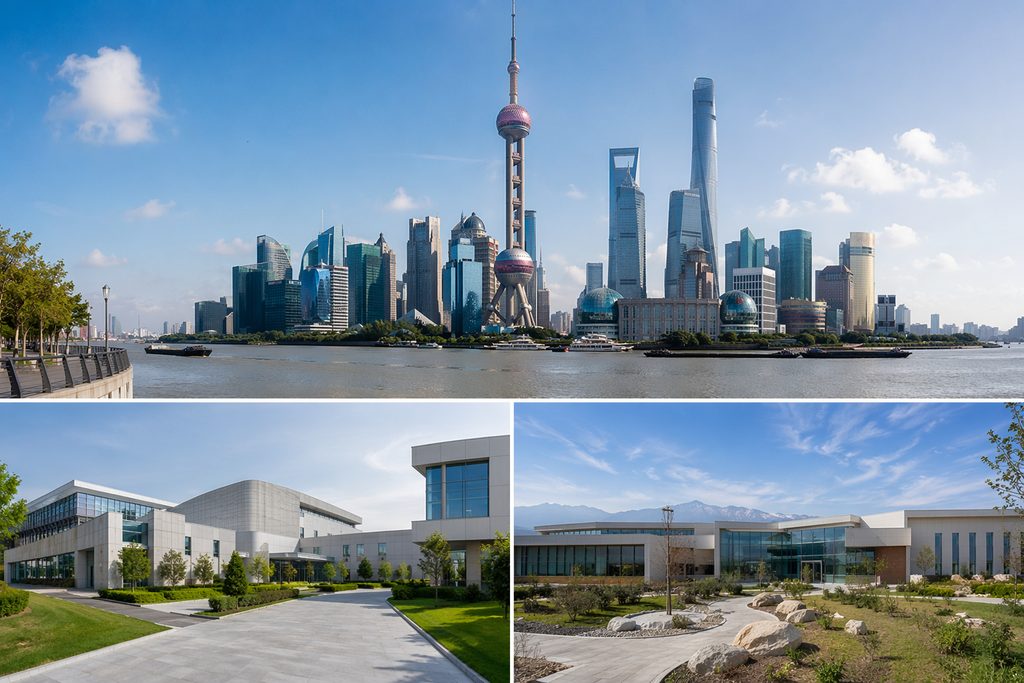
According to the Particle Therapy Co-Operative Group, over 350,000 patients worldwide have received particle therapy, with proton treatment centers expanding rapidly across Asia. The Shanghai Proton and Heavy Ion Center (SPHIC) has treated more than 6,000 patients since opening. For many Western patients facing quotes exceeding $150,000 for a standard course of proton radiation in the United States, that number matters. It signals experience. Volume. A system that has seen complex cases before.
We are not a hospital. Our team does not provide medical treatment or clinical diagnoses. We are logistical architects—we bridge the gap between you and China’s top-tier medical expertise. We handle hospital matching, appointment coordination, bilingual medical companions, and visa guidance. The clinical decisions remain between you and your oncologist. We make sure you get to that consultation without drowning in paperwork or language barriers.
Key Takeaways
- The Shanghai Proton and Heavy Ion Center has treated over 6,000 patients since 2015, making it one of Asia’s most experienced proton facilities.
- A full proton therapy course in Shanghai ranges from approximately $40,000 to $70,000—roughly one-third to half the cost of equivalent treatment in the United States.
- International patients cannot simply book treatment online; you need a formal medical review, an S2 visa, and an in-person consultation before any radiation plan is approved.
- Language barriers, hospital payment systems, and medical record translation are the three biggest friction points for overseas patients navigating this alone.
The Problem: Cancer Radiation Costs Are Breaking People
A 2023 study published in JAMA Oncology found that approximately 42% of newly diagnosed cancer patients in the United States deplete their entire life savings within two years of starting treatment. Proton therapy, while clinically superior for certain tumors—pediatric cancers, base-of-skull tumors, ocular melanomas, and left-sided breast cancers where cardiac sparing matters—carries a brutal price tag. American centers routinely bill between $130,000 and $180,000 for a standard fractionated proton course. Insurance denials are common. Appeals take months. Tumors do not wait.
This is not a niche problem. The American Cancer Society estimates roughly 1.9 million new cancer diagnoses in the US each year. A meaningful fraction of those patients have tumors that would benefit from proton therapy’s Bragg peak precision—sparing healthy tissue, reducing secondary malignancy risk, improving long-term quality of life. But cost locks them out. They settle for conventional photon radiation because the alternative is financial ruin. That is a brutal calculus no patient should face.
Who We Are
We operate a trusted medical concierge platform connecting international patients with China’s top-tier hospitals. We maintain a curated database of 340+ top-ranked hospitals across 37 cities, representing the top 5% of China’s 35,000+ medical institutions as ranked by Fudan University and JCI accreditation standards. Our team handles case management—medical record translation, hospital matching, appointment coordination through official international department channels, bilingual companion services, and visa guidance. We charge coordination fees for this logistical work. We do not charge access fees, we do not promise specific surgeons or surgery dates, and we never take a commission from hospitals. Our interests align with yours: getting you in front of the right clinical team efficiently.
Why Shanghai Proton Center Delivers Results for International Patients
Clinical Volume Drives Technical Precision
The Shanghai Proton and Heavy Ion Center opened in 2015 as China’s first particle therapy facility. It operates both proton and heavy ion (carbon ion) beams under one roof—a dual-modality setup that only a handful of centers worldwide can offer. By mid-2024, the center had treated over 6,800 patients across more than 40 tumor types. That volume is not just a statistic. Proton therapy delivery requires millimeter-level precision in patient positioning, motion management, and treatment planning. Centers that treat more patients develop sharper protocols. Physicists and radiation oncologists who see complex cases daily handle anatomical variations—breathing motion, tumor shifts, weight changes mid-treatment—with calibrated confidence. For international patients researching proton therapy cost Shanghai international patients face, this experience base is the clinical foundation beneath the price advantage.
Technology Without the American Overhead
SPHIC uses a synchrotron-based accelerator with pencil-beam scanning and intensity-modulated proton therapy (IMPT) capability. The treatment planning systems, imaging verification protocols, and quality assurance workflows mirror what you would find at MD Anderson or Massachusetts General Hospital. The difference is structural. Chinese hospitals do not carry the administrative bloat, malpractice insurance premiums, or billing complexity that inflate American healthcare costs. A proton center in Shanghai employs roughly the same clinical staff as a comparable Western facility. But the layers of coders, billers, prior-authorization specialists, and legal compliance officers are dramatically thinner. That overhead reduction flows directly to the patient invoice.
Cost Comparison: Shanghai vs. United States vs. Europe
Let us put numbers on the table. These are reference ranges based on publicly available center pricing and patient-reported costs as of 2025. Final quotes always depend on fractionation schedule, tumor complexity, and whether image-guidance or anesthesia is required.
| Treatment | Shanghai Proton Center (USD) | United States (USD) | Germany/UK (USD) |
|---|---|---|---|
| Standard proton course (20-30 fractions) | $40,000 – $70,000 | $130,000 – $180,000 | $80,000 – $120,000 |
| Proton + carbon ion combined course | $55,000 – $85,000 | Not widely available | $100,000 – $140,000 |
| Pediatric proton therapy (with anesthesia) | $50,000 – $75,000 | $150,000 – $200,000 | $90,000 – $130,000 |
These Shanghai figures represent the treatment cost billed by the hospital. They do not include travel, accommodation, visa fees, or coordination services. A typical international patient should budget an additional $8,000 to $15,000 for a 6-8 week stay covering housing, meals, local transport, and a bilingual companion for key appointments. Even with those add-ons, the total cost lands well below half the American sticker price.
Many patients ask us bluntly: how much is proton beam therapy in China compared to what they were quoted at home. The answer depends on the specific protocol. But across nearly every tumor site, the savings are structural—not promotional. They reflect different economics, not discounted quality.
Is Proton Therapy in China Safe for International Patients?
This question deserves a direct answer. Yes—with conditions. The Shanghai Proton and Heavy Ion Center operates under Chinese National Medical Products Administration (NMPA) regulations and maintains international quality control standards. Its physics team includes specialists trained at leading particle therapy centers in Europe and Japan. Treatment protocols for common indications—chordoma, chondrosarcoma, pediatric brain tumors, prostate cancer—align with guidelines from the Particle Therapy Co-Operative Group and ASTRO.
But safety for an international patient involves more than beam calibration. It requires seamless communication between you and your radiation oncology team. It requires accurate translation of your medical history, pathology slides, and imaging files before any treatment plan is drafted. It requires clarity on what happens if you develop treatment-related toxicity—radiation esophagitis, skin reactions, fatigue—and need after-hours support in a city where you do not speak the language. These are not reasons to avoid Shanghai. They are reasons to prepare properly. We handle exactly this preparation.
The center has published clinical outcome data in peer-reviewed journals including Cancer and the International Journal of Radiation Oncology Biology Physics. Five-year local control rates for skull-base chordomas treated with combined proton and carbon ion therapy exceed 80%, comparable to outcomes from leading Japanese and German centers. For patients researching is proton therapy in China safe for international patients, the clinical evidence supports a clear answer: the technology and expertise are real. The variable is whether the logistical scaffolding around your treatment is solid. That is where most independent travelers stumble.
What the Best Proton Therapy Center Shanghai Reviews Actually Reveal
Online reviews for specialized cancer centers are tricky. Patients who had smooth experiences rarely post testimonials—they want to move on with their lives. Those who faced complications often write at length. When we analyze best proton therapy center Shanghai reviews across medical travel forums and patient advocacy groups, three themes emerge consistently.
First, clinical competence is rarely criticized. Patients describe the physicists and radiation oncologists as meticulous, protocol-driven, and thorough in treatment planning. Second, the administrative friction is real. Registration desks operate in Mandarin. Payment systems require Chinese UnionPay cards or cash deposits that confuse foreign banking networks. Third, patients who arranged a local coordinator—whether through a service like ours or a family connection—report dramatically lower stress levels than those who attempted the process independently. The treatment itself is not the pain point. The surrounding logistics are.
How to Book Proton Therapy at Shanghai Proton Center as an Overseas Patient
This is the process question we field most often. Patients want to know how to book proton therapy Shanghai Proton Center overseas patients can actually navigate. The short answer: you cannot book treatment directly from abroad. No online portal exists for international self-booking. The center requires an in-person consultation with a radiation oncologist who reviews your full medical file—imaging, pathology, treatment history, current disease status—before accepting a case.
The operational sequence looks like this. First, you submit your medical records for preliminary review. The center’s international department assesses whether your tumor type and stage fall within their treatment indications. Not every cancer is suitable for proton therapy, and the center will decline cases where photon radiation or systemic therapy is more appropriate. Second, if accepted for consultation, you travel to Shanghai for an in-person evaluation. This includes repeat imaging if your existing scans are older than four weeks, a physical examination, and a treatment planning discussion. Third, if both parties agree to proceed, the physics team designs your treatment plan, fabricates immobilization devices, and schedules your first fraction—typically within one to two weeks of the consultation.
This entire sequence requires an S2 visa. The S2 is a short-term private visit visa specifically annotated for medical treatment purposes. Your accompanying family members also apply for S2 visas. Do not apply for an M visa—that is a commercial visa for business meetings and trade fairs, and using it for medical treatment can result in entry denial. The visa application requires an invitation letter from the treating hospital, a treatment plan summary, and proof of financial means. We guide patients through every document requirement.
What You Need to Know Before Going Alone
We have seen patients attempt this independently. Some succeed. Many hit walls. Here are the barriers that cause the most friction.
- Visa complexity: The S2 medical visa requires a formal invitation letter from a Chinese hospital. Obtaining that letter without a local contact is a circular problem—the hospital wants to see you in person before issuing it, but you need the letter to enter the country. We break this cycle by coordinating with the international department directly.
- Payment systems: Chinese public hospitals, including SPHIC’s international wing, typically require upfront payment installments. International credit cards are sometimes accepted, but daily transaction limits, foreign exchange holds, and bank declines are common. Wire transfers are preferred but take 3-5 business days to clear. Patients who arrive without a financial buffer plan often face treatment delays.
- Medical record translation: The center requires all records in Chinese or English. Pathology reports, surgical notes, and imaging reports from non-English sources—French, Arabic, Russian—must be professionally translated. Machine translation of medical documents introduces dangerous errors. We use medically qualified translators for every file.
- Language during treatment: Radiation therapists and nurses on the treatment floor speak primarily Mandarin. Informed consent discussions, positioning instructions, and emergency protocols happen in Chinese. A bilingual companion is not a luxury here. It is a safety requirement.
How We Help You Navigate This
These barriers exist for structural reasons, not malice. Chinese hospitals were designed to serve a domestic population of 1.4 billion. The international patient pathway is a bolt-on adaptation, not the core operating model. Our job is to make that adaptation seamless for you.
Before you travel, we handle the preliminary medical record review with the center’s international department. We translate your files, format them to Chinese hospital standards, and submit them through official channels. If the center indicates your case is suitable, we coordinate the invitation letter for your S2 visa application. We do not charge for this initial assessment—we only begin coordination fees once there is a viable path forward.
During treatment, our bilingual medical companions accompany you to every significant appointment. They translate oncologist consultations in real time, handle registration and payment at hospital counters, and ensure you understand positioning instructions before each fraction. They are not clinical staff. They are professional interpreters trained in medical terminology who know the hospital’s physical layout and administrative workflows. Our companion service starts from $200 per day, with half-day and full-day options.
After treatment concludes, we assist with follow-up imaging coordination, discharge summary translation, and handover back to your home oncologist. We maintain your treatment records securely so that any future correspondence with the center—for late-effect monitoring or recurrence assessment—does not start from zero.
We also offer remote video consultations with the center’s specialists before you commit to travel. These sessions cost between $500 and $800 for a top-specialist video consultation, and the fee is credited in full toward our on-the-ground coordination service if you proceed within 90 days. This lets you ask clinical questions directly and gauge the team’s communication style before buying a plane ticket.
Frequently Asked Questions
There is no single fixed price. The center quotes per treatment course based on tumor type, number of fractions, and whether proton-only or combined proton-carbon ion therapy is used. Based on patient-reported data from 2023-2025, foreign patients typically pay between $40,000 and $70,000 for a standard proton-only course of 20-30 fractions. Combined modality courses run $55,000 to $85,000. These are hospital-billed amounts only. Your final cost varies by case complexity and fractionation schedule, and the center provides a formal quote after reviewing your medical file.
Plan for six to eight weeks minimum. A typical fractionated proton course delivers treatment five days per week over four to six weeks. You need an additional one to two weeks before treatment starts for the in-person consultation, repeat imaging, treatment planning, and immobilization device fabrication. Some patients stay an extra week after their final fraction for a post-treatment check. Accommodation near the center in the Pudong district ranges from serviced apartments at roughly $2,500 per month to hotel options at $80-150 per night.
Radiation side effects—fatigue, skin irritation, esophagitis, mucositis—are managed by the center’s oncology team during your treatment course. The center has on-call radiation oncologists and a nursing triage system. For severe complications requiring hospitalization, the center coordinates admission to its affiliated inpatient facility. Your companion ensures you understand the management plan. We also maintain contact with your home oncologist so that post-treatment handoff is clean. The center does not abandon you at the end of your fractions.
You can and should bring everything. Digital imaging files on CD or USB (DICOM format), pathology slides, surgical reports, and prior radiation treatment summaries are all required. However, the center will likely repeat key imaging—especially MRI and CT simulation scans—if your existing studies are more than four weeks old. Proton treatment planning demands sub-millimeter precision, and tumor anatomy can shift in a month. The repeat scans are included in the treatment planning cost, not billed as separate diagnostic procedures.
Most Western insurance plans do not have direct billing agreements with Chinese public hospitals. You will likely pay upfront and seek reimbursement. Before committing, we recommend contacting your insurer with the center’s treatment quote and asking specifically about out-of-network international proton therapy coverage. Some plans cover it; many do not. We have seen patients successfully obtain single-case agreements with US insurers when they demonstrate that the Shanghai cost is lower than the insurer’s contracted in-network rate at an American proton center. It requires persistence. We provide the documentation package—treatment plan, center accreditation details, cost breakdown—to support your case.
Your Next Step
Proton therapy in Shanghai is not the right choice for every patient. But for those with tumors that demand precision radiation—and for whom the American or European price tag is a non-starter—it represents a clinically credible, financially viable alternative. The Shanghai Proton and Heavy Ion Center has the case volume, the dual-modality technology, and the published outcomes to be taken seriously. The challenge is not the treatment. It is everything around it.
If you want to explore whether your case is suitable, start with a free consultation. We review your medical file, discuss your situation honestly, and tell you whether Shanghai Proton Center is a realistic option—or whether another hospital in our network better matches your needs. No pressure. No pitch. Just clarity on what is possible.
For more medical information and treatment options in China, visit chinamedservices.com (China Medical Services).
