A SIM Card in China: What International Patients Should Expect
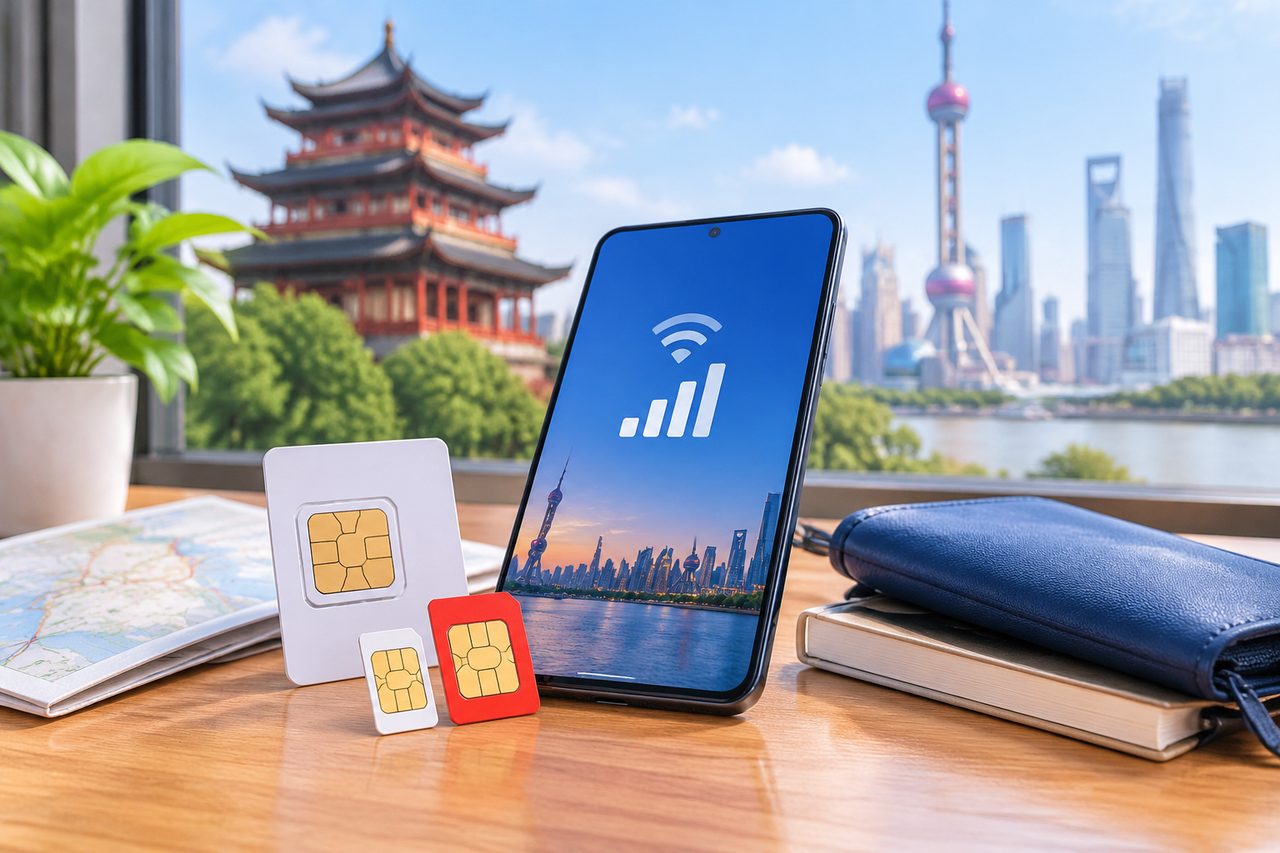
A SIM card in China: what to expect
Do I Need a SIM Card to Use My Phone in China: The Short Answer
Yes — if you want reliable mobile data, local calls, and access to the apps that make daily life work in China, you will need a Chinese SIM card. Most international travelers buy a tourist SIM on arrival or activate an eSIM before departure. The caveat: not every phone works on every Chinese network, and registration rules are stricter than in many Western countries.
For patients traveling to China for medical care, connectivity is not a luxury. You will need your phone for hospital apps, translation, ride-hailing, and staying in touch with family. Understanding how Chinese SIM cards work before you land removes one layer of stress from an already demanding trip.
Who This Is Right For — and Who It Isn’t
A local SIM card is the right choice for most international patients and their companions. It is not the only option, and for some travelers a roaming plan or eSIM is genuinely better.
- Good fit: Stays longer than a few days, need maps and translation apps, expect to make local calls to hospitals or hotels, want a Chinese phone number for registrations.
- Good fit: Travelers whose home carrier offers affordable China roaming but who still want a local data backup.
- Not ideal: Very short trips of 24–48 hours where airport Wi-Fi and a roaming pass cover everything.
- Not ideal: Travelers whose phones are carrier-locked or lack the bands used by Chinese networks — check before you fly.
- Not ideal: Anyone who cannot complete the real-name registration process, which requires a passport.
Being honest about the limits matters. A SIM card solves connectivity, but it does not solve language barriers, hospital navigation, or appointment logistics. Those require human support, which is a separate question from hardware.
The Options, Compared
There is no single “best SIM card for tourists in China” — the right answer depends on trip length, phone compatibility, and how much local calling you need. Here is how the main options compare.
| Option | Typical Setup | Local Number | Best For |
|---|---|---|---|
| Airport tourist SIM | Buy at arrival hall kiosk with passport | Yes | First-time visitors, short stays |
| Carrier store SIM | Visit China Mobile, Unicom, or Telecom shop | Yes | Longer stays, better plan choice |
| Travel eSIM | Activate before departure, data-only | Usually no | Travelers wanting data without a local number |
| Home carrier roaming | Enable before flying | No (home number) | Very short trips, minimal data needs |
If you need a Chinese phone number — for hospital registration apps, delivery services, or hotel check-in — choose a physical SIM or a voice-capable eSIM. If you mainly need maps and messaging, a data-only eSIM is simpler and avoids registration queues.
Registration, Bands, and the Details That Trip People Up
China requires real-name registration for all mobile numbers. You will present your passport at purchase, and the SIM is tied to your identity. This is routine, but it means you cannot simply buy a SIM anonymously or borrow someone else’s.
Phone compatibility is the second hurdle. Chinese networks use specific frequency bands, and a phone bought in another region may not support all of them. Check your device’s supported bands against the carrier’s published list before you travel. If your phone is carrier-locked, unlock it at home first.
Network coverage in major cities is strong. If your treatment is in a large hospital hub such as Beijing or Shanghai, connectivity will rarely be an issue. Patients heading to regional centers should confirm coverage with their carrier.
How Much Does a Tourist SIM Card Cost in China?
Prices vary by carrier, plan length, and data allowance. As a general guide, short-term tourist plans typically cost less than long-term monthly plans, and data-heavy plans cost more than voice-focused ones. Exact pricing changes, so confirm at the point of purchase rather than relying on a figure from an old blog post.
What drives the variance:
- Duration: A 7-day plan costs less than a 30-day plan.
- Data volume: Unlimited or high-data plans carry a premium.
- Carrier: China Mobile, China Unicom, and China Telecom price differently.
- Purchase channel: Airport kiosks may charge more than city stores.
Budget for a modest one-time cost and treat it as part of your travel logistics, not a major expense. The bigger financial questions for medical travel are hospital fees and coordination services, which are separate from connectivity.
Practical Considerations for Medical Travelers
Not always, but it helps. Some hospital registration and communication systems work more smoothly with a local number. If your care is coordinated through an international department or a service like ours, the coordination team can handle much of that communication. Confirm what is required for your specific hospital.
Check your device’s supported bands before you travel. If it is incompatible, consider a basic unlocked phone or a travel eSIM that supports the local network. Airport staff and carrier stores can usually confirm compatibility quickly, but resolving it before you fly is far less stressful.
A SIM card solves connectivity, not coordination. Hospital navigation, language barriers, and appointment logistics are separate challenges. Some patients manage independently; others prefer support. There is no single right answer, and the choice should match your comfort level and the complexity of your care.
Your Next Step
Arriving in China with working connectivity removes one small but real source of anxiety, leaving you free to focus on your health. A local SIM card is a practical first step, and understanding the registration and compatibility rules in advance makes it straightforward.
China Medical Services is not a hospital and does not provide diagnoses. We help international patients navigate Chinese healthcare — from hospital matching to bilingual accompaniment and logistics. If you would like to talk through your situation, you can request a free consultation with no obligation.
For more medical information and treatment options in China, visit chinamedservices.com (China Medical Services).
