GZMU First Hospital Guangzhou: China’s Top Respiratory Care for International Patients
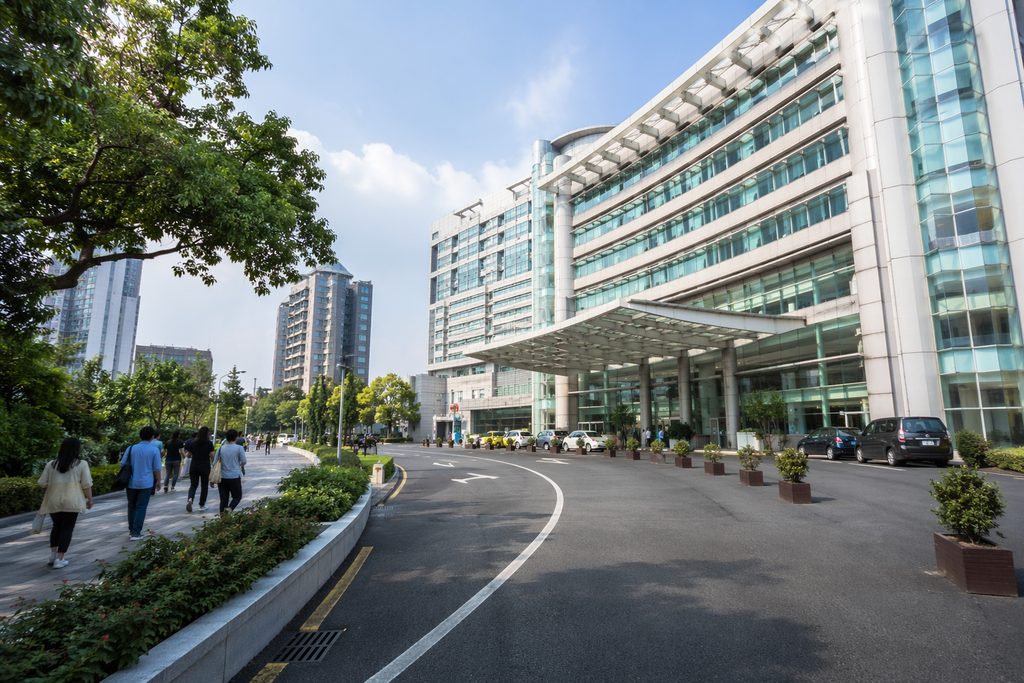
What if the lung specialist you need isn’t in New York, London, or Berlin—but in Guangzhou? And what if getting there, navigating the system, and actually seeing that specialist was not the logistical nightmare you imagine?
Every year, respiratory diseases claim more than 4 million lives globally. COPD alone affects approximately 1 in 8 people over 40. Lung cancer remains the deadliest cancer worldwide. The numbers are grim. But the geography of world-class care has shifted. Quietly. Decisively. The First Affiliated Hospital of Guangzhou Medical University—GZMU First Hospital—now stands as one of the most consequential respiratory centers on the planet. For international patients weighing options, this is not a backup plan. It is increasingly the primary destination.
Key Takeaways
- GZMU First Hospital houses the Guangzhou Institute of Respiratory Health, China’s national center for respiratory diseases, and is consistently ranked as the best respiratory hospital in China by the Fudan University Hospital Rankings.
- The hospital’s respiratory department handles over 30,000 inpatient cases annually—a clinical volume that drives diagnostic precision Western centers rarely match.
- International patients face genuine barriers: no direct overseas appointment booking for standard outpatient clinics, Mandarin-only systems, and upfront payment requirements. Independent navigation is extremely difficult without local language fluency.
- You cannot simply email the hospital and book a specialist. Access flows through the International Medical Center or a coordination service—and understanding this pathway before you travel determines whether you wait weeks or walk in prepared.
The Problem: Respiratory Care Backlogs Are Costing Patients Time They Don’t Have
A patient in Vancouver waits 27 weeks for a pulmonology consultation. In the UK, the NHS target of 62 days from urgent GP referral to first cancer treatment was missed for over 30% of lung cancer patients in 2023. In the United States, a new patient appointment at a top academic pulmonary center can stretch four to six months.
Lung disease does not wait politely.
The global shortage of respiratory specialists compounds this. The WHO estimates a deficit of over 4 million health workers across low- and middle-income countries, but even wealthy nations feel the squeeze. Australia projects a shortfall of 2,300 respiratory physicians by 2030. Canada’s wait times for specialist consultations have worsened for five consecutive years.
Patients are searching. Not just for any hospital—but for a center where respiratory medicine is the central mission, not one department among dozens. Where the clinical volume is so high that rare presentations become pattern recognition. Where the research pipeline feeds directly into the treatment floor.
That search increasingly ends in Guangzhou.
Who We Are
We are not a hospital. We do not provide medical treatment, clinical diagnoses, or therapeutic recommendations. China Medical Services is a medical concierge organization—your logistical bridge to China’s top-tier hospitals. Our team handles the architecture of your medical journey: hospital matching based on your specific diagnosis, appointment coordination through official international patient channels, bilingual medical companion services on the ground, visa guidance, and recovery logistics. We work with over 340 top-ranked hospitals across 37 cities. We know which department specializes in your condition, how to reach them, and what documentation they require before you arrive. We do not promise miracles. We promise preparation.
Why GZMU First Hospital Is the Best Respiratory Hospital in China
The claim is not marketing. It is reflected in the Fudan University Hospital Rankings, China’s most authoritative hospital evaluation system. In the respiratory disease specialty category, GZMU First Hospital has held the top position for over a decade. The hospital is not simply a clinical facility—it is the home of the Guangzhou Institute of Respiratory Health, designated as China’s National Clinical Research Center for Respiratory Disease.
What does that mean for a patient sitting in Manchester or Miami, scrolling through options at midnight?
It means you are looking at an institution where respiratory medicine is not one service line. It is the entire institutional identity.
Clinical Volume That Reshapes Diagnostic Instinct
GZMU First Hospital’s respiratory department manages over 30,000 inpatient admissions annually. The outpatient respiratory clinics see more than 10,000 patients per month. These are not abstract statistics. They translate into something tangible: pattern recognition honed across a patient population larger than many European cities.
A pulmonologist here might encounter more cases of multidrug-resistant tuberculosis in one quarter than a Western specialist sees in a decade. The interstitial lung disease team reviews complex CT patterns daily that appear monthly at smaller centers. This volume does not guarantee better outcomes—no honest clinician would claim that—but it creates diagnostic reflexes that smaller volumes cannot replicate.
For international patients considering how GZMU First Hospital handles lung disease, this matters enormously. Rare presentations are less rare here. Atypical progression gets flagged faster. The clinical gut check is sharper because the sample size is vast.
Research Infrastructure That Feeds the Treatment Floor
The Guangzhou Institute of Respiratory Health runs over 40 clinical trials at any given time. The institute led China’s response protocols during the 2003 SARS outbreak and the COVID-19 pandemic. Professor Zhong Nanshan, the institute’s director, is among the most cited respiratory physicians globally and led the team that isolated the SARS coronavirus in 2003.
But research prestige means nothing to a patient unless it changes what happens in the exam room.
Here, it does. The institute’s work on early lung cancer screening using low-dose CT and AI-assisted nodule detection has been integrated into standard diagnostic protocols. Their research on bronchial thermoplasty for severe asthma informs treatment algorithms used on the clinical floor. Patients at GZMU First Hospital access therapies and diagnostic approaches that are still working their way through publication pipelines elsewhere.
This is not a hospital that reads about advances. It produces them.
Subspecialty Depth Across the Full Respiratory Spectrum
Most hospitals have a pulmonology department. GZMU First Hospital has dedicated units for:
– Thoracic oncology with integrated oncology, radiology, and surgical teams
– Interstitial lung disease with a dedicated ILD multidisciplinary clinic
– Severe asthma and allergy, including biologic therapy management
– Pulmonary hypertension with right heart catheterization capability
– Sleep-disordered breathing with a 30-bed sleep laboratory
– Lung transplantation, one of the highest-volume programs in Asia
– Respiratory infectious diseases, including tuberculosis and emerging pathogens
For a patient asking how GZMU First Hospital handles lung disease, the answer is: with subspecialty teams that see only their narrow slice of respiratory medicine, day after day. A patient with idiopathic pulmonary fibrosis is not seeing a general pulmonologist who also manages asthma, COPD, and pneumonia. They are seeing an ILD specialist whose entire clinical load is interstitial lung disease.
That depth is rare. Even at top Western academic centers, respiratory medicine is often one division within a department of medicine, competing for resources with cardiology, gastroenterology, and nephrology. At GZMU First Hospital, respiratory medicine is the flagship.
The Cost of Respiratory Treatment in Guangzhou: Structural Advantage, Not Discount Medicine
Let us address the obvious question directly. The cost of respiratory treatment in Guangzhou is substantially lower than in the United States or Western Europe. That statement makes some patients nervous. Lower cost must mean lower quality, right?
Wrong. The economics are structural, not qualitative.
| Procedure | GZMU First Hospital (USD) | US Average (USD) | UK Private (USD) |
|---|---|---|---|
| Diagnostic bronchoscopy with biopsy | $800–1,500 | $5,000–8,000 | $3,500–5,500 |
| Lung cancer lobectomy (VATS) | $8,000–15,000 | $40,000–70,000 | $25,000–40,000 |
| PET-CT scan | $400–700 | $3,000–6,000 | $1,500–2,500 |
| Pulmonary function testing (full) | $50–100 | $400–800 | $250–500 |
| Bronchial thermoplasty (3 sessions) | $6,000–10,000 | $25,000–40,000 | $20,000–30,000 |
All costs are estimates in USD and vary by hospital and case complexity. US and UK figures sourced from published 2023-2024 price transparency data and private hospital fee schedules.
The cost gap is not magic. It is math. Chinese hospital labor costs are lower because physician salaries, while rising, remain well below US levels. Hospital construction and equipment costs amortize across vastly higher patient volumes. Administrative overhead in China’s public hospital system runs leaner than the billing and insurance apparatus that consumes roughly 25% of US hospital expenditures.
Clinical outcomes in respiratory medicine at GZMU First Hospital are comparable to top Western centers. Five-year survival rates for early-stage lung cancer treated surgically fall within international benchmarks. Complication rates for bronchoscopic procedures are consistent with published standards. The cost difference reflects economic structure, not clinical compromise.
For international patients evaluating whether foreigners can get lung cancer treatment in China, the answer is yes—and the financial calculus often makes comprehensive treatment accessible to patients who would face financial toxicity at home.
What You Need to Know Before Going Alone
Honesty matters more than enthusiasm. Here are the barriers you will face if you attempt to navigate GZMU First Hospital independently.
- Appointment Booking Does Not Work Like Western Systems: The hospital’s standard outpatient clinics do not accept direct bookings from overseas patients. There is no online portal where you register, select a specialist, and pay with a credit card. Standard registration requires a Chinese ID number or local phone verification. Walk-in registration exists but guarantees nothing—you may wait hours and still not see the specialist you need. The International Medical Center handles foreign patients, but even this channel requires advance coordination, translated medical records, and an understanding of which specialist is appropriate for your condition.
- Language Barriers Are Absolute: GZMU First Hospital operates in Mandarin and Cantonese. Registration kiosks, signage, prescription labels, discharge instructions—all in Chinese. Nurses and most physicians speak limited English. You cannot rely on Google Translate in a clinical setting where “shortness of breath” versus “chest tightness” changes the diagnostic pathway. A missed nuance in translation during a pulmonary consultation can lead to an unnecessary biopsy or a missed diagnosis.
- Payment Is Upfront, Not Billed Later: Chinese public hospitals require payment before services are rendered. You deposit funds at registration, and procedures are debited against that balance. International credit cards are not universally accepted. Hospital payment systems primarily process UnionPay, Alipay, and WeChat Pay. Cash deposits are possible but logistically cumbersome for amounts exceeding a few thousand dollars. Insurance direct billing is not available through the public hospital system—you pay first and seek reimbursement from your insurer afterward.
These barriers exist for structural reasons, not malice. The system was built for a domestic patient population of 1.4 billion people. International patients are an afterthought in the standard workflow. The International Medical Center exists precisely because the standard pathway is impassable for foreigners.
How We Help You Navigate This
Our role is not to open doors that are closed. It is to walk you through the doors that exist—efficiently, with all documentation ready, and with a bilingual clinical companion at your side.
Before you travel, we handle the foundational work. You send us your medical records—imaging, pathology reports, treatment history, current medication list. Our team translates these into clinical Chinese, not machine translation but medically precise language that a Chinese pulmonologist can act on immediately. We identify the appropriate subspecialist based on your diagnosis. A patient with suspected ILD needs the interstitial lung disease team, not the general respiratory clinic. We know which department handles what.
We then coordinate with the hospital’s International Medical Center to schedule your consultation. This is not a guarantee of a specific appointment time—no honest service can promise that at a public hospital seeing thousands of patients daily. But it means you arrive with an appointment, not a hope. For patients seeking to book an appointment at GZMU First Hospital’s international patient service, this coordination step is the difference between a structured visit and chaos.
Once you arrive in Guangzhou, a bilingual medical companion meets you at the hospital. This person handles registration, payment deposits, queue management, and navigation between departments. They sit with you during consultations and translate in real time—not just words, but context. When the pulmonologist explains that your CT shows ground-glass opacities with traction bronchiectasis suggesting usual interstitial pneumonia pattern, your companion ensures you understand what that means for your treatment options.
After discharge, we coordinate follow-up care. If your treatment plan requires ongoing monitoring, we arrange remote consultation pathways or schedule return visits. If you need rehabilitation services, we connect you with appropriate facilities.
Frequently Asked Questions
Can foreigners actually get lung cancer treatment at GZMU First Hospital?
Yes. The hospital’s thoracic oncology program treats international patients regularly. The pathway goes through the International Medical Center, not the standard outpatient system. You will need translated medical records, a confirmed diagnosis with pathology reports, and imaging in DICOM format. The hospital accepts international patients for surgical oncology, chemotherapy, radiotherapy, and immunotherapy. Clinical trial enrollment for international patients is more complex and evaluated case by case.
How much should I budget for a full respiratory workup in Guangzhou?
A comprehensive respiratory evaluation—including specialist consultation, full pulmonary function testing, high-resolution CT chest, and bronchoscopy with biopsy if indicated—typically ranges from $2,000 to $5,000 USD. This varies significantly based on the complexity of imaging required, whether sedation is needed for bronchoscopy, and how many specialist consultations are involved. Surgical procedures add substantially to this baseline. Always budget for accommodation, meals, and local transportation for at least two weeks, as diagnostic workups rarely complete in a single visit.
What if the diagnosis or treatment recommendation differs from what I was told at home?
This happens more often than patients expect—not because anyone is wrong, but because different clinical environments develop different diagnostic thresholds and treatment philosophies. Chinese pulmonologists tend to be more interventional with bronchoscopy and more aggressive with early surgical resection of suspicious nodules. Western centers often lean toward longer surveillance intervals. Neither approach is categorically superior. If you receive conflicting recommendations, we can arrange a multidisciplinary team video consultation that includes specialists from both your home country and GZMU First Hospital. This costs $1,500–2,000 and provides a structured forum for reconciling different clinical perspectives.
Do I need a visa specifically for medical treatment, or can I use a tourist visa?
You need an S2 visa with medical treatment noted as the purpose. Tourist visas (L category) do not authorize medical treatment, and using one for this purpose risks entry denial or complications during your stay. The S2 visa requires an invitation letter from the treating hospital—which the International Medical Center provides once your appointment is confirmed. Processing typically takes 5–10 business days at your local Chinese embassy or consulate. Do not book flights until the visa is in hand.
What happens if I need emergency care while in Guangzhou for treatment?
GZMU First Hospital operates a 24-hour emergency department. If you experience acute respiratory distress, hemoptysis, chest pain, or any post-procedural complication, you go directly to the emergency department—not back to the outpatient clinic. Your medical companion should accompany you to handle registration and translation. Emergency care in China is provided regardless of ability to pay upfront, but you will need to settle the bill before discharge. We recommend maintaining a cash reserve or accessible credit line specifically for unexpected emergency costs.
Your Next Step
The best respiratory hospital in China is not a secret. The data is public, the outcomes are published, and the clinical volume is documented. What remains difficult is access—the logistical layer between knowing where to go and actually walking through the right door prepared.
That is the problem we solve. Not with shortcuts or special relationships, but with preparation, translation, and on-the-ground presence. If you are considering GZMU First Hospital for lung disease treatment, start with a conversation. Tell us your diagnosis, where you are in your treatment journey, and what you hope to achieve. We will tell you honestly whether Guangzhou makes sense for your specific situation—and if it does, we will handle the architecture of getting you there.
Learn more about how our international patient coordination works. No pressure. No pitch. Just information that helps you make the next right decision.
Disclaimer: This article provides general information about hospital services and medical travel logistics. It does not constitute medical advice, diagnosis, or treatment recommendation. Always consult qualified medical professionals regarding your specific condition. Treatment decisions should be made jointly with your healthcare provider based on your individual clinical circumstances.
For more medical information and treatment options in China, visit chinamedservices.com (China Medical Services).
