Get Discharge Records in English from Chinese Hospital: A Step-by-Step Guide
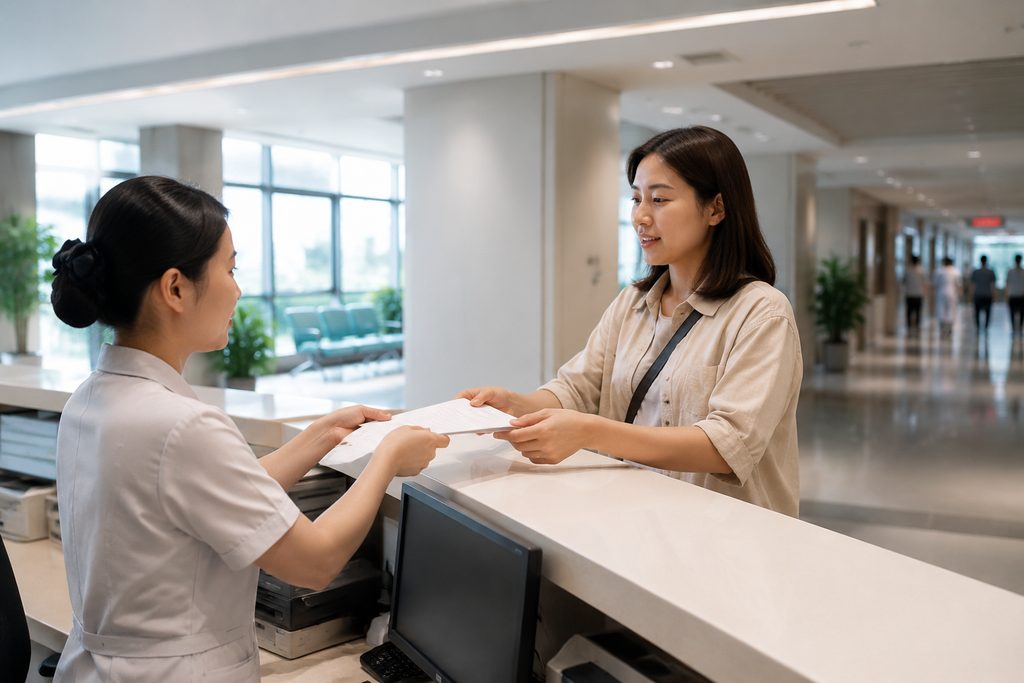
When 56-year-old David was discharged from a Shanghai hospital after an unexpected cardiac procedure, he felt relief wash over him. That feeling lasted about ten minutes. Walking out with a thick envelope of documents, he realized every single page was in Mandarin. His cardiologist back in Manchester needed those records. Fast. David had just walked into a common but deeply frustrating problem: getting a Chinese hospital’s discharge summary into English isn’t as simple as asking the nurse for a printout. It’s a multi-step process that trips up even the most organized travelers. But it is solvable. This guide covers exactly how to obtain certified, medically accurate English versions of your inpatient records, what it costs, and the pitfalls that cause delays.
Get Discharge Records in English from Chinese Hospital: The Short Answer
You can get your Chinese hospital discharge records in English. The path depends on where you were treated. Major public hospitals with an international department often provide a basic English discharge summary upon request before you leave. Smaller hospitals or standard public wards typically issue records only in Chinese. In those cases, you will need a certified medical records translation service China English to produce a version your home physician can use. The process usually takes anywhere from same-day service in international wings to two weeks for certified translations of complex files.
The caveat is that no single rule applies across China’s 35,000+ hospitals. A top-tier facility in Beijing operates differently from a regional hospital in a smaller city. Knowing which scenario you are in determines your next move.
Who Needs This Service — and Who Doesn’t
Not every patient requires a formal translation. Some home doctors can review key lab values and imaging reports without a full narrative translation.
A certified English translation is typically necessary when:
- Your home physician needs to continue or adjust a treatment plan started in China.
- An insurance company requires English documentation to process a claim.
- You are transferring care to a new specialist who needs the full clinical context.
- The records will be used for legal or disability evaluation purposes.
You can probably skip a full translation service if:
- Your doctor only needs a few numeric lab results, which are universal.
- You have imaging on a CD in DICOM format, which any radiologist can read regardless of language.
- You were treated at a JCI-accredited international hospital that already provided an English summary at discharge.
Being honest about who should *not* pay for translation is what makes the rest of this advice useful. If you only need a cholesterol number, don’t pay to translate twenty pages of nursing notes.
The Options, Compared
Three practical routes exist for getting your records into English. They differ sharply in speed, cost, and medical reliability.
| Option | Typical Turnaround | Estimated Cost | Best For |
|---|---|---|---|
| Hospital International Department | 1–3 days (sometimes same-day if requested at discharge) | $0–$50 (often free for inpatients) | Patients still in the hospital or treated in a known international wing |
| Certified Medical Translation Agency | 3–10 business days | $30–$80 per page (varies by complexity and urgency) | Records from standard public wards; legal or insurance submissions |
| Independent Medical Translator | 1–5 days | $20–$50 per page | Budget-conscious patients who can verify the translator’s medical credentials |
The hospital route is fastest and cheapest. But it is only available at a subset of facilities. If you were discharged from a standard ward at a top-ranked public hospital like Peking Union Medical College Hospital, the discharge office likely hands you a Chinese-only document. You will need one of the other two options. A certified agency costs more than an independent translator but provides quality control that matters when your home doctor is making decisions based on those words.
How to Get Chinese Hospital Discharge Summary in English: The Exact Workflow
The question “how to get Chinese hospital discharge summary in English” breaks down into a sequence that starts while you are still in the hospital bed.
First, ask your attending physician or ward nurse whether the hospital has an international department that issues English summaries. Do this before discharge. Once you walk out, the window for a free or low-cost hospital translation often closes.
If the answer is yes, request the English discharge summary in writing. You will typically need to provide your passport number and a formal written request. Some hospitals require a small fee, paid at the cashier before the document is released.
If the answer is no, collect every page of your Chinese records before leaving. That means the discharge summary (出院小结), all lab reports, imaging reports, and the medication list. Check that each page bears the hospital’s official stamp. A missing stamp can cause a translation agency to reject the document as unverifiable.
Then, contact a translation service that specializes in medical documents. General translation won’t do. A mistranslated drug name or dosage can cause real harm. The service should assign a translator with clinical knowledge, and the final document should carry a certificate of accuracy if your home doctor or insurer requires it.
The agency will ask for clear scans or photos of your stamped originals. They quote by page count and complexity. A discharge summary with handwritten notes takes longer than a typed lab sheet. Rush service nearly always costs extra—sometimes double.
What It Costs and How Long It Takes
The question “get medical records from Beijing hospital in English cost” doesn’t have a single answer. It depends on page count, complexity, and urgency.
A short, typed discharge summary of one to two pages from a translation agency typically runs $60 to $160. A full inpatient record—admission notes, daily progress notes, operative report, anesthesia record, lab flowsheets—can easily reach $300 to $600. Handwritten notes drive the price up because they require slower, more painstaking work.
Rush delivery in 48 hours often adds 50% to 100% to the base rate. Standard delivery of three to seven business days is the norm for agencies with dedicated medical translators.
If you are still in China, hospital international departments in Beijing like those at top-ranked facilities in the capital may provide a basic summary at little or no charge. But do not expect a word-for-word translation of every page. You get a concise clinical summary in English, which is often exactly what your home doctor needs.
What is not included: notarization, apostille, or legalization for court use. Those are separate services with separate fees. Courier shipping of physical certified copies also adds cost.
Practical Considerations: Records, Stamps, and Legal Weight
The phrase “can I request English medical report from Chinese hospital” implies a simple yes or no. The real answer is yes, but the report’s legal and clinical weight depends entirely on the issuing body and the stamps it carries.
A translation produced by the hospital’s own international department and bearing the hospital seal carries the most weight with foreign physicians and insurers. It is a primary source document.
A translation from an external agency, even a certified one, is a secondary document. It should always be accompanied by a copy of the original Chinese records. The original holds the legal value. The translation is a convenience. Insurers sometimes push back on externally translated documents unless they come with a translator’s declaration and certification.
Also, request your records promptly. Chinese hospitals are legally required to retain inpatient records for at least 30 years, but retrieving archived records takes time. A request made six months after discharge can take weeks to fulfill. If you think you might need them later, get copies now. Digital scans of the stamped originals are enough to start a translation.
Payment for translation services is nearly always upfront. Most agencies accept international bank transfers or credit cards. Hospital international departments may accept cash or WeChat Pay, which creates a hurdle if you are already back home. Having a contact on the ground helps with these logistics.
Frequently Asked Questions
You can, but you shouldn’t rely on it for medical decisions. Apps handle simple phrases decently. They fail on drug names, dosages, and clinical abbreviations. A mistranslation of “qd” versus “qid” changes once-daily to four-times-daily dosing. For anything your home doctor will act on, use a human medical translator.
If you search for “medical document translation from Chinese to English hospital near me” while back in your home country, expect to pay local market rates. A local agency may charge $40–$100 per page. They often outsource to the same translators you could hire directly from China-based services at a lower rate. Comparing quotes from both markets is worth the effort.
Some insurers require it. Others accept a certified translation with a signed accuracy statement from the translator. Check your policy’s claims documentation requirements before ordering. Notarization adds time and cost. You do not want to pay for it twice.
Hospital-produced English summaries are often abbreviated. They cover the diagnosis, key procedures, and discharge medications. They may omit daily lab trends or detailed operative notes. If your home specialist needs the full picture, you can request the complete original Chinese record and have the missing sections translated separately. That keeps cost down compared to retranslating everything.
Yes. A family member or a service acting with your written authorization can request copies of your records from the hospital’s medical records department. The authorization letter must include your full name, passport number, hospital ID number, and the specific documents requested. A copy of your passport is typically required. This is one area where having a local bilingual contact saves days of back-and-forth.
Your Next Step
Getting your discharge records in English is entirely doable. The key is knowing before you leave the hospital whether you will receive an English summary or a Chinese-only document. If it’s Chinese-only, secure stamped copies immediately. You can then engage a translation service from anywhere in the world.
Our team helps patients and their families navigate exactly these logistical challenges. We are not a hospital. We do not provide medical advice or diagnoses. We connect international patients with China’s top-ranked medical institutions and coordinate the practical details—including obtaining and translating medical records—so that your care continues seamlessly back home. If you need help retrieving or translating your Chinese hospital records, reach out for a free consultation. We’ll help you figure out the fastest, most reliable path forward.
For more medical information and treatment options in China, visit chinamedservices.com (China Medical Services).
