Best Hospitals in Suzhou for Foreigners: Silicon Valley of China Medical Excellence
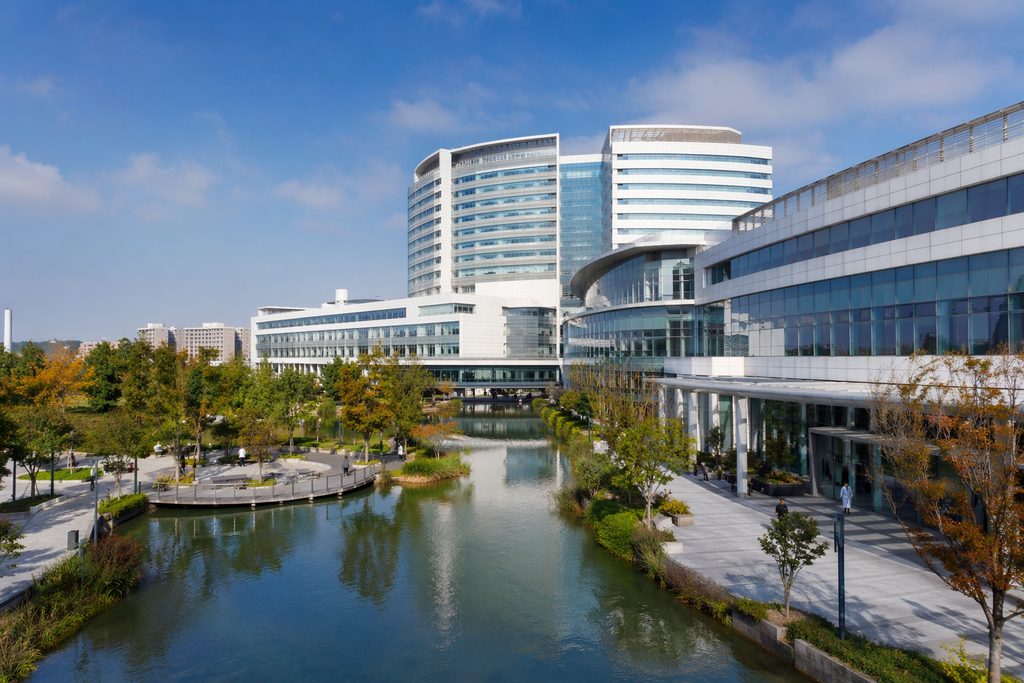
Key Takeaways
- Suzhou has rapidly emerged as a medical destination, with over 3,700 healthcare facilities now serving a population exceeding 12 million, including a growing number of JCI-accredited hospitals designed for international patients.
- The city uniquely blends cutting-edge Western medical infrastructure with authentic Traditional Chinese Medicine, offering integrated treatment plans you simply won’t find in a standard Western hospital.
- Navigating a Chinese public hospital alone without Mandarin fluency can be genuinely disorienting—even the best hospitals have complex, app-based registration systems that stump most foreign visitors.
- You should understand that “international department” pricing is a premium tier, yet it still routinely comes in at a fraction of US costs for comparable surgical quality.
The Problem: When Cost and Wait Times Block Your Path to Care
Waiting is expensive. Not just in dollars, but in days you cannot get back. In Canada, the median wait time between a specialist visit and an orthopedic surgery reached 27.4 weeks in 2023, according to the Fraser Institute. In the UK’s NHS, over 7.5 million people sat on treatment waiting lists as of mid-2024. For a hip replacement in the United States, you are looking at a bill that can easily top $40,000 even with good insurance—and that is if your insurer approves the procedure without a fight.
This is the reality for millions of patients across North America, Europe, and Australia. The system is stretched thin. The costs are staggering. And for many, the idea of seeking care abroad feels like a leap into the unknown. The fear is real. Will the quality be there? Will I be able to communicate? What if something goes wrong?
These are the right questions to ask. And for a growing number of international patients, the answer leads to a surprising place. Not Bangkok. Not Seoul. But Suzhou, China.
Who We Are
There is a direct, proven link between how often a surgeon performs a procedure and how well their patients do. A study in The Lancet Rheumatology highlighted that higher surgeon volume is strongly associated with lower complication rates in joint replacement surgeries. In a top Chinese orthopedics department, a specialist might perform 300 to 500 hip replacements a year. The average US orthopedic surgeon performs around 65 annually. This is not a small gap. This is the difference between a surgeon who does your procedure twice a month and one who does it every single day. When you search for the best hospital Suzhou for foreigners, you are often looking for a center with this exact high-volume profile.
Walk into the international patient department of a major Suzhou hospital and you will see digital check-in kiosks, AI-assisted imaging analysis, and robotic surgical systems like the da Vinci Xi. But the real efficiency is less visible. It is in the speed of diagnostics. A patient can often have a CT scan in the morning and a specialist review in the afternoon. The structural reality is that these hospitals are designed for throughput without sacrificing precision. They run on a scale that Western hospitals, constrained by different staffing models, simply cannot match.
Does lower cost mean corner-cutting? Not here. The economics are structural, not clinical. The cost of labor, pharmaceuticals, and device manufacturing is lower in China. That is the whole story. A hip replacement that costs $40,000 in the US might run $12,000 to $18,000 at a top-tier private or international department in Suzhou. The implants are often the same global brands—Zimmer Biomet, Stryker, DePuy Synthes. The surgeons have often trained internationally. The difference in price does not reflect a difference in the sterile protocol or the implant quality. It reflects a different economic model.
| Procedure | Average US Cost (USD) | Suzhou International Dept. Estimate (USD) |
|---|---|---|
| Hip Replacement | $40,000+ | $12,000 – $18,000 |
| Knee Replacement | $35,000+ | $11,000 – $17,000 |
| Cardiac Bypass (CABG) | $120,000+ | $20,000 – $30,000 |
| Comprehensive Health Screening | $2,500 – $5,000 | $800 – $2,000 |
Note: These are estimates that vary by hospital and case complexity. They are for reference only.
What You Need to Know Before Going Alone
The hospitals exist. The technology is real. But the path to accessing it has genuine friction. We tell every patient this upfront because the honesty matters. Going alone is possible. But it is hard.
- Visa Requirements: You cannot just buy a plane ticket and walk into a surgical ward. Medical treatment in China requires an S2 visa, specifically endorsed for medical purposes. A standard tourist (L) visa or business (M) visa is technically incorrect and can create serious problems at immigration or with hospital admission. The application requires a formal invitation letter from the hospital—something an individual cannot easily generate without an established contact.
- Payment Systems: China runs on WeChat Pay and Alipay. Your Visa or Mastercard might work at a hotel, but it will frequently fail at a hospital payment counter. International departments can handle wire transfers, but the process is slow. You need a clear payment plan established before you arrive. Public hospitals also operate on a pre-paid deposit system. You load funds onto your patient ID card. If the balance runs low, services pause. This is a shock if you are used to post-treatment billing.
- Medical Records and Language: An international patient department Suzhou hospital will have English-speaking staff, but your medical history does not magically translate itself. Lab values, imaging reports, and surgical notes must be professionally translated into Mandarin for the Chinese surgical team. A casual translation by a friend is not enough. A single mistranslated allergy or comorbidity can change a surgical outcome.
How We Help You Navigate This
These barriers exist for structural reasons. They are not there to keep you out, but they are not going away either. Our process is designed to dissolve each one of them, step by step.
Before you travel, we translate your medical records and imaging into clinical-grade Mandarin and share them with the right departments. We do not just send them to a general mailbox. We know which coordinator at which JCI accredited hospitals in Suzhou China list handles orthopedic inquiries versus oncology inquiries. We secure the official hospital invitation letter required for your S2 visa application.
During your stay, a bilingual medical companion handles the physical logistics. They stand in the registration queue at 7:00 AM. They swipe the payment card at the right terminal. They sit with you during the consultation and make sure you understand every word the surgeon says—and that the surgeon understands your questions. This is not a luxury. It is a safety mechanism. After discharge, we coordinate follow-up imaging and video consultations so you do not have to stay in Suzhou longer than medically necessary.
Is Suzhou good for cancer treatment abroad? The answer is increasingly yes. The city’s top oncology centers use the same NCCN-guided protocols you would find at a major US cancer center, with access to advanced radiotherapy like proton therapy and a wide range of targeted therapies. The difference, again, is cost and speed. A PET-CT scan that takes weeks to schedule and costs thousands in the US can often be done within days in Suzhou for a fraction of the price. For patients exploring medical tourism packages Suzhou price points, oncology is a growing focus area, with integrated TCM support for managing chemotherapy side effects that many patients find genuinely helpful.
Our role is case management. We coordinate appointments through official hospital international channels. We never promise to jump a queue or guarantee a specific surgeon on a specific date. We promise to work relentlessly to find the right clinical match and handle every logistical detail. If we cannot secure the appointment you need, our coordination fee is refunded in full.
Frequently Asked Questions
How much does hip replacement cost in Suzhou China, really?
The all-in cost for a primary hip replacement at a private or international department in Suzhou typically ranges from $12,000 to $18,000 USD. This usually covers the implant, surgeon fees, anesthesia, and a private room for 3-5 days. It does not usually include your flight, visa, or post-operative physiotherapy. The final number swings based on implant choice and any unexpected medical complexities. It is always a range, never a fixed price until a clinical assessment is done.
Are there any JCI accredited hospitals in Suzhou China list I can trust?
Yes. Suzhou Kowloon Hospital, for example, is accredited by JCI (Joint Commission International), which means it has passed rigorous international standards for patient safety and quality. Several other hospitals in the Suzhou Industrial Park area operate international patient departments that, while not all JCI-accredited, are built to Western standards of care with English-speaking staff, private rooms, and direct billing capabilities.
What if I need a procedure and just cannot find the right surgeon at home?
This is one of the most common reasons patients contact us. They have a complex cardiac issue or a rare orthopedic condition and have been told they are not a candidate, or the wait is over a year. China’s top hospitals see a volume of rare pathology that is unmatched. We connect your case directly with department heads who review your imaging and give a straight answer on what is surgically possible. A written second opinion from a top specialist in Suzhou starts from $300 USD. If you then proceed to surgery with us, that fee is credited back in full.
Is the language barrier really that bad in a major city?
Outside the international department, yes. A nurse in the general ward will not speak medical English. The pharmacy will give you instructions in Chinese characters. The WeChat mini-program you need to see your lab results has no English interface. This is not a criticism of the system—it is a Chinese hospital serving a Chinese population. But it is why a bilingual companion is not an add-on. It is the single most important tool you have for a safe, sane experience.
Your Next Step
You have the facts. The clinical outcomes are strong, the technology is modern, and the cost savings are substantial. The challenge is not the medicine—it is the maze around it. You do not need to navigate that maze alone, and you should not try to. Get a clear, honest assessment of your options. No pressure. Just a conversation about what is possible.
Speak with our team. We will review your case and map out a realistic path forward. Request a free consultation today.
For more medical information and treatment options in China, visit chinamedservices.com (China Medical Services).
