Nanjing Drum Tower Hospital Guide: Fudan Rank 38, Costs & How to Book as an International Patient
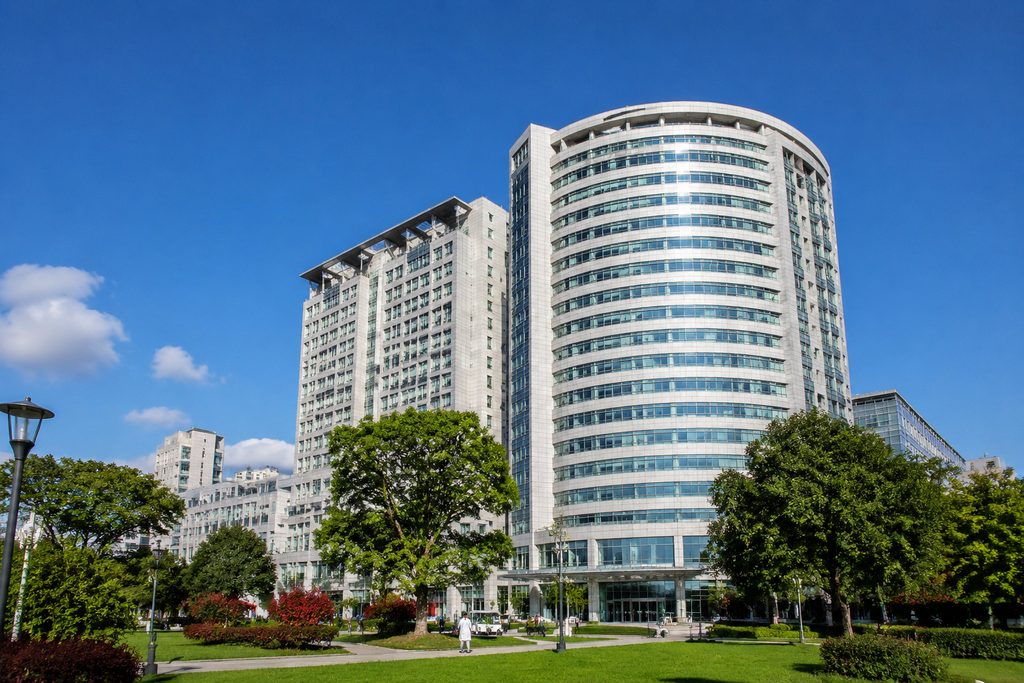
Key Takeaways
- Nanjing Drum Tower Hospital holds a prestigious A++++ rating in the Fudan national rankings, placing it among the top 5% of China’s 35,000+ hospitals for comprehensive strength.
- The hospital’s international patient center provides a structured pathway for foreigners, but you cannot simply walk in and book a specialist consultation online without going through the right internal channel.
- While the clinical quality is world-class, the on-the-ground experience in a massive Chinese public hospital can be overwhelming without Chinese language skills; bilingual support is not a luxury here, it is a practical necessity.
- Understanding the real cost structure—from the official Nanjing Drum Tower Hospital international patient price list to the coordination fees—prevents financial surprises before you travel.
The Problem: World-Class Care Hidden Behind a Wall of Complexity
You have read the rankings. Nanjing Drum Tower Hospital sits firmly in the Fudan Hospital Ranking’s top tier—an A++++ institution, often referenced by international medical travelers as “Fudan national rank 38.” The clinical reputation is undeniable. But for a foreigner sitting thousands of miles away, the gap between knowing the hospital is excellent and actually securing treatment there feels impossibly wide. The hospital’s main switchboard will not connect you to an English-speaking coordinator. The online registration app requires a Chinese ID number. The sheer volume of over 10,000 daily outpatient visits means the system is built for domestic efficiency, not international accessibility.
This is the core tension of seeking care at China’s elite public hospitals. The expertise is concentrated, the technology is cutting-edge, and the cost compared to Western private care is dramatically lower. But the infrastructure assumes you speak the language and understand the unwritten rules of the system. For international patients, navigating this alone often leads to wasted days, miscommunication, and the very real possibility of giving up before you ever see the right specialist.
Why Nanjing Drum Tower Hospital Belongs on Your Shortlist
This is not a hospital that needs inflated marketing. Founded in 1892, it is one of China’s oldest Western-medicine hospitals, and its current position in the national hierarchy is backed by hard data. The Fudan ranking system does not assign specific numerical ranks beyond the top tier, but an A++++ designation is the highest possible grade, shared by only a handful of comprehensive hospitals nationwide. When people ask “is Fudan national rank 38 hospital good,” the answer requires understanding that the number 38 is a historical approximation from older ranking methodologies—the current grade tells you it is among the absolute best.
Clinical Volume That Builds Surgical Precision
Scale matters in complex procedures. A surgeon who performs a specific intervention 300 times a year operates in a different cognitive space than one who does it 30 times. Nanjing Drum Tower Hospital handles a patient volume that outstrips most Western academic medical centers. Its Department of Hepatobiliary Surgery, for instance, is a national reference point. The hospital’s rheumatology and immunology department runs one of the largest clinical programs in China. This is not abstract prestige—it translates into teams that have seen the rare presentations, the difficult complications, and the edge cases that smaller centers might encounter once a decade.
Structural Cost Advantages Without Clinical Compromise
The question of the “Nanjing Drum Tower Hospital medical tourism package cost” is one we hear constantly. The honest answer is that the hospital itself does not sell packaged deals. But the underlying economics are compelling. A complex orthopedic procedure that might bill at $80,000 in the United States can often be performed here for a fraction of that—sometimes as low as one-fifth to one-tenth—when you account for the hospital’s standard charges. The cost differential is not about lower quality. It is structural: lower labor costs across the entire healthcare workforce, high patient throughput that spreads fixed equipment costs, and a supply chain that is not burdened by the administrative overhead of the US insurance system. The Nanjing Drum Tower Hospital international patient price list, when you access it through the proper channels, reflects these baseline economics.
What the International Patient Price List Actually Covers
Searching for a “Nanjing Drum Tower Hospital international patient price list” online will mostly return dead ends. The hospital does not publish a public-facing menu of procedure costs for overseas patients. What exists is an internal schedule of charges for the International Medical Service Center, and accessing it requires a formal inquiry through a coordination pathway. The pricing structure typically separates into three buckets: the hospital’s own charges for consultations, diagnostics, and procedures; the medication and consumables costs, which vary by treatment plan; and the coordination and language-support fees, which cover the logistics of making the system work for a non-Chinese speaker.
A consultation with a senior specialist through the international channel might range from $200 to $500. Advanced imaging—MRI, CT, PET-CT—is priced competitively, often at a quarter of what a US hospital would bill an uninsured patient. Surgical procedures are quoted on a case-by-case basis after the clinical team reviews your records. The key variable is whether the hospital can offer a fixed-price package for your specific condition, which sometimes happens for high-volume procedures, or whether the quote will be an estimate with a range.
How to Book an Appointment as an Overseas Patient: The Real Pathway
The impulse to “book appointment Nanjing Drum Tower Hospital overseas patient” by finding a direct email or an online booking form is understandable. It is also destined to fail if you approach it like booking a hotel reservation. The hospital’s International Medical Service Center does exist and does handle foreign patients, but the intake process is designed around medical necessity, not transactional booking. You cannot reserve a surgery slot before a Chinese specialist has reviewed your case and confirmed that treatment here is appropriate.
The functional pathway works in stages. First, your existing medical records—imaging, pathology reports, treatment history—must be translated and submitted for a preliminary review. A specialist will assess whether your case falls within their department’s scope and whether they can offer a meaningful treatment advantage. Only after that review yields a positive indication does scheduling become possible. Attempting to reverse this sequence—booking flights and hotel first, then trying to secure an appointment upon arrival—is the single most common mistake we see international patients make. The hospital’s VIP and international channels can coordinate admission timelines, but the clinical gatekeeping step cannot be skipped.
What “Best Hospital in Nanjing for International Patients” Really Means
Nanjing is not Beijing or Shanghai. The city has fewer internationally-oriented private hospitals, which means the “best hospital in Nanjing for international patients” conversation narrows quickly. Nanjing Drum Tower Hospital is the obvious frontrunner for complex tertiary care—its comprehensive strength, as reflected in the Fudan A++++ grade, covers a breadth of specialties that no other Nanjing hospital matches. But “best” depends entirely on what you need.
For a highly specialized surgical procedure, Drum Tower’s depth in departments like hepatobiliary surgery, rheumatology, and obstetrics makes it the reference point. For a routine health screening or a minor outpatient procedure where language convenience is the priority, a private international clinic might be a smoother experience, even if the clinical brand is less prestigious. The question “how good is Nanjing Drum Tower Hospital for foreigners” therefore splits into two answers: clinically, it is among the best in China, period. Operationally, the experience for a foreigner depends almost entirely on whether you have competent bilingual coordination. The hospital’s medical quality is independent of your language skills. Your ability to access it efficiently is not.
Practical Considerations: Documents, Visas, and Payment Realities
Preparing to visit Nanjing Drum Tower Hospital as an international patient requires attention to administrative details that clinical rankings do not cover. The first is documentation. You will need a complete set of your medical records translated into Chinese or, at minimum, English. The hospital’s international team can work with English records, but the specialists who ultimately review your case read and write in Chinese. The translation step is not optional if your records are in Arabic, French, Russian, or another language not routinely handled by the center.
Visa logistics are straightforward in principle but strict in execution. Medical treatment in China falls under the S2 visa category—a short-term private affairs visa that can be annotated for medical purposes. This is not the M visa, which is exclusively for commercial and trade activities. Applying for an S2 visa requires an invitation letter from the hospital, which the International Medical Service Center can issue once your case has been accepted. Family members accompanying you also apply for S2 visas. Processing times vary by country, but you should budget at least four to six weeks from case acceptance to having visas in hand.
Payment is another reality to confront early. Chinese public hospitals, including their international departments, operate on a prepayment or deposit model. You will need to place a deposit before admission, and additional funds may be requested as treatment progresses. International credit cards are accepted at the international center, but limits on foreign card transactions can be surprisingly low. Wire transfers to the hospital’s account are often more practical for surgical deposits. Most international patients pay out of pocket and seek reimbursement from their home-country insurer afterward; direct billing arrangements are rare at public hospitals, even through their international wings. We advise confirming your insurer’s policy on overseas treatment reimbursement before you commit to travel.
Frequently Asked Questions
You can obtain a preliminary cost estimate, but not a comprehensive public price list. The hospital’s International Medical Service Center provides estimates on a case-by-case basis after reviewing your medical records. A remote written second opinion, which includes a treatment plan indication and associated cost range, typically costs between $300 and $500 and is the most reliable way to get a financial picture before committing to travel.
The Fudan ranking uses an A++++ tier system, not a fixed numerical rank. An A++++ rating places Nanjing Drum Tower Hospital in the top cohort of Chinese hospitals, comparable in clinical capability to major Western academic medical centers. The volume of complex procedures performed here often exceeds that of similarly-ranked Western hospitals, which can translate into greater surgical experience for high-risk interventions.
This is a legitimate concern that every international patient should address before traveling. The hospital will provide a discharge summary and treatment record in English upon request. Follow-up consultations can often be conducted via video call through the international center, with fees ranging from $100 to $300 per session. You should also establish a relationship with a local physician in your home country who can manage ongoing care and receive the hospital’s clinical correspondence.
The hospital itself does not sell packaged medical tourism deals. What exists is a coordination ecosystem: the hospital provides the clinical service, and independent medical coordination services handle logistics like airport transfers, accommodation recommendations, and bilingual accompaniment. Any “Nanjing Drum Tower Hospital medical tourism package cost” you see advertised is almost certainly a third-party coordination bundle, not a hospital product. Verify exactly what is included and who is providing each component.
A realistic timeline, assuming your case is accepted, runs six to ten weeks. The initial record review and specialist feedback takes one to two weeks. Visa processing after receiving the hospital invitation letter takes three to five weeks in most countries. Scheduling the actual procedure depends on the department’s availability and the urgency of your case. Complex surgeries may require a pre-admission consultation in person before a surgery date is confirmed, which can add another week on the ground.
Your Next Step
Nanjing Drum Tower Hospital’s A++++ Fudan ranking is not just a badge—it reflects a depth of clinical capability that makes it a serious option for international patients seeking high-acuity care at a rational cost. The barrier has never been medical quality. It has been the complexity of accessing that quality from outside China. Our team at China Medical Services exists to bridge that gap: we translate records, coordinate with the hospital’s international center, and provide the bilingual ground support that makes the difference between a frustrating experience and a focused medical journey. If you are ready to explore whether Nanjing Drum Tower Hospital is the right fit for your case, we invite you to start with a free consultation—no cost, no commitment, just an honest conversation about your options.
Request a free consultation to discuss your case and determine whether Nanjing Drum Tower Hospital is the right clinical match for your needs.
For more medical information and treatment options in China, visit chinamedservices.com (China Medical Services).
