What Causes Bladder Leakage: Understanding Types, Triggers, and Treatment Paths in China
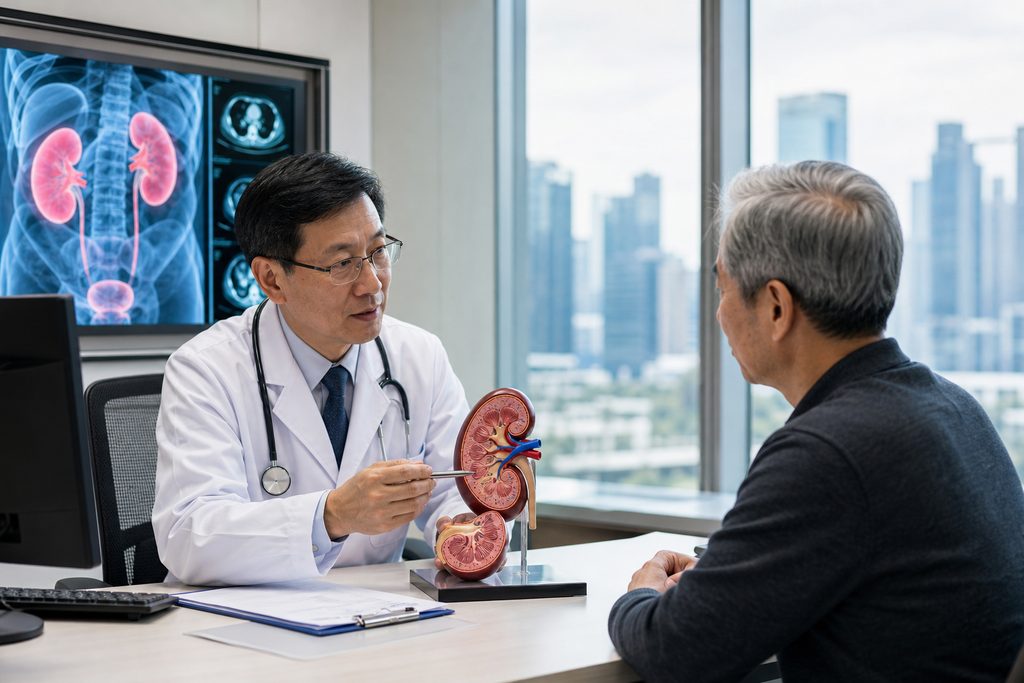
While an American woman might wait 4-6 weeks to see a urogynecologist for stress incontinence, a patient at Shanghai’s Zhongshan Hospital can often secure a specialist consultation within 3-5 working days through the hospital’s international department. The underlying condition is the same. The pathway to answers is not.
Bladder leakage, clinically known as urinary incontinence, affects an estimated 200 million people worldwide. For women over 40, the prevalence rate hovers around 25-45%. Yet most patients suffer silently for years before seeking help. The causes are varied, often overlapping, and frequently treatable. Understanding what actually drives the leakage is the first step toward choosing the right intervention — whether that means pelvic floor therapy in your home country or evaluating bladder leakage treatment cost China as part of a broader medical travel decision.
How This Actually Works, Step by Step
You have been managing pads, planning bathroom routes, and avoiding certain movements. Maybe you leak when you cough. Maybe you leak when you hear running water. The path from where you are now to a clear diagnosis and treatment plan follows a predictable sequence.
First, you gather your medical history. That means any prior pelvic surgeries, childbirth details, current medications, and a two-to-three-day bladder diary tracking fluid intake, voiding frequency, and leakage episodes. You send these records — translated into English or Chinese — to the urology or urogynecology department you are considering.
Second, a specialist reviews the records. For international patients considering treatment in China, this often happens through a written second opinion or video consultation. The doctor assesses whether your symptoms point to stress incontinence, urge incontinence, mixed incontinence, or something less common like a fistula or neurological cause. You receive a written analysis with recommended next steps.
Third, if you decide to travel, the hospital schedules an in-person evaluation. This typically includes a pelvic exam, a cough stress test, urinalysis, and possibly urodynamic testing. The results confirm the type and severity of leakage. Only then does the surgeon discuss specific surgical options — sling procedures, colposuspension, or urethral bulking agents.
Fourth, treatment happens. For non-surgical cases, that might be a structured pelvic floor rehabilitation program. For surgical cases, the procedure is scheduled and performed. You stay for post-operative monitoring, then return home with a discharge summary and follow-up protocol.
None of this is instant. But it is orderly. And knowing the sequence removes much of the anxiety that keeps patients stuck.
What Causes Urinary Incontinence in Women: The Four Core Mechanisms
Bladder leakage is not one disease. It is a symptom with at least four distinct underlying mechanisms. Getting the mechanism right determines whether a $400 pelvic floor course will help or whether you need a $5,000 surgical repair.
Stress incontinence is the most common type in women under 60. The pelvic floor muscles and connective tissue that support the urethra weaken — usually after vaginal childbirth, chronic heavy lifting, or menopause-related estrogen loss. When intra-abdominal pressure spikes from a cough, sneeze, laugh, or jump, the urethra cannot stay closed. Urine escapes. The volume is usually small, but the psychological toll is large.
Urge incontinence is different. The bladder muscle itself becomes overactive, contracting without permission. Patients describe a sudden, overwhelming need to void, followed by leakage before they can reach a toilet. Triggers include the sound of running water, cold weather, or simply putting a key in the front door. This type often responds to medication, behavioral training, or neuromodulation — not surgery.
Mixed incontinence combines both. A patient leaks with coughing and also experiences urgency episodes. This is the most frustrating presentation because no single treatment addresses both mechanisms completely.
Overflow incontinence is rarer and more dangerous. The bladder fails to empty properly, often due to pelvic organ prolapse, prior anti-incontinence surgery that was too tight, or neurological conditions like diabetes or spinal injury. Urine backs up. Small amounts dribble out continuously. This requires urgent urological evaluation because chronic retention damages the kidneys.
Then there are the temporary causes. Urinary tract infections. Severe constipation. Certain blood pressure medications. Excess caffeine or alcohol. A good urologist rules these out first. Many international patients arrive convinced they need surgery when a two-week course of antibiotics or a medication adjustment would resolve the issue entirely.
A Realistic Timeline
Most patients underestimate how long the pre-treatment phase takes. Here is an honest breakdown for someone pursuing evaluation and possible treatment in China.
| Stage | What Happens | Typical Duration |
|---|---|---|
| Week 1 | Bladder diary completion, record gathering, document translation | 5-7 days |
| Week 2-3 | Written second opinion or video consultation with Chinese urology team | 7-14 days |
| Week 4-5 | S2 visa application with hospital invitation letter | 10-20 working days |
| Week 6 | Travel to China, in-person evaluation, urodynamic testing | 2-3 days |
| Week 7 | Treatment decision, scheduling of surgery or therapy program | 3-7 days |
| Week 8-10 | Procedure and initial recovery (if surgical) | 3-14 days in-country |
| Month 3-6 | Follow-up at home, telemedicine check-ins | Ongoing |
The visa step catches people off guard. China does not have a dedicated medical visa. Foreign patients use the S2 visa, which covers private affairs including medical treatment. You need an official invitation or confirmation letter from the hospital. Processing times vary by embassy, but plan for at least two weeks. And no hospital will finalize a surgery date until you have been evaluated in person. That is non-negotiable across Chinese public institutions.
What Can Go Wrong — and What Happens Then
Let us be direct about the failure modes, because pretending they do not exist serves no one.
The diagnosis changes after in-person testing. A video consultation might suggest mild stress incontinence, but urodynamic testing in Shanghai reveals detrusor overactivity as well. Treatment shifts from surgery to medication plus physiotherapy. This is not a failure — it is the system working. But patients who booked flights expecting a sling procedure can feel blindsided. The fix: travel with flexibility, and understand that remote evaluation is preliminary.
Document translation delays. Your bladder diary is in English. The Chinese specialist reads Chinese. Professional medical translation takes time. Rushed translations introduce errors. The fix: use a service that handles medical document translation as part of the coordination package, not a generic translation app.
Post-operative complications at home. Sling surgery has a small but real risk of urinary retention, mesh erosion, or persistent pain. If complications arise after you return to your home country, your local urologist may be reluctant to manage a procedure performed abroad. The fix: obtain a detailed operative report and surgical video from the Chinese hospital before departure, and identify a local provider willing to handle follow-up before you travel.
Language friction in a public hospital. China’s top public hospitals are enormous. Outpatient volumes exceed 10,000 patients per day at major centers. Signage is often Chinese-only. Without a bilingual companion, a foreign patient can lose hours simply navigating registration, payment, and the correct department. The fix: use the hospital’s international department or a coordination service that provides an in-person translator.
Can Bladder Leakage Be Fixed Without Surgery: The Non-Invasive Decision Tree
Here is the question every patient should ask before even considering an operating room: can this be fixed without surgery? The honest answer is that many cases can be improved, and some can be resolved, without a scalpel.
Pelvic floor physical therapy is the first-line treatment for mild to moderate stress incontinence. Structured programs with biofeedback show cure or significant improvement rates of 50-75% in well-selected patients. The catch: it requires 8-12 weeks of consistent effort, and the quality of therapists varies enormously by country.
Behavioral modification — timed voiding, fluid management, bladder retraining — works for urge incontinence. Success rates range from 40-60% when patients adhere to the protocol. No surgery, no medication, just discipline.
Medication for overactive bladder includes anticholinergics and beta-3 agonists. They reduce urgency episodes but carry side effects like dry mouth and constipation. Some patients tolerate them well. Others abandon them within weeks.
Vaginal estrogen helps postmenopausal women with tissue atrophy. It is low-risk and often underused.
Urethral bulking agents are injectable, office-based, and minimally invasive. They work for mild stress incontinence but often need repeat injections after 12-18 months. The advantage: no incision, same-day procedure, quick recovery.
Surgery — typically a mid-urethral sling — is reserved for cases where conservative measures fail or where the anatomical defect is too large for therapy alone. The cure rate for sling surgery in properly selected patients is 80-90% at five years. That is excellent. But it is not 100%, and it is not risk-free.
So the decision tree looks like this: try conservative therapy first if leakage is mild and you have not completed a structured program. Consider surgery if conservative therapy fails, if leakage is severe, or if you have a clear anatomical defect like significant urethral hypermobility. A good specialist will tell you which branch you are on within the first consultation.
Best Hospital for Bladder Repair Shanghai: Evaluating Your Options
Shanghai is home to several of China’s strongest urology and urogynecology programs. If you are considering treatment in China, the question is not just “which hospital is good” but “which hospital fits my specific situation.”
Public tertiary hospitals like Zhongshan Hospital Fudan University and Ruijin Hospital run high-volume urology departments. High volume matters in surgery. A surgeon performing 200 sling procedures annually has seen the anatomical variations and complications that a surgeon performing 20 has not. These hospitals also participate in international research and publish in English-language journals, which means their protocols align with Western standards.
Private international hospitals — United Family, Jiahui, Parkway — offer a different value proposition. English-speaking staff throughout, direct insurance billing, shorter waits for non-urgent consultations, and a more familiar patient experience for Western travelers. The trade-off is cost. Private hospital pricing runs 1.5 to 2 times higher than public hospital international departments.
For complex cases — recurrent incontinence after failed prior surgery, fistula repair, or combined prolapse and incontinence — a public hospital with a dedicated urogynecology subspecialty is usually the better choice. The surgical volume and multidisciplinary backup are simply greater.
When evaluating any hospital, ask three questions. How many of these specific procedures does the department perform annually? What is the surgeon’s personal complication rate for this procedure? What does the post-operative follow-up protocol look like for international patients? Direct answers to those questions tell you more than any ranking list.
Practical Considerations: Records, Visa, Payment, and Follow-Up
The surgery itself is performed by specialists whose technical training is comparable to Western surgeons — many trained in the US, UK, or Germany. The risk is not the operating room; it is the coordination around it. Using the hospital’s international department or a medical coordination service with bilingual staff mitigates most language-related risks. The key is ensuring that your operative report, discharge instructions, and follow-up plan are all provided in English.
Sling surgery has a 10-20% failure or complication rate even in the best hands. Before you travel, identify a local urologist willing to manage post-operative issues. Obtain the full operative report and surgical video from the Chinese hospital. Most Chinese top-tier hospitals offer telemedicine follow-up for international patients, which helps bridge the gap. But local care for local complications is non-negotiable.
Some agencies market “medical tourism package urology Beijing” as an all-inclusive product. Be cautious. Reputable Chinese hospitals do not sell fixed-price packages for surgery because treatment plans change after in-person evaluation. What legitimate coordination services provide is case management: document translation, appointment scheduling through official channels, bilingual accompaniment, and logistical support. The hospital charges for treatment separately. Any package promising a specific surgery date before you have been evaluated is a red flag.
How much is sling surgery abroad? In the US, a mid-urethral sling typically costs $15,000-25,000 without insurance. In the UK, private pay runs £8,000-12,000. In China, the same procedure at a top public hospital international department ranges from $5,000-8,000. The savings are real — often 60-70% — but they come with travel costs, visa processing time, and the need for careful follow-up coordination. The math works best when you need a procedure that is expensive at home and when you have the flexibility to travel.
Your Next Step
Bladder leakage has a cause. That cause can be identified. And in most cases, it can be treated. Whether you pursue pelvic floor therapy at home or evaluate surgical options abroad, the critical move is getting a precise diagnosis from a specialist who sees this condition daily.
We help international patients navigate the Chinese healthcare system — connecting you with top-ranked urology and urogynecology departments, coordinating written second opinions and video consultations, and providing bilingual support on the ground. We do not perform surgery, we do not promise outcomes, and we do not sell access. We handle the logistics so you can focus on the medical decision.
If you want a clearer picture of your options, start with a conversation. Visit our patient services page to learn how a structured consultation works. No pressure. Just information.
Frequently Asked Questions
Yes. The hospitals used for international patients are JCI-accredited and follow the same international safety standards as top hospitals in the US and Europe. Surgical teams perform high volumes of procedures — often more than their Western counterparts — which studies show leads to better outcomes.
Costs vary by procedure and hospital, but international patients typically save 40-80% compared to US prices — even when factoring in travel and accommodation. A consultation with our team will give you an exact, all-inclusive quote with no hidden fees.
Send us your existing medical reports to get started. We handle everything from hospital selection and appointment scheduling to visa assistance and post-operative recovery planning. Your medical records are reviewed by the specialist before you even book a flight.
For more medical information and treatment options in China, visit chinamedservices.com (China Medical Services).
