Getting Your Case to a Top Chinese Hospital: Review and Referral Service
When 42-year-old Michael first heard the word “glioblastoma,” he had no idea where to start looking for treatment. His neurosurgeon in Manchester gave him a standard protocol and a grim timeline. Michael isn’t alone. Around 300,000 people worldwide receive a brain tumor diagnosis each year. Many of them, like Michael, start searching for alternatives within days. That search often leads to the same question: Can I get my case reviewed by a top hospital in China — and how do I even begin?
The short answer is yes. But the pathway is not what most Western patients expect. You cannot simply email a hospital and book a surgery slot. The system works differently. That is where a medical review and referral service becomes the difference between months of dead ends and a structured, evidence-based plan. This article explains exactly how the process works, what it costs, where the best cancer hospital in China for foreigners is located, and what to prepare before you send your first message.
Key Takeaways
- A structured review and referral pathway can reduce the time from first inquiry to a written expert opinion to under 14 days in most cases.
- China’s top-ranked hospitals perform surgical volumes that dwarf Western centers — Fuwai Hospital alone completes over 14,000 cardiac surgeries annually.
- Public hospital outpatient departments cannot be booked remotely from overseas. A referral service works through official international departments, not back channels.
- Costs for comparable procedures typically run one-fifth to one-tenth of US prices, but you must budget for pre-payment and logistics.
The Problem: A World-Class Medical System That Is Structurally Hard to Enter
China operates more than 35,000 hospitals. The top 5% — roughly 1,750 institutions — deliver outcomes that rival or exceed anything in Boston, London, or Berlin. Yet for a foreign patient sitting in Chicago or Dubai, that excellence might as well be on another planet. The barriers are not clinical. They are procedural, linguistic, and informational.
Take the example of a patient seeking the best cancer hospital in China for foreigners. The Fudan University hospital rankings place institutions like Peking Union Medical College Hospital, Zhongshan Hospital, and Fudan University Shanghai Cancer Center among the top tier for oncology. These are massive public institutions where a single outpatient department can see 10,000 patients in one day. The doctors are world-class. The infrastructure is modern. But the registration desk operates in Mandarin, the payment system requires a local bank card or cash, and the queue for a specialist can stretch for weeks unless you know the right entry point.
Now add a language barrier. Now add a 12-hour time difference. Now add the fact that most hospital websites have no functional English interface.
That is the structural problem. It is not that China’s medical system rejects foreigners. It is that the system was never designed with them in mind. The solution is not to fight that reality alone. It is to use a review and referral service that has already mapped the terrain.
Why a Medical Review Service China Hospital Referral Works
The core value of a referral service is simple: it converts an unstructured hope into a structured medical case that Chinese specialists can actually evaluate. Without that conversion, your email to a hospital is just another message in an overflowing inbox. With it, your case lands on the desk of a department coordinator who knows exactly what the reviewing physician needs to see.
Clinical Volume Creates Pattern Recognition
Chinese surgeons and oncologists see case volumes that are hard to comprehend from a Western perspective. A senior cardiac surgeon in Shanghai may perform 300–500 procedures per year. The average US cardiac surgeon performs around 100–150. For rare or complex conditions, that gap widens. Volume does not guarantee better outcomes, but it does build something valuable: pattern recognition. A specialist who has treated 2,000 cases of a particular cancer has seen the complications, the unusual presentations, and the treatment failures that a lower-volume colleague reads about in journals.
This is why department-level rankings matter more than hospital brand names. The Fudan specialty reputation rankings evaluate 45 individual departments — oncology, cardiac surgery, neurology, orthopedics, and more. A hospital may rank lower overall but hold a top-10 position in one specific specialty. That is the information a referral service uses to match your case to the right team.
Written Second Opinions Bridge the Distance
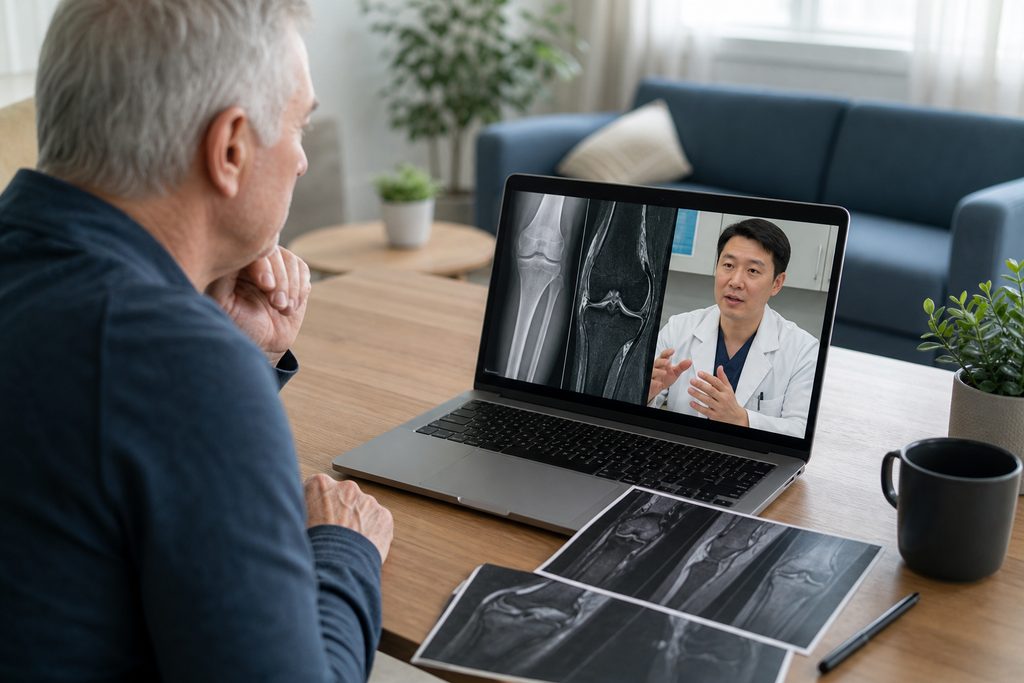
You do not need to fly to Beijing to find out whether a Chinese specialist can help you. The first step in most referral pathways is a written second opinion. You send your existing medical records — imaging, pathology reports, blood work, treatment history. A specialist in the relevant department reviews them and provides a written analysis with treatment suggestions and direction.
This is how to get a second opinion from a Chinese hospital without spending thousands on flights and hotels before you know whether it is worth the trip. The cost is modest — typically $300 to $500 for a written opinion from a top-tier specialist. A video consultation with the same specialist runs $500 to $800. Neither is a prescription. Both are advisory documents that help you make an informed decision.
Cost Structure: Why Prices Stay Low Without Sacrificing Quality
Let’s address the obvious question. Why does heart surgery cost $12,000–$20,000 at a top Chinese public hospital when the same procedure in the United States runs $120,000 or more? The answer is structural, not qualitative. Chinese hospitals operate with lower labor costs, higher patient throughput, and a national health system that negotiates aggressively for medical supplies and pharmaceuticals. The surgeons are trained at the same international conferences, publish in the same journals, and use the same equipment. The cost of heart surgery in Shanghai reflects economics, not a discount on competence.
What a Review and Referral Service Actually Does
Let’s be concrete. You contact a service like China Medical Services with a diagnosis and a goal. What happens next?
First, a case manager reviews your records and asks for anything missing — often a recent imaging study, a pathology report, or a discharge summary. This step alone can take several days if your records are scattered across multiple providers. The service handles translation into Chinese medical terminology, which is not the same as conversational Mandarin. A mistranslated pathology term can derail an entire review.
Second, the service matches your case to an appropriate department. This is where the database matters. With 340+ top-ranked hospitals across 37 cities, the matching process considers specialty ranking, geographic preference, language support, and case complexity. A patient seeking a top neurology hospital China international patients trust might be matched with Huashan Hospital in Shanghai or Xuanwu Hospital in Beijing, depending on the specific condition.
Third, the service coordinates the review. For a written second opinion, the turnaround is typically 7–14 days after all records are received. For a video consultation, scheduling depends on the specialist’s availability but usually happens within one to two weeks. For a proxy consultation — where a representative physically visits the hospital on your behalf — the timeline extends based on hospital registration queues.
Fourth, you receive the opinion and decide. Some patients take the written opinion back to their home physician. Others proceed to video consultation. A smaller number decide to travel to China for treatment. At every stage, the decision is yours.
Can a Foreigner Book Surgery Directly in Beijing? The Honest Answer
No. Not through the standard public hospital pathway.
This is one of the most common misconceptions among international patients. The question “can a foreigner book surgery directly in Beijing” assumes a booking model that does not exist in Chinese public hospitals. You cannot email a hospital, reserve a surgical date, and show up for the operation. The system requires an in-person outpatient consultation first. The surgeon must see you, review your imaging, and determine that surgery is appropriate. Only then does the hospital schedule the procedure.
What a referral service can do is coordinate that first consultation through the hospital’s official international department or VIP channel. These channels exist specifically for patients who need English-language support, expedited registration, and coordinated scheduling. They cost more — typically 1.5 to 2 times the standard outpatient fee — but they solve the language and logistics problems that otherwise make a solo visit nearly impossible without Chinese language skills.
The referral service does not promise that a specific surgeon will see you on a specific date. No legitimate service can make that promise. What it does is work through official hospital channels to arrange the consultation, submit your translated records, and coordinate the visit. If the coordination fails to secure the appointment, the coordination fee is refunded in full.
Choosing the Right Hospital: What the Rankings Actually Mean
The Fudan University hospital rankings are the most authoritative source for hospital quality in China. But they are widely misunderstood. The comprehensive top-100 list does not assign specific numerical ranks. Instead, hospitals are grouped into five tiers — A++++ down to A. Within each tier, hospitals are listed alphabetically or by region, not by quality order. This means you cannot say “this hospital is the 7th best in China.” You can say it holds an A++++ rating, which places it in the top tier of all Chinese hospitals.
The specialty reputation rankings work differently. For each of 45 specialties, the Fudan panel publishes a top-10 list with specific numerical rankings. So you can accurately say that a particular hospital is “ranked among China’s top 10 for oncology” or “ranked 3rd nationally for cardiac surgery.” This is the information that matters for matching your case.
For patients seeking the best cancer hospital in China for foreigners, the shortlist typically includes Peking Union Medical College Hospital and the Cancer Hospital Chinese Academy of Medical Sciences in Beijing, plus Fudan University Shanghai Cancer Center and Zhongshan Hospital in Shanghai. Each has an international department with English-speaking staff. Each treats thousands of international patients annually. But the “best” choice depends on your specific cancer type, stage, and treatment goals. A hospital that excels in lung cancer may not be the right choice for a rare sarcoma.
| Service Type | Typical Cost (USD) | What It Includes | Turnaround Time |
|---|---|---|---|
| Written Second Opinion (top specialist) | $300–500 | Record translation, specialist review, written analysis and recommendations | 7–14 days after complete records received |
| Video Consultation (standard international dept) | $100–300 | Online meeting with specialist, discussion of symptoms and goals | 1–2 weeks scheduling |
| Top-Specialist Video Consultation | $500–800 | Online meeting with a senior specialist in a top-ranked department | 1–2 weeks scheduling |
| Multidisciplinary Team (MDT) Video Consultation | $1,500–2,000 | Coordinated review by multiple specialists across relevant departments | 2–3 weeks scheduling |
| In-Person Top-Specialist Consultation Coordination | $800–1,200 | Appointment arrangement, record preparation, on-site coordination | Varies by hospital |
| Hospital Appointment Coordination (outpatient/surgery) | from $300 | Registration, medical card creation, appointment scheduling | Varies by department |
All prices vary by hospital and case complexity. The figures above are reference ranges, not fixed quotes.
Practical Considerations: Records, Visas, and Payment
Before you contact any referral service, gather your medical records. This sounds obvious. It is also where most cases stall. You need recent imaging (CT, MRI, PET scans within the last 3–6 months), pathology reports if a biopsy was performed, blood work results, current medication list, and a summary of all treatments received to date. If you have had surgery, include the operative report. If you have had chemotherapy or radiation, include the regimen and dates.
For the visa, foreign patients traveling to China for medical treatment apply for an S2 visa. This is a short-stay visa for private affairs, including medical treatment. The hospital or referral service provides a supporting document confirming your medical appointment. Family members accompanying you also apply for S2 visas. Stays exceeding 180 days require an S1 visa. The M visa — often mistakenly called a “medical visa” — is for commercial and trade activities and is not appropriate for medical travel. Visa approval is never guaranteed and depends on the latest embassy or consulate requirements.
Payment is another practical hurdle. Chinese public hospitals generally require pre-payment for services. They do not bill Western insurance companies directly. You pay upfront and seek reimbursement from your insurer afterward. Private international hospitals — such as United Family, Jiahui, and Parkway — operate differently. Many have JCI accreditation and direct billing arrangements with major international insurers. If insurance reimbursement is critical, a private international hospital may be a better fit than a public institution.
Language support is the final consideration. Even in hospitals with international departments, the main hospital floors operate in Mandarin. A bilingual medical companion — someone who handles registration, queuing, payment, wayfinding, and interpretation — costs from $300 per day. For many patients, this is the single highest-value service in the entire process. It transforms a disorienting experience into a manageable one.
Frequently Asked Questions
From first contact to receiving a written second opinion typically takes 2–3 weeks, assuming your records are complete. A video consultation adds another week or two for scheduling. Coordinating an in-person visit and surgery in China takes longer — usually 4–8 weeks depending on the hospital, department, and surgeon’s schedule. The biggest variable is almost always record completeness, not hospital responsiveness.
It depends entirely on your policy. Some international health insurance plans cover treatment in China. Most US domestic plans do not. Chinese public hospitals require upfront payment regardless of insurance status. Private international hospitals may offer direct billing with select insurers. Check with your insurer before committing to any treatment plan. The referral service can provide the documentation your insurer needs for a pre-authorization review, but it cannot guarantee coverage.
This is one of the most common reasons patients seek a second opinion from China. Chinese hospitals often offer treatment protocols, surgical techniques, or clinical trial access that are not available in the patient’s home country. If the recommendation is compelling, you can choose to travel to China for treatment. If it is not feasible, the written opinion still has value — you can take it to your home physician and discuss whether any elements can be adapted to your local care plan.
The top-ranked Chinese hospitals meet international safety standards. Many hold JCI accreditation, the same certification used by leading hospitals in the US and Europe. Surgical infection rates, complication rates, and mortality rates at top-tier Chinese institutions are comparable to Western benchmarks. The risks are not clinical — they are logistical. Language barriers, unfamiliar processes, and distance from your support network are the real challenges. A referral service addresses the first two. The third is a personal decision only you can make.
This is a question patients often forget to ask. The answer depends on your home healthcare system. Chinese hospitals provide discharge summaries and follow-up recommendations in English through their international departments. You should arrange for a local physician to review these documents and manage ongoing care. Some Chinese specialists offer remote follow-up consultations via video for an additional fee. The referral service can facilitate these follow-ups, but ongoing care coordination with your home provider is ultimately your responsibility.
Your Next Step
Getting your case to a top Chinese hospital is not about sending an email and hoping for a response. It is about presenting a complete, professionally translated medical case to the right department through the right channel. That is what a medical review and referral service does. China Medical Services maintains a database of 340+ top-ranked hospitals across 37 cities and coordinates written second opinions, video consultations, and in-person visits through official hospital channels. We are not a hospital and we do not provide diagnoses. We are the bridge that connects your case to the specialists who can.
If you are considering treatment in China, start with a conversation. Send us your diagnosis and what you hope to achieve. We will tell you honestly whether a Chinese hospital can help — and what it would take to get your case in front of the right team.
For more medical information and treatment options in China, visit chinamedservices.com (China Medical Services).
