Prepare Your Home for Recovery Before a China Surgery Trip: The Pre-Departure Checklist
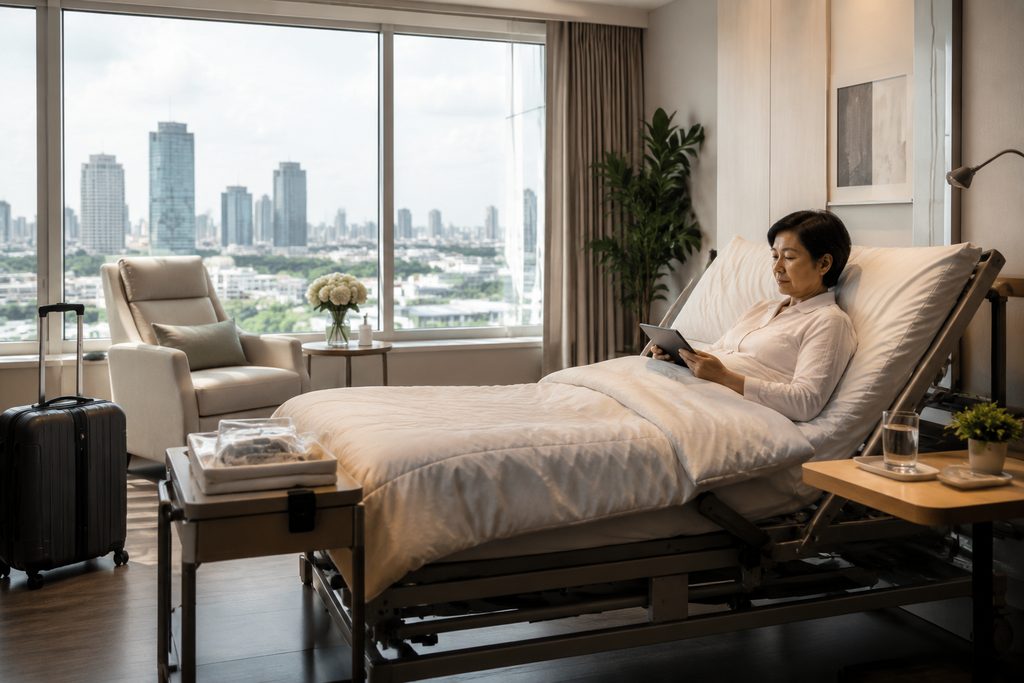
Home Preparation for Surgery Recovery China Checklist: The Short Answer
Your home preparation for surgery recovery China checklist must be finalized before you board the plane. The most critical task is creating a single-level living space. You need to eliminate stairs entirely for at least the first week back. A 2023 study in the Journal of Patient Safety found that 38% of post-surgical falls happen within the first 72 hours of returning home. The home environment, not the surgery itself, was the primary factor. This checklist is not a weekend project. It is a non-negotiable part of your treatment plan that demands attention weeks before your departure to China.
Who This Is Right For — and Who It Isn’t
Planning ahead works for anyone. But a formal, intensive home setup is essential for some and less critical for others. Knowing where you fall saves money and unnecessary stress.
You need a rigorous setup if:
- You live alone or your primary caregiver works full-time outside the home.
- Your procedure is a major orthopedic surgery, like a knee or hip replacement. You will have significant mobility restrictions.
- Your surgery involves the abdomen or chest. A sternotomy or major abdominal incision means you cannot lift anything over 5 pounds for weeks.
- Your home has multiple floors and the only bathroom is upstairs.
A lighter preparation is often fine if:
- You are having a minimally invasive procedure with an expected quick return to normal activity.
- You have a capable, full-time caregiver at home who can manage errands and household tasks.
- Your recovery protocol explicitly encourages early, unrestricted movement.
Do not let the lighter list fool you into doing nothing. Everyone needs clean sheets, prepped meals, and a clear path to the bathroom. The difference is scale. A patient recovering from a spinal fusion has no margin for error. A patient recovering from a minor laparoscopic procedure has more flexibility. Err on the side of over-preparing. The energy you save by not hunting for a phone charger on day two is energy your body uses to heal.
The Options, Compared
You have three broad paths for managing your home setup. Each has a distinct cost and stress profile. The right choice depends on your budget, your local support network, and the expected length of your stay in China. Some patients try to handle everything remotely. Others delegate. Most land somewhere in between.
| Approach | Upfront Cost | Stress Level | Best For |
|---|---|---|---|
| DIY Remote Setup | Low ($200–$800 for supplies) | High | Budget-conscious patients with a trusted local friend who can do a final walkthrough. |
| Hire a Local Professional Organizer | Medium ($500–$2,000) | Low | Patients with no local support who want the home ready upon arrival. You brief them via video call. |
| Family/Friend Delegation | Variable | Medium | Patients with a capable, willing family member who is not traveling with them. |
Many patients combine these. You might order supplies online for delivery and then pay a neighbor’s teenager $100 to move the furniture and set up the recovery station. The remote DIY route requires serious discipline. You must test your setup before you leave. Walk through your home with your phone camera. Narrate every potential hazard. Send the video to someone who will be honest with you. A fresh pair of eyes spots the loose rug you have ignored for years.
How to Set Up Home Before Traveling to China for Operation: The Zone Method
A hospital room is designed around a single purpose. Your home is not. The solution is to create distinct zones. This is how to set up home before traveling to China for operation without turning your entire house into a hospital ward. You need three zones, and each one has a non-negotiable checklist.
Zone 1: The Command Center. This is where you will spend 90% of your waking hours for the first week. It is usually a bed or a recliner. You need a sturdy side table within arm’s reach on your non-surgical side. On that table: a power strip with a long cord, all chargers plugged in and labeled, a spill-proof water bottle, tissues, lip balm, hand sanitizer, and any non-prescription items like throat lozenges. A small basket for your daily medications. No reaching. No twisting. The remote control is taped to the arm of the chair. This sounds obsessive. After a double mastectomy or a major abdominal repair, you will understand why it matters.
Zone 2: The Hygiene Station. If your only bathroom is on a different floor, you have a serious problem. The fix is not to climb stairs slowly. The fix is to set up a temporary hygiene station on the main floor. A camping toilet with disposable liners costs under $50. A no-rinse cleanser and dry shampoo handle hygiene without a shower. A stack of clean hand towels and a small trash can with a lid complete the setup. Is it glamorous? No. Is it safer than a fall on the stairs at 3 a.m.? Absolutely.
Zone 3: The Nutrition Outpost. You will not cook. Set up a mini-fridge or a dedicated shelf in your main fridge at waist height. Stock it with single-serving, high-protein, easy-to-digest foods. Greek yogurt, hard-boiled eggs, protein shakes, pre-cut vegetables, hummus. A kettle or a single-cup coffee maker on the same floor eliminates the need to carry a hot mug across the room. Place a small microwave on a sturdy counter. Bending to reach a low microwave is a common and painful mistake.
Post Surgery Home Setup Cost China Medical Tourism: Budgeting for a Safe Return
The post surgery home setup cost China medical tourism planning often overlooks is not zero. Patients budget meticulously for the hospital deposit and the flight. They forget that their home needs a financial commitment too. A safe, basic setup can cost as little as $200. A comprehensive one can run up to $2,000 or more if you are purchasing durable medical equipment.
Here is a realistic breakdown of potential costs:
- Essential supplies (under $100): Grabber tool, long-handled shoehorn, slip-on shoes, pill organizer, non-slip bath mat.
- Mobility aids ($30–$200): A walker or crutches. Rent these if possible. A used walker costs $30. A new one is $80. You may not need it after two weeks.
- Bathroom safety ($40–$300): A raised toilet seat with arms ($40–$80) is a game-changer. A shower chair ($30–$50) and a handheld shower head ($25–$50) are standard. A transfer bench for a bathtub is more expensive.
- Furniture and major items ($100–$800): Renting a hospital bed for the living room is the single biggest expense, often $200–$400 per month. An electric lift recliner is a pricier but more permanent option.
- Professional services ($200–$500): A one-time deep clean before you leave and a home organizer to set up your zones.
These costs are part of the total price of your medical travel. When you compare the all-in cost of surgery in China to the same procedure at home, this $500–$1,000 home preparation expense is a small but vital line item. Skipping it to save money is a false economy if it leads to a complication that requires re-hospitalization.
Practical Considerations: What to Arrange at Home Before Medical Travel to China
What to arrange at home before medical travel to China goes beyond grabbers and shower chairs. The logistical and legal setup is just as critical as the physical one. You will be in a different time zone, potentially groggy from medication, and unable to solve problems quickly.
Bill Pay and Mail. Automate every recurring payment. A missed credit card payment while you are recovering is an unnecessary headache. Place a hold on your mail through the postal service or have a neighbor collect it daily. A pile of newspapers on the doorstep announces to the world that the house is empty.
Medical Power of Attorney. Before you leave for China, execute a medical power of attorney and a living will. Name a local healthcare proxy. If something goes wrong after you return and you cannot speak for yourself, someone with legal authority needs to step in immediately. Do not assume your traveling companion has that authority. Without the paperwork, they do not. Your China surgery packages with pre trip home prep guide should include a reminder to finalize these documents. The hospital in Shanghai will not handle this for you.
Communication Plan. Your surgeon in China will likely provide a post-operative contact. Save that number in your phone and give it to your local caregiver. Know the protocol for reaching them. Is it a 24-hour line? Do they use WhatsApp or WeChat? A 12-hour time difference means you might need to wait for a response. Have a clear plan for what constitutes an emergency that requires a local ER visit versus a question that can wait for a callback. Your local primary care physician should receive a copy of your surgical report and discharge summary. Schedule a follow-up appointment with them for a few days after your return. Do this before you leave for your trip.
Frequently Asked Questions
This is a valid and often smart strategy. A short stay in a local rehabilitation facility can bridge the gap between hospital discharge and a safe return home. The cost is significant, often $200–$500 per day, and insurance coverage varies wildly. You must arrange this and confirm the admission before you leave for China. You cannot simply show up at a rehab facility after an international flight and expect a bed. A hotel is generally a poor choice unless it is an extended-stay suite with a kitchenette and you have a private caregiver. A standard hotel room lacks the safety features you need, and housekeeping is not a substitute for nursing care.
Then you hire help. This is not a situation you can tough out. You need to budget for a professional home health aide for at least the first 3 to 7 days. The cost is typically $25–$40 per hour. A 4-hour daily shift to help with bathing, meal prep, and medication management is the minimum. Interview and hire this person before your trip. Have them walk through your home setup with you via video call. They will spot practical problems you missed. This is a hard cost of the surgery and must be factored into your total budget. Our team at China Medical Services often advises solo patients on this exact scenario. The surgery is only half the battle. The safe, supported recovery is the other half.
Medical tourism home recovery planning after China surgery must include a buffer. Do not schedule your return flight for the earliest possible discharge date. Build in a 3- to 5-day buffer in China. Stay in a hotel near the hospital. This allows for a final wound check and ensures you are stable before a long flight. If your surgeon clears you to fly but you are delayed by a day, you have not immediately run out of medication or missed a critical follow-up. Pack an extra week of all prescribed medications in your carry-on. A flight delay is inconvenient. Running out of anticoagulants mid-flight is a medical emergency.
Your Next Step
The home preparation for surgery recovery China checklist is a document you write, test, and finalize before you pack your suitcase. It is the foundation upon which a smooth recovery is built. Walk through your home today, not the week you return. Identify the hazards. Create your zones. Budget for the supplies and the help you will need. We are a medical concierge team that connects international patients with China’s top-tier hospitals. We do not provide medical advice or diagnoses. What we do is handle the complex logistics—from hospital matching to bilingual support—so you can focus entirely on your health and your preparation. If you want to discuss your surgical plans and how to coordinate the entire journey, including the critical recovery phase, request a free consultation with our team. We will help you think through the details you might have missed.
For more medical information and treatment options in China, visit chinamedservices.com (China Medical Services).
