Same Records, Two Hospitals: Our Side-by-Side Chinese Specialist Comparison Report
What “Same Records, Two Hospitals” Actually Means
You have a stack of medical records. MRIs, blood panels, pathology slides, a diagnosis that feels heavy. One hospital gave you a treatment plan. But something nags at you — what would a completely different team say? In China, where top-tier hospitals handle patient volumes that stagger the imagination, a side-by-side specialist comparison isn’t just possible. It’s methodical. We facilitate it regularly for international patients who want to compare chinese hospital medical records specialist review outcomes before committing to travel, surgery, or a treatment pathway.
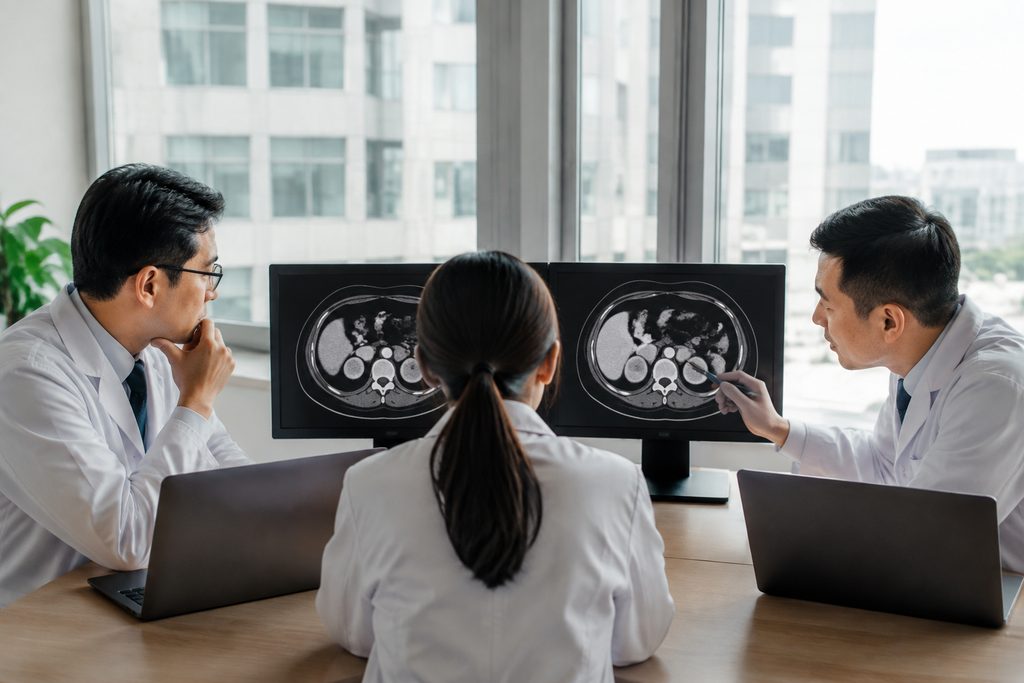
Here’s the plain version. You send us your existing records — everything you have. We translate them into clinical Chinese, submit them to two separate hospitals you select (or we recommend based on your condition), and each hospital’s specialty department provides a written analysis. You get both reports back, translated into English, laid out so you can actually compare them. No travel. No language barrier. No guessing.
A specialist second opinion from a Chinese hospital carries weight because these institutions see rare presentations constantly. A cardiac surgeon at Fuwai Hospital performs more complex procedures in a month than many Western surgeons see in a year. That volume translates into pattern recognition you can’t get from textbooks. When two such departments review the same records independently, the comparison often reveals consensus — or productive disagreement — that sharpens your decision.
How This Actually Works, Step by Step
The process isn’t magic. It’s logistics, clinical translation, and institutional coordination. Here’s the sequence.
1. You share your records. Everything. DICOM imaging files, operative notes, pathology reports, discharge summaries, current medication list. We need the raw data, not summaries. A specialist can’t form an opinion from a one-page abstract.
2. We translate — clinically, not literally. This matters more than people expect. Medical translation isn’t Google Translate with a dictionary. Lab reference ranges differ between countries. Drug names differ. Imaging protocols differ. Our translators understand both systems and produce documents a Chinese department head can read without friction.
3. Hospital selection. You choose two, or we recommend based on your condition. For oncology, that might mean Fudan University Shanghai Cancer Center and Peking University Cancer Hospital. For orthopedics, maybe Peking University Third Hospital and Shanghai Sixth People’s Hospital. We confirm both departments will accept a written second-opinion case before we proceed.
4. Submission and review. Each hospital’s specialty team reviews independently. They don’t see the other hospital’s report. This isn’t a consultation between hospitals — it’s two separate analyses of the same clinical picture.
5. You receive two reports. We translate both into English and present them side by side. Where they agree, you have confirmation. Where they differ, you have questions to ask — and we can arrange follow-up video consultations to explore those differences.
Why Two Hospitals See the Same Records Differently
You need a coordinator who can translate records into clinical Chinese, submit them through each hospital’s international department or VIP channel, and manage the parallel timelines. Attempting this independently is extremely difficult without Mandarin fluency and institutional relationships. The process typically takes four to six weeks from complete records to translated reports in your hands.
No. It’s a reference document — an expert analysis and treatment suggestion based on available materials. It does not establish a doctor-patient relationship, and no responsible hospital will issue a prescription without examining you in person. Think of it as highly informed guidance, not remote treatment.
We arrange follow-up video consultations with one or both teams so you can ask direct questions. Hearing the clinical reasoning behind each recommendation often clarifies whether the contradiction is real or reflects different assumptions about your case. If the contradiction holds, you make a judgment call — and that’s still more informed than having only one opinion.
Written second opinions from top-tier specialists typically range from $300 to $500 per hospital. Translation and coordination fees are separate. Video consultations, if added, range from $500 to $800 per session at the specialist level. Any consultation fees are credited toward our coordination service if you travel for treatment within 90 days.
Your Next Step
A side-by-side specialist review won’t make your decision for you. What it does is replace uncertainty with clarity — you’ll know where the consensus is, where the genuine disagreements live, and what each pathway actually entails. That’s more than most patients ever get.
Our team at China Medical Services handles the logistics: translation, hospital coordination, report formatting, and follow-up consultations. We don’t practice medicine. We don’t promise outcomes. We connect you with the expertise and make sure you understand what comes back. If you’re ready to see what two independent Chinese specialty teams think of your case, send us your records. We’ll tell you honestly whether a comparison makes sense — and what it will cost before you commit to anything.
Frequently Asked Questions
Yes. The hospitals used for international patients are JCI-accredited and follow the same international safety standards as top hospitals in the US and Europe. Surgical teams perform high volumes of procedures — often more than their Western counterparts — which studies show leads to better outcomes.
Costs vary by procedure and hospital, but international patients typically save 40-80% compared to US prices — even when factoring in travel and accommodation. A consultation with our team will give you an exact, all-inclusive quote with no hidden fees.
Send us your existing medical reports to get started. We handle everything from hospital selection and appointment scheduling to visa assistance and post-operative recovery planning. Your medical records are reviewed by the specialist before you even book a flight.
For more medical information and treatment options in China, visit chinamedservices.com (China Medical Services).
