Diabetes Surgery in China: Managing Blood Sugar Before, During, and After Your Procedure
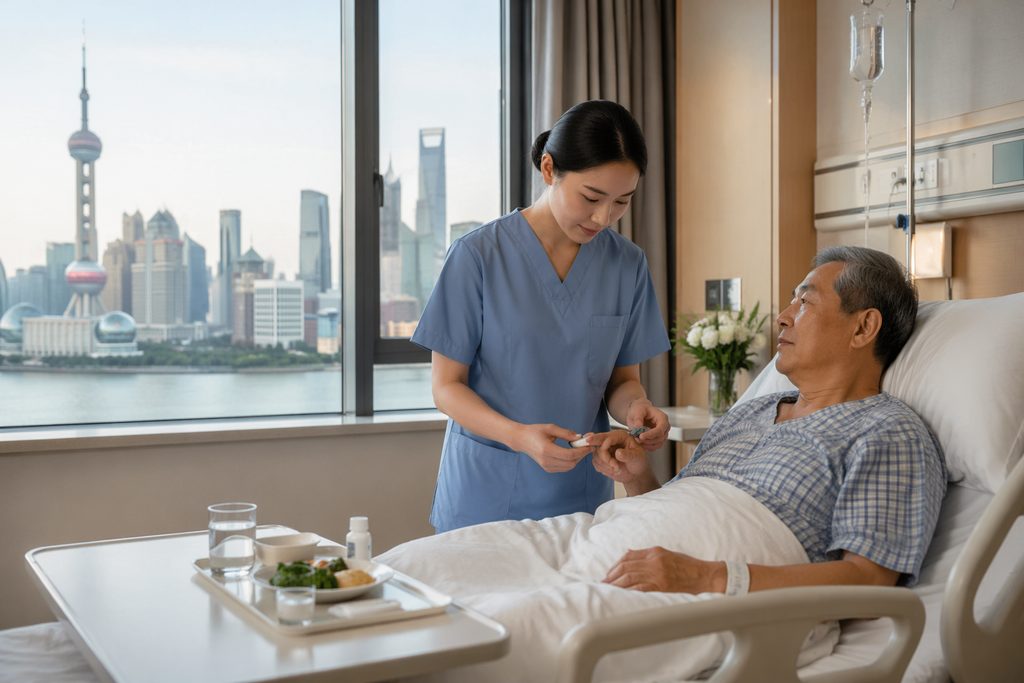
When 42-year-old Michael first heard the diagnosis, he had no idea where to start looking for treatment. He needed gallbladder surgery. Routine enough. But Michael had type 2 diabetes. His A1C was 8.1%. His surgeon back home in Manchester wouldn’t book the operating room until that number dropped below 7.0%. The wait stretched into months. Michael started searching. He wondered if traveling somewhere else could solve the timeline problem. That’s when he found himself typing “diabetes surgery cost China” into a search bar.
Diabetes complicates surgery. Every surgeon on earth knows this. High blood sugar slows wound healing. It raises infection risk. It can cause dangerous electrolyte shifts during the procedure itself. Chinese hospitals manage thousands of diabetic surgical patients each month. The volume is staggering. A large public hospital in Shanghai might perform 200 surgeries in a single day. A significant percentage of those patients have diabetes. This isn’t a rare edge case for them. It’s Tuesday.
This article walks through the protocols, the blood sugar targets, the costs, and the real sequence of events for managing diabetes before, during, and after a surgical procedure in China. No sugar-coating. Just what the process actually looks like.
How This Actually Works, Step by Step
The process starts long before you board a plane. You cannot simply arrive in Beijing and expect surgery the following week. Diabetic patients require a structured pre-operative optimization phase.
Step one is remote evaluation. You send your existing medical records. These include your latest HbA1c result, a complete blood count, renal function tests, an ECG, and any relevant imaging for the surgical condition itself. Our team translates these documents into clinical Chinese. The receiving hospital’s international department reviews them. They determine whether your case is appropriate for their facility.
Step two is the pre-admission glycemic assessment. Most top-tier Chinese hospitals will require an HbA1c below 8.0% for elective surgery. Some orthopedic and cardiac units draw a harder line at 7.0%. If your numbers are too high, the endocrinology team will recommend a medication adjustment period. This might happen in your home country under remote guidance. Or you might travel early and complete the optimization in China under direct supervision. The choice depends on the gap between your current numbers and the target.
Step three is the in-person pre-operative evaluation. Once you arrive, the hospital runs its own labs. They don’t rely solely on foreign test results. Expect a full metabolic panel, repeat HbA1c, and often a consultation with an endocrinologist who will co-manage your case alongside the surgeon. This is standard practice at any hospital worth trusting.
Step four is the surgery itself. Intra-operative glucose management in Chinese hospitals typically involves an insulin-glucose infusion protocol. An anesthesiologist monitors your blood sugar every 30 to 60 minutes during the procedure. The target range is usually 140–180 mg/dL. This is consistent with international guidelines.
Step five is post-operative recovery and discharge planning. The endocrinology team remains involved. Your insulin or oral medication regimen gets adjusted based on your healing progress and food intake. Discharge only happens when your blood sugar is stable on a manageable regimen and your surgical wound shows clean healing.
How to Control Blood Sugar Before Surgery in China: The Pre-Op Protocol
Chinese endocrinologists approach pre-surgical glycemic control with remarkable pragmatism. The goal is not perfection. The goal is surgical safety.
The standard pre-operative blood sugar targets align with what you’d find in any major Western center. Fasting glucose should be below 140 mg/dL. Post-prandial glucose should stay under 180 mg/dL. HbA1c should ideally be under 7.0% for high-risk surgeries, and under 8.0% for lower-risk procedures.
What differs is the speed of intervention. In China’s top hospitals, an endocrinology consultation can happen within 24 hours of admission. The specialists are in-house. They’re not a separate practice you need to schedule weeks out. If your glucose is poorly controlled, they can initiate an insulin drip immediately. They can adjust oral agents. They can keep you in the hospital for 48 to 72 hours of monitored optimization before clearing you for surgery.
This aggressive timeline is not available everywhere. It’s a function of hospital scale. A facility like Ruijin Hospital in Shanghai, which runs one of China’s premier endocrinology departments, has the staffing to manage complex diabetic patients with minimal delay. You can explore hospital options through our specialty department rankings to understand which institutions have the deepest endocrinology and surgical expertise.
The pre-op evaluation itself is thorough. You’ll receive a cardiovascular workup because diabetes increases cardiac risk during surgery. You’ll have your kidney function assessed because many medications clear through the kidneys. You’ll be screened for autonomic neuropathy, which can cause dangerous blood pressure swings under anesthesia. None of this is optional. It’s the standard of care.
A Realistic Timeline
Let’s map out what the calendar actually looks like for a diabetic patient pursuing elective surgery in China.
| Stage | Duration | What Happens |
|---|---|---|
| Remote record review | 3–7 business days | Records translated, hospital department reviews case, initial feasibility assessment returned |
| Pre-travel glycemic optimization | 2–8 weeks | If HbA1c is above target, endocrinologist recommends medication changes; patient implements at home with periodic check-ins |
| Visa processing (S2) | 1–4 weeks | Hospital provides invitation letter; patient applies at Chinese embassy or consulate in home country |
| Arrival and in-person evaluation | 3–5 days | Hospital runs labs, ECG, endocrinology consult, anesthesia pre-assessment; surgical plan finalized |
| Surgery and acute recovery | 1–7 days inpatient | Procedure performed; glucose managed via IV insulin protocol; wound monitoring begins |
| Post-discharge local monitoring | 7–14 days | Patient stays near hospital; daily wound checks; medication adjustments; follow-up labs |
| Clearance for travel home | Typically day 10–21 post-op | Surgeon and endocrinologist sign off; discharge summary and medication plan provided in English |
The total time in China ranges from two to five weeks depending on surgical complexity and how well your glucose cooperates. The pre-travel optimization phase varies most. A patient with an HbA1c of 6.8% might need only two weeks of minor adjustment. Someone at 9.5% might need two months. There’s no shortcut around this. Rushing a poorly controlled diabetic into surgery is a risk no reputable Chinese hospital will accept.
What Can Go Wrong — and What Happens Then
Let’s be direct about the failure modes. They exist. Pretending otherwise helps no one.
Hyperglycemia on the morning of surgery is the most common complication. If your fasting glucose reads above 200 mg/dL, the surgery will likely be postponed. The anesthesia team will not proceed. They’ll order an insulin infusion and reschedule. This delays everything by 24 to 48 hours. It’s frustrating. It’s also the right call. Operating on a patient with uncontrolled glucose invites wound dehiscence and sepsis.
Hypoglycemia during the procedure is another real risk. Chinese anesthesiologists monitor for this aggressively. They check glucose every 30 minutes. They have dextrose ready. But if a patient has gastroparesis from diabetic neuropathy, absorption of pre-op carbohydrates can be unpredictable. The team adjusts in real time. They’ve managed this before.
Post-operative wound infection is the complication every diabetic patient fears. Chinese hospitals have protocols for this. Wound dressings get changed daily. Blood glucose is kept tight during the healing phase. If an infection does develop, infectious disease consultation is available in-house at major hospitals. They culture the wound. They prescribe targeted antibiotics. They may keep you inpatient longer than planned.
The worst-case scenario is a canceled surgery. This happens when the in-person evaluation reveals something the remote records missed. Undiagnosed cardiac ischemia. Renal function worse than expected. An HbA1c that somehow climbed despite remote management. If the surgical risk is too high, the hospital will say no. They’ll recommend further medical optimization first. It’s disappointing. It’s also honest. A hospital willing to cancel a surgery is a hospital you can trust.
Is It Safe to Have Surgery with Diabetes in China?
The short answer: yes, at the right hospital, with the right preparation. The longer answer requires some context.
China’s top-tier hospitals operate at a scale that forces protocol development. When a single surgical department handles over 10,000 cases annually, diabetic patients are not exceptions. They’re a standard population. The perioperative glucose management protocols are written, tested, and refined through sheer repetition.
Fuwai Hospital in Beijing, for instance, performs over 14,000 cardiac surgeries each year. A significant percentage of those patients have diabetes. The hospital has published extensively on perioperative glucose management in cardiac surgery patients. Their outcomes data is publicly available in peer-reviewed journals.
Safety also depends on the hospital tier. China has over 35,000 hospitals. Our network includes only 340+, representing the top tier as ranked by the Fudan University hospital rankings and JCI accreditation standards. These are the institutions with endocrinology departments ranked among China’s top 10, with anesthesia teams experienced in diabetic protocols, and with infectious disease specialists on standby. You can browse these hospitals by city through our ranked hospital directory.
The safety question also hinges on communication. A diabetic patient needs to explain symptoms clearly. Numbness in the feet. Changes in vision. Episodes of hypoglycemia. If you cannot communicate these details to your care team, your safety margin narrows. This is where bilingual support becomes essential. Having a medical interpreter who understands both the language and the clinical context changes the risk calculation entirely.
Medical Tourism Diabetes Surgery Package China: What’s Actually Included
The term “package” gets thrown around loosely. Let’s define what you can reasonably expect and what you cannot.
A coordinated surgical journey in China typically includes several components. Hospital fees cover the surgery itself, anesthesia, inpatient stay, and standard medications. Physician fees cover the surgeon, the anesthesiologist, and consulting specialists like your endocrinologist. Pre-operative testing includes labs, imaging, and cardiac clearance.
What’s not included in a standard hospital quote: international patient coordination, document translation, airport transfers, accommodation for family members, post-discharge nursing care, and bilingual medical companion services. These are separate costs. They’re also where the experience of medical travel gets defined.
The coordination service handles the logistics. Hospital appointment coordination starts from $300. A bilingual medical companion who stays with you through registration, consultations, and ward communication costs from $200 per day. Airport transfers run $200 round-trip. These are not hidden fees. They’re the infrastructure that makes treatment in a foreign country possible.
And then there’s the question everyone asks. The diabetes surgery cost China offers varies enormously by procedure and hospital tier. A straightforward laparoscopic procedure at a top public hospital might range from $5,000 to $12,000 all-in. The same procedure at a private international hospital like United Family or Jiahui could run $15,000 to $30,000, though those facilities offer English-speaking staff and direct insurance billing. These figures are fractions of what the same procedures cost in the United States, where a laparoscopic cholecystectomy for a diabetic patient can exceed $30,000 in facility fees alone.
No reputable coordinator will quote you a firm price without reviewing your records. Anyone who does is guessing. The hospital needs to see your case first.
Practical Considerations: Records, Visa, and Follow-Up
Your medical records are the foundation of this entire process. You need them organized. You need them complete. You need them in English, which the receiving hospital will then translate into clinical Chinese.
The minimum record set includes your most recent HbA1c, a complete metabolic panel from within the last three months, an ECG, and all imaging and reports related to the surgical condition. If you’ve had a cardiac stress test, include it. If you’ve seen an endocrinologist in the past year, include those notes. Gaps in records cause delays. Delays cost money and extend the timeline.
The visa category is S2. This is the short-stay visa for private affairs, and medical treatment falls under this classification. Your hospital provides an invitation letter confirming your treatment appointment. You present this at the Chinese embassy or consulate in your home country. Processing times vary by country. Budget four weeks to be safe. For stays exceeding 180 days, the S1 visa applies. Do not apply for an M visa. That’s for commercial activity, not medical care.
Payment is upfront. Chinese public hospitals require a deposit before admission. The amount varies by procedure. International departments can provide estimates. Private international hospitals may offer direct billing arrangements with your insurer. Confirm this before you travel. Most public hospitals operate on a pay-first, claim-later model with international insurance.
Follow-up after you return home is your responsibility. The Chinese hospital will provide a discharge summary in English. It will include medication instructions, wound care protocols, and glycemic targets. You need a physician in your home country willing to receive this handoff. Arrange this before you travel. A gap in follow-up care is where complications breed.
Frequently Asked Questions
Most Chinese hospitals set the threshold at an HbA1c below 8.0% for elective procedures. Cardiac, neurosurgical, and major orthopedic cases often require below 7.0%. Fasting glucose on the morning of surgery should be below 180 mg/dL. If your numbers exceed these targets, the surgery will be postponed for optimization.
You start with a remote record review. Send your medical documents, including recent HbA1c and surgical imaging, to the hospital’s international department or through a coordination service. The hospital reviews your case and confirms whether they can proceed. Only then do you schedule travel and the in-person evaluation. You cannot book a pre-op evaluation without a prior record review. Walk-in surgical evaluations are not standard practice.
Almost certainly. Metformin is typically stopped 24 to 48 hours before surgery due to the risk of lactic acidosis. SGLT2 inhibitors are often stopped earlier. Insulin doses get adjusted based on your fasting status and the surgical schedule. The hospital’s endocrinology team manages these changes. You’ll be discharged on a regimen tailored to your post-operative needs, which may differ from what you were taking before.
Diabetic patients face higher infection risk. Chinese hospitals monitor surgical wounds daily during the inpatient stay. If an infection develops, infectious disease specialists are consulted. Wound cultures guide antibiotic selection. Your inpatient stay may be extended. The cost of treating a surgical site infection is typically additional to the original surgical quote, so factor this possibility into your financial planning.
Yes, and you should. Bring enough for your entire stay plus a two-week buffer. Bring your glucose meter, test strips, and lancets. The hospital will use its own supplies for inpatient monitoring and treatment, but having your own equipment for pre-admission and post-discharge periods is essential. Keep medications in their original packaging with prescription labels for customs clearance.
Your Next Step
Managing diabetes through a surgical procedure is a coordination challenge. The medicine is straightforward, but the logistics are not. You need a hospital with deep endocrinology expertise, a surgical team accustomed to diabetic patients, and a communication bridge that ensures nothing gets lost between languages.
Our team at China Medical Services handles the coordination. We don’t practice medicine. We don’t offer clinical advice. What we do is connect you with the right hospital, organize your records, arrange the pre-operative evaluation, and provide bilingual support throughout your stay. If you’re considering surgery in China and want to understand whether your case is suitable, you can reach out through our patient consultation page. There’s no cost for the initial discussion. You tell us your situation. We tell you honestly whether this path makes sense for you. Then you decide.
For more medical information and treatment options in China, visit chinamedservices.com (China Medical Services).
