Endoscopy in Chengdu: What to Expect, Cost, and How to Book
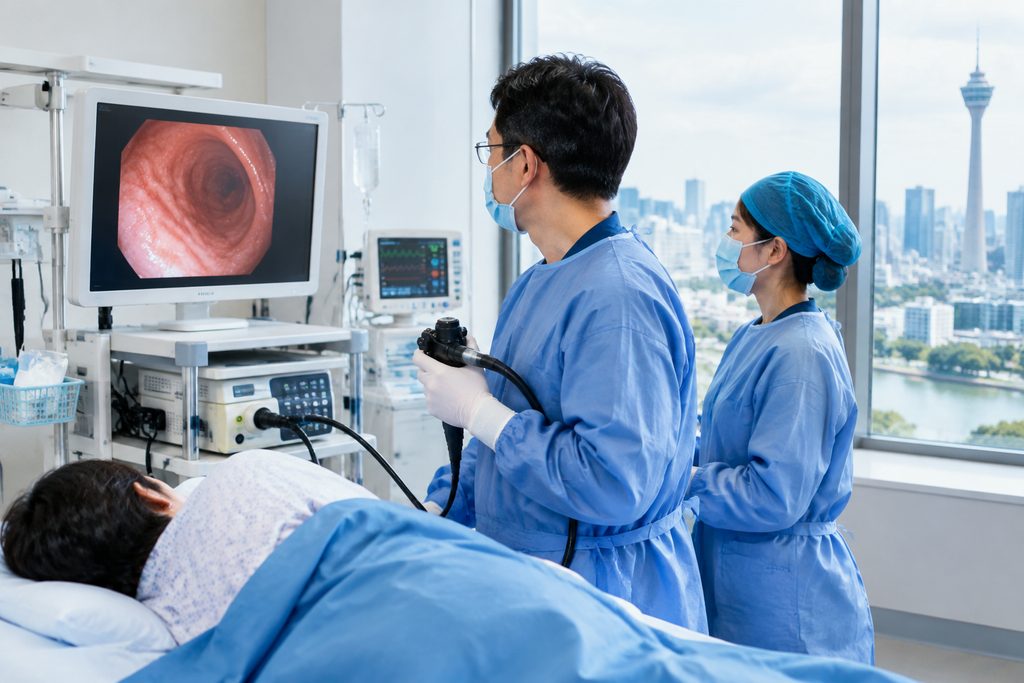
Endoscopy in Chengdu: What to Expect, From Cost to Recovery
Gastrointestinal cancers account for roughly one in four cancer deaths worldwide, and endoscopy remains the single most reliable way to catch them early. That is why so many international patients now search for endoscopy cost Chengdu before they book anything. Chengdu, home to West China Hospital and a cluster of top-ranked gastrointestinal departments, has quietly become one of Asia’s more affordable destinations for diagnostic and therapeutic endoscopy. A standard gastroscopy here typically runs between $150 and $400 at a public tertiary hospital, compared with $1,500 to $3,000 in the United States. But price is only part of the picture. What actually matters is knowing how the system works, what to bring, and where the friction points are.
How This Actually Works, Step by Step
Chinese public hospitals do not operate like Western clinics. You cannot simply book a specialist online and walk in on Tuesday. The process has a specific rhythm, and understanding it saves weeks.
It starts with your records. You send us your existing examination reports — prior endoscopy images, pathology slides, CT scans, blood work, medication list, and a short summary of your symptoms. Our team translates the relevant documents into Chinese and forwards them to the international department of the hospital that fits your case. A gastroenterologist reviews the file and confirms whether an endoscopy is appropriate, what type (upper GI, colonoscopy, or both), and whether sedation is advised.
From there, the hospital proposes a date. You receive a written confirmation with the prep instructions, fasting requirements, and the cost estimate. If you accept, we coordinate your arrival, help you complete the hospital medical card registration, and assign a bilingual companion for the day of the procedure. On procedure day, your companion handles queuing, payment, and translation so you are not navigating a facility that may see 10,000 outpatients in a single day.
Afterward, you get a written report, usually within 24 to 48 hours. If a biopsy was taken, pathology results take longer — typically three to seven working days.
What Endoscopy Costs in Chengdu — and What Drives the Price
The most common question we hear is simple: what will this cost? Here is a realistic breakdown for a foreign patient at a top-tier Chengdu hospital.
| Procedure | Typical Range (USD) | Notes |
|---|---|---|
| Diagnostic gastroscopy (no sedation) | $150 – $300 | Fastest, lowest cost |
| Gastroscopy with sedation | $250 – $450 | Anesthesia fee added |
| Colonoscopy with sedation | $300 – $600 | Bowel prep included |
| Gastroscopy + colonoscopy combined | $450 – $800 | Most efficient option |
| Biopsy + pathology | $80 – $200 | Per specimen |
| Therapeutic endoscopy (polyp removal, EMR) | $800 – $2,500 | Varies widely by complexity |
These figures vary by hospital and case complexity. Private international hospitals in Chengdu — such as those listed in our private international hospital directory — charge roughly 1.5 to 2 times more but offer English-speaking staff, direct insurance billing, and shorter waits.
For comparison, the same diagnostic gastroscopy in the US averages $1,500 to $3,000 before insurance. In the UK, private rates run £800 to £1,500. Even accounting for flights and accommodation, many patients find the total trip costs less than a single US procedure.
A Realistic Timeline
People underestimate how long the administrative steps take. Here is a grounded schedule based on typical cases.
| Stage | Time Required |
|---|---|
| Records translation and review | 3 – 7 days |
| Hospital specialist review and scheduling | 5 – 14 days |
| S2 visa application (if needed) | 4 – 10 working days |
| Flight and accommodation booking | 3 – 10 days |
| Arrival and hospital registration | 1 day |
| Pre-procedure consultation | Same day or next day |
| Endoscopy itself | 20 – 45 minutes |
| Recovery and discharge | 2 – 4 hours |
| Written report | 24 – 48 hours |
| Pathology (if biopsy taken) | 3 – 7 working days |
Total realistic window from first contact to procedure: two to five weeks. Rushing it is possible but not advisable — especially if you need a visa.
What Can Go Wrong — and What Happens Then
Honesty matters more than reassurance here. Things do go sideways, and knowing the recourse is part of planning well.
The specialist decides endoscopy is not appropriate. This happens more often than people expect. If your symptoms or records suggest a different diagnostic path — say, imaging first — the hospital will tell you. You are not charged for a procedure that does not happen.
You cannot get the exact date you wanted. Top gastrointestinal departments in Chengdu are busy. If the requested slot is unavailable, you either accept the next available date or we explore a different hospital. We do not promise a specific surgeon or a specific date.
The visa is delayed. S2 applications are usually straightforward with proper hospital documentation, but consulates set their own timelines. Never book non-refundable flights before the visa is in hand.
Something is found that needs treatment. A polyp, an ulcer, a suspicious lesion — these are exactly why you came. But therapeutic follow-up may require a longer stay or a second procedure. Build flexibility into your itinerary.
Choosing the Best Hospital for Endoscopy in Chengdu
Chengdu’s flagship institution is West China Hospital, consistently ranked among China’s top hospitals on the Fudan composite list. Its gastroenterology and digestive disease departments handle very high volumes, which translates into deep procedural experience. Other strong options include Sichuan Provincial People’s Hospital and the international wings of several tertiary facilities.
How should you decide? Three criteria matter most.
- Volume and subspecialty. A department that performs thousands of endoscopies annually has seen more unusual findings than one doing a few hundred.
- International department access. This is what allows advance scheduling. Standard outpatient registration in China is same-day, walk-in only — you cannot pre-book a routine slot from abroad.
- Language and logistics. If your Mandarin is limited, a hospital with an established international office or a bilingual companion is not a luxury. It is the difference between a smooth visit and a confusing one.
Our department-by-department rankings list the top hospitals for gastroenterology and related specialties, filtered by city. For Chengdu specifically, the Chengdu city page groups every ranked hospital in the region.
Is Endoscopy Safe in China? The Data and the Caveats
Diagnostic endoscopy is a mature, low-risk procedure worldwide. Serious complications — perforation, significant bleeding — occur in well under 1% of diagnostic cases at experienced centers. Chinese tertiary hospitals performing high volumes report complication rates broadly in line with international benchmarks.
The real safety variables are not national. They are institutional and personal. Sedation protocols, sterilization standards, and post-procedure monitoring vary between a top-tier teaching hospital and a smaller facility. Your own health status — age, medications, comorbidities — matters more than geography.
What we tell patients: choose a hospital with a genuine international department, disclose your full medical history, and follow the fasting and prep instructions exactly. Do those three things, and the risk profile is comparable to any developed-country facility.
Practical Considerations: Records, Visa, Payment, and Follow-Up
Records. Bring prior endoscopy reports, pathology results, and imaging on disc or printed. If you have had a previous colonoscopy, the images are genuinely useful for comparison.
Visa. Medical travel to China uses the S2 visa, annotated for medical treatment purposes. Accompanying family members apply for S2 as well. Note that the M visa is for commercial and trade activities only — it is not a medical visa. Requirements change, so confirm current rules with the nearest Chinese embassy or consulate before applying.
Payment. Public hospitals require prepayment; you settle the bill and claim reimbursement from your insurer afterward. Private international hospitals often bill insurance directly. Bring a card that works internationally, and confirm with your bank before travel.
Language. Outside international departments, English is limited. A bilingual medical companion handles registration, queuing, payment, and translation throughout the visit.
Follow-up at home. Ask for your endoscopy images and the full written report in English. Your home gastroenterologist will want them, and having them avoids repeating the procedure.
Frequently Asked Questions
The procedure itself usually runs 20 to 45 minutes, depending on whether it is a gastroscopy, colonoscopy, or both. Add two to four hours for check-in, sedation recovery, and discharge. Plan a full half-day at the hospital.
Not through standard outpatient channels — those are same-day, walk-in only. Advance scheduling is possible through a hospital’s international or VIP department, which is how foreign patients typically secure a confirmed date before flying.
At high-volume tertiary hospitals with international departments, safety standards align with global norms. The main variables are the specific institution, your medical history, and how carefully you follow preparation instructions.
Packages exist, but they vary enormously in what they include. What matters is a confirmed appointment, a clear cost estimate, and reliable language support on the day. Those three elements cover most of what a package promises.
You receive a written report and, if a biopsy was taken, pathology results within about a week. From there, the hospital can outline treatment options, and you decide whether to continue care in China or return home with full documentation.
Your Next Step
An endoscopy in Chengdu is affordable, well-established, and manageable for international patients — provided you plan the logistics properly. The procedure is quick. The preparation is where good outcomes are made.
China Medical Services connects international patients with 340+ top-ranked hospitals across 37 cities, including Chengdu’s leading gastroenterology departments. We are not a hospital and we do not provide medical care — we handle records translation, appointment coordination through official international departments, and bilingual accompaniment. If you would like a written second opinion or help confirming a procedure date, you can start with a free consultation. No pressure, no obligation.
This article is for general information only and does not constitute medical advice. Always consult a qualified physician about your individual condition and treatment options.
For more medical information and treatment options in China, visit chinamedservices.com (China Medical Services).
