Epilepsy Center in Shanghai: Finding the Right Team for Treatment
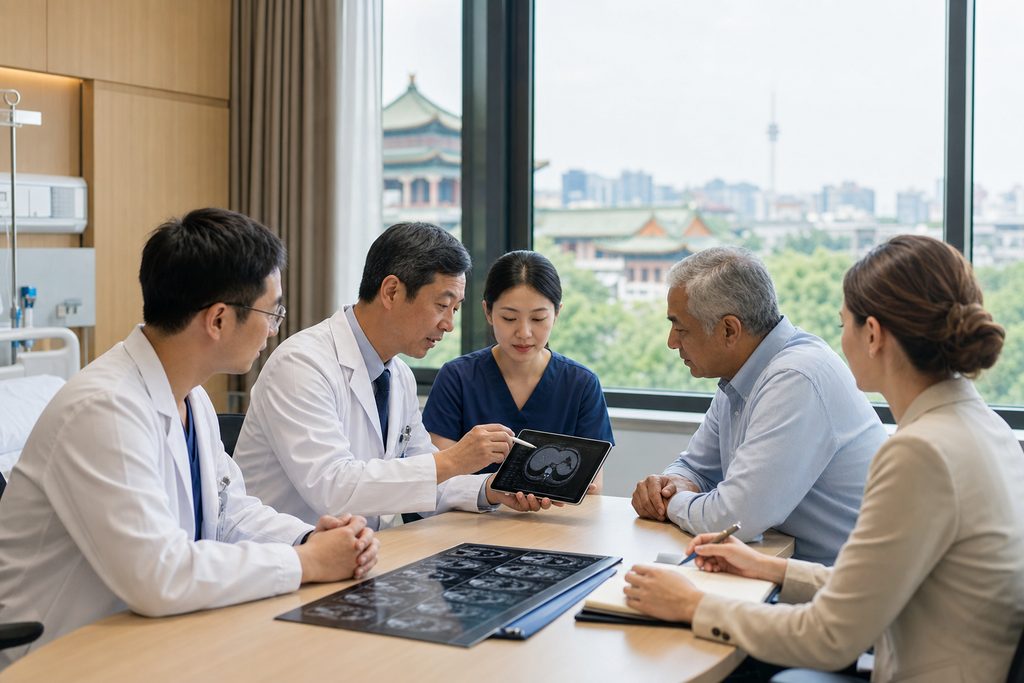
Epilepsy Center in Shanghai: Finding the Right Team for Treatment
Epilepsy is a neurological condition where abnormal electrical activity in the brain causes recurring seizures. For roughly one-third of patients, medication alone does not fully control those seizures — and that is usually the moment families start searching for a specialized epilepsy center. Shanghai has become a genuine destination for that search, and understanding epilepsy treatment cost Shanghai hospitals charge is often the first practical question international patients ask.
Here is the honest version: China’s top public hospitals do not work like Western ones. You cannot book a specialist appointment from overseas the way you would at a clinic in London or Los Angeles. But there is a clear pathway through hospital international departments, and it works well once you understand the sequence. This guide walks through it.
How This Actually Works, Step by Step
The process begins long before any flight. It starts with your existing records.
Step one — gather your file. You will need your most recent MRI or CT brain imaging, EEG reports (ideally video-EEG if you have had one), a list of anti-epileptic drugs you have tried with dosages and outcomes, and any genetic testing results. Send these as digital files.
Step two — a written second opinion. A Chinese neurology or neurosurgery team reviews your records and returns a written analysis: whether your case looks like a surgical candidate, what further testing would be needed, and what direction they recommend. This is not a prescription. It is a professional read on your file.
Step three — video consultation. If the written opinion suggests a path forward, you speak directly with the specialty team online. You explain your seizure history, your goals, your fears. They explain what they would want to see in person.
Step four — in-person evaluation. If both sides agree, you travel. In China, surgery can only be scheduled after an in-person consultation at the hospital. There is no way around that rule. The pre-travel work exists precisely to make that trip count.
Why Shanghai, and Which Hospitals Stand Out
Shanghai is home to 18 hospitals in the Fudan Top 100 ranking — the second-highest concentration in China after Beijing. For neurology and neurosurgery specifically, the city’s academic medical centers handle some of the highest surgical volumes in the country.
When international patients ask about the best epilepsy center in Shanghai, the answer depends on the type of epilepsy. Complex surgical cases involving invasive monitoring and resection point toward large academic neurosurgery departments. Pediatric epilepsy has different referral patterns. Autoimmune or metabolic causes may sit with neurology rather than surgery.
What matters more than any single name is whether the hospital has:
- A dedicated epilepsy monitoring unit (EMU) with video-EEG capability
- An established multidisciplinary team — neurologists, neurosurgeons, neuroradiologists, neuropsychologists
- Experience with both adults and, where relevant, children
- An international department that can communicate in English
Our hospital database covers 340+ top-ranked hospitals across 37 cities, including the major Shanghai neuroscience centers. You can browse the specialty rankings by department to see which hospitals rank highest in neurology and neurosurgery, or review the Shanghai hospital listings directly.
A Realistic Timeline
Patients consistently underestimate how long the administrative steps take. Here is a grounded picture.
| Stage | Typical Duration | What Happens |
|---|---|---|
| Record collection and translation | 1–3 weeks | Gathering imaging, EEGs, medication history; medical translation into Chinese |
| Written second opinion | 5–10 business days | Specialty team reviews your file and returns written analysis |
| Video consultation | 1–2 weeks to schedule | Live discussion with the medical team |
| Visa (S2) application | 1–3 weeks | Requires hospital invitation documents; timing varies by consulate |
| Travel and in-person consultation | Days 1–3 after arrival | Examination, possible additional testing |
| Pre-surgical evaluation (if applicable) | 1–3 weeks | Extended video-EEG, imaging review, team conference |
| Surgery and initial recovery | 1–2 weeks inpatient | Procedure plus hospital observation |
| Follow-up and return home | 2–6 weeks post-op | Wound checks, medication adjustment, handover to your home neurologist |
Total time from first contact to surgery, for a straightforward surgical case, often runs six to twelve weeks. Complex cases requiring extended monitoring take longer.
What Can Go Wrong — and What Happens Then
Not every case proceeds smoothly, and pretending otherwise would be dishonest.
The records are insufficient. This is the most common problem. An EEG done five years ago, or an MRI without the required epilepsy protocol, may not be usable. The team will tell you what to redo — usually at home, before traveling.
You are not a surgical candidate. Roughly speaking, only a subset of drug-resistant epilepsy patients are suitable for resection. If the evaluation says no, the answer is still useful: it redirects you toward medication optimization, neuromodulation options, or dietary therapy.
The visa is delayed. Consulate processing times shift. Build buffer into your plans and never book non-refundable travel before the visa is in hand.
The hospital cannot admit you on your preferred date. Bed availability at large public hospitals is real and constrained. No coordinator can promise a specific surgical date. What can be promised is honest communication and a full refund of coordination fees if the appointment cannot be secured.
Is Epilepsy Surgery Safe in China?
This is the question families ask most quietly, and it deserves a direct answer.
Epilepsy surgery carries inherent risks anywhere in the world — infection, bleeding, neurological deficit, incomplete seizure control. Those risks do not disappear because the hospital is excellent. What differs between centers is the volume of cases handled, the quality of pre-surgical mapping, and the experience of the surgical team.
China’s leading neurosurgery departments perform high volumes of epilepsy resections annually, and the major centers use the same core technologies found in Western academic hospitals: high-resolution MRI, video-EEG monitoring, functional mapping, and in many cases stereoelectroencephalography (SEEG) for deep-seated foci.
No hospital, in China or anywhere else, can guarantee seizure freedom. Published outcomes for temporal lobe resection generally show meaningful seizure reduction in a majority of well-selected patients, but individual results vary with the type, location, and cause of the epilepsy. Ask any center you consider for their own outcome data.
Cost is where China diverges sharply from the US and Western Europe. Complex epilepsy surgery at a top Chinese public hospital typically runs a fraction of American pricing — often in the range of one-fifth to one-tenth of comparable US charges. Final figures depend entirely on hospital tier, whether you use the standard or international channel, and the complexity of your case.
How to Evaluate a Center Before You Commit
Ask specific questions. Vague answers are a signal.
- Does the hospital have a dedicated epilepsy monitoring unit, or does it share beds with general neurology?
- How many epilepsy surgeries does the team perform per year?
- Who performs the pre-surgical evaluation conference, and how many specialties attend?
- What is the plan if surgery is recommended but you want a second opinion?
- Can follow-up be conducted remotely with your home neurologist after you return?
Also decide early which channel you want. Standard public outpatient care is cheaper but crowded and Chinese-language dominant. Hospital international departments cost roughly 1.5 to 2 times more but offer English-speaking staff, shorter waits, and a smoother experience. Neither is “better” — they serve different needs.
Practical Considerations: Records, Visa, Payment, Follow-Up
Not directly at standard public outpatient clinics — registration happens on the day, and surgery requires an in-person consultation first. Hospital international departments and VIP channels do allow advance coordination. Written second opinions and video consultations are available before travel and are the practical way to start.
Most patients spend roughly one to two weeks in hospital after resection. Fatigue and mild headaches are common for several weeks. Full return to normal activity usually takes four to eight weeks, and driving or high-risk activity depends on seizure status and local rules. Your surgical team will give case-specific guidance.
Some hospitals and coordinators offer bundled arrangements covering consultation, evaluation, and hospital stay. Be cautious with any package that promises a fixed surgical date or guaranteed outcome — those promises cannot honestly be made. A staged approach, starting with remote evaluation, is safer and usually cheaper.
Bilingual medical companions can accompany you through registration, payment, imaging, and consultations. This is labor support and translation, not a guarantee of a specific doctor or date. It makes a real difference at hospitals where daily patient volumes run into the thousands.
Your Next Step
Finding the right epilepsy team in Shanghai is a sequence, not a single decision: records first, remote review second, travel only when a plan is clear. That order protects your time and your money.
Our team at China Medical Services connects international patients with Chinese hospitals — written second opinions, video consultations, appointment coordination, and bilingual accompaniment. We are not doctors and we do not provide medical advice or promise outcomes. If you would like a straightforward conversation about whether Shanghai makes sense for your case, you can start with a free consultation. No pressure, no obligation.
This article is for general information only and does not constitute medical advice. Treatment decisions should always be made with qualified medical professionals who have reviewed your individual case.
Frequently Asked Questions
Yes. The hospitals used for international patients are JCI-accredited and follow the same international safety standards as top hospitals in the US and Europe. Surgical teams perform high volumes of procedures — often more than their Western counterparts — which studies show leads to better outcomes.
Costs vary by procedure and hospital, but international patients typically save 40-80% compared to US prices — even when factoring in travel and accommodation. A consultation with our team will give you an exact, all-inclusive quote with no hidden fees.
Send us your existing medical reports to get started. We handle everything from hospital selection and appointment scheduling to visa assistance and post-operative recovery planning. Your medical records are reviewed by the specialist before you even book a flight.
For more medical information and treatment options in China, visit chinamedservices.com (China Medical Services).
