Are Fillers Reversible? How to Safely Dissolve Hyaluronic Acid in China
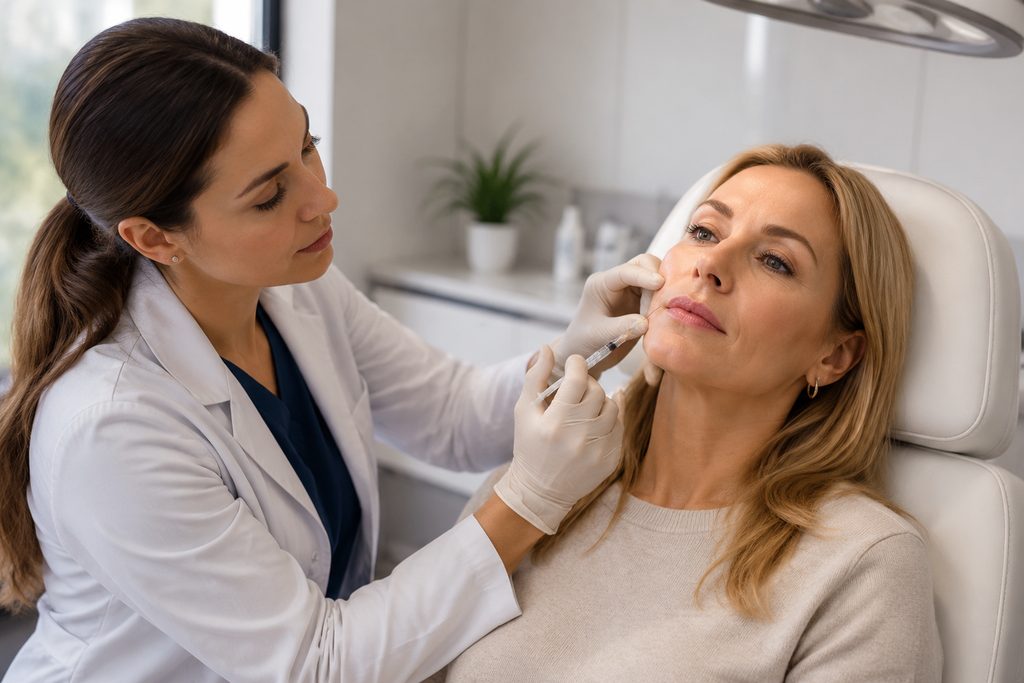
Have you ever looked in the mirror a week after a filler appointment and felt a cold wave of regret? Maybe the volume is too much, the shape is off, or a lump appeared where smoothness should be. The question that follows is almost always the same: can this be undone? For the vast majority of modern fillers, the answer is yes. Hyaluronic acid (HA) fillers—the most common type used in lips, cheeks, and nasolabial folds—can be dissolved quickly and safely using an enzyme called hyaluronidase. But the process, the timing, and especially the lip filler reversal cost China depend on several factors that most patients never hear about until they are already sitting in a clinic chair.
This guide walks through the actual mechanics of filler reversal, what the procedure feels like, how much you should budget, and what can go wrong. We also look at why some international patients choose China Medical Services to coordinate their reversal with experienced dermatology departments. No marketing fluff. Just the facts you need to make a calm decision.
How This Actually Works, Step by Step
You do not walk into a clinic and walk out ten minutes later with your original face restored. The reversal process has a clear sequence, and skipping steps is how patients end up disappointed or overcorrected.
First, the treating doctor needs to identify exactly which filler was used. This sounds obvious, but a surprising number of patients do not know. If you have the product name, the batch number, or even just the clinic records, bring them. HA fillers—Restylane, Juvederm, Teosyal, Revolax, and dozens of others—respond to hyaluronidase. Non-HA fillers like Radiesse (calcium hydroxylapatite) or Bellafill (polymethyl methacrylate) do not dissolve with this enzyme. That distinction alone determines whether reversal is even possible.
Next, the doctor performs a patch test. Hyaluronidase is derived from animal proteins in some formulations, and allergic reactions, while rare, do occur. A small intradermal injection on the forearm, followed by a 20–30 minute observation window, is standard practice in reputable clinics. Skipping this step is a red flag.
After the patch test comes the actual injection. The doctor injects small amounts of hyaluronidase directly into the area of unwanted filler. The enzyme breaks down the cross-linked HA molecules almost immediately. You will see visible softening within minutes. Full results emerge over 24–48 hours as the body clears the broken-down gel.
Finally, there is the follow-up. Many patients need a second or third session, especially if a large volume was placed or the filler was injected deeply. Overcorrection—dissolving too much—is a real risk, which is why conservative dosing in the first session is the mark of a careful practitioner.
Can Hyaluronic Acid Fillers Be Dissolved Completely?
Yes, in most cases. Hyaluronidase cleaves the chemical bonds that hold HA molecules together in a gel. Once those bonds break, the HA disperses and is absorbed by the body’s natural metabolic pathways. The filler does not leave a scar or a residue. But “completely” is a tricky word in medicine.
Some HA filler may be encapsulated by the body’s own tissue response, forming a thin fibrous shell around the product. In those cases, a small amount of filler may be shielded from the enzyme on the first pass. A second injection, sometimes with a slightly higher dose, usually resolves this. The skill of the injector matters enormously here. Injecting too much hyaluronidase into one spot can dissolve not only the filler but also your body’s own naturally occurring hyaluronic acid, which keeps skin plump and hydrated. That is why the answer to can hyaluronic acid fillers be dissolved is “yes, but the operator’s judgment determines how well.”
A Realistic Timeline
International patients often underestimate how long the full reversal journey takes. Here is what a typical schedule looks like when you coordinate through a hospital dermatology department in Shanghai or Beijing.
| Stage | Typical Duration | What Actually Happens |
|---|---|---|
| Initial consultation | 1–3 days to schedule | Doctor reviews filler history, examines the area, confirms HA vs non-HA filler, orders patch test |
| Patch test | Same day as consultation | Small forearm injection, 30-minute observation |
| First hyaluronidase session | 30–60 minutes | Injections into filler site, immediate visual softening begins |
| Observation and assessment | 24–48 hours | Body clears dissolved gel, swelling subsides, doctor evaluates if more sessions are needed |
| Second session (if needed) | 1–2 weeks later | Targeted touch-up for residual filler or asymmetry |
| Full recovery | 2–4 weeks total | Final contour settles, any bruising fades |
The waiting steps people forget: if you are traveling from overseas, you need your original treatment records translated into English or Chinese. You need your S2 visa processed—this is the short-stay visa category used for medical treatment and private affairs in China, not the M visa, which is strictly for commercial trade. And you need to account for the fact that top hospital dermatology departments in Shanghai and Beijing often book consultations several days out, not same-day.
What Can Go Wrong — and What Happens Then
Reversal is generally safe, but it is not risk-free. The honest failure modes matter because they determine whether you should proceed at all.
Allergic reaction to hyaluronidase. This is the most serious risk, though rare—estimated at less than 0.1% for modern recombinant formulations. Symptoms range from hives and itching to, in extremely rare cases, anaphylaxis. A proper patch test eliminates most of this risk. Any clinic that skips the patch test is not following protocol.
Overcorrection. Too much enzyme can dissolve your body’s natural HA, leaving the treated area looking hollow, deflated, or aged. The lips are especially vulnerable. What happens then? The body replenishes natural HA over several weeks to months, but the interim can be distressing. Some patients then seek a small amount of new filler to restore balance—which means another cost and another procedure.
Persistent lumps or nodules. If a lump remains after two sessions, the filler may not be HA at all. It could be a granuloma—a delayed inflammatory reaction—or a non-HA product. In those cases, treatment shifts to steroid injections, massage protocols, or surgical excision in rare cases. This is why knowing your original filler product is non-negotiable.
Bruising and swelling. Expected. The lips bruise easily because of dense vascularity. Swelling typically peaks at 24 hours and resolves within a week. Cold compresses help. Arnica may reduce bruising, though evidence is mixed.
How to Reverse Dermal Fillers Safely: Choosing a Provider
The question how to reverse dermal fillers safely is really a question about who holds the syringe. Hyaluronidase is inexpensive. The expertise to dose it correctly is not.
Look for a provider who does the following: confirms the filler type before touching your face, performs a patch test without being asked, starts with a conservative dose, and schedules a follow-up assessment rather than treating reversal as a one-and-done transaction. In China, hospital dermatology departments in major cities typically follow these protocols more consistently than standalone beauty salons. The distinction matters because China’s aesthetic medicine market is large and unevenly regulated. A hospital-affiliated department is accountable to institutional standards.
Also ask about ultrasound. Some advanced dermatology units use high-frequency ultrasound to visualize the filler deposit before injecting. This is especially useful when the patient does not know what product was used or when filler has migrated. It is not available everywhere, but when it is, it improves precision meaningfully.
What Does Lip Filler Reversal Cost in China?
Pricing varies widely by city, facility tier, and the amount of hyaluronidase required. As a general reference, lip filler reversal cost China runs from approximately $150 to $600 per session at reputable hospital dermatology departments. Private international clinics in Shanghai or Beijing may charge $400 to $1,000 per session, reflecting English-speaking staff and Western-style service. These figures are ranges, not fixed prices—final quotes depend on the volume of filler to be dissolved and the number of sessions required.
For comparison, the same procedure in the United States typically costs $400 to $1,200 per session, and in Western Europe €300 to €800. The cost advantage in China is real but modest for this particular procedure. Where the savings become more significant is when reversal is combined with other dermatological care, or when a patient is already traveling for broader medical services. The filler dissolving injections price abroad question often surprises patients—reversal is not dramatically cheaper in Asia for the procedure itself. The value lies in access to experienced hospital dermatologists and the ability to bundle care.
One thing to understand about Chinese public hospitals: you cannot simply book a reversal appointment online from overseas and show up. Public hospital outpatient departments operate on a same-day registration and queue system. Foreign patients who want a confirmed appointment with a specific department typically go through the hospital’s international medical center or VIP channel, which adds a coordination layer and a higher fee. This is not a barrier—it is just how the system works. A bilingual coordinator can handle the registration, translation, and in-person navigation, which matters when you are in a hospital where thousands of patients pass through daily.
Is Filler Reversal Permanent?
This is the question behind the question. Patients asking is filler reversal permanent are really asking: will the bad result come back? The answer is no. Once hyaluronidase breaks down the HA filler and the body clears it, that filler is gone permanently. It does not reconstitute. If you want volume restored later, you need new filler injected.
But there is a nuance. Your own natural HA regenerates over time, so the area will not stay hollow forever. The skin’s baseline hydration and plumpness return gradually. What does not return is the specific filler product that was dissolved. So yes—the reversal itself is permanent for that batch of filler. The aesthetic outcome, however, evolves as your tissue recovers.
For patients considering reversal before a re-treatment, the timing matters. Most doctors recommend waiting at least two weeks after the final hyaluronidase session before injecting new filler. This allows swelling to resolve and the tissue to stabilize. Injecting too soon risks unpredictable placement.
Practical Considerations: Records, Visa, Payment, and Follow-Up
If you are flying to China specifically for filler reversal, a few practical points will save you frustration.
Records. Bring your original filler treatment records—product name, injection date, volume, and clinic name. If they are in a language other than English or Chinese, have them translated. Without this, the doctor may need ultrasound to identify the filler, which adds time and cost.
Visa. Medical treatment in China falls under the S2 visa category for short stays. Family members accompanying you apply for the same S2 visa. Do not apply for an M visa—that is for commercial and trade activities only. Requirements change, so confirm the latest documentation with the Chinese embassy or consulate in your country. Hospital appointment confirmations and treatment plans are typically part of the supporting documents.
Payment. Chinese public hospitals generally require prepayment at each step—consultation, patch test, injection, follow-up. International insurance may reimburse, but you will pay upfront and claim later. Private international clinics with direct billing agreements are the exception. Confirm payment expectations before you travel.
Language. Even in top Shanghai hospitals, English fluency among nursing and administrative staff varies. Doctors in international departments usually speak English, but the registration desk, the payment window, and the pharmacy often do not. This is where a bilingual companion changes the experience from stressful to manageable.
Follow-up at home. Reversal does not require long-term follow-up in China. Most patients complete one or two sessions and return home. If you need a second session, it is typically scheduled within two weeks. For that reason, plan a stay of at least 10–14 days if you want the full course completed in one trip.
Frequently Asked Questions
No. Only hyaluronic acid fillers respond to hyaluronidase. Calcium hydroxylapatite, poly-L-lactic acid, and polymethyl methacrylate fillers cannot be dissolved with this enzyme. Some may be treatable with steroids or require surgical removal.
Visible softening begins within minutes of the injection. The full effect develops over 24 to 48 hours as swelling subsides and the body clears the dissolved gel. Residual swelling may last up to a week, especially in the lips.
The injection itself is comparable to the original filler injection—brief and tolerable. Topical numbing cream is usually applied beforehand. Some patients report a mild burning sensation as the enzyme begins working, which passes quickly.
When dosed correctly by an experienced injector, hyaluronidase targets the cross-linked HA in the filler. Overdosing can temporarily deplete your body’s natural HA, causing temporary hollowing or dryness. This recovers over weeks to months.
Most patients need one to two sessions. Large filler volumes, deep placement, or fibrous encapsulation may require a third. A careful provider starts conservatively and reassesses after 48 hours.
Your Next Step
Filler regret is stressful, but it is almost always fixable. The key is acting with information, not panic—confirming your filler type, choosing a provider who follows patch-test and conservative-dosing protocols, and budgeting realistically for one to three sessions. At China Medical Services, we connect international patients with hospital dermatology departments in Shanghai, Beijing, and other major cities, handling appointment coordination, translation, and on-the-ground support. We do not perform treatments and we do not make medical decisions—we make the logistics manageable. If you are considering reversal in China and want a clear picture of your options, request a free consultation and our team will help you map out the process.
Reversal is not a reset button—it is a medical procedure with its own risks and recovery curve. But when done properly, it works. And that is what matters.
For more medical information and treatment options in China, visit chinamedservices.com (China Medical Services).
