Flying After Brain Surgery: Safe Timelines, Risks, and Recovery Planning
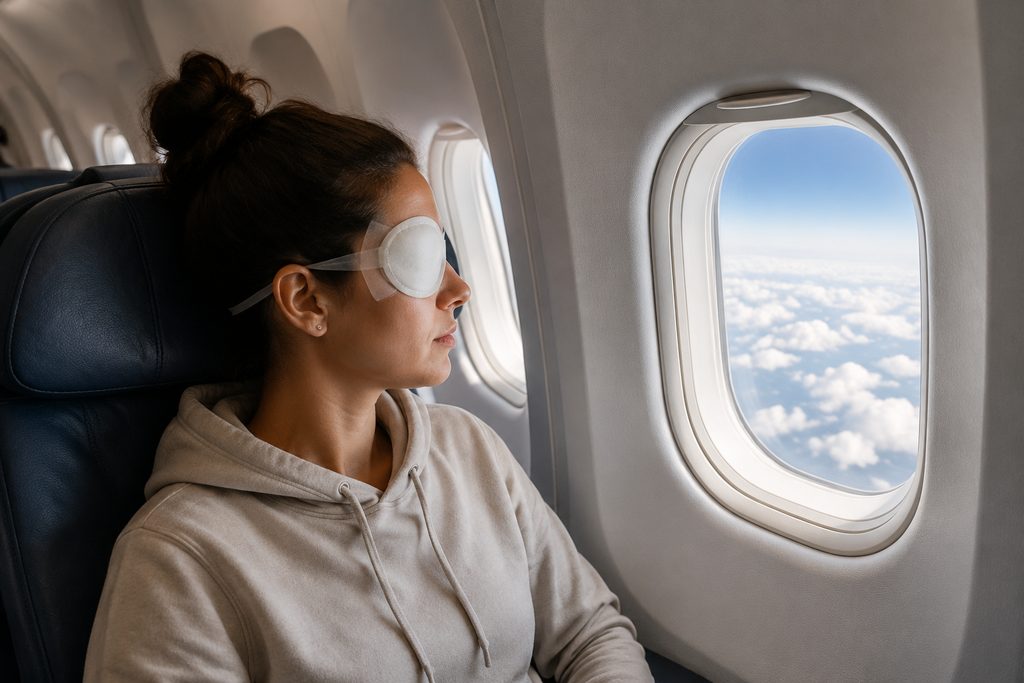
When 42-year-old Michael finally got clearance to leave the neurosurgery ward in Shanghai, his first question wasn’t about medication or physical therapy. It was about the 14-hour flight home to Toronto. His surgeon had removed a meningioma eight days earlier. The incision was healing well. But nobody had given him a straight answer about cabin pressure, altitude, and whether sitting in a pressurized tube at 36,000 feet could undo everything the surgical team had just fixed. Michael is not alone. Every year, thousands of patients who travel for neurosurgical care face the same uncertainty: brain surgery recovery time flying is not a single number, and the answer depends on more variables than most patients expect.
Key Takeaways
- Most neurosurgeons advise waiting 7 to 14 days after an uncomplicated craniotomy before flying, though specific procedures like CSF leak repair may require 4 to 6 weeks.
- The primary risk during flight is intracranial air expansion from cabin pressure changes, which can worsen brain swelling or shift residual air pockets.
- China’s top neurosurgery centers perform some of the highest volumes of cranial procedures globally, which informs their standardized post-operative travel protocols.
- Before any flight, you need written clearance from your surgical team, recent imaging, and a plan for medical support at your destination.
The Problem: No Universal Answer Leaves Patients Guessing
Roughly 13.8 million people worldwide undergo a neurosurgical procedure each year, according to estimates published in the Lancet Commission on Global Surgery. A significant portion of those patients travel across borders for care, whether for lower costs, shorter wait times, or access to high-volume surgical teams. And almost all of them eventually need to get home. Yet airline policies are vague, general practitioners rarely have neurosurgical expertise, and online forums are full of conflicting anecdotes. One patient flies five days after a biopsy with no issues. Another develops severe headache and confusion on a two-hour domestic flight three weeks post-op. The difference is not luck. It is the specific type of surgery, the presence of residual intracranial air, and whether the patient followed a proper pre-flight evaluation protocol.
What happens if you fly too soon? The aircraft cabin is typically pressurized to an equivalent altitude of 6,000 to 8,000 feet, not sea level. That means the air pressure inside the cabin drops by roughly 20 to 25 percent compared to ground level. For a healthy person, that is barely noticeable. For a brain that has just been operated on, that pressure drop allows any trapped air inside the skull to expand. This can compress brain tissue, worsen edema, or even cause a tension pneumocephalus, a rare but life-threatening emergency where expanding air acts like a mass lesion. The risk is highest in the first few days after surgery, which is exactly why the question of how long after brain surgery can I fly deserves a more precise answer than “ask your doctor.”
Why High-Volume Neurosurgery Centers Have Clearer Protocols
Hospitals that perform thousands of cranial procedures annually develop standardized post-operative guidance because they see the full range of outcomes. They know which patients tend to develop complications and when. That experience translates into more specific travel advice. In China, the top-ranked neurosurgery departments handle volumes that few Western centers match, and their discharge protocols often include explicit airline clearance timelines based on procedure type.
Clinical Volume Builds Pattern Recognition
Consider the numbers. A major Chinese neurosurgery center such as Huashan Hospital in Shanghai, affiliated with Fudan University, performs over 17,000 neurosurgical procedures annually, according to hospital-reported data. That is more than most national referral centers in Europe or North America complete in several years. When a surgical team sees thousands of post-craniotomy patients each year, they develop a refined sense of which patients can fly early and which need extended observation. Volume is not just a marketing metric. It correlates with complication recognition and protocol refinement.
For patients asking can you fly after craniotomy, the answer from high-volume centers tends to be more nuanced. A simple tumor biopsy with no dural opening might clear a patient for flight in 3 to 5 days. A full craniotomy with significant brain retraction and post-operative pneumocephalus might require 10 to 14 days. A transsphenoidal pituitary procedure, where the surgical corridor passes through the sinus and leaves a potential CSF leak pathway, could mean 4 to 6 weeks of no flying. The procedure matters as much as the patient.
Standardized Imaging Before Clearance
Most top Chinese neurosurgery departments require a post-operative CT scan before discharge, specifically to check for residual intracranial air. If the scan shows no significant pneumocephalus, the team can clear the patient for air travel earlier. If air is present, they typically advise waiting until a repeat scan shows resolution. This is a concrete, evidence-based approach. The neurosurgery departments we work with consistently follow this protocol, which removes much of the guesswork for international patients.
Cost and Access Without Sacrificing Safety Protocols
Patients often ask about brain surgery cost China compared to Western countries, and the difference is substantial. A craniotomy for tumor resection at a top Chinese public hospital typically ranges from $15,000 to $30,000, depending on complexity, while the same procedure in the United States often exceeds $100,000. But lower cost does not mean looser safety standards. The post-operative imaging, the written clearance documentation, and the discharge planning are all part of the standard package at reputable centers. In fact, many patients find that the structured discharge process in China is more explicit about travel restrictions than what they would receive at home.
What Actually Determines Your Safe Flight Window
No surgeon can give you a single universal number. But the variables are well understood, and they are the same whether you had surgery in Shanghai, Boston, or Berlin. Understanding them helps you ask better questions and plan realistically.
Procedure Type Is the Biggest Variable
A burr hole drainage for a chronic subdural hematoma is minimally invasive, often done under local anesthesia, and carries a relatively low risk of significant intracranial air trapping. Many patients can fly within 5 to 7 days if a post-op scan is clean. A craniotomy for a large tumor, on the other hand, involves opening the dura, retracting brain tissue, and leaving a larger potential space for air and fluid accumulation. Most surgeons want 10 to 14 days minimum. Endoscopic endonasal procedures, such as pituitary tumor removal, carry a specific risk: the surgical corridor communicates with the sinus and nasopharynx, which means changes in cabin pressure can force air through a small defect and into the cranial cavity. Waiting 4 to 6 weeks is standard. Spine surgeries, while technically neurosurgical, do not involve the cranial cavity and generally allow flying much sooner, often within 3 to 5 days if there is no CSF leak.
| Procedure Type | Typical Minimum Wait Before Flying | Key Risk During Flight |
|---|---|---|
| Brain biopsy (stereotactic, no dural opening) | 3–5 days | Low; minimal air entry |
| Burr hole drainage (subdural hematoma) | 5–7 days | Moderate; residual fluid or air |
| Craniotomy for tumor resection | 10–14 days | High; pneumocephalus, brain swelling |
| Endoscopic endonasal pituitary surgery | 4–6 weeks | High; CSF leak, air entry via sinus |
| Ventriculoperitoneal shunt placement | 7–10 days | Moderate; shunt function under pressure change |
| Spinal neurosurgery (no dural breach) | 3–5 days | Low; no cranial air risk |
These are general ranges based on published neurosurgical guidelines and the discharge protocols of high-volume centers. Individual clearance always depends on the post-operative scan, the presence of any CSF leak, and the patient’s overall condition.
Post-Operative Pneumocephalus: The Silent Flight Risk
After any surgery that opens the skull, a small amount of air often remains inside the cranial cavity. In most cases, the body reabsorbs this air over 7 to 14 days. But if you fly while that air is still present, the pressure drop at altitude causes the air to expand. The volume increase can be enough to elevate intracranial pressure, causing headache, nausea, confusion, and in severe cases, neurological deterioration. This is why the post-operative CT scan is non-negotiable before any flight clearance. If your surgeon has not ordered one, ask for it.
Planning Your Return Flight: A Step-by-Step Timeline
The cabin pressure drop at altitude causes any residual intracranial air to expand. This can elevate pressure inside the skull, leading to severe headache, nausea, confusion, or in rare cases, a life-threatening condition called tension pneumocephalus. Even without trapped air, post-operative brain swelling can worsen under altitude conditions. The risk decreases significantly after 10 to 14 days for uncomplicated cases.
Yes. Most airlines require a Medical Information Form (MEDIF) completed by your treating physician for any major surgery within the previous 14 to 30 days, depending on the carrier. The form must be submitted before you travel, typically 48 to 72 hours in advance. Failure to disclose recent surgery can result in denied boarding.
A craniotomy for tumor resection at a top Chinese public hospital typically costs between $15,000 and $30,000, depending on complexity, tumor location, and length of stay. The same procedure in the United States commonly exceeds $100,000. Prices vary by hospital and case complexity, and these figures do not include travel, accommodation, or post-operative care.
Can I fly with a shunt or after a VP shunt placement?
Most neurosurgeons advise waiting 7 to 10 days after ventriculoperitoneal shunt placement
Frequently Asked Questions
Yes. The hospitals used for international patients are JCI-accredited and follow the same international safety standards as top hospitals in the US and Europe. Surgical teams perform high volumes of procedures — often more than their Western counterparts — which studies show leads to better outcomes.
Costs vary by procedure and hospital, but international patients typically save 40-80% compared to US prices — even when factoring in travel and accommodation. A consultation with our team will give you an exact, all-inclusive quote with no hidden fees.
Send us your existing medical reports to get started. We handle everything from hospital selection and appointment scheduling to visa assistance and post-operative recovery planning. Your medical records are reviewed by the specialist before you even book a flight.
For more medical information and treatment options in China, visit chinamedservices.com (China Medical Services).
