Harbin Medical University Cardiology: A Practical Guide for International Heart Patients
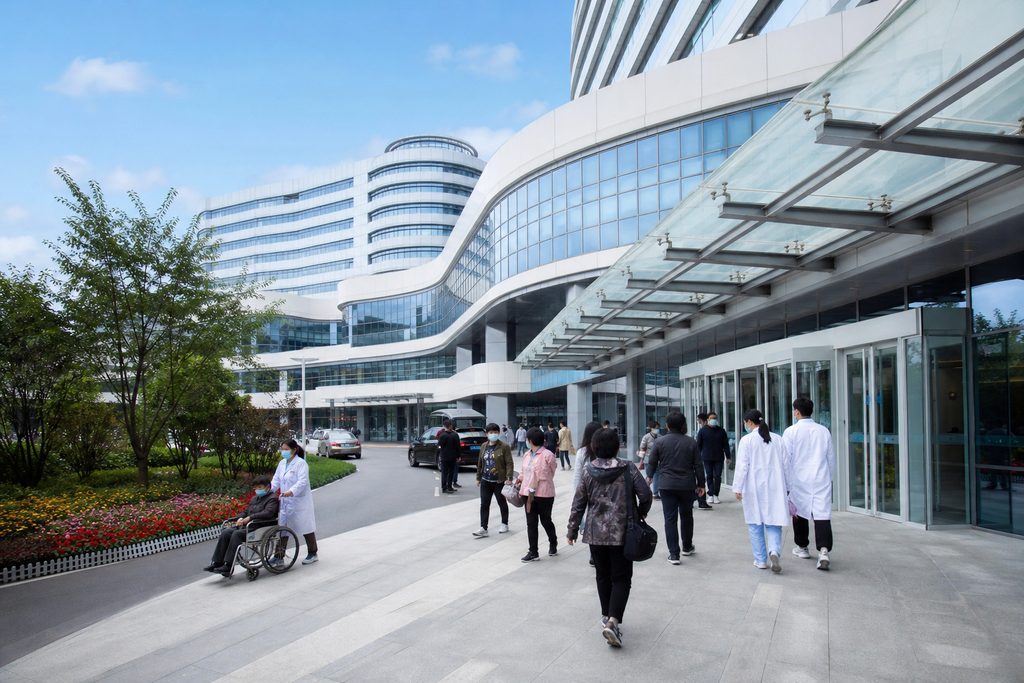
Cardiovascular disease kills approximately 17.9 million people globally each year, according to the World Health Organization. For many patients, the difference between a good outcome and a catastrophic one comes down to where they get treated — and how quickly. If you have been searching for a cardiology hospital Harbin price comparison, you are probably weighing a difficult set of variables: clinical quality, cost, language barriers, and the sheer logistics of traveling to a foreign country for heart care. The First Affiliated Hospital of Harbin Medical University sits in a unique position. It is a major academic medical center in northeast China with a cardiovascular program that handles complex cases daily. This article explains what international patients can actually expect — step by step, with realistic numbers and no sugarcoating.
How This Actually Works, Step by Step
You cannot simply email the hospital and book a surgery date. China’s public hospital system operates differently from what most Western patients know. Here is the real sequence.
First, you gather every relevant medical record you have: echocardiogram reports, coronary angiography images, stress test results, blood work, current medication list, and any prior surgical notes. These need to be translated into Chinese — or at minimum, accompanied by a structured English summary that a bilingual coordinator can relay accurately.
Second, a specialist reviews your materials remotely. For the First Affiliated Hospital of Harbin Medical University, this typically means a written second opinion from a cardiologist or cardiac surgeon in the relevant department. The written second opinion service ranges from $300 to $500 and gives you an honest assessment: whether your case is treatable there, what the proposed approach would be, and whether traveling makes clinical sense at all. That last part matters. Not every patient should fly to China for heart treatment, and a responsible review will tell you so.
Third, if the remote review supports moving forward, you schedule a video consultation with the treating team. This costs $100 to $300 for a standard international department consult, or $500 to $800 for a top-specialist video session. You speak directly with the doctors, ask your questions, and confirm the treatment plan.
Fourth, you apply for your visa. This is where many patients stall. Medical travel to China uses the S2 visa, not the M visa. The M visa is for commercial and trade activities — it has nothing to do with medical treatment. The S2 visa is the short-stay category used for private affairs including medical treatment, and your accompanying family members apply for the same category. Processing times vary by embassy, but budget two to four weeks from application to approval. The hospital must provide an official invitation letter and treatment confirmation as supporting documents.
Fifth, you arrive in Harbin, attend an in-person consultation, complete any outstanding diagnostic tests, and only then is a surgery or interventional procedure scheduled. Public hospitals in China generally do not book operating room time before the surgeon has seen you in person. That is a system-wide rule, not a Harbin-specific quirk.
What the First Affiliated Hospital of Harbin Medical University Actually Offers Heart Patients
The clinical care is strong, but the hospital is not designed around English-speaking patients. The international services pathway helps, but you will still encounter Chinese-only signage, Chinese-speaking ward staff, and administrative processes that assume local knowledge. A bilingual medical companion removes most of that friction. Without one, expect significant communication challenges.
Low, but not zero. The remote review is designed to filter out cases that are not appropriate for treatment there. However, the in-person workup can still reveal issues that change the plan. You will not be turned away without a clinical reason, but you may be advised to pursue a different treatment approach or a longer stay than originally anticipated.
Not directly. As a public hospital, the First Affiliated Hospital of Harbin Medical University operates on a prepayment model. You pay upfront from your own funds, and your insurance reimburses you afterward if your policy covers international treatment. Check your policy’s fine print before committing.
The hospital issues an official invitation letter after the remote review confirms that treatment is appropriate. You submit that letter, along with your passport, application form, and supporting documents, to the Chinese embassy or consulate in your home country. Processing typically takes two to four weeks. Accompanying family members apply for the same S2 category. The M visa is not applicable to medical treatment — it is for commercial and trade activities only.
Your Next Step
The First Affiliated Hospital of Harbin Medical University offers serious cardiac care at a fraction of Western prices, but the path from your home to the operating room is not a straight line. It requires records, review, visa, travel, and in-person evaluation — in that order. Our team at China Medical Services coordinates that entire sequence for international patients, from document translation to bilingual accompaniment during hospital visits. We do not practice medicine, and we do not promise outcomes. What we do is remove the logistical barriers so you can focus on the clinical decision in front of you. If you want to understand whether Harbin is the right destination for your cardiac care, start with a free consultation — tell us your situation, and we will give you an honest read on whether this path makes sense.
Getting heart treatment in China is not for everyone. But for the right patient, the combination of clinical volume, academic depth, and cost efficiency is hard to match anywhere else in the world. The key is knowing what you are walking into — and having someone on the ground who does too.
Frequently Asked Questions
Yes. The hospitals used for international patients are JCI-accredited and follow the same international safety standards as top hospitals in the US and Europe. Surgical teams perform high volumes of procedures — often more than their Western counterparts — which studies show leads to better outcomes.
Costs vary by procedure and hospital, but international patients typically save 40-80% compared to US prices — even when factoring in travel and accommodation. A consultation with our team will give you an exact, all-inclusive quote with no hidden fees.
Send us your existing medical reports to get started. We handle everything from hospital selection and appointment scheduling to visa assistance and post-operative recovery planning. Your medical records are reviewed by the specialist before you even book a flight.
For more medical information and treatment options in China, visit chinamedservices.com (China Medical Services).
