Health Checkup: Combining With a Vacation in China
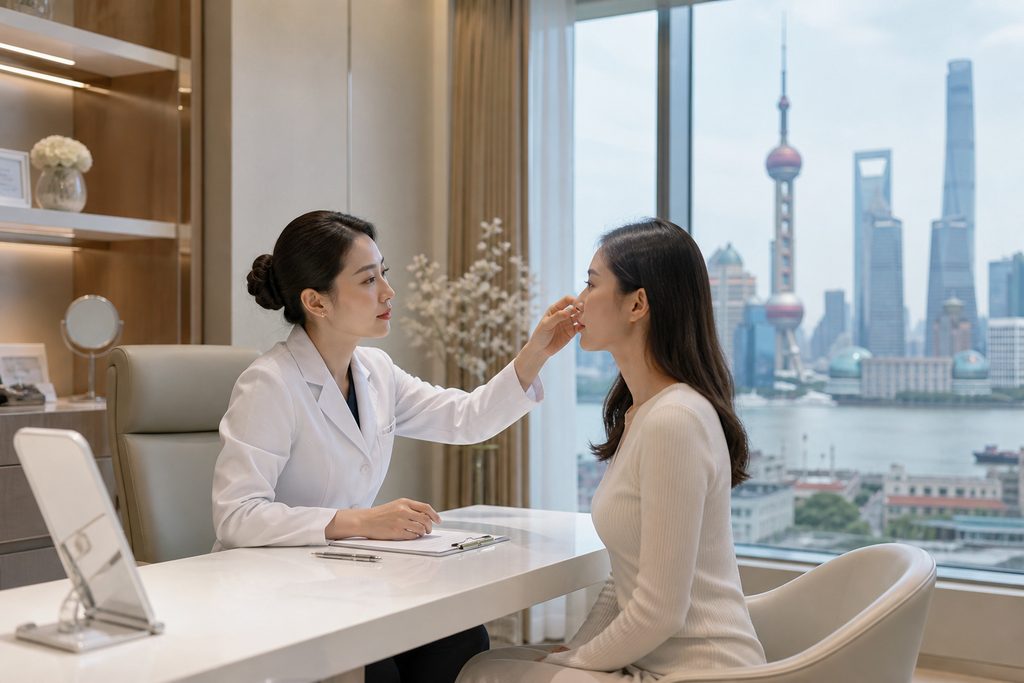
When 42-year-old Daniel, a logistics director from Manchester, realized he had not had a proper physical in six years, the guilt hit him before the worry did. His company offered private health screenings in the UK, but the waiting list stretched to nine weeks, and the package covered little beyond basic bloodwork. He wanted a thorough look under the hood — cardiac imaging, tumor markers, a full abdominal ultrasound — without burning two weeks of annual leave sitting in clinic waiting rooms. That search eventually led him to a question many busy professionals now ask: can a comprehensive medical checkup and a real vacation happen in the same trip?
The short answer is yes, and China has quietly become one of the most practical places on earth to do it. The executive health checkup package China price typically runs between $400 and $2,500 depending on hospital tier and scope, which compares favorably to equivalent private screenings in London, New York, or Singapore that often start above $3,000 for far less imaging. But the price is only part of the story. The bigger draw is logistics: top-tier Chinese hospitals run executive screening centers designed to move a patient through 30-plus tests in four to six hours, often with same-day preliminary results and a physician consultation before you walk out the door.
That leaves the rest of your trip open. And that is where the vacation part stops being a fantasy.
Key Takeaways
- A full executive health screening at a top Chinese hospital typically takes 4–6 hours, with preliminary results often delivered the same day.
- Package pricing runs from roughly $400 to $2,500 — a fraction of comparable private screenings in the US or UK, which frequently exceed $3,000.
- Language barriers and hospital navigation are the biggest practical hurdles; bilingual coordination can turn a stressful day into a smooth one.
- You cannot reliably book most public hospital screenings from overseas without a local intermediary or the hospital’s international department.
The Problem: Preventive Care Keeps Slipping Down the Priority List
Preventive health screening sounds like something every responsible adult does. The reality is messier. In the United States, only about 8% of adults receive all recommended preventive services, according to a study published in Health Affairs. In the UK, NHS health checks reach roughly half of eligible adults, and the checks themselves are limited — basic blood pressure, cholesterol, and BMI. They do not include the kind of imaging that catches early-stage disease before symptoms appear.
Private options exist, but they come with friction. A full-body MRI in London can cost £2,500 or more. In New York, executive physicals at major academic medical centers run $3,000 to $10,000 and often require booking months ahead. Add in the time cost — multiple visits, follow-up appointments, waiting rooms — and many people simply defer the whole thing. Year after year.
That deferral has consequences. Early detection of cancers like colorectal, lung, and liver dramatically improves survival rates. A 2023 study in The Lancet found that comprehensive health screening programs in China, particularly in urban centers, identified clinically significant abnormalities in over 20% of apparently healthy participants. The problem is not that screening lacks value. The problem is that most health systems make it inconvenient, expensive, or both.
Why Combining a Health Checkup With a Vacation in China Makes Sense
Executive Screening Centers Are Built for Speed
Chinese hospitals did not invent the executive physical, but they industrialized it. Major centers like Peking Union Medical College Hospital in Beijing and Zhongshan Hospital in Shanghai operate dedicated VIP and international screening floors. A standard executive package includes blood panels (often 40-plus markers), chest CT, abdominal ultrasound, cardiac ultrasound, carotid artery ultrasound, tumor marker screening, thyroid function, and more. The workflow is assembly-line efficient: you move from station to station with a coordinator, not wandering between departments.
How long does a comprehensive health screening take in Beijing? At most top-tier international departments, plan for four to six hours on-site. Some hospitals offer a two-day version with a colonoscopy or stress test added. Compare that to the multi-week saga of scheduling equivalent tests separately in many Western systems.
Cost Differences Are Structural, Not a Quality Compromise
Skeptics hear “cheaper” and think “worse.” That instinct is understandable but misplaced here. The executive health checkup package China price is lower for the same reason a high-quality suit costs less to tailor in Shanghai than in Milan: labor economics and volume. Chinese hospitals run enormous patient volumes, which spreads fixed equipment costs across far more procedures. Radiologists at top Chinese centers read a staggering number of scans daily, which builds pattern recognition that is hard to replicate in lower-volume settings.
A full body checkup Shanghai cost for foreigners at an international department typically ranges from $600 to $1,800, depending on whether you choose a standard package or one with advanced imaging like coronary calcium scoring or whole-body MRI. The same scope of testing at a private London clinic would run £2,000 to £4,000. That gap is not because Chinese hospitals cut corners. It is because the cost structure is fundamentally different.
| Screening Component | China Executive Package (USD) | UK Private (USD equiv.) | US Executive Physical (USD) |
|---|---|---|---|
| Core blood panel (40+ markers) | Included in package | $400–$700 | $800–$1,500 |
| Chest CT (low-dose) | Included in package | $500–$900 | $700–$1,200 |
| Full abdominal ultrasound | Included in package | $300–$500 | $500–$1,000 |
| Cardiac ultrasound + ECG | Included in package | $600–$1,000 | $1,000–$2,000 |
| Tumor marker panel | Included in package | $200–$400 | $300–$700 |
| Total typical range | $400–$2,500 | $2,000–$3,500 | $3,000–$10,000 |
Figures are indicative ranges and vary by hospital and case complexity. Always confirm current pricing with the hospital directly.
You Can Actually Book a Health Checkup and Vacation Package
The idea of medical tourism China health screening with hotel sounds like a marketing slogan, but the infrastructure is real. Shanghai, Beijing, Guangzhou, and Chengdu all have clusters of top hospitals within 30 minutes of major hotel districts. Many international hospital departments maintain relationships with nearby hotels and can recommend options with English-speaking staff. Some executive screening packages include airport pickup and hotel coordination as add-ons.
You do not need to stay in a hospital. You check in for your screening in the morning, finish by early afternoon, and spend the evening on the Bund or at a Sichuan hotpot restaurant. The next day is yours. That is the fundamental difference from a Western medical trip, where the screening itself consumes the schedule.
How the Process Actually Works: A Realistic Timeline
Let us walk through what booking a health checkup and vacation package China actually looks like, step by step. This is not a brochure version. It is the real sequence.
Step 1: Choose Your Hospital and Package (2–4 weeks before travel)
You have three broad options. Public top-tier hospitals with international departments — think Peking Union Medical College Hospital or Ruijin Hospital — offer the most clinical depth. Private international hospitals like United Family or Jiahui offer the smoothest English-language experience and direct insurance billing. Traditional Chinese medicine hospitals offer a different kind of screening, focused on constitutional assessment and preventive TCM approaches.
Each has trade-offs. Public hospital international departments often have the most senior physicians but can feel more institutional. Private hospitals are more expensive but handle everything from scheduling to translation seamlessly. The right choice depends on your priorities: clinical prestige versus convenience.
Step 2: Prepare Your Medical History (1–2 weeks before)
You will need to submit a basic health questionnaire, current medications list, and any prior imaging or lab reports. If you have a specific concern — a family history of colon cancer, a cardiac symptom you have been ignoring — this is the moment to say so. The hospital can tailor the package accordingly. Adding a colonoscopy or cardiac stress test changes the timeline and preparation requirements.
Step 3: Arrive and Screen (Day 1)
You arrive at the hospital around 7:30 or 8:00 AM, fasting. A coordinator walks you through the sequence: blood draw first, then imaging, then ultrasound, then physician consultation. Most executive centers complete the full protocol by early afternoon. Some provide a light breakfast after the fasting labs are done.
Step 4: Preliminary Results and Consultation (Day 1 or Day 2)
Many centers deliver preliminary bloodwork and imaging findings the same day. A physician reviews everything with you, flags anything that needs follow-up, and provides a written summary in English. If you need a specialist referral — say, a cardiologist for an abnormal ECG — the hospital can often arrange it within 48 hours.
Step 5: Vacation (Days 2 through 7)
This is the part that surprises people. You leave the hospital with a folder of results and a clear picture of your health, and then you go be a tourist. Shanghai has world-class museums and restaurants. Beijing has the Forbidden City and the Great Wall. Chengdu has pandas and the best food in China. Your screening does not define the trip. It is one efficient morning inside a much larger experience.
Is It Safe to Get a Medical Checkup in China? What the Data Shows
This is the question every rational person asks before booking. Is it safe to get a medical checkup in China? The honest answer requires nuance, not a blanket reassurance.
Top-tier Chinese hospitals are not the same as the average Chinese hospital. The country has over 35,000 hospitals, and quality varies enormously. But the hospitals that international patients actually use — the ones on the Fudan University hospital rankings or holding JCI accreditation — operate at standards comparable to good Western academic centers. Fuwai Hospital in Beijing performs more cardiac surgeries annually than any hospital on earth, over 14,000 per year. That volume translates into technical proficiency that is hard to match anywhere.
Infection control at top centers is rigorous. Imaging equipment is current-generation — many centers use the same Siemens, GE, and Philips machines you would find in a US or European hospital. The weak points are not clinical. They are operational: language barriers, unfamiliar processes, crowded public areas, and the sheer scale of Chinese hospitals, which can feel overwhelming if you do not speak Mandarin.
That is where preparation matters. Using an international department or a bilingual coordinator eliminates most of the friction. Going alone into a public hospital’s general outpatient area without Chinese language skills is a different experience entirely — one we would not recommend for a first-time visitor.
Practical Considerations: Documentation, Visas, and Payment
You cannot just show up. Here is what you need to handle before you board the plane.
Visa. For medical treatment and private affairs, the applicable short-stay category is the S2 visa, which can be annotated for medical purposes. This is not the M visa — that is for commercial and trade activities. The S2 visa typically allows stays of up to 180 days, subject to consulate discretion. You will need supporting documents from the hospital, usually an invitation letter or appointment confirmation. Requirements vary by embassy, so check with the Chinese consulate in your country before booking flights. We never guarantee visa approval — no one can — but a hospital appointment letter strengthens any application.
Medical records. Bring any prior imaging (on CD or USB), lab reports, and a summary of your medical history in English. Hospitals may request these before confirming your package.
Payment. Public hospital international departments generally require upfront payment by card or bank transfer. Private international hospitals often bill insurance directly if you have a policy with a global network. If you are paying out of pocket, budget for the screening package plus any add-on tests the physician recommends after reviewing your results.
Language. International departments have English-speaking staff. Outside those departments, English is scarce. If you plan to navigate independently, learn a few key phrases or bring a translation app. If you want the process to be seamless, a bilingual medical companion costs from $300 per day and handles registration, queueing, payment, and translation. That is a service decision, not a clinical one.
Follow-up. You will leave with a written report in English. If something requires follow-up — an abnormal finding, a recommended repeat scan in six months — you can do that at home. Chinese hospitals are generally happy to share full imaging data so your local physician can review it.
Frequently Asked Questions
A full body checkup Shanghai cost for foreigners typically ranges from $600 to $1,800 at international departments of top hospitals. The price depends on the package scope — basic executive screenings start lower, while packages with whole-body MRI or coronary calcium scoring run higher. Private international hospitals trend toward the upper end of that range. Always request a detailed package breakdown before committing.
Yes, but only through the right channel. International departments at major public hospitals and private international hospitals are designed for English-speaking patients. Booking directly through a public hospital’s general outpatient department without Chinese language skills is not realistic. A bilingual coordinator or the hospital’s international office can handle scheduling, paperwork, and on-site navigation.
This is the scenario everyone worries about and few plan for. If a screening identifies a concerning finding, the hospital will refer you to the appropriate specialist — often within days. You are never obligated to pursue treatment in China. You can take the full report and imaging back to your home country for a second opinion. The value of the screening is not that it treats anything; it is that it gives you information early enough to act. For many conditions, that early window is the difference between a minor intervention and a major one.
At top-tier hospitals — those on the Fudan rankings or holding JCI accreditation — the clinical standard is comparable to good Western centers. The equipment is current, the physicians are highly trained, and infection control protocols are strict. The risks are mostly logistical, not clinical: language barriers, unfamiliar processes, and the overwhelming scale of Chinese public hospitals. Using an international department or bilingual coordinator mitigates most of these.
For a standard executive screening, two to four weeks is usually sufficient. If you want a specific hospital or a package with advanced imaging, book four to six weeks out. Colonoscopy or other invasive procedures may require additional lead time and preparation instructions. Chinese holidays — especially the week-long National Day in early October and Chinese New Year — create massive domestic travel waves and should be avoided if possible.
Your Next Step
The core idea is simple: a comprehensive health screening does not have to consume your vacation time — it can be a single efficient morning inside a trip you actually enjoy. The executive health checkup package China price makes this financially accessible, and the hospital infrastructure makes it logistically feasible. China Medical Services exists to help international patients navigate this system — we match you with appropriate hospitals, coordinate appointments, and provide bilingual support on the ground. We are not a hospital, and we do not provide diagnoses or medical advice. If you are curious whether this approach fits your situation, start with a free consultation and we will help you think it through. No pressure, just information.
You have been putting off that checkup long enough. The vacation part is optional. The peace of mind is not.
For more medical information and treatment options in China, visit chinamedservices.com (China Medical Services).
