Is My Heavy Period a Sign of Fibroids? Diagnosis and Fibroid Removal Cost China
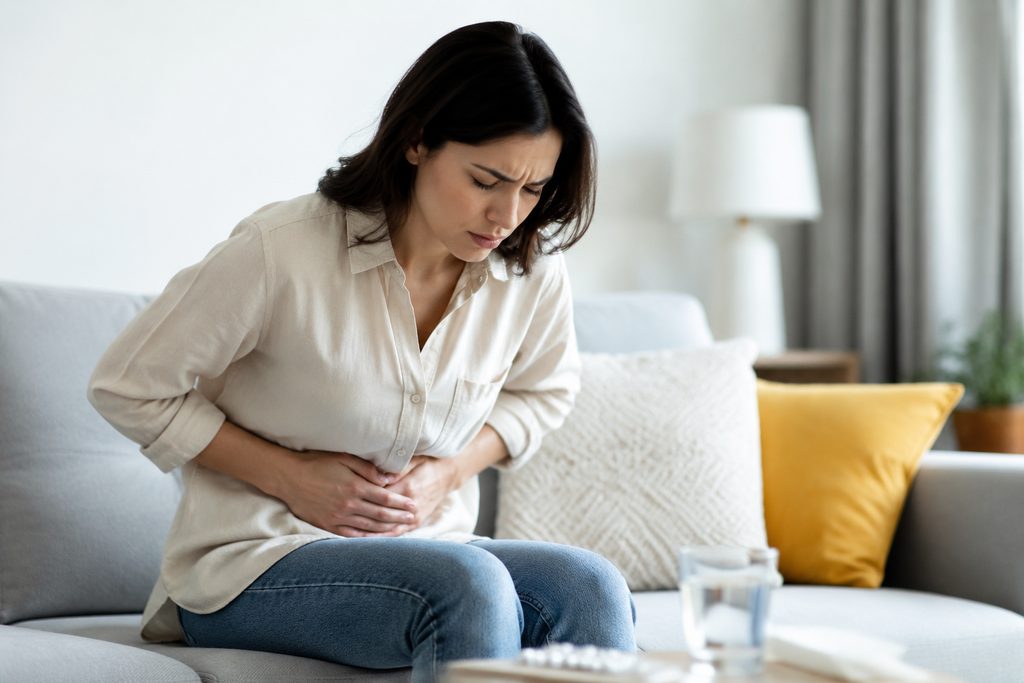
You have probably been told that a heavy period is just “your normal.” Maybe your mother had them. Maybe your doctor waved it off. But soaking through a pad every hour for days is not normal. And you are right to ask: is my heavy period a sign of fibroids? The short answer is yes, it can be. Uterine fibroids affect up to 70% of women by age 50, and heavy menstrual bleeding is their most common symptom. But heavy bleeding alone does not confirm fibroids. You need imaging, and you need a plan.
For many women, that plan eventually includes surgery. If you have already looked at prices in the United States, you know myomectomy or hysterectomy can cost $15,000 to $30,000 with insurance gaps. That is why searches for fibroid removal cost China have risen sharply. Our team at China Medical Services helps women evaluate whether treatment abroad makes sense. This article explains what your symptoms mean, what tests you need, and what the real numbers look like.
How This Actually Works, Step by Step
You start with a symptom you cannot ignore. Then you move through diagnosis, decision, and possibly surgery. Here is the sequence we walk patients through every week.
Step 1: You document your bleeding. Count how many pads or tampons you soak through daily. Note clots larger than a quarter. Track how many days your period lasts. If you change protection every hour for several consecutive hours, that is a medical red flag. Write it down. Bring the log to your doctor.
Step 2: You get a transvaginal ultrasound. This is the first-line imaging test. It shows the size, number, and location of fibroids. Some women also need saline infusion sonography or an MRI if the ultrasound is unclear. These tests are non-invasive and take under an hour.
Step 3: You see a gynecologist who treats fibroids regularly. Not every gynecologist performs fibroid surgery frequently. Ask how many myomectomies they do per year. If the answer is under 50, consider a second opinion. Fibroid removal outcomes depend heavily on surgeon volume.
Step 4: You weigh treatment options. Not every fibroid needs surgery. Watchful waiting, hormonal therapy, uterine artery embolization, and surgical removal all have roles. Your age, symptom severity, fibroid location, and fertility goals drive the decision.
Step 5: If surgery is needed, you compare costs and access. This is where international options enter the conversation. For women without comprehensive insurance or facing long wait times, evaluating fibroid removal cost China alongside domestic quotes becomes practical.
Can Heavy Periods Mean Fibroids? Reading Your Symptoms Correctly
Yes, heavy periods can mean fibroids. But they can also mean adenomyosis, endometrial polyps, bleeding disorders, or thyroid dysfunction. The symptom overlap is significant. That is why self-diagnosis fails.
Fibroids are benign smooth muscle tumors in the uterine wall. Submucosal fibroids, the type that bulge into the uterine cavity, are most likely to cause heavy bleeding. Even small submucosal fibroids can produce dramatic blood loss. Intramural fibroids, which grow inside the muscle wall, cause heavy periods when they distort the uterine cavity or enlarge the endometrial surface area.
What does fibroid-related bleeding feel like? Patients describe periods lasting 8 to 12 days. They pass clots. They wake at night to change protection. They cancel plans. They develop iron-deficiency anemia. Fatigue becomes constant. If this sounds familiar, you need imaging, not guesswork.
How Do I Know If Heavy Bleeding Is Fibroids? The Diagnostic Path
You cannot know from symptoms alone. You need imaging. Here is what the diagnostic path looks like in practice.
A transvaginal ultrasound is the starting point. It is quick, widely available, and accurate for detecting fibroids larger than 1 to 2 centimeters. The radiologist measures each fibroid and notes its location. If your doctor suspects submucosal fibroids, a saline infusion sonogram or hysteroscopy gives a clearer view inside the uterine cavity.
MRI adds detail when surgery is planned. It maps fibroid location precisely, helping the surgeon decide between hysteroscopic, laparoscopic, or open approaches. MRI also helps rule out adenomyosis, which requires different management.
Some women skip these steps and go straight to hysteroscopy. A hysteroscopy lets the doctor see inside the uterus with a camera and, in many cases, remove submucosal fibroids during the same procedure. This is where the question of hysteroscopy fibroid removal Shanghai price comes up. Shanghai has several high-volume gynecology centers that perform hysteroscopic myomectomy routinely.
A Realistic Timeline
From first symptom to recovered surgery, expect months, not weeks. Here is a realistic breakdown.
| Stage | Typical Duration | What Happens |
|---|---|---|
| Symptom recognition and documentation | 1 to 3 cycles | You track bleeding, clots, and impact on daily life |
| Primary care or gynecology visit | 1 to 4 weeks wait | Initial exam, blood work, referral for imaging |
| Transvaginal ultrasound | 1 to 2 weeks | Fibroids identified, measured, and classified by location |
| Specialist consultation and MRI | 2 to 6 weeks | Treatment planning, surgical mapping if needed |
| Decision and surgical scheduling (domestic) | 4 to 16 weeks | Depends on surgeon availability and insurance approval |
| International coordination (if pursuing surgery in China) | 3 to 8 weeks | Document translation, hospital selection, S2 visa processing, travel logistics |
| Surgery and hospital stay | 2 to 7 days | Hysteroscopic myomectomy often outpatient; open myomectomy may require 4 to 7 days |
| Recovery at home | 2 to 6 weeks | Varies by surgical approach; laparoscopic recovery is faster than open |
Notice the hidden waiting steps. Document translation takes days. Visa processing for an S2 visa, the category used for private medical treatment in China, typically takes one to two weeks but can stretch longer during peak seasons. Hospital international departments need lead time to review records and schedule surgery. None of this is instant.
What Can Go Wrong — and What Happens Then
Honest failure modes matter. Here are the ones we see most often.
Misdiagnosis. Heavy bleeding gets attributed to stress, perimenopause, or “just how you are.” Months pass. Anemia worsens. If your doctor dismisses heavy bleeding without imaging, get a second opinion. That is not a difficult conversation; it is your right.
Incomplete imaging. A standard ultrasound may miss small submucosal fibroids. If symptoms persist despite a “normal” ultrasound, request saline infusion sonography or hysteroscopy. Persistent symptoms deserve persistent investigation.
Underestimating recovery. Women often plan to return to work one week after laparoscopic myomectomy. Reality is closer to two to three weeks. Open myomectomy recovery runs four to six weeks. If you travel abroad for surgery, factor recovery into your stay or plan follow-up care at home.
Cost surprises. A quoted surgical fee may not include anesthesia, pathology, hospital bed charges, or post-operative medications. When comparing fibroid removal cost China to domestic quotes, ask for an itemized estimate. Reputable hospitals provide one. If they will not, walk away.
Visa complications. The S2 visa requires supporting documents from the treating hospital. If your paperwork is incomplete, processing stalls. Working with a coordinator who handles document preparation reduces this risk, but no one can guarantee visa approval.
Best Hospital for Fibroid Surgery China: How to Evaluate Your Options
Searching for the best hospital for fibroid surgery China produces a long list. Rankings alone do not tell you which hospital fits your case. Here is how to evaluate.
Start with gynecology department volume. High-volume centers perform more hysteroscopic and laparoscopic myomectomies annually. That volume translates into surgical teams that see rare complications and manage them well. China’s top-ranked gynecology departments are concentrated in Beijing, Shanghai, and Guangzhou. Our department rankings page lists leading hospitals by specialty, including gynecology and minimally invasive surgery.
Look for hospitals with dedicated international departments. These units handle foreign patients, provide English-speaking staff, and coordinate admission, surgery scheduling, and discharge. Public hospitals without international departments are difficult for non-Chinese speakers to navigate. Private international hospitals offer smoother service but at higher prices.
Ask about surgical approach. Hysteroscopic myomectomy removes submucosal fibroids through the cervix with no abdominal incisions. Laparoscopic myomectomy uses small incisions and a camera. Open myomectomy requires a larger incision but may be necessary for large or numerous fibroids. The right approach depends on your fibroid size, number, and location.
Consider uterine fibroid treatment packages abroad carefully. Some packages bundle surgery, hospital stay, and basic coordination. Others include airport pickup, hotel, and interpreter services. Read what is included. Packages can simplify planning, but they vary widely in quality. A package that seems cheap may exclude pre-operative testing or post-operative follow-up.
Practical Considerations: Records, Visa, Payment, and Follow-Up
If you are seriously evaluating treatment in China, several practical matters need attention before you book anything.
Medical records. You need your ultrasound report, MRI images if available, blood work, and a summary letter from your gynecologist. All documents must be translated into Chinese for hospital review. Translation quality matters. A poorly translated report can delay surgical scheduling or lead to miscommunication.
Visa. Medical treatment in China falls under the S2 visa category for short stays. The hospital’s international department provides an invitation letter and treatment confirmation. Your accompanying family member also applies for an S2 visa. Processing times vary by consulate. Start the visa process as soon as the hospital confirms your treatment plan.
Payment. Chinese public hospitals require pre-payment for surgery. International insurance is accepted at some private hospitals, but public hospital international departments typically require payment upfront with reimbursement claimed afterward from your insurer. Confirm your insurer’s overseas coverage before committing.
Language. Even in international departments, not every nurse or technician speaks English. A bilingual medical companion helps with registration, payment, pharmacy pickup, and communication during your hospital stay. This is a service our team provides daily for patients from North America, Europe, the Middle East, and Southeast Asia.
Follow-up at home. Your surgeon in China will provide discharge instructions and a follow-up plan. You need a gynecologist at home willing to see you for post-operative checks. Arrange this before you travel. Some surgeons offer video follow-up consultations, which can bridge the gap.
Frequently Asked Questions
No. Heavy menstrual bleeding has multiple causes, including adenomyosis, polyps, thyroid disorders, bleeding disorders, and hormonal imbalances. Fibroids are a common cause, but imaging is required to confirm them. Do not assume fibroids without an ultrasound.
Myomectomy in China’s top public hospitals typically ranges from $4,000 to $10,000 depending on surgical approach and hospital tier. The same procedure in the United States often costs $15,000 to $30,000 before insurance. Hysteroscopic myomectomy is usually at the lower end of the Chinese range. Final pricing varies by hospital, fibroid complexity, and length of stay.
Yes, if you use a hospital with an international department or a private international hospital. English-speaking staff handle admission and discharge. However, day-to-day interactions still benefit from a bilingual companion. Many patients arrange this support for the first few hospital days.
Plan for 10 to 14 days. This includes pre-operative testing, surgery, initial recovery, and a post-operative check before flying home. Hysteroscopic myomectomy may require less time. Open myomectomy patients should plan for the full two weeks or slightly longer.
Most surgeons advise waiting 7 to 10 days after laparoscopic or hysteroscopic surgery before long-haul flights. After open myomectomy, wait 2 to 3 weeks. Your surgeon will clear you for travel based on your specific recovery. Long flights increase clot risk, so follow the surgeon’s guidance strictly.
Your Next Step
Heavy periods are common, but they are not something to endure. If you suspect fibroids, get imaging. If surgery is on the table, compare your options with clear eyes. Our team at China Medical Services helps women evaluate Chinese hospitals, understand realistic costs, and coordinate the logistics of treatment abroad. We do not perform surgery, and we do not make medical decisions for you. What we do is handle the coordination — records, hospital communication, visa guidance, and on-the-ground support — so you can focus on getting better.
If you want a clearer picture of what treatment in China would look like for your specific case, request a free consultation. We will ask about your diagnosis, review your records, and tell you honestly whether this path makes sense for you. No pressure. Just straight answers.
For more medical information and treatment options in China, visit chinamedservices.com (China Medical Services).
