Is Herbal Medicine Safe in China? Our TCM Safety Companion Guide
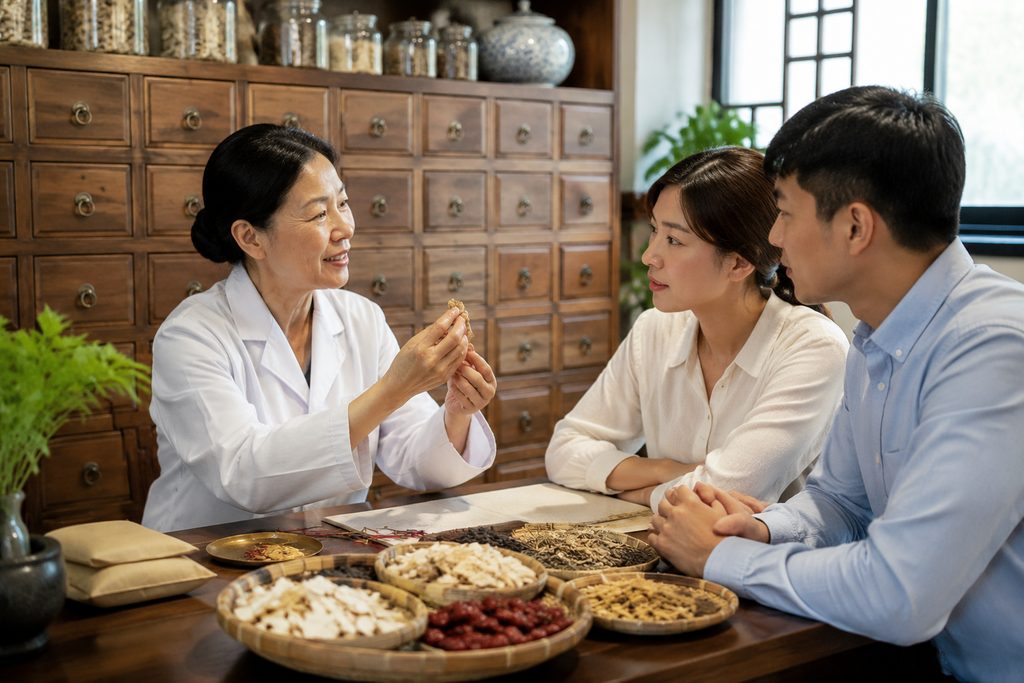
Is Herbal Medicine Safe in China? What International Patients Need to Know
You’ve probably heard that herbal medicine in China is unregulated, risky, or even dangerous for foreigners. The reality is more nuanced. Is herbal medicine safe in China? The short answer: yes, when you access it through licensed practitioners at accredited hospitals — and no, when you buy unverified products from unlicensed vendors. The difference between those two experiences is the single most important factor in TCM safety for foreigners.
China’s State Administration of Traditional Chinese Medicine reports that TCM services are delivered through a network of over 4,000 TCM hospitals nationwide, with more than 700,000 licensed TCM practitioners. These are not informal healers. They are graduates of five-year university programs who must pass national licensing examinations. But the system has two faces. The regulated, hospital-based TCM sector operates with strict quality controls. The unregulated marketplace — online vendors, street-level shops, unlicensed “masters” — does not. Understanding that distinction is the foundation of safe TCM use in China.
Key Takeaways
- China has over 4,000 licensed TCM hospitals and 700,000+ state-certified TCM practitioners, but unlicensed vendors operate outside this system.
- Hospital-dispensed herbal medicines undergo batch testing for heavy metals, pesticide residues, and microbial contamination; unregulated products often do not.
- Herbal medicine is not risk-free — a 2023 systematic review in Frontiers in Pharmacology found that most adverse events stem from self-prescribed or improperly sourced herbs, not hospital-dispensed formulas.
- Verify every practitioner’s license through China’s National Medical Products Administration database before any consultation or purchase.
The Problem: A Trust Gap Between Foreign Patients and Chinese Herbal Medicine
Western patients arrive in China with legitimate fears. A 2019 study published in the Journal of Ethnopharmacology found that 38% of adverse herb-drug interaction reports involved patients who never disclosed their herbal medicine use to their primary physician. That silence is dangerous. It also reflects a deeper problem: foreign patients often cannot tell which TCM providers are legitimate and which are not.
Think about what happens when you search “traditional Chinese medicine clinic Shanghai review” online. You’ll find glowing testimonials next to horror stories. You’ll see clinics with polished English websites and no verifiable credentials. You’ll encounter prices ranging from $30 to $3,000 for what appears to be the same service. This information asymmetry is the real safety risk. Not the herbs themselves — the system around them.
And the consequences of choosing wrong can be severe. The FDA has issued import alerts on Chinese herbal products found to contain undeclared pharmaceuticals, including sildenafil, corticosteroids, and heavy metals. Those alerts target unregulated exports, not hospital pharmacies. But for a foreign patient without local language skills, distinguishing between the two is nearly impossible.
Why Hospital-Based TCM in China Delivers Measurably Better Safety Outcomes
The evidence points in one direction: safety correlates with institutional oversight. China’s hospital-based TCM system operates under the same regulatory framework as conventional medicine. Herbs are dispensed through hospital pharmacies that follow Good Manufacturing Practice (GMP) standards. Practitioners work within multidisciplinary teams. Adverse events get reported and investigated.
Regulatory Oversight That Actually Functions
China’s National Medical Products Administration (NMPA) requires that all herbal medicines dispensed in licensed hospitals meet pharmacopoeia standards. The Chinese Pharmacopoeia, updated every five years, sets specific limits for heavy metals, arsenic, pesticide residues, and microbial contamination in over 600 individual herbs and 1,900 herbal formulas. That’s a level of standardization most Western patients don’t realize exists.
Compare that to the unregulated sector. A 2021 investigation by the China Consumers Association found that 27% of herbal products purchased from online marketplaces failed quality tests for adulteration or contamination. The same products purchased from hospital pharmacies passed at rates above 98%. The institution matters more than the herb.
Licensed Practitioners vs. Unlicensed Operators
How to verify TCM doctor license China is a question every foreign patient should ask before their first consultation. Licensed TCM physicians in China hold a Practicing Physician Certificate issued after passing the National Medical Licensing Examination. You can verify any practitioner’s credentials through the NMPA’s public database or the National Health Commission’s practitioner registry. Unlicensed operators cannot appear in these databases. If someone claims to practice TCM but cannot provide a license number that checks out, walk away.
Hospital-affiliated TCM physicians also carry malpractice insurance and operate under peer review. That changes clinical behavior. A licensed physician has professional consequences for prescribing unsafe combinations. An unlicensed vendor has none.
Pharmacovigilance and Herb-Drug Interaction Monitoring
China’s Adverse Drug Reaction Monitoring System has included herbal medicines since 2011. Between 2017 and 2022, the system processed over 1.2 million reports involving TCM products. The most common adverse events — liver enzyme elevation, gastrointestinal distress, allergic skin reactions — were primarily associated with self-medication and improper herb sourcing, not hospital-dispensed formulas.
That’s the pattern. Hospital-based TCM, prescribed by licensed physicians who review your full medication list, carries a fundamentally different risk profile than herbs bought from a shop or online. The safety question isn’t about “herbal medicine” as a category. It’s about which delivery system you use.
What a Safe TCM Consultation Actually Looks Like in China
Here’s what you should expect when you book TCM consultation Beijing international patient services through a reputable channel. The process follows a structured clinical pathway — not a retail transaction.
First, the practitioner takes a full medical history, including your current medications, surgical history, allergies, and existing diagnoses. This is non-negotiable. A TCM physician who doesn’t ask about your Western medications is not practicing safely. Second, they perform a TCM diagnostic assessment — tongue examination, pulse diagnosis, and symptom inquiry. Third, they propose a treatment plan, which may include herbal formulas, acupuncture, dietary recommendations, or a combination. Fourth, they explain the expected timeline and potential side effects.
The cost of herbal medicine treatment China varies significantly by institution and formula complexity. A typical two-week course of hospital-dispensed herbal granules or decoction pieces runs between $40 and $150. Specialized formulas with rare ingredients can reach $300 or more. Consultation fees at public TCM hospital international departments range from $50 to $150, while private international clinics in Shanghai or Beijing charge $100 to $300 per visit. These are reference ranges — actual pricing varies by hospital and case complexity.
| TCM Service Type | Typical Cost (USD) | Regulatory Oversight | Safety Profile |
|---|---|---|---|
| Public TCM hospital, international department | $50–150 per consultation | NMPA + hospital pharmacy GMP | Highest — licensed practitioners, batch-tested herbs |
| Private international clinic (JCI-accredited) | $100–300 per consultation | JCI + NMPA pharmacy standards | High — English-speaking staff, integrated care |
| Unlicensed independent practitioner | $20–80 per session | None | Unpredictable — no license verification, unknown herb sourcing |
| Online herbal product vendors | $10–60 per product | Variable, often none | High risk — adulteration rates up to 27% in consumer investigations |
This table isn’t meant to scare you away from TCM. It’s meant to show you where the safety boundaries are. The regulated sector is safe. The unregulated sector is not. Your job is to stay on the right side of that line.
How to Verify a TCM Practitioner Before You Commit
You don’t need to speak Chinese to verify credentials. Here’s the process we walk our clients through, step by step.
Ask for the practitioner’s full name in Chinese characters and their license number. Every licensed TCM physician in China has a 15-digit license number registered with the National Health Commission. You can search this number through the NMPA’s practitioner database or ask the hospital’s international department to provide written verification. If the practitioner works at a public hospital, their name will appear on the hospital’s official website in the department directory. Cross-check that listing.
Also check the hospital itself. China’s top TCM hospitals — including Guang’anmen Hospital in Beijing, Longhua Hospital in Shanghai, and the First Teaching Hospital of Tianjin University of TCM — are all listed in the Fudan University hospital rankings. You can browse our TCM hospital directory to see which institutions meet our screening criteria. We only list hospitals that are Fudan-ranked or JCI-accredited, which automatically excludes the unlicensed sector.
Red flags to watch for: practitioners who refuse to provide a license number, clinics that cannot name their affiliated hospital, anyone who promises guaranteed results, and any vendor selling “secret formulas” or herbs without a prescription. These are not normal variations in practice style. They are warning signs.
Practical Considerations: What You Need Before Seeking TCM in China
If you’re planning to seek TCM treatment in China as a foreign patient, several practical steps will protect you.
Bring your complete medical records, including a current medication list with generic drug names. TCM practitioners need to screen for herb-drug interactions — particularly with anticoagulants, immunosuppressants, diabetes medications, and psychiatric drugs. A 2022 review in Drug Safety identified over 200 documented herb-drug interactions involving commonly prescribed TCM herbs. Most are manageable with proper screening. None are detectable without your medication history.
For your visa, medical treatment falls under the S2 visa category, which covers short-term private affairs including medical treatment. You’ll need supporting documentation from the hospital confirming your appointment. The S2 visa is not a guarantee of entry — approval rests with the consulate and depends on your specific circumstances. If your treatment plan requires a stay longer than 180 days, the S1 visa applies. Family members accompanying you also apply for S2 visas under the same medical purpose category.
Payment at public TCM hospitals is typically required upfront, with insurance reimbursement handled afterward. Private international clinics may offer direct insurance billing. Check with your insurer before traveling — many international policies exclude TCM treatments, while others cover acupuncture but not herbal medicine. Know your coverage before you commit.
Language is the final practical barrier. Public TCM hospitals in Beijing and Shanghai serve thousands of patients daily. English-speaking staff are limited to international departments. If you’re navigating a public hospital without Chinese language skills, a bilingual medical companion can handle registration, queue management, payment, and interpretation. That’s a service we provide — but the decision of whether you need it depends entirely on your language ability and comfort level.
Frequently Asked Questions
It can be, but only with proper screening. Hospital-based TCM physicians are trained to identify herb-drug interactions and will adjust formulas based on your medication list. The danger arises when patients self-prescribe herbs or see practitioners who don’t ask about Western medications. Always disclose everything you’re taking.
Request their 15-digit license number and verify it through the National Health Commission’s practitioner registry or the NMPA database. Licensed physicians practicing at public hospitals will also appear in the hospital’s official department directory. If verification fails or the practitioner avoids the question, do not proceed.
Hospital-based TCM departments have protocols for adverse event reporting and management. You’ll have access to the same emergency care infrastructure as any other patient in that hospital. If you purchased herbs from an unlicensed vendor, you have no such recourse. This is one of the strongest arguments for staying within the regulated system.
A consultation at a public TCM hospital international department typically costs $50 to $150. A two-week herbal formula runs $40 to $150. Private international clinics charge more — $100 to $300 per visit — but offer English-speaking staff and direct insurance billing. These figures vary by hospital, city, and case complexity.
Public hospital international departments and private international clinics generally accept advance bookings for international patients. You’ll need to provide your medical history and passport information. The hospital will then issue the documentation you need for your S2 visa application. Note that public hospital outpatient departments cannot be pre-booked from overseas — only international departments and private clinics offer this option.
Your Next Step
The question “is herbal medicine safe in China” has a clear answer: yes, within the regulated hospital system, and no, outside it. Your safety depends on where you seek treatment and how you verify credentials. Our team at China Medical Services helps international patients navigate this system — we are not a hospital and we do not provide medical advice or diagnoses. We connect you with accredited TCM institutions, verify practitioner credentials, and coordinate the logistics of your visit. If you’re considering TCM treatment in China, start with a free consultation to discuss your needs and options. No pressure, no obligation — just clarity on a system that can feel opaque from the outside.
For more medical information and treatment options in China, visit chinamedservices.com (China Medical Services).
