Hospital Matching: Matching the Technology to Your Diagnosis
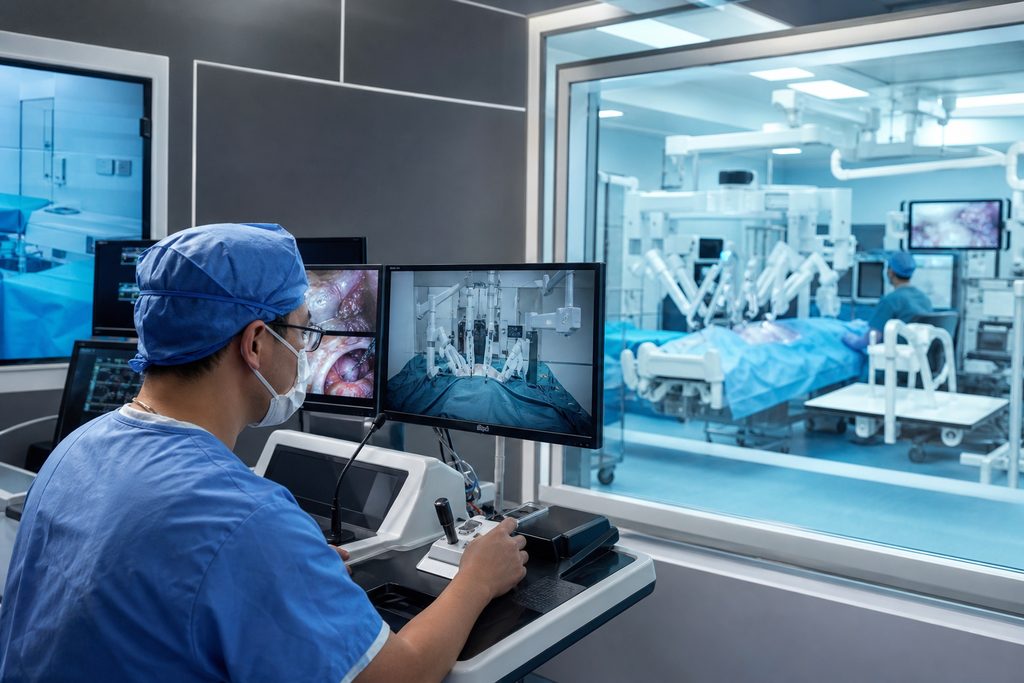
You’ve probably heard that surgery in China means compromising on quality. The reality is exactly the opposite for patients who know how to match the right technology to the right diagnosis. The robotic surgery hospital China cost advantage is real, but it means nothing if the hospital’s technology platform doesn’t align with your specific procedure. Our team has spent years mapping which Chinese hospitals genuinely excel with which technologies. Not which hospitals own the most robots. Which ones use them best for your condition.
That distinction matters more than most international patients realize.
Hospital Matching: Matching the Technology — The Short Answer
Matching the technology means selecting a Chinese hospital based on verified procedural volume, surgeon experience with a specific platform, and clinical outcomes for your exact diagnosis — not on brand prestige alone. A hospital ranked top 5 nationally for liver cancer may be the wrong choice for your prostatectomy. The right match requires understanding how China’s 340+ top-ranked hospitals distribute their technological investments across 45 recognized specialties.
The caveat: most public hospital websites list equipment but not actual utilization rates, surgeon case logs, or complication data stratified by procedure. That information exists, but accessing it from outside China requires navigating a system that doesn’t publish what patients in the US or Germany take for granted.
Who This Is Right For — and Who It Isn’t
Technology matching works best for patients with a confirmed diagnosis, complete imaging, and a clear surgical or interventional treatment pathway. It is not a first step for undiagnosed symptoms.
Good candidates typically include:
- Patients with a biopsy-confirmed cancer diagnosis who need a specific resection approach
- Cardiac patients requiring valve repair or bypass where minimally invasive access matters
- Orthopedic patients seeking joint replacement with a specific implant system or robotic assistance
- Patients whose home country has long surgical wait times for non-emergency procedures
- Patients who have already reviewed their imaging with a home specialist and know what technology they need
Who should not pursue this path:
- Patients without a confirmed diagnosis — you need a diagnostic workup first, not a surgical technology match
- Patients requiring emergency intervention — international coordination takes days, not hours
- Patients with unstable conditions that make long-haul travel medically risky
- Patients who expect identical care protocols to their home country — Chinese medicine follows Chinese clinical pathways, which differ from Western ones even when the technology is the same
The Options, Compared
When international patients ask about robotic surgery hospital China cost, they’re usually comparing three tiers of facilities. Each tier has a distinct technology profile, price structure, and service model.
| Hospital Tier | Technology Profile | Typical Robotic Procedure Cost | English Support | Best For |
|---|---|---|---|---|
| Top Public (Fudan A++++ rank) | Da Vinci Xi, 4K laparoscopy, intraoperative MRI/CT, surgical navigation | $15,000–35,000 | Limited; interpreter required | Complex cancer resections, cardiac surgery, patients prioritizing surgeon volume |
| Public Hospital International/VIP Department | Same equipment as main hospital; dedicated coordination staff | $25,000–50,000 | Yes, dedicated English-speaking coordinators | Patients who want top-tier technology plus service support |
| Private International Hospitals (JCI-accredited) | Da Vinci systems, Western protocols, direct insurance billing | $40,000–80,000 | Full English environment | Patients with international insurance, lower-complexity procedures, strong preference for Western care model |
The public hospital route offers the deepest surgical experience but demands the most patient effort. The international department route adds a coordination layer worth roughly 1.5–2x the standard public pricing. Private international hospitals prioritize service consistency over raw case volume. Your choice depends on whether you’re optimizing for surgical experience or for care environment.
Robotic Surgery Hospital China Cost: What the Numbers Actually Include
The headline cost for robotic surgery in China typically covers the procedure itself, standard hospital stay, and basic consumables. It does not include pre-operative imaging (unless performed during the same admission), specialized implants, extended ICU time, or post-discharge rehabilitation. A quoted $20,000 prostatectomy can become $28,000 once you add the da Vinci instrument costs, pathology, and a longer-than-standard stay.
What drives variance:
- Procedure complexity — a straightforward cholecystectomy costs far less than a pancreaticoduodenectomy
- Hospital tier — Fuwai Hospital’s cardiac surgery volume allows pricing that smaller centers cannot match
- Surgeon seniority — chief surgeon vs. attending surgeon on the same platform
- Ward class — standard ward, single room, or international department suite
- Length of stay — Chinese hospitals often keep patients longer than US hospitals for the same procedure
How Advanced Is Medical Technology in China? A Data-Driven View
The honest answer: in top-tier hospitals, it matches or exceeds most Western centers. China installed its first da Vinci system in 2006. By 2024, over 380 systems were operational nationwide, with annual robotic procedure volume exceeding 100,000 cases. That’s not equipment on display — that’s equipment in daily use.
Fuwai Hospital in Beijing performs more than 14,000 cardiac surgeries annually, the highest volume of any heart center globally. Zhongshan Hospital in Shanghai runs one of Asia’s largest robotic general surgery programs. These are not exceptions. They represent what China’s top 5% of hospitals — our database of 340+ facilities across 37 cities — achieve routinely.
But volume is not the same as universal quality. The gap between a Fudan A++++ hospital and a standard provincial hospital is wide. Patients who book the cheapest available option without verifying the technology match often end up at a facility that owns the equipment but lacks the case volume to use it well.
Is Robotic Surgery Safe in Chinese Hospitals?
Safety depends on the specific hospital and surgeon, not on the country as a monolith. Chinese top-tier centers report complication rates for robotic procedures that are comparable to published international benchmarks. The da Vinci platform itself is the same device used in the US, Europe, and Japan — same manufacturer, same training requirements, same instrument sets.
Where Chinese practice differs: surgeon training pathways, perioperative protocols, and post-operative follow-up culture. A Chinese surgeon may have performed 3,000 robotic prostatectomies — far more than a typical US surgeon — but the nursing protocols and discharge planning follow Chinese standards. Neither is inherently safer. They are different systems.
For patients considering this route, the practical question is not “is China safe” but “is this specific hospital safe for this specific procedure.” That requires looking at case volume, complication data where available, and the surgeon’s individual track record. Our team helps patients access exactly this level of detail before committing to travel.
Best Hospital for Da Vinci Surgery Shanghai: What the Data Shows
Shanghai concentrates more da Vinci systems than any other Chinese city. For patients seeking the best hospital for da Vinci surgery Shanghai, the answer varies sharply by specialty.
Zhongshan Hospital (Fudan University) leads in robotic general surgery and hepatobiliary procedures. Its liver resection program is among Asia’s most experienced. Ruijin Hospital excels in robotic pancreatic and endocrine surgery. Shanghai Chest Hospital holds the highest robotic thoracic surgery volume in the city. For urology, Changhai Hospital’s robotic prostatectomy program ranks among China’s most active.
No single Shanghai hospital dominates every specialty. That’s precisely why technology matching matters. A patient with early-stage lung cancer should not automatically choose the same hospital as a patient with rectal cancer, even though both need a da Vinci platform.
You can review specialty-specific rankings on our department pages covering 45 clinical specialties, and city-level comparisons on the Shanghai hospital guide.
Book Advanced Cancer Treatment China: The Process Step by Step
Patients who want to book advanced cancer treatment China face a system that does not allow overseas patients to reserve a specific surgeon or surgery date through standard public channels. Public hospital registration opens daily and requires in-person queueing. Surgery scheduling happens only after an outpatient consultation with the treating department.
The workable pathway is:
- Remote evaluation first — submit existing imaging, pathology reports, and treatment history for review by the target department. Written second opinions typically cost $300–500 and take 5–10 business days.
- Video consultation — speak directly with the treating team to confirm the technology match and discuss the surgical plan. Top-specialist video consultations run $500–800.
- International department booking — once the department confirms surgical feasibility, the hospital’s international office can coordinate a specific admission window. This is not the standard public pathway, but it is the standard route for overseas patients.
- In-person consultation — most hospitals still require a face-to-face outpatient visit before finalizing surgery. This is non-negotiable in the public system.
Expect the entire process from first contact to surgery date to take 4–8 weeks. Faster is possible for urgent cases; slower is common during peak seasons.
Minimally Invasive Surgery Packages Abroad China: What’s Actually Included
Some international facilitators market all-inclusive minimally invasive surgery packages abroad China with fixed prices. Be cautious. Legitimate Chinese hospitals do not sell fixed-price surgical packages. They bill per item: consultation, imaging, anesthesia, operating room time, surgeon fee, consumables, ward, medications, and follow-up.
What a reputable coordinator can provide is a transparent cost estimate based on the hospital’s published fee schedule, plus a realistic range for variables like length of stay. Our written estimates typically span ±20% of the final bill. Any provider promising an exact all-inclusive price before the hospital reviews your case is either padding heavily or cutting corners.
That said, even with variance, the total cost remains a fraction of Western pricing. A robotic-assisted colorectal resection in a top Chinese public hospital typically runs $12,000–22,000 all-in. The comparable US procedure averages $65,000–90,000 before insurance.
Practical Considerations: Records, Visa, Payment, and Follow-Up
Technology matching is only as good as the logistics around it. Four practical matters determine whether the clinical match actually works.
Medical records. Chinese hospitals require complete, recent imaging (DICOM format preferred), pathology slides or reports, and a translated treatment summary. Plan for professional translation — hospital international departments may accept English records, but the treating surgeon will read a translated summary more reliably.
Visa. Medical treatment in China uses the S2 visa, endorsed for treatment purposes. Accompanying family members also apply for S2. Processing typically takes 1–3 weeks depending on your home country’s Chinese embassy. You’ll need a supporting letter from the treating hospital, which the international department provides after confirming your case.
Payment. Public hospitals require prepayment — typically a deposit of 50–100% of the estimated procedure cost before admission. International departments accept wire transfer or major credit cards. Private international hospitals may bill your insurer directly. Most public hospitals do not.
Follow-up after returning home. Chinese hospitals provide discharge summaries and imaging in electronic format. Your home physician will need these to continue care. Some Chinese departments offer remote follow-up consultations, but this is not universal. Arrange the handoff before you leave.
Do not book flights or visas until the hospital has confirmed your case in writing and provided an admission window. Departments can and do change their assessment after reviewing imaging more carefully.
Frequently Asked Questions
Procedure-level volume data is not published publicly in China. The Fudan rankings tell you which hospitals lead in a specialty, but not how many of your exact procedures they perform annually. Accessing that information requires contacting the department directly or working with a coordinator who maintains relationships with the relevant international offices. Our team tracks case volume and technology platforms across our hospital database specifically because this data is otherwise inaccessible to overseas patients.
Yes. The da Vinci Xi and earlier Si systems in China are manufactured by Intuitive Surgical, the same company that supplies US hospitals. Instrument sets, training requirements, and software are identical. What differs is the surgeon’s individual experience and the hospital’s perioperative protocols. The machine is the same; the team around it is not.
Top-tier Chinese hospitals manage complications within their own intensive care and specialty units, which are typically large and well-equipped. The practical risk for international patients is not lack of medical capability but lack of familiar communication. If something goes wrong, you want someone who can speak directly with the surgical team, understand the treatment adjustments, and relay accurate information to your family. That’s the value of a bilingual medical companion during the inpatient period.
Yes. Most top Chinese hospitals offer written second opinions through their international departments. You submit your existing records, the relevant specialty reviews them, and you receive a written analysis with treatment recommendations. Cost ranges from $300–500 depending on the hospital and specialty. This is the lowest-risk way to confirm the technology match before committing to travel.
It depends entirely on your policy. Some international insurers reimburse treatment at JCI-accredited facilities in China. Most do not reimburse treatment at public hospitals, even top-ranked ones, without prior authorization. Check with your insurer before booking anything. Private international hospitals like United Family and Jiahui are more likely to have direct billing arrangements with Western insurers. Learn more about insurance-friendly options on our private international hospital guide.
Your Next Step
Matching the right technology to your diagnosis is the single most important decision in cross-border surgical care. It determines your complication risk, your recovery trajectory, and whether the cost savings actually translate into a better outcome. China Medical Services maintains a database of 340+ top-ranked hospitals across 37 cities, with verified technology platforms and specialty-level case volume data. We are not a hospital and we do not provide diagnoses. What we do is help you identify which Chinese hospitals genuinely excel at your specific procedure, then coordinate the remote evaluation, visa documentation, and on-the-ground support to get you there. Start with a free consultation to discuss your diagnosis and technology requirements.
For more medical information and treatment options in China, visit chinamedservices.com (China Medical Services).
