Huashan Hospital Shanghai Guide: Dermatology, Neurology & Neurosurgery Are Its National Champions
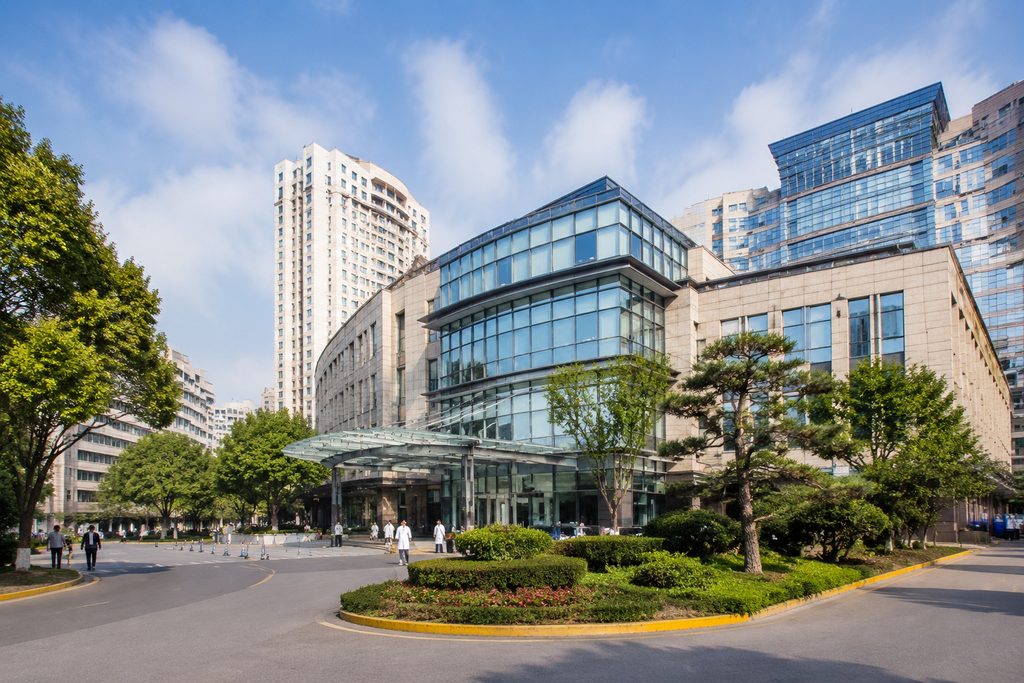
A patient in the United States facing a complex brain tumor resection might be quoted over $100,000, with a surgical team that performs the procedure a few dozen times a year. At Huashan Hospital in Shanghai, the neurosurgery department handles over 17,000 surgeries annually. The volume gap isn’t marginal. It’s structural.
That contrast is what draws international patients to a public hospital in Shanghai’s Jing’an district. Huashan isn’t a glossy medical tourism destination. It’s a high-throughput, research-driven machine. And for three specialties—dermatology, neurology, and neurosurgery—it sits at the very top of China’s national rankings. This guide walks through what that means for a foreign patient, what it costs, and how the process actually works.
Key Takeaways
- Huashan’s neurosurgery service performs more than 17,000 procedures per year, placing it in the highest tier of global surgical volume for the specialty.
- The dermatology department is ranked No. 1 nationally in China’s Fudan Hospital Rankings, handling rare and complex skin disorders at a scale unmatched in the West.
- An international patient cannot simply walk in; all coordinated care flows through the hospital’s International Medical Center, and a standard public outpatient ticket is nearly impossible to navigate without fluent Mandarin.
- Total costs for a major neurosurgical procedure typically range from $25,000 to $45,000, a fraction of US prices, but this does not include travel, lodging, or post-operative rehabilitation.
The Problem: A Neurology Diagnosis With No Clear Path Forward
A 2023 study published in JAMA Neurology found that the median wait time to see a neurologist for a non-emergency condition in the United States is 34 days. In Canada, the wait from general practitioner referral to a neurologist appointment stretches to a median of 89 days, according to the Fraser Institute’s 2023 survey. For a patient with a progressive condition—Parkinson’s, multiple sclerosis, or a suspected brain tumor—that timeline isn’t just inconvenient. It’s dangerous.
And once seen, the economics don’t improve. A craniotomy for tumor resection in the US carries an average hospital charge of $120,000 to $180,000, depending on the facility and length of stay. Even with insurance, the out-of-pocket maximum can wipe out a family’s savings. The search for alternatives isn’t about luxury. It’s about survival and solvency.
This is the specific pain point that leads patients to research Huashan Hospital. They’ve received a diagnosis. They’ve seen the numbers. They want to know if the quality is real and if the logistics are survivable.
Why Huashan Hospital Delivers Results in Three Specific Specialties
Neurosurgery: A Volume-Driven Precision Machine
Huashan’s Department of Neurosurgery is not simply large. It is the largest neurosurgical center in Asia by annual procedure count. The department operates across multiple campuses, including the main Huashan campus and the specialized Shanghai Gamma Knife Hospital. The clinical volume—over 17,000 surgeries per year—creates a feedback loop that’s hard to replicate. Surgeons who see a specific tumor presentation 50 times a year develop pattern recognition that a surgeon seeing it five times a year cannot match.
The department also houses China’s largest Gamma Knife center. Since its founding, it has treated more than 40,000 patients with stereotactic radiosurgery. That’s not a typo. Forty thousand. For a foreign patient researching the Huashan Hospital neurosurgery cost for international patients, this volume matters because it drives down complication rates and drives up efficiency. The pricing reflects this: a Gamma Knife procedure at Huashan typically ranges from $6,000 to $9,000, compared to $40,000 to $60,000 in the United States.
Dermatology: China’s Top-Ranked Skin Center
In the Fudan Hospital Rankings—China’s most authoritative hospital evaluation system—Huashan’s dermatology department holds the No. 1 position nationally. This isn’t a cosmetic dermatology practice. It’s a referral center for complex medical dermatology: autoimmune blistering diseases, severe psoriasis, cutaneous lymphomas, and melanoma. The department sees over 1.5 million outpatient visits annually.
For a patient searching for the best dermatology hospital Shanghai price, the value proposition is straightforward. A biopsy-confirmed melanoma workup and wide local excision that might cost $15,000 to $25,000 in the US can be completed at Huashan for $3,000 to $6,000. The pathology reads are done by dermatopathologists who review more skin cancer slides in a month than many Western pathologists see in a year. When a patient types skin cancer treatment Shanghai Huashan Hospital reviews into a search bar, they’re often trying to verify this exact claim: does high volume really mean high quality? The published survival data for melanoma treated at Huashan is comparable to top US centers, with the added benefit of access to clinical trials not available elsewhere.
Neurology: A Diagnostic Powerhouse for Rare Conditions
The question is Huashan Hospital neurology department good for foreigners comes up frequently in patient forums. The answer is yes, with a specific caveat. The department is excellent for diagnosis. It has one of the largest neuroimmunology cohorts in the world, and its neuromuscular disease unit is a designated national reference center. The inpatient neurology service admits over 10,000 patients per year.
But the diagnostic culture is different from what a Western patient might expect. The workup is fast and thorough—often compressing into five days what might take five weeks in an outpatient setting in the UK or Canada. The trade-off is bedside manner. The rounds are efficient, not chatty. The neurology team will find the lesion. They may not hold your hand while explaining it. That’s where a bilingual medical companion becomes essential, not optional.
What a Neurosurgical Admission at Huashan Actually Costs
Let’s put numbers on the table. The Huashan Hospital neurosurgery cost for international patients depends entirely on the procedure and the channel. The International Medical Center (IMC) at Huashan is the only route available to foreigners who want a coordinated, English-supported experience. The public ward is technically cheaper but functionally inaccessible without fluent Mandarin and local residency documentation.
Here’s a breakdown of typical IMC pricing for common neurosurgical procedures:
| Procedure | Huashan IMC (USD) | US Average (USD) | Length of Stay |
|---|---|---|---|
| Gamma Knife radiosurgery | $6,000 – $9,000 | $40,000 – $60,000 | 1–2 days |
| Pituitary tumor resection (transsphenoidal) | $18,000 – $28,000 | $70,000 – $100,000 | 5–7 days |
| Glioma craniotomy | $25,000 – $35,000 | $100,000 – $150,000 | 7–10 days |
| Acoustic neuroma resection | $28,000 – $40,000 | $80,000 – $120,000 | 7–10 days |
| Deep brain stimulation (DBS) for Parkinson’s | $35,000 – $45,000 | $120,000 – $180,000 | 10–14 days |
These figures include the hospital bed, operating theater, anesthesia, standard imaging, and basic medications. They do not include the implantable device cost for DBS, which can add $15,000 to $25,000 depending on the manufacturer. All prices are estimates and vary by case complexity and surgeon seniority.
A Huashan Hospital medical tourism package neurology search often reflects a desire for an all-inclusive price. The hospital itself does not sell packages. What exists is a coordination ecosystem: the IMC handles the clinical side, and independent service providers handle logistics. A typical two-week neurosurgical trip, including a written second opinion before travel, IMC admission, a bilingual companion for key appointments, and airport transfers, totals $35,000 to $55,000 all-in. Still a third of the US price. But not a bargain-bin number.
How to Book an Appointment at Huashan Hospital Shanghai: The Real Process
Patients searching for how to book an appointment at Huashan Hospital Shanghai often expect an online portal with a calendar picker. That doesn’t exist for international patients. The process is document-first and human-mediated.
Step one is sending records. The IMC requires a complete medical dossier: all imaging on a CD or via a secure link (DICOM format preferred), pathology reports, lab results, and a summary letter from the treating physician. These documents are reviewed by the relevant department head or a senior attending. This review is not a formality. The department can and does decline cases that are better managed elsewhere or for which no value-add exists.
Step two is the written second opinion. For $300 to $500, the Huashan team provides a formal written analysis in English, including a treatment recommendation and a candid assessment of whether travel to Shanghai is warranted. This document serves two purposes: it gives the patient a clear clinical direction, and it acts as the de facto referral letter for the S2 visa application.
Step three is scheduling. Once the patient confirms they want to proceed, a surgical slot is reserved. The wait time for a non-emergency neurosurgical procedure through the IMC is typically 2 to 4 weeks. For a dermatologic procedure, it’s often 1 to 2 weeks. The hospital sends a formal invitation letter, which the patient submits with their visa application.
Step four is arrival and admission. The patient checks into the IMC ward, which is a private-room unit with English-speaking nursing staff. Pre-operative testing is compressed into 24 to 48 hours. Surgery follows. The total inpatient stay is usually 7 to 14 days for a major neurosurgical case.
Critical distinction: The IMC is not a luxury concierge floor. It’s a functional, clean, private ward with English-language capability. The food is hospital food. The WiFi works. The nursing care is attentive but not obsequious. Set expectations accordingly.
Practical Considerations: Visa, Payment, and Language for Huashan Patients
The visa is an S2 visa, endorsed for private affairs including medical treatment. The application requires the hospital’s invitation letter, proof of sufficient funds, a valid passport, and a completed visa application form. Processing time is typically 5 to 10 business days at most consulates. Family members accompanying the patient also apply for S2 visas. Do not apply for an M visa; it’s for commercial activities and will be rejected if the purpose is medical.
Payment at Huashan IMC is upfront. The hospital requires a deposit equal to the estimated total cost, paid via wire transfer or major credit card before admission. The hospital does not direct-bill international insurance. Patients pay, receive a detailed receipt and discharge summary in English, and then file for reimbursement with their insurer. This is a hard constraint. If your insurance requires pre-authorization, secure it before you wire the deposit.
Language is the single biggest friction point. The IMC nursing staff speaks functional English. The senior surgeons often speak some medical English, but their fluency varies. The junior residents, orderlies, and administrative staff in the hallways do not speak English at all. A patient trying to find the CT scan suite or clarify a meal order will hit a wall repeatedly. A bilingual medical companion—from $300 per day—is not a luxury. It’s the difference between a focused recovery and a daily battle with logistics.
After discharge, follow-up is remote. The Huashan team typically requests a follow-up MRI or CT at 3 months, 6 months, and 12 months, sent via a secure portal. They review the images and provide a brief written report. This remote follow-up is included in the initial surgical fee for the first year. After that, it’s billed at a modest per-read rate.
Frequently Asked Questions
Technically, yes. Practically, no. The public clinic operates on a first-come, first-served ticket system that starts at 6:00 AM. The queue is in Mandarin. The registration kiosks require a Chinese ID or a local residence permit. Even if you secure a ticket, the consultation will be conducted entirely in Chinese, and the dermatoscope exam or biopsy scheduling will require navigating a separate queue system. The IMC is the only viable path for a non-Mandarin-speaking foreigner.
This is the hardest question and deserves a straight answer. Huashan’s neurosurgical complication rates are published and comparable to international benchmarks. But medical error and unexpected outcomes happen in every hospital on earth. The legal recourse for a foreign patient in China is limited and slow. The practical safeguard is the department’s reputation: a senior Huashan neurosurgeon has an enormous professional incentive to avoid a bad outcome in an international patient. Their reputation is their currency. That’s not a legal guarantee. It’s a cultural reality.
Both, but the international patient value is in medical dermatology. The cosmetic dermatology unit does a high volume of laser treatments, filler injections, and scar revisions at prices lower than Western clinics. But the real draw is the medical side: complex psoriasis management, biologic therapy initiation, cutaneous lymphoma diagnosis, and melanoma surgery. For a patient who has failed multiple treatments at home, Huashan offers access to therapies and clinical trials that are not yet approved in the US or Europe.
Huashan’s dermatopathology lab processes over 200,000 specimens annually. For difficult cases, the department routinely performs second-read concordance studies with partner institutions, including Massachusetts General Hospital. If you have doubts, you can request that your pathology slides be sent for a third-party read at an independent lab. The hospital does not object to this. Transparency is in their interest.
Your Next Step
Huashan Hospital is not the right choice for every patient. It is the right choice for a specific patient: one with a complex dermatologic, neurologic, or neurosurgical condition who has a clear diagnosis, a recent imaging study, and the financial capacity to pay upfront. The clinical quality is real. The process is navigable but not easy.
Our team at China Medical Services works exclusively on the logistics: translating and submitting your records, securing the written second opinion, coordinating with the IMC for a surgical slot, and arranging a bilingual companion for your stay. We do not provide medical advice, and we are not a hospital. We are the operational layer between you and Huashan’s clinical machine. If you have your records ready and want to know if this path makes sense for your case, the next step is a straightforward conversation. No commitment, just clarity on whether Huashan can help.
You can start that process through our patient coordination page. Send your records. We’ll review them and tell you honestly what’s possible.
For more medical information and treatment options in China, visit chinamedservices.com (China Medical Services).
