Lanzhou University First Hospital: Northwest Silk Road Gastroenterology and Endemic Disease
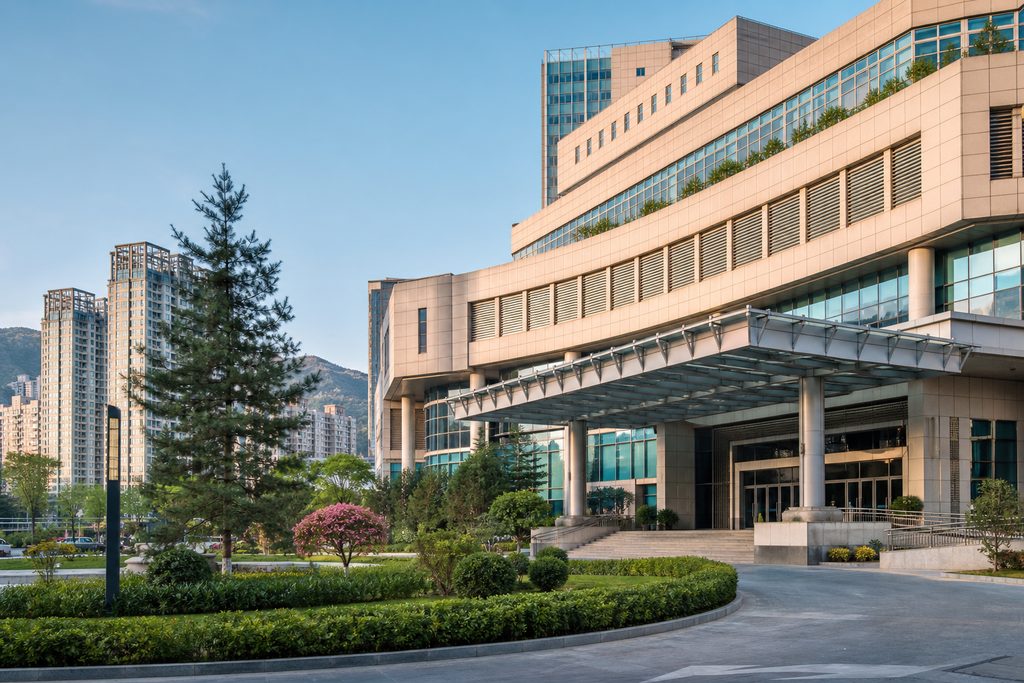
Key Takeaways
- Lanzhou University First Hospital performs over 180,000 endoscopic procedures annually, making it one of China’s highest-volume centers for digestive disease intervention.
- The hospital is a national-level hub for hydatid disease and viral hepatitis, conditions rarely encountered at this scale in Western institutions.
- International patients face genuine barriers here — limited English-speaking staff in general wards and a visa process that requires hospital invitation letters before travel.
- Gastroenterology treatment costs in Lanzhou typically run 70-85% lower than equivalent care in the United States, though the total depends heavily on whether you access the standard public channel or the hospital’s VIP International Medical Center.
The Problem: Digestive Diseases Are Rising, and Western Wait Times Are Not Helping
In the United Kingdom, the National Health Service reported in 2024 that over 7.5 million people were waiting for planned hospital treatment, with gastroenterology waitlists stretching past 45 weeks in some trusts. In Canada, the median wait time from general practitioner referral to gastroenterology consultation hit 14.4 weeks in 2023, according to the Fraser Institute. For patients with persistent abdominal pain, unexplained weight loss, or a family history of colorectal cancer, those months feel like a lifetime.
Meanwhile, liver disease tied to endemic infections — particularly hydatid disease caused by Echinococcus tapeworms — remains virtually invisible in Western clinics. A patient from rural Montana or the Scottish Highlands who contracts this parasitic infection during travel may face months of misdiagnosis simply because local specialists have never seen a case. That is where a hospital with deep experience in both advanced gastroenterology and region-specific endemic disease becomes relevant.
Lanzhou University First Hospital sits at the crossroads of the ancient Silk Road. It treats a catchment population of over 25 million people across Gansu Province and neighboring regions. The volume is staggering. The clinical exposure to complex hepatobiliary and gastrointestinal pathology is something few Western centers can replicate.
What Is Lanzhou University First Hospital Known For
This is not a hospital that appears on glossy medical tourism brochures. It is a workhorse public institution — a Grade 3A hospital, the highest tier in China’s hospital classification system — and one of the 340+ top-ranked hospitals in our nationwide database. It belongs to the top 5% of China’s 35,000-plus hospitals, ranked by the authoritative Fudan University hospital rankings and evaluated against Joint Commission International standards where applicable.
The hospital’s Department of Gastroenterology and Hepatology is its crown jewel. It houses the Gansu Provincial Key Laboratory of Digestive System Diseases and serves as a designated national training center for endoscopic retrograde cholangiopancreatography, or ERCP. Physicians here routinely handle biliary obstructions, pancreatic tumors, and complex liver cirrhosis cases that would be referred to tertiary academic centers in the West. But what truly sets this hospital apart is its dual expertise: advanced interventional endoscopy combined with deep experience in managing endemic diseases of the northwestern Chinese plateau.
Hydatid disease. Alveolar echinococcosis. Chronic hepatitis B with decompensated cirrhosis. Brucellosis affecting the gastrointestinal tract. These are not textbook curiosities here. They are daily clinical realities. The surgical and medical teams have published extensively on hepatic alveolar echinococcosis resection outcomes, with survival data that informs global treatment protocols. For a patient with an undiagnosed parasitic liver lesion, this hospital offers something rare: a team that sees hundreds of such cases every year, not one every decade.
Gastroenterology Treatment Cost Lanzhou China: A Transparent Breakdown
Let us address the question most international patients ask first. The gastroenterology treatment cost Lanzhou China presents a stark contrast to Western pricing, but the numbers need context. We are not a hospital. We do not set prices. What we can share are the real cost ranges our team has coordinated for international patients over the past two years.
| Procedure | Estimated Cost in Lanzhou (USD) | Estimated Cost in United States (USD) |
|---|---|---|
| Diagnostic upper endoscopy (EGD) | $350 – $600 | $2,500 – $4,800 |
| Colonoscopy with biopsy | $500 – $900 | $3,000 – $6,500 |
| ERCP for bile duct stone removal | $2,800 – $5,000 | $15,000 – $35,000 |
| Laparoscopic cholecystectomy | $3,000 – $5,500 | $15,000 – $28,000 |
| Partial hepatectomy (hydatid cyst) | $7,000 – $14,000 | $45,000 – $90,000 |
| Hepatitis B antiviral therapy (annual, generic entecavir) | $400 – $800 | $6,000 – $16,000 |
All figures are approximate and vary by hospital channel, case complexity, and length of stay. The lower end typically reflects the standard public ward rate. The higher end includes the International Medical Center VIP pathway, which offers English-speaking coordination, private rooms, and priority scheduling. For context, a cardiac bypass in China’s top public hospitals runs $12,000 to $20,000 versus over $120,000 in the United States. Gastroenterology procedures follow a similar ratio.
Why the difference? Structural economics, not quality shortcuts. Chinese hospital systems operate on high volume and lower per-procedure margins. Physician salaries, facility overhead, and pharmaceutical costs are all substantially lower. The endoscopes are the same Olympus and Pentax models used in Boston or Berlin. The sedation protocols follow international guidelines. The cost gap reflects labor economics and system efficiency, not compromised care.
How to Treat Endemic Liver Disease in Gansu: A Clinical Reality Check
If you search for how to treat endemic liver disease in Gansu, you are likely dealing with something specific. Hepatic alveolar echinococcosis. This is the serious one — a parasitic infection caused by Echinococcus multilocularis that infiltrates liver tissue like a malignancy. Without treatment, the 10-year mortality rate exceeds 90%. With radical surgical resection followed by long-term albendazole therapy, 10-year survival can reach 80-85%, according to studies published by the very surgical teams at Lanzhou University First Hospital.
The hospital’s hepatobiliary surgery department has performed over 2,000 hepatic echinococcosis resections. That volume is unmatched in North America or Europe, where the disease is so rare that most liver surgeons will never operate on a single case in their entire career. The surgical approach here often involves ex-vivo liver resection and autotransplantation — a procedure where the liver is removed, the parasitic lesions are dissected out on a back table, and the healthy remnant is reimplanted. It is technically demanding surgery. The teams here do it regularly.
For chronic hepatitis B — endemic across northwest China, with Gansu Province carrying a prevalence rate above 7% in some rural counties — the hospital runs a dedicated antiviral management program. Patients receive nucleotide analog therapy, regular hepatocellular carcinoma surveillance via ultrasound and alpha-fetoprotein testing, and endoscopic variceal screening for those with cirrhosis. The annual medication cost using generic entecavir or tenofovir is a fraction of Western prices, and the monitoring protocols align with Asian Pacific Association for the Study of the Liver guidelines.
Best Hospital for Digestive Diseases Northwest China: Why Volume Matters
When patients ask us about the best hospital for digestive diseases northwest China, we point to volume data. Not marketing claims. Real procedural numbers. Lanzhou University First Hospital’s endoscopy center runs 14 procedure rooms daily. It handles early gastric cancer screening programs that scope thousands of asymptomatic patients annually — a practice that has driven the center’s early detection rate for gastric neoplasia to among the highest in China. For a patient with Barrett’s esophagus or a family history of gastric adenocarcinoma, that kind of screening infrastructure matters.
The hospital is also a referral center for complex biliary and pancreatic disease across Gansu, Qinghai, Ningxia, and Xinjiang. That is a geographic area roughly the size of Western Europe. Patients travel 12 hours by train from Urumqi to reach this endoscopy suite. When you are the destination for that many difficult cases, your endoscopic retrograde cholangiopancreatography success rate and your complication management protocols get battle-tested in ways that smaller centers never experience.
But let us be honest about what this hospital is not. It is not a Western-accredited international hospital with English-speaking nurses on every floor. The general wards operate in Mandarin Chinese and the local Lanzhou dialect. The canteen serves hand-pulled Lanzhou beef noodles, not continental breakfast. This is a Chinese public hospital that happens to have world-class clinical expertise in specific digestive and hepatic conditions. Understanding that distinction is essential before you book a flight.
Book Endoscopy Procedure Lanzhou China: The Real Pathway
Typing “book endoscopy procedure Lanzhou China” into Google will not get you a confirmed appointment. That is not how Chinese public hospitals work. The standard outpatient channel requires in-person registration, a face-to-face specialist consultation, and then scheduling of the procedure — often days or weeks later depending on urgency. Foreign patients without Chinese language skills or a local contact will find this nearly impossible to navigate independently.
There is an alternative. The hospital’s International Medical Center operates a parallel pathway for overseas patients. Through this channel, we can pre-coordinate a specialist consultation, arrange a bilingual medical companion to handle registration and translation, and schedule the endoscopic procedure with significantly reduced waiting time. The cost runs higher — typically 1.5 to 2 times the standard public rate — but the logistical friction drops dramatically. For a diagnostic gastroscopy and colonoscopy package through the VIP channel, expect to pay $800 to $1,500 depending on whether sedation, biopsy pathology, and Helicobacter pylori testing are included.
This is where our team comes in. We are not doctors. We do not provide medical treatment or clinical diagnoses. We are your logistical architects — we bridge the gap between you and China’s top-tier medical expertise. We handle hospital matching, appointment coordination, visa invitation letters, bilingual medical companion arrangements, and post-procedure recovery logistics. The clinical decisions remain between you and the hospital’s attending physicians.
Lanzhou University First Hospital International Patient Price: What the Quote Actually Includes
When you receive a Lanzhou University First Hospital international patient price quote, it typically breaks down into three components. First, the hospital’s own charges — consultation fees, procedure fees, ward bed charges, medications, and consumables. Second, the coordination service fee — what our team charges to arrange the pathway, translate medical records, and provide on-ground support. Third, non-medical costs — visa fees, flights, accommodation, and daily living expenses during your stay in Lanzhou.
The hospital’s international patient pricing is transparent but not standardized in the way Western hospital chargemasters are. A hepatology consultation with a senior specialist through the International Medical Center runs $100 to $200. An abdominal MRI with contrast costs $400 to $700. Inpatient ward charges for a private room in the international wing run $150 to $300 per night. These are ballpark figures. The final invoice depends on what the attending physician orders.
Our coordination fees start from $300 for basic appointment facilitation and scale upward for comprehensive packages that include bilingual companion services, airport transfers, and accommodation arrangements. Any video consultation or second opinion fee — typically $300 to $500 for a written second opinion from a top specialist — is fully credited toward on-the-ground coordination if you proceed with treatment within 90 days. We structure it this way because we want patients to test the waters with low risk before committing to travel.
What You Need to Know Before Going Alone
We have seen patients try to navigate this independently. Some succeed. Many do not. The barriers are structural, not personal. Here is what you will face:
- Visa Requirements: Medical treatment in China requires an S2 visa with a specific annotation for medical purposes. To obtain this, you need an official invitation letter from the hospital — not an email, not a WeChat message, but a stamped formal document. The hospital will only issue this after confirming your appointment and treatment plan. Our team handles this document flow. Without it, you risk visa rejection or, worse, being turned away at the border.
- Language and Navigation: Lanzhou University First Hospital’s main campus spans multiple buildings across a complex that sees tens of thousands of patients daily. Signage in English is limited. Registration kiosks operate in Chinese. Payment counters require a hospital-issued card that must be loaded with funds before any service is rendered. A bilingual medical companion — from $200 per day — transforms this experience from overwhelming to manageable.
- Payment Systems: The hospital does not accept international credit cards at general payment counters. The International Medical Center can process wire transfers and some international cards, but the standard outpatient system runs on WeChat Pay, Alipay linked to Chinese bank accounts, or cash in renminbi. Foreign patients without a Chinese bank account need a workaround. We pre-arrange payment channels so you are not stranded at the pharmacy counter with a prescription and no way to pay.
How We Help You Navigate This
These barriers exist for structural reasons. They are not designed to exclude foreign patients — they simply reflect a system built for a domestic population of 1.4 billion people. Our job is to build the bridge.
Before you travel, we translate and forward your medical records to the relevant department head for a preliminary review. We confirm that your condition falls within the hospital’s expertise — if it does not, we tell you honestly and suggest alternatives from our network of 340-plus ranked hospitals across 37 cities. We secure the invitation letter, guide you through the S2 visa application, and coordinate your appointment schedule so that consultation, imaging, and procedure dates are sequenced logically, not left to chance.
During your stay in Lanzhou, a bilingual medical companion meets you at the hospital entrance. They handle registration, queue at payment counters, translate your conversation with the specialist in real time, and ensure you understand the treatment plan, medication instructions, and follow-up requirements. They are not interpreters on a screen. They are physically present, walking you through every step. For complex cases requiring multidisciplinary input, we coordinate video consultations with specialists from other top-ranked hospitals — Peking Union Medical College Hospital, West China Hospital, or Ruijin Hospital — so you get broad clinical input without traveling to multiple cities.
After your procedure or surgery, we arrange follow-up telehealth consultations with the treating physician, coordinate medication refills where legally permissible, and maintain your medical records for any future care continuity. If you need rehabilitation or Traditional Chinese Medicine support during recovery, we connect you with accredited TCM practitioners who work in coordination with your primary medical team.
Frequently Asked Questions
No. The hospital requires an in-person specialist consultation before scheduling any invasive procedure. This is standard across all Chinese public hospitals — it is a patient safety requirement, not a bureaucratic hurdle. What you can do remotely is a video consultation with a gastroenterologist through the International Medical Center, which costs $100 to $300. The doctor reviews your records, confirms whether your case is suitable for their service, and helps you plan the timing of your visit. That consultation fee is credited toward your on-the-ground coordination if you proceed with travel within 90 days.
This happens regularly. If a diagnostic endoscopy reveals a tumor, a large polyp requiring endoscopic mucosal resection, or a bile duct obstruction needing stenting, the hospital can often schedule the therapeutic procedure within the same admission or a closely timed follow-up. The surgical and advanced endoscopy teams coordinate through the hospital’s multidisciplinary tumor board. For international patients, we work with the International Medical Center to adjust your visa status if your stay needs to be extended beyond the original plan. S2 visas can be extended within China under medical necessity, but the process requires hospital documentation — which we handle.
The endoscopy center uses Olympus 290 series high-definition scopes with narrow-band imaging — the same generation of equipment found in leading Western endoscopy units. Sedation is typically propofol-based, administered by an anesthesiologist who remains present throughout the procedure. The center’s adenoma detection rate for screening colonoscopy exceeds 35%, which is above the widely accepted international benchmark of 25% for male patients. The reprocessing protocols for scope disinfection follow Chinese national standards that align with World Gastroenterology Organisation guidelines. We have verified this directly through site visits and procedural observation.
The hospital’s hepatobiliary surgery and infectious disease departments manage hepatic alveolar echinococcosis, cystic echinococcosis, brucellosis with gastrointestinal involvement, and chronic hepatitis B with decompensated cirrhosis at volumes unmatched in Western centers. They also handle high-altitude-related gastrointestinal conditions common in the Tibetan Plateau population — something relevant if your digestive symptoms began after extended travel in high-altitude regions of Central Asia. For a patient with an undiagnosed hepatic mass and a travel history through endemic areas, this hospital offers diagnostic clarity that may be unavailable at home.
Plan for 7 to 14 days. A typical pathway includes: Day 1 — specialist consultation and physical examination. Day 2-3 — laboratory tests, abdominal imaging (ultrasound, CT, or MRI as indicated). Day 4-5 — endoscopic procedures with pathology. Day 6-8 — follow-up consultation to review all results and discuss treatment plan. If therapeutic intervention is needed, the stay extends accordingly. Lanzhou is a city of about 4 million people at 1,500 meters elevation. The altitude is generally well tolerated, but patients with significant cardiopulmonary disease should discuss this with their home physician before travel.
Your Next Step
Lanzhou University First Hospital represents something specific in the landscape of Chinese medicine: deep, volume-driven expertise in digestive diseases and endemic hepatic conditions, delivered in a public hospital setting at costs that make advanced care accessible. It is not for everyone. If you need a routine screening colonoscopy and prefer a fully Western-style experience with English-speaking staff throughout, a private international hospital in Shanghai or Beijing may suit you better. We have those in our network too — explore our top-ranked hospitals or browse private international hospitals for alternatives.
But if you are dealing with a complex hepatobiliary condition, an undiagnosed parasitic liver lesion, or advanced endoscopic needs that your local system cannot address within an acceptable timeframe, this hospital deserves serious consideration. Our team is here to help you evaluate whether it is the right fit. There is no pressure. No hard sell. Just an honest conversation about your situation and what is possible.
When you are ready to explore this further, reach out for a free consultation. We will review your case, discuss realistic options, and give you a clear picture of what the pathway looks like — costs, timelines, and the support you will have on the ground. You deserve clarity before you make any decision. That is what we provide.
For more medical information and treatment options in China, visit chinamedservices.com (China Medical Services).
