LASIK Surgery in China: Your Options, Costs, and Top Clinics
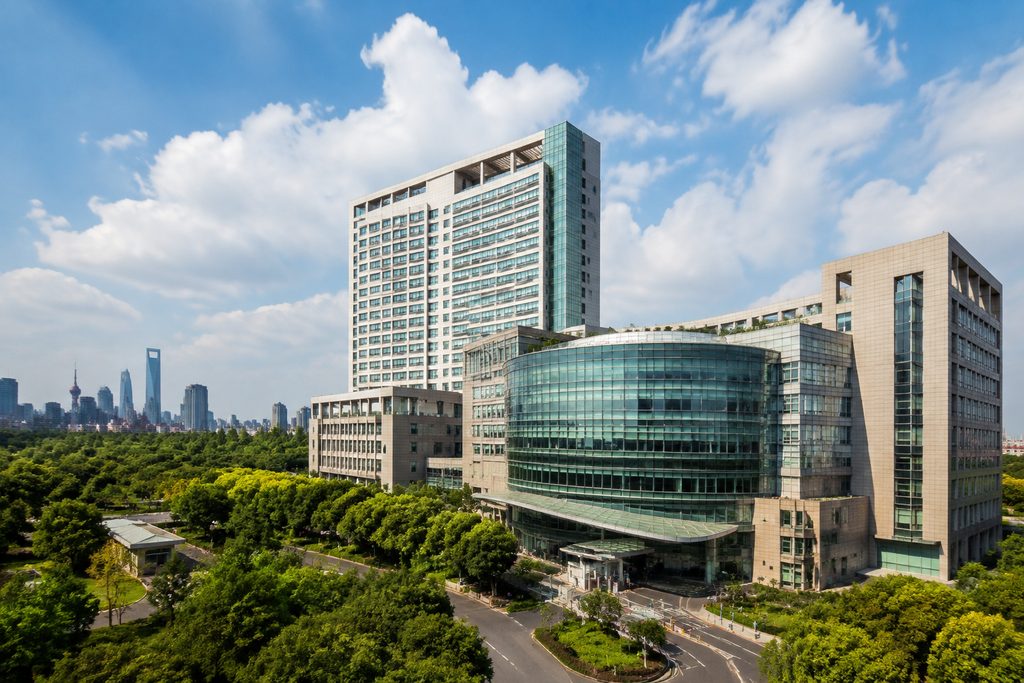
You’ve probably heard that eye surgery abroad means gambling with your vision. The reality is more interesting than that. China performs more LASIK procedures than almost any country on earth, and the surgeons at its top hospitals trained at the same fellowships as the ones in Boston or Munich. What actually trips people up isn’t surgical quality. It’s logistics. Nobody explains how to get from “I’m interested” to “I’m lying under the laser” without a Mandarin-speaking friend and three weeks of patience.
That’s the gap this guide fills.
LASIK Surgery in China: The Short Answer
LASIK surgery cost China patients typically pay falls between $1,000 and $2,500 per eye at private international clinics, and as low as $800 per eye at top-tier public hospitals with international departments. The same procedure in the United States averages $2,200 to $3,000 per eye. Surgery itself takes 10 to 15 minutes per eye. Most patients see clearly within 24 hours.
But here’s the complication a one-line answer hides: not every clinic in China accepts foreign patients directly, and the cheapest options often lack English-speaking staff. Price and access don’t always travel together.
Who This Is Right For — and Who It Isn’t
LASIK isn’t for everyone, and geography doesn’t change that. The candidacy criteria in Shanghai are identical to the ones in Seattle.
You’re likely a good candidate if:
- You’re over 18 with a stable prescription for at least 12 months
- Your corneas are thick enough — typically 500 microns or more
- You have mild to moderate nearsightedness, farsightedness, or astigmatism
- You’re comfortable spending a week abroad for a non-emergency procedure
- You can return for a follow-up or arrange one with a local eye doctor
You should probably stay home if:
- You have severe dry eye, keratoconus, or a history of corneal disease
- You’re pregnant or nursing — hormonal shifts affect refraction
- You have an autoimmune condition or take medications that slow healing
- Your prescription changed in the past year
- You need a single, seamless continuum of care with your existing ophthalmologist
That last point matters more than people admit. LASIK is elective. If your case is borderline or complicated, the value of continuity with a doctor who knows your history can outweigh any savings.
The Options, Compared
Most people searching for LASIK abroad are really comparing three things: price, technology, and how much hand-holding they’ll need. Here’s how the realistic options stack up.
| Option | Typical Cost (per eye) | Technology | English Support | Wait Time |
|---|---|---|---|---|
| US private clinic | $2,200–$3,000 | Femtosecond + excimer | Native | 1–3 weeks |
| China public hospital, international dept. | $800–$1,500 | Femtosecond + excimer | Limited to good | 3–7 days |
| China private international clinic | $1,500–$2,500 | Femtosecond + excimer, SMILE | Full | 2–5 days |
| Europe (Germany, UK) | $1,800–$2,800 | Femtosecond + excimer | Native/English | 2–6 weeks |
| Turkey / Thailand | $700–$1,500 | Varies widely | Varies | Days |
Which column matters most depends on you. If you want the lowest credible price and can navigate a large hospital with a translator, the public international department wins. If you’d rather have a Western-style clinic experience with English from the front desk to the operating room, the private international route is worth the premium — and it’s still roughly half of US pricing.
For a broader look at how hospital tiers work across the country, our directory of top-ranked Chinese hospitals breaks them down by city and specialty ranking.
Is LASIK Surgery Safe in China? What the Data Actually Shows
This is the question that keeps people up at night, so let’s treat it seriously.
LASIK is one of the most studied elective procedures in modern medicine. Globally, serious complications — infections, flap problems requiring intervention — occur in well under 1% of cases when the procedure is performed on appropriate candidates with modern equipment. China’s leading eye hospitals use the same femtosecond laser platforms found in the US and Europe: the WaveLight, the VisuMax for SMILE, and comparable excimer systems.
What varies isn’t the laser. It’s the screening.
A clinic that rushes you past corneal topography and tear-film analysis to get you on the schedule is a red flag anywhere in the world. The best Chinese eye hospitals — particularly those affiliated with major medical universities — run the same pre-operative battery you’d expect at a US academic center. Topography, pachymetry, wavefront analysis, dilated refraction. If a clinic skips these, walk away regardless of the price.
One structural reality of Chinese healthcare worth knowing: at public hospitals, you generally cannot book surgery from overseas in advance. You arrive, register on the day, see the doctor in person, and surgery is scheduled afterward. This is standard practice, not a warning sign. International departments and private clinics operate differently and can often pre-arrange consultations.
How Long Does LASIK Recovery Take? A Realistic Timeline
Recovery is faster than most people expect, but the timeline has a few honest caveats.
- Day 0 (surgery day): Procedure takes 10–15 minutes per eye. You’ll rest with protective shields. Vision is blurry and hazy — this is normal.
- Day 1: Most patients read the 20/20 line or close to it. Some see halos around lights at night.
- Week 1: Vision stabilizes for daily activities. No swimming, no eye rubbing. Lubricating drops every few hours.
- Month 1: Night vision glare typically fades. Most people return to full activity, including sports.
- Months 3–6: Final prescription settles. This is when you know your true outcome.
Plan on 7 to 10 days in China. That covers arrival, the in-person consultation, surgery, and a day-one post-op check. You can fly home after that check with your surgeon’s clearance — most are cleared within 48 to 72 hours of surgery.
If you’re combining this with a broader health check while you’re in the country, our guide to specialty departments and their top-ranked hospitals can help you plan efficiently.
What It Costs — and What’s Included
Let’s put real numbers on the table. These are ranges, and they move based on hospital tier, technology chosen, and your prescription.
| Cost Component | Typical Range (USD) |
|---|---|
| Pre-operative evaluation | $100–$300 |
| LASIK (both eyes, public international dept.) | $1,600–$3,000 |
| LASIK (both eyes, private international clinic) | $3,000–$5,000 |
| SMILE (both eyes) | $3,500–$5,500 |
| Post-operative medications and drops | $50–$150 |
| Follow-up visits (first month) | Often included |
What’s usually not included: flights, accommodation, airport transfers, and any follow-up care once you’re home. Budget $80 to $200 per night for a hotel near a major hospital district, less if you book further out.
The variance comes down to three things — the hospital’s tier, whether you choose LASIK or SMILE, and how much English-language support you need built into the price. A public hospital international department may charge 1.5 to 2 times the standard rate for the same surgeon, but you get English-speaking coordinators and a smoother process.
One more thing. Payment at public hospitals is typically upfront, with insurance reimbursement handled afterward — and most international insurance policies treat LASIK as elective and won’t cover it at all. Private international clinics often bill insurance directly, but again, only if your plan includes refractive surgery. Check before you assume.
Practical Considerations: Visas, Records, and Language
The medical part is often the easy part. The logistics are where people get stuck.
Visa. For medical treatment in China, the applicable short-stay category is the S2 visa, typically annotated for medical treatment purposes. Accompanying family members apply under the same category. Stays exceeding 180 days require the S1 instead. Requirements shift, so confirm current documentation with your nearest Chinese embassy or consulate — and note that the M visa is for commercial and trade activities, not medical care.
Medical records. Bring your current prescription, a recent eye exam, and any history of corneal conditions. If your records are in English, most international departments can work with them directly. Having them translated in advance speeds things up.
Language. At large public hospitals, signage, registration systems, and payment kiosks are in Chinese. This isn’t a reason to avoid China — it’s a reason to plan. A bilingual medical companion can handle registration, queueing, payment, and translation so you’re not guessing at a kiosk while your pupils are dilated.
Follow-up after you return home. Arrange a check with a local optometrist before you leave China. Bring your operative report and post-op instructions. Most surgeons are happy to see a returning LASIK patient for a routine check.
If you’d like help thinking through hospital selection, appointment coordination, or bilingual support on the ground, our team at China Medical Services handles exactly that — and the first conversation is free.
Frequently Asked Questions
Yes, when performed at a reputable hospital on an appropriate candidate. China’s leading eye hospitals use the same laser platforms as Western clinics, and complication rates are comparable. The variable that matters most is screening quality, not geography. Choose a center that runs full corneal topography and tear-film analysis before scheduling.
Expect $800 to $2,500 per eye in China versus $2,200 to $3,000 per eye in the US. The lowest prices are at public hospital international departments; private international clinics sit at the higher end but include full English support and a Western-style experience. Final pricing depends on your prescription, the technology used, and the hospital’s tier.
Plan for 7 to 10 days. That covers arrival, in-person consultation, surgery, and a day-one post-op check. Most patients are cleared to fly home within 48 to 72 hours of the procedure. Vision continues to stabilize for three to six months after you return.
At private international clinics, often yes — you can pre-arrange a consultation. At public hospitals, the standard process requires an in-person visit before surgery is scheduled. International departments and VIP channels can sometimes pre-coordinate appointments, though specific surgeons and dates are never guaranteed.
Serious complications are rare, but they can happen. Before you leave China, get your operative report and post-op instructions, and identify a local eye doctor who can see you if needed. Most issues — dry eye, minor flap irritation — are manageable with standard care. For anything urgent, seek care immediately rather than waiting.
Your Next Step
The savings are real, the technology is comparable, and the main barrier is navigation rather than medicine. If your prescription has been stable for a year and your corneas check out, LASIK in China is a genuinely reasonable option — not a compromise.
We’re not a hospital and we don’t make diagnoses. We connect international patients with the right Chinese hospitals, coordinate appointments, and provide bilingual support on the ground so the process doesn’t depend on luck or a translator app. If you’d like to talk through your situation, start with a free consultation. No pressure, no obligation — just a clear picture of what your options actually look like.
This article is for general information only and is not medical advice. LASIK candidacy and outcomes depend on individual factors that only a qualified ophthalmologist can evaluate. Always consult a licensed eye care professional before making treatment decisions.
For more medical information and treatment options in China, visit chinamedservices.com (China Medical Services).
