Liver Cancer Surgery in China: Shanghai Zhongshan Hospital Guide
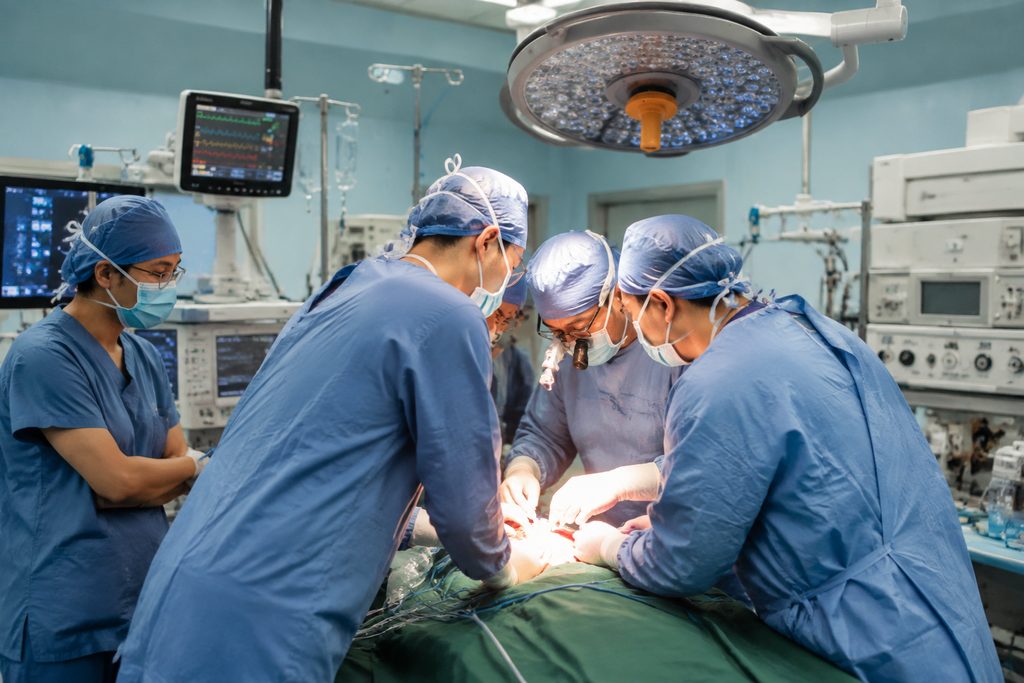
What if the hospital that treats more liver cancer cases than almost any center on earth sits in a city you have never visited — and the price tag is a fraction of what you were quoted at home? That is the reality foreign patients encounter when they look into liver cancer surgery in China, and specifically at Zhongshan Hospital in Shanghai.
This guide is not a sales pitch. It is a walk through how the process actually works, what it costs, where it goes wrong, and how to decide whether it is right for you.
Why Shanghai Zhongshan Hospital Comes Up First
Zhongshan Hospital, affiliated with Fudan University, is one of the most frequently named destinations for hepatobiliary cases in China. Its liver cancer center is a high-volume referral hub, meaning its surgical teams handle a caseload that most Western centers simply do not see.
Volume matters in liver surgery. The more resections a team performs, the more refined its judgment becomes about which tumors are operable, how much healthy liver can be preserved, and how to manage complications. China’s hepatitis B burden historically drove some of the world’s highest rates of hepatocellular carcinoma, and that burden built deep institutional expertise.
For context on the wider system: China has roughly 35,000 hospitals. The Fudan rankings place only the top 100 in a tiered system from A++++ down to A, and Zhongshan sits in the highest tier. In the specialty reputation rankings, its hepatobiliary and oncology programs are consistently listed among the country’s top ten. That is a meaningful signal, not a marketing claim.
You can browse comparable institutions by specialty on our department rankings page, which lists top hospitals across 45 specialties including oncology and hepatobiliary surgery.
How This Actually Works, Step by Step
Here is the real sequence, without the fantasy version.
Step one: you send records. Not a summary — the actual imaging files (CT, MRI, PET in DICOM format), pathology reports, blood work including liver function and tumor markers like AFP, and any treatment history. Scans matter most. A surgeon cannot assess resectability from a written report alone.
Step two: translation and review. Records are translated into Chinese and routed to the relevant specialty. A written second opinion typically comes back in three to seven business days. It should address whether the tumor appears resectable, what surgical approach is plausible, and what additional imaging might be needed.
Step three: a conversation. A video consultation lets you ask the questions that reports never answer. Is transplant an option or not? What is the expected recovery? What happens if the tumor has grown since the scan?
Step four: the appointment. This is where expectations need calibrating. Standard outpatient clinics at Chinese public hospitals do not accept advance bookings from overseas. Registration happens on the day, in person, and surgical scheduling follows an in-person consultation. The workable path for a planned surgical trip is the hospital’s international or VIP department, which can coordinate a confirmed appointment in advance.
Step five: arrival, consultation, admission. Surgery is scheduled after the surgeon examines you and confirms the plan against fresh imaging. Admission follows hospital rules — no service can promise a bed on a specific date.
A Realistic Timeline
Optimistic timelines get people into trouble. Here is what the calendar usually looks like.
| Stage | Typical Duration | What Slows It Down |
|---|---|---|
| Records gathering and DICOM upload | 3–10 days | Missing discs, hospital release delays |
| Translation and written second opinion | 3–7 business days | Complex cases needing multi-specialty input |
| Video consultation scheduling | 3–14 days | Time zone gaps, specialist availability |
| S2 visa application | 1–4 weeks | Invitation letter issuance, consulate backlog |
| International department appointment | 1–3 weeks | Department capacity, holiday periods |
| Travel and arrival | 1–3 days | Flight availability, jet lag recovery |
| In-person consultation to surgery | 3–14 days | Pre-op testing, blood availability, OR schedule |
| Hospital stay after resection | 7–14 days | Complications, liver function recovery |
| Recovery before flying home | 2–4 weeks | Surgeon clearance, wound healing |
Add it up and a realistic door-to-surgery window runs four to ten weeks from first contact. Anyone promising surgery in ten days is either misunderstanding the process or overselling.
What Liver Cancer Surgery Costs in China
Cost is usually the second question after “can it be done.” Numbers below are ranges in US dollars and vary by hospital and case complexity.
| Service | Typical Range (USD) |
|---|---|
| Written second opinion (top hospital specialist) | $300–500 |
| Video consultation, standard international department | $100–300 |
| Top-specialist video consultation | $500–800 |
| Multidisciplinary team (MDT) consultation | $1,500–2,000 |
| In-person top-specialist consultation coordination | $800–1,200 |
| Bilingual medical companion | from $300 per day |
| Hospital appointment coordination | from $300 |
Surgical and hospitalization charges are quoted separately by the hospital once your case is reviewed. As a general reference point, major surgical procedures at China’s top public hospitals often run one-fifth to one-tenth of comparable US charges. Liver resection sits at the higher end of that spectrum because of ICU time and imaging costs, but the gap remains substantial.
One mechanism worth knowing: any consultation fee you pay is credited in full toward on-the-ground coordination if you proceed within 90 days. It applies to the coordination fee only, never to hospital treatment charges.
What Can Go Wrong — and What Happens Then
Honest failure modes, and the recourse for each.
The tumor turns out to be unresectable. This happens, and it is the single most common reason a planned surgery trip collapses. The written second opinion is designed to catch it before you buy a ticket. If the assessment is borderline, ask directly what percentage of similar cases proceed to surgery.
Imaging is outdated by arrival. Liver tumors can grow in weeks. Hospitals typically repeat imaging on arrival, and the plan may change. Build slack into your schedule.
The visa is delayed. S2 applications require supporting documents from the hospital. If paperwork is slow, your appointment may need rescheduling.
Complications after surgery. Liver resection carries real risks — bile leaks, infection, liver insufficiency. Chinese tertiary hospitals manage these routinely, but recovery may extend well beyond two weeks.
Language breakdown. A hospital with 10,000+ daily outpatient visits is not built for non-Chinese speakers. Without a bilingual companion, simple tasks like paying a fee or finding a scan room become genuine obstacles.
How to Judge Whether This Is Right for You
Three questions cut through most of the noise.
Is your case actually operable? If two independent reviews disagree, that disagreement is the most important information you have. Get the second opinion before committing to travel.
Does the hospital’s volume match your specific tumor type? Hepatocellular carcinoma, intrahepatic cholangiocarcinoma, and metastatic colorectal liver disease are different problems with different surgical logic. Ask whether the center handles your subtype at volume.
Can you manage the non-medical side? Flights, visa, housing, food, translation, and a recovery period in a city where you do not speak the language. For some patients this is manageable. For others it is the deciding factor against traveling.
A useful gut check: if the only reason you are considering China is price, think harder. If it is price plus access to a high-volume hepatobiliary team, the calculus changes.
Practical Considerations: Records, Visas, Payment, Follow-Up
Records. Bring original imaging discs, not just reports. Pathology slides are also worth requesting — Chinese hospitals sometimes want to re-read them.
Visa. Foreign patients traveling for medical treatment use the S2 visa, which covers short-stay medical and private affairs and requires supporting documents from the receiving hospital. Stays beyond 180 days fall under S1. Accompanying family members apply for S2 as well. Note that the M visa is for commercial and trade activity and has nothing to do with medical treatment. Requirements shift, so confirm current rules with the relevant embassy or consulate.
Payment. Chinese public hospitals generally require prepayment. International insurance is usually reimbursed after the fact rather than billed directly, though some private international hospitals offer direct billing. Check your policy before assuming coverage.
Follow-up at home. Arrange this before you leave. Ask the surgical team for a written operative summary and imaging in a format your local oncologist can read. Continuity of care after you fly home is where many patients lose momentum.
Frequently Asked Questions
Yes, foreign patients are treated at Chinese tertiary hospitals, typically through the international or VIP department, which provides English-language support and advance appointment coordination. Access to standard outpatient clinics is more limited for overseas patients because registration is same-day and in person.
Major surgery at top Chinese public hospitals commonly runs one-fifth to one-tenth of US charges, though liver resection sits at the higher end due to ICU and imaging costs. Exact figures depend on hospital, tumor complexity, and length of stay, and are quoted only after case review.
This is a real risk, which is why the written second opinion exists. If the review suggests the tumor is unresectable, you save the cost and disruption of travel. If the assessment is borderline, ask the reviewing team what proportion of similar cases proceed to surgery before making any commitment.
Your Next Step
The core message is simple: liver cancer surgery in China, and at high-volume centers like Zhongshan Hospital in Shanghai, is a genuine option for some patients — but it rewards careful preparation over urgency. Get your imaging reviewed first. Understand the timeline. Then decide.
Our team at China Medical Services connects international patients with 340+ top-ranked hospitals across 37 cities. We are case managers, not doctors — we translate records, coordinate appointments through official international departments, and provide bilingual companions on the ground. We do not sell access, and we cannot promise a surgeon, a date, or an outcome.
If you would like a straightforward assessment of your case and what the process would look like, start with a free consultation. No pressure, no obligation — just a clear picture of your options.
For more medical information and treatment options in China, visit chinamedservices.com (China Medical Services).
