Multiple Myeloma Specialist in Shanghai: Ruijin Hospital Costs and Care
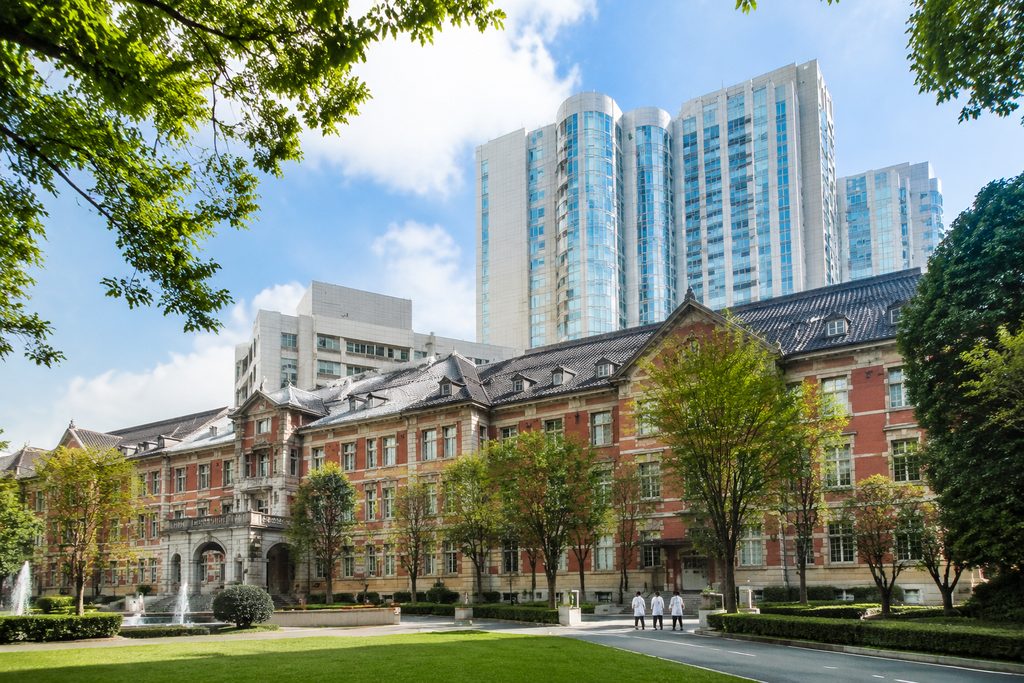
Finding a Multiple Myeloma Specialist in Shanghai: What Ruijin Hospital Offers and What It Costs
For a patient facing a multiple myeloma diagnosis, the question is rarely abstract. It is brutally specific: where do I go, who will treat me, and what will it take to get there. The multiple myeloma specialist Shanghai cost equation sits at the center of that decision for many families. Ruijin Hospital, affiliated with Shanghai Jiao Tong University School of Medicine, runs one of China’s largest and most research-active hematology programs. Its specialists see a volume of myeloma cases that most Western centers would struggle to match in a decade. But volume alone does not answer the harder questions about access, price, and what treatment actually looks like for an international patient.
This article breaks down what Ruijin Hospital offers for myeloma care, what it realistically costs, how CAR T-cell therapy fits into the picture, and the step-by-step process for booking an appointment as a foreign patient. No hype. Just the facts we have gathered from working with patients and coordinating with hospital international departments.
Key Takeaways
- Ruijin Hospital’s hematology department is consistently ranked among the top programs in China, with a myeloma caseload exceeding 1,000 new patients annually.
- A written second opinion from a Ruijin myeloma specialist typically costs $300–500, while a video consultation runs $500–800 through the hospital’s international channel.
- CAR T-cell therapy for myeloma is available in Shanghai through clinical trials and approved commercial products, but eligibility is strict and foreign patients face additional screening requirements.
- Public hospital outpatient registration cannot be pre-booked from overseas. Securing a confirmed specialist appointment requires going through the hospital’s international department or a coordination service.
The Problem: A Diagnosis That Demands Speed and Expertise
China’s regulatory pathway for oncology drugs has accelerated dramatically since 2017. Daratumumab, carfilzomib, ixazomib, pomalidomide, and selinexor are all approved and commercially available in Shanghai. Bispecific antibodies targeting BCMA, including teclistamab, are under active clinical investigation at multiple Shanghai centers, with Ruijin among the lead sites. The question “can I get CAR T cell therapy for myeloma in Shanghai” comes up in nearly every consultation we handle. The answer is yes, with caveats. Shanghai has more active CAR T clinical trials for myeloma than any other city in Asia. Ruijin participates in several of them. But trial enrollment for foreign nationals is not automatic. Each protocol sets its own inclusion criteria, and some restrict enrollment to Chinese citizens or residents. Commercial CAR T products, such as ciltacabtagene autoleucel, are approved in China but carry a price tag in the range of $150,000 to $200,000 for the product alone. That is lower than the US list price of approximately $465,000, but still substantial.
The multiple myeloma specialist Shanghai cost for international patients breaks down into layers. A standard outpatient consultation with a senior hematologist through the international department typically ranges from $100 to $300. A full diagnostic workup — including serum protein electrophoresis, immunofixation, free light chain assay, bone marrow biopsy with cytogenetics and FISH, and whole-body imaging — runs between $1,500 and $3,000. That is one-tenth to one-fifth of what the same workup costs in the US without insurance. Induction therapy using a bortezomib-based triplet regimen costs approximately $2,000 to $4,000 per cycle in China, compared to $15,000 to $25,000 per cycle in the US before insurance. Autologous stem cell transplant at Ruijin, including hospitalization and standard supportive care, typically falls between $30,000 and $50,000. In the US, that procedure averages $150,000 to $300,000. The gap is structural, not cosmetic. Lower labor costs, hospital efficiency, and government price negotiations on essential cancer drugs drive the difference.
How Treatment Actually Works at Ruijin: A Step-by-Step Walkthrough
If you are considering how is multiple myeloma treated in Shanghai, the clinical pathway will look familiar to anyone who has been through a Western academic center. What differs is the logistics. Here is the sequence as we have observed it across dozens of patient cases.
Step one: Remote evaluation. Before any travel, the patient sends existing records — pathology reports, cytogenetics, imaging, prior treatment history. Ruijin’s international department arranges for a hematologist to review the materials. This can be done as a written second opinion ($300–500) or a video consultation ($500–800). The specialist assesses whether the patient is a candidate for treatment in Shanghai and what the proposed approach would be.
Step two: In-person consultation and restaging. The patient travels to Shanghai on an S2 visa, which is the correct category for short-term medical treatment and private affairs. At the hospital, the specialist conducts a face-to-face evaluation and orders any missing diagnostics. A bone marrow biopsy with full cytogenetic profiling is standard at this stage. Results typically return within 7 to 10 days.
Step three: Treatment planning and initiation. Based on the restaging results, the team proposes a specific regimen. For transplant-eligible patients, this usually means 4 to 6 cycles of induction therapy followed by stem cell collection and autologous transplant. For transplant-ineligible patients, continuous therapy with a triplet or doublet regimen is the norm. Treatment can often begin within 2 to 3 weeks of the initial in-person visit, assuming no unexpected findings.
Step four: Ongoing management and transition. Many international patients complete induction in Shanghai and then return home for maintenance therapy, with periodic video follow-ups. Others stay in Shanghai for the full transplant sequence, which requires 2 to 3 months on the ground. The hospital’s international department coordinates discharge summaries, translated records, and a handoff plan for the home treating physician.
Comparing Your Real Options: Ruijin, Other Chinese Centers, and Staying Home
The decision to travel for myeloma care is never simple. Here is how the options stack up.
| Factor | Ruijin Hospital (Shanghai) | Other Top Chinese Centers | US Academic Center |
|---|---|---|---|
| Myeloma caseload | 1,000+ new patients/year | 500–800/year (e.g., Peking Union, West China) | 200–400/year |
| Specialist consultation | $100–300 (international dept) | $80–250 | $400–800 (uninsured) |
| Induction cycle (bortezomib triplet) | $2,000–4,000 | $2,500–5,000 | $15,000–25,000 |
| Autologous transplant | $30,000–50,000 | $35,000–60,000 | $150,000–300,000 |
| CAR T (commercial) | $150,000–200,000 | Similar range | $465,000 (list price) |
| English-speaking coordination | Available via international dept | Varies by hospital | Standard |
Ruijin is not the only option in China. Peking Union Medical College Hospital in Beijing and West China Hospital in Chengdu also run strong myeloma programs. But Ruijin’s combination of volume, research infrastructure, and Shanghai’s international logistics makes it the most common first choice for foreign patients seeking a multiple myeloma specialist Shanghai cost advantage. The city has direct flights from most major hubs, a large English-speaking expat infrastructure, and a hospital international department accustomed to foreign patients.
What about staying home? For patients with excellent insurance coverage, an established relationship with a myeloma specialist, and no urgent need to reduce costs, staying put makes sense. Traveling for cancer care is disruptive. It removes the patient from their support network at exactly the moment they need it most. But for patients facing six-figure out-of-pocket costs, or waiting lists that stretch past the point of clinical safety, Shanghai becomes a rational calculation rather than a leap of faith.
Practical Considerations: Visas, Payments, and Follow-Up
Getting to Ruijin Hospital requires more than a plane ticket. The visa category matters. Foreign nationals traveling to China for medical treatment use an S2 visa, which covers short-term private affairs including medical care. The application requires supporting documents from the receiving hospital — typically an invitation letter or treatment confirmation from the international department. Processing time varies by embassy but generally runs 1 to 3 weeks. Family members accompanying the patient also apply for S2 visas. The M visa is for commercial and trade activities only and is not appropriate for medical travel.
Payment is another practical hurdle. Chinese public hospitals, including their international departments, operate on a prepayment model. Patients deposit funds at admission, and costs are deducted as services are rendered. Credit cards are accepted at international departments, but large deposits may require wire transfer. Most international insurance plans require the patient to pay upfront and seek reimbursement afterward. Direct billing is rare in public hospital settings, though some private international hospitals in Shanghai offer it. Ruijin is a public hospital, so expect to pay first and claim later.
Language is a real barrier. While Ruijin’s international department has English-speaking staff, the day-to-day reality of navigating a Chinese public hospital — even a top-tier one — is challenging without help. Registration counters, pharmacy queues, lab slips, and ward rounds all operate in Mandarin. A bilingual medical companion can handle registration, payment, translation, and wayfinding. The cost starts at $300 per day. It is not mandatory, but for patients without Mandarin ability, it converts a stressful experience into a manageable one.
Follow-up after returning home is a common concern. Ruijin’s specialists are generally willing to conduct periodic video follow-ups for established patients. The hospital provides translated discharge summaries and treatment records. Your home oncologist should receive a full handoff package. Maintenance therapy can usually be continued at home, with dose adjustments made via video consultation as needed.
Frequently Asked Questions
Can I book an appointment with a multiple myeloma specialist at Ruijin Hospital before traveling to Shanghai?
Not through the standard public outpatient system. Public hospital registration in China is same-day, first-come-first-served, and cannot be pre-booked from overseas. To secure a confirmed appointment before travel, you must go through the hospital’s international department or a coordination service that works with it. A video consultation can also be arranged before you commit to travel.
What does the full multiple myeloma specialist Shanghai cost include for a transplant-eligible patient?
For a patient completing induction, stem cell collection, and autologous transplant at Ruijin, the total cost typically falls between $45,000 and $75,000, excluding travel and accommodation. This includes diagnostics, chemotherapy agents, transplant procedure, hospitalization, and standard supportive care. It does not include CAR T therapy, which is a separate and substantially higher expense.
Can I get CAR T cell therapy for myeloma in Shanghai as a foreign patient?
Possibly, but not automatically. Commercial CAR T products are approved in China and available at select Shanghai hospitals, including Ruijin, for eligible patients. Clinical trials are also active, but many restrict enrollment to Chinese citizens or residents. Eligibility depends on prior lines of therapy, performance status, and organ function. A remote evaluation is the only way to determine whether you qualify.
Is Ruijin Hospital the best hospital for multiple myeloma in China?
Ruijin is consistently ranked among China’s top hospitals for hematology, alongside Peking Union Medical College Hospital and West China Hospital. The Shanghai Institute of Hematology at Ruijin has been a national leader in blood cancers for decades. For international patients, Ruijin’s location in Shanghai and its experienced international department make it a strong default choice, but the best hospital for any individual patient depends on their specific disease features and treatment history.
What happens if my disease progresses while I am in Shanghai?
Ruijin has the full range of salvage options available, including newer agents and clinical trials. The treating team will adjust therapy based on response. If a patient becomes too ill to travel home, the hospital coordinates extended inpatient care. This is a risk every traveling patient should discuss with their home oncologist before departure. It is rare, but it happens, and families should have a contingency plan.
Your Next Step
If you are weighing whether Shanghai and Ruijin Hospital make sense for your myeloma care, start with information, not commitment. A written second opinion costs $300–500 and gives you a concrete assessment from a specialist who treats more myeloma patients in a year than most Western oncologists see in a career. China Medical Services coordinates remote evaluations, video consultations, and on-the-ground support for international patients. We are not a hospital and we do not provide diagnoses. We handle the logistics — records translation, appointment coordination, visa guidance, and bilingual accompaniment — so you can focus on the decision that matters. Request a free consultation and we will help you map out the path. If Shanghai is not right for you, we will tell you that too.
For more medical information and treatment options in China, visit chinamedservices.com (China Medical Services).
