Occupational Lung Disease: Shanghai Pulmonary Team Guide for Foreigners
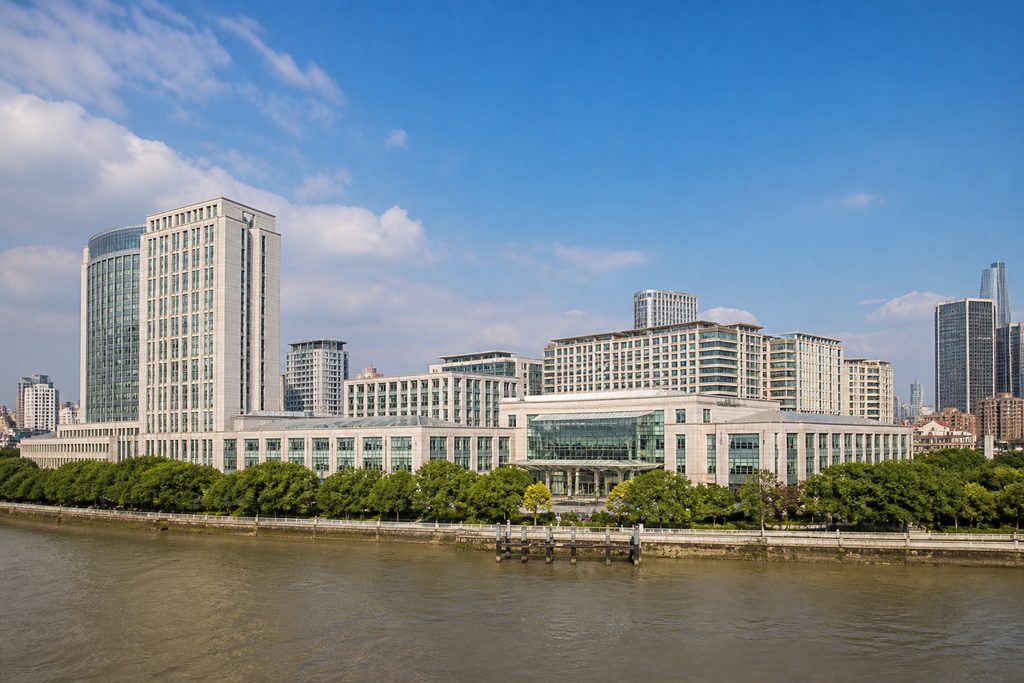
The World Health Organization estimates that work-related respiratory conditions contribute to hundreds of thousands of deaths globally each year, yet many patients wait years for a proper diagnosis. If you have searched for the Shanghai Pulmonary Team because your breathing has changed and no one at home can tell you why, you are in the right place. This guide explains what occupational lung disease treatment in China actually involves, what it costs, how long it takes, and how international patients access Shanghai’s leading respiratory specialists.
Occupational Lung Disease Treatment Cost China: The Short Answer
Specialist evaluation and a written management plan in Shanghai typically run from $300 to $500. A full diagnostic workup — high-resolution CT, pulmonary function testing, and provocation challenges — usually lands between $800 and $2,500. Long-term management, including medication and rehabilitation, varies widely by condition and severity.
That is the number. The complication is that no honest quote exists before a physician reviews your actual scans. Pneumoconiosis, occupational asthma, and hypersensitivity pneumonitis behave differently, and the workup for each one looks different too. Anyone who quotes you a fixed price before seeing your films is guessing.
Who This Is Right For — and Who It Isn’t
Shanghai’s respiratory departments see a large volume of occupational and environmental lung disease, partly because China’s industrial history created deep clinical experience with these conditions. That experience is real. It does not make every case a good fit for travel.
Patients who typically benefit:
- Workers with documented or suspected exposure — mining, construction, shipbuilding, textiles, welding, agriculture — whose symptoms persist after leaving the job
- People with an ambiguous diagnosis at home who want a second read on imaging and pathology
- Patients facing a long wait for pulmonary function testing or specialist review in their home system
- Those seeking integrated care that combines Western pulmonology with rehabilitation and, where appropriate, traditional Chinese medicine support
Patients who should not pursue this:
- Anyone in acute respiratory failure or with unstable cardiac status — travel is a genuine risk
- Patients whose diagnosis is already confirmed and whose local treatment is working. Changing systems adds disruption without clear benefit
- Those expecting a cure. Most occupational lung diseases are managed, not reversed. Fibrosis that has formed does not disappear
- Anyone who cannot tolerate a long-haul flight or a multi-week stay
The Options, Compared
Most international patients weigh three paths: staying home, going to a Western private center, or coming to China. Here is how they stack up on the factors that actually drive the decision.
| Factor | Home Country (Public) | Western Private Center | Shanghai Public / International Dept. |
|---|---|---|---|
| Wait for specialist review | 4–16 weeks typical | 1–3 weeks | Often 1–2 weeks with coordination |
| High-resolution CT cost | $400–$1,500 | $1,200–$3,000 | $150–$450 |
| Full pulmonary function panel | $300–$900 | $600–$1,500 | $80–$250 |
| Specialist consultation | Covered or $200–$500 | $400–$900 | $50–$200 (international dept. higher) |
| English-language support | Varies | Standard | Available via international department or companion service |
| Insurance direct billing | Usually yes | Often yes | Rare in public hospitals; private international hospitals yes |
The pattern is consistent: China’s public system wins decisively on price and often on speed, while Western private centers win on language comfort and insurance simplicity. Which column suits you depends on how much you value those last two factors relative to cost.
Why Shanghai’s Pulmonary Teams Draw International Patients
Shanghai hosts 18 hospitals in the Fudan Top 100 ranking — the second-highest concentration in China after Beijing. Several of these institutions maintain respiratory departments with dedicated occupational disease experience, and their international departments are built specifically for patients who do not speak Mandarin.
What that means practically: you are not walking into a general clinic and hoping. You are entering a system that has processed thousands of complex respiratory cases and has the imaging equipment, pathology capacity, and subspecialty depth to work through a difficult differential.
Scale matters here. China’s top hospitals handle patient volumes that would overwhelm most Western institutions — some see more outpatients in a single day than a regional hospital abroad sees in a month. For rare or ambiguous conditions, that volume translates into pattern recognition.
You can browse respiratory and other specialty rankings through our department-by-department hospital guide, or review the full Shanghai listings on the Shanghai city page.
How Long Does Pneumoconiosis Treatment Take?
This is the question patients ask most, and the honest answer is that pneumoconiosis has no fixed treatment duration. What has a timeline is the evaluation and the initial management plan.
A typical diagnostic phase runs 3 to 7 days on the ground:
- Day 1–2: Registration, medical card creation, initial consultation, bloodwork
- Day 2–4: High-resolution CT, pulmonary function testing including diffusion capacity, and where indicated a six-minute walk test
- Day 4–7: Specialist review, multidisciplinary discussion if the case is complex, and delivery of a written plan
Treatment itself then depends on the diagnosis. Occupational asthma may improve substantially within weeks of exposure removal plus inhaled corticosteroids. Chronic beryllium disease and silicosis require long-term immunosuppression or monitoring. Asbestosis management is largely supportive and ongoing.
What most patients actually gain from the trip is clarity: a confirmed diagnosis, a staged plan, and a baseline they can hand to their physician at home.
Practical Considerations for International Patients
Records. Bring everything. Original imaging on disc, not just reports. Pathology slides if a biopsy was done. A written employment history with specific exposures and dates carries more diagnostic weight than most patients realize — occupational lung disease is diagnosed partly through the work history.
Visa. Medical travel to China uses the S2 visa, which covers short-stay private affairs including medical treatment. Accompanying family members apply under the same category. The M visa is for commercial and trade activity and is not the correct route for treatment. Requirements shift, so confirm current documentation with the nearest Chinese embassy or consulate before applying.
Appointments. Public hospital outpatient slots generally cannot be reserved from abroad in advance. You register on the day. Securing a specific specialist or an admission date in advance typically requires going through a hospital’s international or VIP channel, which costs roughly 1.5 to 2 times the standard fee.
Payment. Public hospitals require prepayment, with insurance reimbursement handled afterward in your home country. Private international hospitals in Shanghai often bill insurers directly.
Language. This is not a minor issue. A top Shanghai hospital may see more than 10,000 outpatients daily. Signage, registration systems, and most clinical staff operate in Mandarin. Without support, navigation is genuinely difficult.
Follow-up. Ask for your imaging and reports in a format your home physician can read. Plan the handoff before you fly home, not after.
Frequently Asked Questions
China’s top-ranked public hospitals meet international standards for respiratory diagnostics and are accredited accordingly. The larger safety question is not clinical quality but continuity — you will likely return home mid-treatment, so the plan needs to be transferable. Ask explicitly how follow-up will work across borders.
Standard public outpatient appointments usually cannot be reserved from overseas. You register in person on the day. If you need a confirmed specialist appointment in advance, the hospital’s international department is the realistic path, and it costs more. A written second opinion or video consultation is often the better first step — it tells you whether the trip is worth making.
It depends entirely on the provider. Legitimate coordination covers registration, medical card creation, appointment scheduling through official hospital channels, interpretation, and accompaniment. It does not include guaranteed access to a named specialist or a specific surgery date, and any provider promising that should be treated with caution. Hospital treatment charges are always separate from coordination fees.
Sometimes, but rarely without prior authorization. Most Western insurers require pre-approval for elective care abroad and reimburse after the fact rather than paying upfront. Contact your insurer before committing to travel, and get any approval in writing.
Your Next Step
The practical reality is that most patients do not need to fly to Shanghai to get an answer. They need a specialist to read their scans and tell them what they are dealing with. That can happen remotely, in days rather than months, and it costs a fraction of a trip.
We are China Medical Services, a coordination service — not a hospital, and we do not diagnose or treat anyone. Our team handles medical record translation, appointment coordination through official hospital international departments, and bilingual accompaniment on the ground. We work across 340+ top-ranked hospitals in 37 cities.
If you want to know whether Shanghai is the right next step for your case, start with a conversation. No pressure, no obligation — just a clearer picture of your options. You can request a free consultation here.
This article is for general information only and does not constitute medical advice. Occupational lung disease requires evaluation by a qualified physician. Costs vary by hospital and case complexity. Always consult a licensed healthcare provider about your individual situation.
For more medical information and treatment options in China, visit chinamedservices.com (China Medical Services).
