Pain Management Cost in China: A 2026 Budget Companion
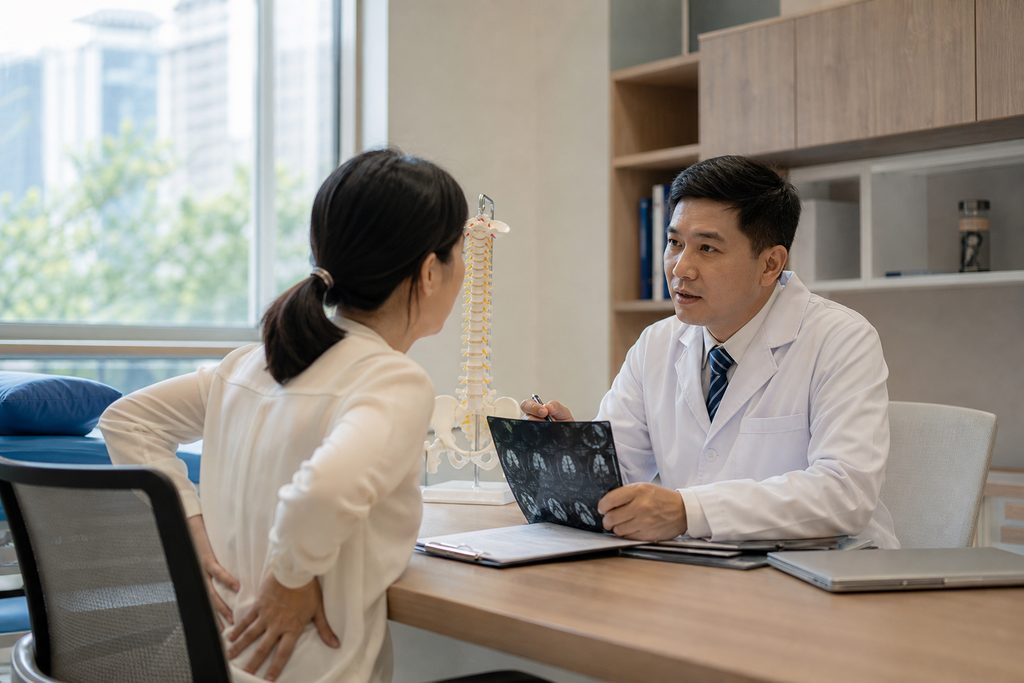
Pain, especially chronic pain, has a way of shrinking your world. It steals sleep, dulls focus, and makes even simple decisions feel heavy. If you have been living with it, you already know the real cost is not just financial. So when you start searching for “pain management clinic cost China,” you are probably asking a deeper question: is there a place where I can get effective, evidence-based care without draining my savings?
The short answer is yes. Pain management in China typically costs between $150 and $800 per specialist consultation, with interventional procedures like nerve blocks or radiofrequency ablation ranging from $500 to $4,000 depending on complexity. A full, structured pain program at a top-tier hospital often lands between $3,000 and $12,000. That is a fraction of what many Western patients pay. But the real story is not just the number. It is what that number buys you, and where the hidden costs can hide.
Pain Management in China: The Short Answer
If you need a single figure to anchor your planning, here it is: most international patients budget $5,000 to $10,000 for a comprehensive pain management workup and initial treatment block at a reputable Chinese hospital. That typically covers specialist consultations, diagnostic imaging, a series of interventional procedures, and follow-up review. The same package in the United States can easily exceed $30,000 before insurance negotiations.
But that range is not a promise. It is a starting point. The final number depends on what is actually causing your pain. A straightforward facet joint injection costs far less than a spinal cord stimulator trial. A private international hospital in Shanghai will quote higher than a public hospital’s international department in Chengdu. And your specific diagnosis — whether it is neuropathic, musculoskeletal, or cancer-related pain — changes the treatment algorithm entirely.
Who This Is Right For — and Who It Isn’t
Traveling abroad for pain treatment makes sense for a specific profile of patient. You are not that profile just because the price looks good.
Good candidates typically include:
- Patients with a confirmed diagnosis who have exhausted conservative options at home and are seeking interventional procedures (epidural steroid injections, pulsed radiofrequency, nerve blocks).
- People with chronic musculoskeletal pain — failed back surgery syndrome, osteoarthritis, myofascial pain — who want a structured, multimodal program rather than another prescription refill.
- Patients who want to combine Western interventional pain medicine with Traditional Chinese Medicine (TCM) approaches like acupuncture and tuina, which are deeply integrated into Chinese pain departments.
- Those living in Asia, the Middle East, or Europe for whom a flight to Shanghai or Beijing is shorter and cheaper than a trip to the US.
Who should not pursue this:
- Patients with unstable cardiac or respiratory conditions that make long-haul travel risky.
- Anyone seeking high-dose opioid prescriptions. Chinese regulations are strict, and opioid stewardship is taken seriously. Do not expect a liberal prescribing culture.
- Patients whose pain is undiagnosed and who have not had basic imaging or neurological workup. You will do that here, but it will cost time and money better spent at home first.
- Those expecting a single “fix” — pain management is a process, not a procedure. If you are not ready for a multi-week commitment, stay home.
The Options, Compared
Not all pain management in China operates on the same model. The choice you make here shapes your entire budget. Here is how the three main tiers compare for a typical lumbar radiculopathy patient requiring an epidural steroid injection series.
| Factor | Public Hospital (International Dept.) | Private International Hospital | Specialist Pain Clinic (Standalone) |
|---|---|---|---|
| Specialist consultation | $150–$300 | $250–$500 | $100–$250 |
| Epidural injection (per level) | $800–$1,500 | $1,500–$3,000 | $700–$1,200 |
| MRI (lumbar, 3T) | $200–$400 | $400–$700 | Usually referred out |
| English-speaking staff | Available, but variable | Standard | Rare — bring an interpreter |
| Insurance direct billing | Rarely | Common | Almost never |
| Wait time for first appointment | 1–2 weeks | 2–7 days | 1–3 days |
If your priority is cost, a public hospital’s international department is hard to beat. If your priority is speed, language, and insurance convenience, a private international hospital wins. The standalone pain clinic is often cheapest but requires the most self-management — you will handle imaging referrals, language, and coordination yourself.
What a Pain Management Package in China Actually Includes
This is where the “budget companion” part gets real. When you see a price for pain management in China, you need to know what is inside the box. Most structured programs at top hospitals are built around a phased model.
Phase one is assessment. That means a detailed pain history, review of your existing imaging, and usually a new MRI or CT to establish a current baseline. Expect $300 to $800 for this phase depending on imaging needs.
Phase two is intervention. This is where the bulk of your budget goes. A typical package might include two to four procedures — nerve blocks, radiofrequency ablation, or trigger point injections — spaced over one to three weeks. Each procedure carries its own fee, and the total typically lands between $1,500 and $6,000.
Phase three is rehabilitation and maintenance. Chinese pain departments are unusual in how heavily they integrate physical therapy, acupuncture, and TCM herbal medicine alongside Western interventions. This phase is often the least expensive but the most time-intensive. Budget $500 to $1,500 for a two-week rehab block.
What is almost never included: international flights, accommodation, meals, visa fees, and the cost of a bilingual medical companion if you need one. Those logistics add up fast. A two-week stay in Shanghai with a modest hotel and daily expenses runs $1,200 to $2,500 before you pay a single hospital bill.
How Much Does Pain Treatment Cost in China: The Price Drivers
Five factors move the needle more than anything else.
Hospital tier. A top-ranked hospital like Peking Union Medical College Hospital or Fuwai Hospital commands premium pricing in its international department. But you are paying for depth of expertise. The top-ranked hospitals in China handle complex cases daily that smaller centers see monthly.
Procedure complexity. A simple trigger point injection might cost $200. A spinal cord stimulator trial — where a temporary electrode is placed near your spinal cord — can run $8,000 to $15,000. The gap is enormous because the technology, imaging guidance, and monitoring requirements are entirely different.
City. Shanghai and Beijing are the most expensive markets. A Shanghai pain management program at a private hospital often costs 30–50% more than an equivalent program in Chengdu or Hangzhou. The trade-off is convenience and English-language infrastructure.
Length of stay. Pain management is not a one-and-done visit. Most international patients need 10 to 21 days on the ground. Every extra week adds hotel, food, and companion costs.
Whether you need a bilingual companion. This is the honest truth: Chinese public hospitals are vast, crowded, and almost entirely Chinese-language environments. Even in international departments, you will encounter forms, pharmacy queues, and imaging check-ins where English is not spoken. A bilingual medical companion costs from $300 per day. For many patients, it is not a luxury. It is the difference between a smooth process and a stressful one.
Is Pain Management Safe in China?
This question deserves a straight answer. Yes — at the right hospitals. China’s top-tier pain departments follow international protocols for interventional procedures. Fluoroscopic or ultrasound guidance is standard for nerve blocks and epidural injections. Complication rates for routine procedures at major centers are comparable to those in Western hospitals.
But “China” is not one standard of care. There are 35,000+ hospitals in the country, and quality varies dramatically. The top 5% — those ranked by Fudan University’s hospital rankings or accredited by JCI — operate at a level that matches or exceeds many Western institutions. Below that, standards become inconsistent.
So the safety question is really a hospital selection question. If you are asking “is pain management safe in China,” the honest answer is: it is safe at the hospitals we work with, and we would not send you anywhere else. The department rankings for pain medicine and related specialties are a good place to start your own research.
Practical Considerations: Records, Visas, and Payment
Before you book a flight, get your paperwork in order. Chinese pain specialists will want your complete medical history: previous imaging (MRI, CT, X-ray), procedure reports, medication lists, and any surgical notes. If your records are not in English or Chinese, you will need certified translations. This is not optional — a specialist cannot safely plan an interventional procedure without knowing what has already been tried.
For visas, medical treatment in China falls under the S2 visa category, which covers short-term private affairs including medical treatment. You will need a supporting letter from the hospital confirming your appointment. Family members accompanying you also apply for S2 visas. The hospital’s international department typically issues the invitation letter once your treatment plan and deposit are confirmed.
Payment is almost always upfront. Chinese public hospitals do not bill Western insurance companies directly. You pay the estimated cost of treatment as a deposit, receive care, and then claim reimbursement from your insurer afterward. Private international hospitals like United Family or Jiahui often have direct billing arrangements with major insurers — worth checking if your policy is with a global carrier.
After you return home, plan for follow-up. Pain management is iterative. Your Chinese specialist will typically provide a written summary and recommendations for your local physician. Some hospitals offer follow-up video consultations at $100–$300 per session, which is a practical way to review progress without another flight.
Frequently Asked Questions
For comparable procedures at comparable hospital tiers, expect to pay roughly one-fifth to one-third of US prices. A lumbar epidural steroid injection that might cost $2,500–$5,000 in the US typically runs $800–$1,500 in China. A full structured program that costs $30,000+ in the US often lands between $5,000 and $12,000 in China.
You can book a consultation slot, but not a procedure. Chinese public hospitals require an in-person specialist assessment before scheduling any interventional treatment. This is both a regulatory requirement and good medical practice. What you can do remotely is arrange a written second opinion or video consultation so the specialist reviews your case before you travel. That way, your in-person visit is focused and efficient.
Pain management has no guarantees. Some patients get dramatic relief from a single nerve block. Others need multiple modalities over months. A minority see minimal improvement. A reputable Chinese pain department will be honest about this uncertainty. Ask about the hospital’s protocol for reassessment — how many failed interventions before they change approach? The best centers have a structured algorithm, not a trial-and-error culture.
No, but you need a plan for the language barrier. International departments have English-speaking coordinators, but once you leave that bubble — pharmacy, imaging, cashier — the environment is Chinese-only. A bilingual medical companion solves this. It is a real cost, but for most international patients, it is the single highest-value service they buy.
Shanghai has several strong options. Public hospitals like Zhongshan Hospital and Ruijin Hospital offer excellent pain departments at lower price points, though their international departments are busier and less personalized. Private options like Jiahui and United Family Shanghai are more expensive but smoother for English-speaking patients. The “best price” depends on whether you value money or convenience more. For most budget-conscious patients, a public hospital international department with a bilingual companion is the optimal combination.
Your Next Step
Pain management in China is not the right choice for everyone. But for the right patient — diagnosed, motivated, and ready for a structured program — it offers genuine value: top-tier interventional care at a fraction of Western prices, with the added benefit of integrated TCM approaches that most Western pain clinics do not offer.
We are China Medical Services, and our role is coordination, not diagnosis. We do not treat patients, and we do not operate a hospital. What we do is help you understand your options, connect you with appropriate specialists, and manage the logistics — appointments, records, language, and navigation — so you can focus on your treatment. If you want to explore whether pain management in China makes sense for your specific case, start with a free consultation. We will look at your records, give you an honest assessment, and help you decide if this path is worth pursuing.
For more medical information and treatment options in China, visit chinamedservices.com (China Medical Services).
