Psoriasis Treatment in Shanghai: Where to Go and What Huashan Hospital’s Top Dermatology Department Offers
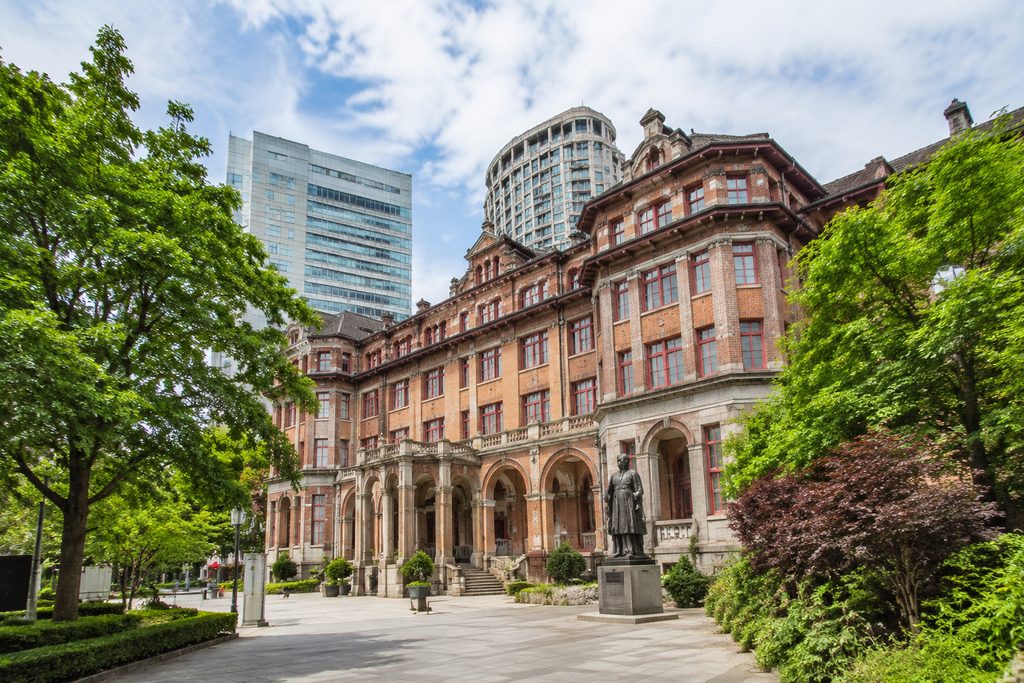
While a patient in the United States might pay $3,500 to $6,000 per month for a single biologic injection, a patient receiving the same class of therapy at a top-tier Chinese public hospital can face costs that are often 60% to 80% lower. The dermatology department at Huashan Hospital, affiliated with Fudan University, sees over 1.6 million outpatient visits annually, making it one of the highest-volume skin disease centers on the planet. That volume isn’t just a statistic. It translates into a depth of clinical experience with complex, refractory psoriasis that few Western clinics can match.
We see the same questions from nearly every international patient who contacts us: Is the quality real? Can I actually get an appointment? And what does psoriasis treatment cost Shanghai actually look like when you add up all the hidden fees? This article answers those questions directly, using the facts on the ground at Huashan Hospital and a few other key dermatology institutions in the city.
How This Actually Works, Step by Step
The path to treatment doesn’t start with booking a flight. It starts with records. You send us your existing medical documentation—diagnosis confirmation, PASI scores if you have them, treatment history including which topicals, systemics, or biologics you’ve tried, and any relevant lab work. Our team translates these materials into clinical Chinese and prepares a summary that a Chinese dermatologist can review efficiently.
From there, we submit the package to the hospital’s international department. For a case like psoriasis, the department typically assigns a senior dermatologist with specific experience in biologic therapy management. You receive a written second opinion within 5 to 7 business days. That document outlines whether the specialist believes a treatment plan in Shanghai makes clinical sense, which therapies they would consider, and—critically—whether they recommend you travel for an in-person consultation at all.
Sometimes the answer is no. A specialist might review your records and conclude that your current regimen is appropriate, or that a clinical trial closer to home is a better fit. We’d rather deliver that truth than waste your time and money. But when the answer is yes, the second opinion becomes the foundation for everything that follows: scheduling, visa documentation, and a treatment timeline.
If you decide to proceed, we coordinate the S2 visa invitation letter from the hospital, schedule your first in-person consultation, and arrange a bilingual medical companion to accompany you through registration, the consultation itself, and any follow-up labs or procedures. You are never alone in a waiting room trying to decipher a Chinese hospital queue number.
Why Huashan Hospital’s Dermatology Department Matters for Psoriasis
Huashan Hospital’s dermatology unit is not simply “good.” It is the dermatology department in China. The Fudan University hospital ranking system—the most authoritative medical ranking in the country—consistently places Huashan’s dermatology department in the top tier nationally, alongside a very short list of peers. The department runs a dedicated psoriasis clinic, a separate biologic therapy evaluation unit, and multiple active clinical trials for new IL-17 and IL-23 inhibitors.
For an international patient, this matters in practical terms. A dermatologist who treats twenty psoriasis patients a week develops pattern recognition that no textbook can teach. They know which patients are likely to respond to a particular biologic based on subtle clinical indicators. They’ve managed the rare side effects. They’ve seen paradoxical reactions. That accumulated experience is what you’re accessing.
The department also maintains a psoriasis patient registry with longitudinal data on treatment outcomes. This isn’t just a marketing claim. The registry has generated peer-reviewed publications on real-world biologic efficacy in Chinese populations, data that informs treatment decisions for patients with specific genetic backgrounds or comorbidities. If you’re of East Asian descent or have a mixed genetic background, this population-specific data may be more relevant to your care than clinical trial data drawn from European cohorts.
But Huashan is not the only option. Shanghai’s dermatology landscape includes several other strong institutions. Ruijin Hospital, affiliated with Shanghai Jiao Tong University School of Medicine, runs a respected dermatology program with strength in immunodermatology. Shanghai Skin Disease Hospital focuses exclusively on dermatologic conditions and sees high psoriasis volume. The choice between them depends on your specific clinical situation, not just brand recognition. We help you make that call based on your records, not on hospital prestige alone.
A Realistic Timeline
The timeline below assumes a typical moderate-to-severe psoriasis case where the patient has already tried and failed topical therapies and at least one systemic agent. Your timeline may differ. We present ranges, not guarantees.
| Stage | What Happens | Typical Duration |
|---|---|---|
| Document preparation | You gather medical records, translated into English if they’re in another language. We handle Chinese translation. | 3–7 days (depends on how quickly you provide records) |
| Written second opinion | Records submitted to Huashan dermatology international team. Specialist reviews and returns written analysis. | 5–7 business days |
| Decision and scheduling | You review the opinion, decide whether to travel. We request an in-person consultation slot. | Appointment lead time: 1–3 weeks (varies by specialist availability) |
| Visa processing | Hospital issues invitation letter. You apply for S2 visa at your local Chinese embassy or consulate. | 1–4 weeks (depends on embassy workload and your nationality) |
| Travel and first consultation | You arrive in Shanghai. Bilingual companion meets you at the hospital. Specialist evaluates you in person, orders labs if needed. | Consultation itself: 30–60 minutes. Lab results: same day to 2 days. |
| Treatment initiation | If a biologic is prescribed, first dose may be administered at the hospital infusion center or via self-injection training. | Same day as consultation or within 1–3 days after lab clearance |
| Follow-up and maintenance plan | Specialist outlines follow-up schedule. You return home with a written plan and, if applicable, medication supply. | Follow-up consultation typically at 1 month, 3 months, 6 months |
What this timeline doesn’t show is the waiting that happens between stages. You wait for records to arrive. You wait for the specialist to review. You wait for the embassy appointment. Plan for the whole process—from first inquiry to sitting in the dermatologist’s chair—to take 6 to 10 weeks. Some cases move faster. Some don’t. The patients who move fastest are the ones who have clean, complete records ready to send on day one.
What Can Go Wrong—and What Happens Then
Let’s be direct about the failure modes. They exist, and pretending otherwise doesn’t help anyone.
The specialist reviews your records and says no. This happens more often than you’d think. Maybe your psoriasis is actually well-controlled on your current regimen and traveling to Shanghai offers no clinical advantage. Maybe your case requires a workup that can’t be completed during a short stay. Maybe the specialist identifies a comorbidity that needs to be addressed first. The recourse is simple: you’ve paid for an honest second opinion, and you received one. The consultation fee is not refundable—the specialist’s time is real—but you haven’t bought a plane ticket yet. That’s the point of doing the remote evaluation first.
Your preferred biologic isn’t available. China’s drug approval timeline sometimes lags behind the FDA and EMA by 12 to 24 months for the newest biologics. A specific IL-23 inhibitor that launched in the US last year may still be under regulatory review in China. The specialist will tell you this in the written opinion and suggest an available alternative. In many cases, the alternative is a drug in the same class with equivalent efficacy data. But if you’re set on one specific molecule, you need to check availability before booking travel.
The cost isn’t what you expected. This is the most common source of patient frustration, and it’s almost always preventable. We provide cost estimates based on the hospital’s published pricing and recent patient data. But two psoriasis patients with identical PASI scores can have different costs depending on lab requirements, the specific biologic chosen, and whether the hospital’s international department pricing tier applies. We tell every patient: the estimate is a range, not a quote. Budget for the high end. If the actual cost comes in lower, you’ll be pleasantly surprised rather than caught short.
Your home dermatologist won’t cooperate. Some Western physicians are skeptical of treatment plans from Chinese hospitals. They may refuse to continue a biologic regimen initiated in Shanghai. This is a real problem. Before you travel, have a frank conversation with your home dermatologist. Show them the written second opinion. Ask whether they’d be willing to continue care based on a Chinese specialist’s treatment plan and documentation. If the answer is no, factor in the cost and logistics of returning to Shanghai for follow-up injections, or discuss a transition plan that your home dermatologist will accept.
Understanding Psoriasis Treatment Cost Shanghai: Biologics, Topicals, and the Real Numbers
Let’s talk about the psoriasis treatment cost Shanghai patients actually face, broken down by treatment category. These numbers come from publicly listed hospital pricing and recent international patient invoices. They are not quotes, but they are real ranges.
Topical therapies—corticosteroids, vitamin D analogs, calcineurin inhibitors—are the least expensive category. A month’s supply of a prescription topical from a Shanghai public hospital pharmacy typically runs $30 to $80. This is straightforward and rarely the reason someone travels internationally. The cost advantage becomes meaningful at the biologic level.
For biologic therapy, the price gap is stark. A single dose of a common IL-17 inhibitor that costs $4,500 to $6,000 in the United States often costs $800 to $1,500 in Shanghai, depending on the specific drug and whether it’s administered through the hospital’s standard or international department. Over a year of maintenance dosing—typically 12 to 13 injections—that difference adds up to $40,000 or more. Even patients with good insurance in their home countries sometimes find that high deductibles, copays, or formulary restrictions make Shanghai’s cash-pay prices competitive.
Phototherapy is another area where Shanghai offers a cost advantage. Narrowband UVB therapy, which requires 2 to 3 sessions per week during an initial treatment course, costs roughly $15 to $30 per session at a Shanghai public hospital. In the US, the same session often bills at $50 to $150. For a 12-week course of thrice-weekly treatment, the difference can exceed $3,000.
But there’s a nuance that matters. The psoriasis biologic therapy price China patients encounter depends on whether the drug is on the national reimbursement list. For Chinese citizens with public insurance, many biologics are now covered, dramatically reducing out-of-pocket costs. International patients pay the self-pay price, which is higher than the insured price but still far below Western cash-pay rates. Some private international hospitals in Shanghai—Jiahui, United Family—carry biologics at prices closer to Western levels but offer English-speaking physicians and direct insurance billing. The tradeoff is cost versus convenience.
Practical Considerations: Records, Visas, and What to Bring
Your medical records are the single most important factor in whether this works smoothly. What the specialist needs: a confirmed psoriasis diagnosis with subtype (plaque, guttate, pustular, etc.), your treatment history with dates and outcomes, a current PASI or BSA score if available, photographs of affected areas, and any relevant pathology reports. If you’ve had a biopsy, bring the slides or the report. If you’ve tried and failed specific biologics, document which ones, for how long, and why they were stopped.
On the visa side, the S2 is the correct category for short-term medical treatment. The hospital’s international department issues an invitation letter that you submit with your visa application. Processing times vary by embassy—some turn it around in a week, others take a month. Apply as soon as you have the invitation letter in hand. Do not book non-refundable flights until the visa is stamped in your passport.
Payment at Shanghai public hospitals is almost entirely upfront. You pay for the consultation, the labs, and the medication at the hospital cashier before you receive the service or drug. Credit cards are accepted at international departments, but having a Chinese payment method—WeChat Pay or Alipay linked to an international card—makes everything smoother. Private international hospitals are more flexible and often bill insurance directly, but their prices are higher.
Language is the friction point that surprises people. Huashan Hospital’s international department has English-speaking coordinators, but the dermatologist you see may or may not speak functional English. Some do. Many don’t. A bilingual medical companion bridges this gap—not just translating words but interpreting the clinical nuance, making sure you understand the treatment rationale and the follow-up plan. This is not a luxury. It’s the difference between informed consent and signing forms you don’t fully understand.
Follow-up at home requires planning. If you start a biologic in Shanghai, you’ll need a maintenance plan. Some patients return to Shanghai every 3 months for injections. Others arrange for their home dermatologist to continue the regimen using the Chinese specialist’s treatment plan as guidance. A few bring a 3-month supply of medication back with them, though this depends on the drug’s stability, your home country’s import regulations, and the prescribing physician’s comfort level. Discuss this explicitly during your consultation—don’t assume.
Frequently Asked Questions
It is consistently ranked in the top tier nationally by the Fudan hospital rankings, and its dedicated psoriasis clinic and biologic therapy unit are among the most experienced in the country. Whether it’s the best for your specific case depends on your treatment history and clinical needs. For complex, treatment-resistant psoriasis, Huashan’s volume and subspecialization are hard to beat. For a straightforward case, other Shanghai hospitals with strong dermatology departments may offer shorter appointment wait times and equally good care.
You cannot walk up to the general registration window and book a specialist appointment as a foreigner without Chinese language skills and a local ID. The practical route is through the hospital’s international medical center, which handles foreign patient scheduling, or through a coordination service like ours that submits your records, arranges the appointment, and provides a bilingual companion. The international center’s appointment line exists, but the process of submitting records, getting a specialist assigned, and confirming a time slot is far smoother with someone on the ground managing it.
No biologic works for everyone. Primary non-response—where the drug simply doesn’t clear your skin—occurs in roughly 20% to 30% of patients depending on the drug and the study. Secondary loss of response, where the drug works initially but loses efficacy over time, is also common. A good specialist plans for this. At the initial consultation, discuss what the next step would be if the first biologic fails. Huashan’s dermatologists typically have access to multiple biologic options and can switch you to an alternative in the same or a different class. The question to ask is: “If this doesn’t work, what’s your second-line choice, and how soon can we make the switch?”
Yes. The written second opinion service allows you to send your records, receive a specialist’s analysis, and decide whether traveling makes sense—all before buying a plane ticket. The fee ranges from $300 to $500 depending on the specialist’s seniority and the complexity of your case. This is the lowest-risk way to evaluate whether treatment in Shanghai is right for you. And if you later decide to travel for in-person care, that consultation fee is credited in full toward the coordination service for your visit.
Your Next Step
You’ve now seen the landscape: the real costs, the timeline, the things that can go sideways, and the specific strengths of Shanghai’s dermatology infrastructure for psoriasis care. The decision to pursue treatment abroad isn’t one to make lightly, and it shouldn’t be made on marketing claims.
Our role is to help you make an informed call. We don’t treat psoriasis. We don’t prescribe. We connect you with the specialists who do, and we handle the logistics—records translation, appointment coordination, visa documentation, bilingual accompaniment—so you can focus on your health rather than on navigating an unfamiliar system. If you’d like to explore whether a written second opinion from Huashan Hospital or another Shanghai dermatology center makes sense for your case, you can reach us for a free initial consultation. No pressure. No hard sell. Just an honest assessment of whether this path fits your situation.
Learn more about how we help international patients access Shanghai’s top hospitals, or explore our patient coordination services to see what the process looks like from start to finish.
For more medical information and treatment options in China, visit chinamedservices.com (China Medical Services).
