Peking Union Medical College Hospital Oncology: A Guide for International Patients
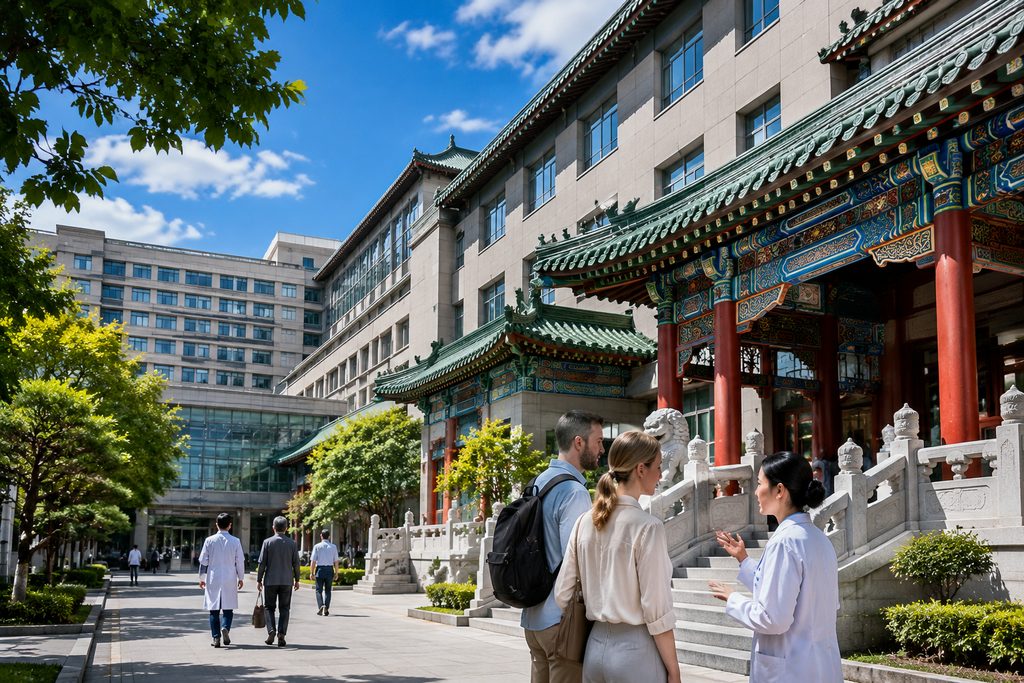
When 47-year-old Daniel from Manchester received his pancreatic cancer diagnosis, his first question wasn’t about survival rates. It was about time. His NHS oncologist quoted a six-week wait just to begin chemotherapy. Six weeks. For a disease where every week matters, that timeline felt like a death sentence. Daniel started searching for alternatives. That search led him to a name he’d never heard before: Peking Union Medical College Hospital. Three weeks later, he was sitting in a consultation room in Beijing, reviewing a treatment plan that would have taken months to access back home.
It sounds too good to be true. For some patients, it is. For others, it’s the difference that matters. This article explains what Peking Union Medical College Hospital (PUMCH) actually offers international oncology patients — the real costs, the real process, and the real limitations. No sugarcoating, no empty promises.
Key Takeaways
- PUMCH ranks among China’s top 10 hospitals for oncology in the Fudan University specialist reputation rankings, with over 2,000 beds and a century of clinical history.
- Cancer treatment at PUMCH typically costs 60-80% less than comparable care in the United States, with chemotherapy cycles often ranging from $3,000 to $8,000 versus $10,000 to $30,000 in the US.
- Foreign patients cannot simply book an appointment online — PUMCH requires in-person registration for standard outpatient care, and international patients typically need to use the hospital’s International Medical Services department.
- You should budget for a minimum two-week stay in Beijing for initial evaluation, and understand that treatment plans may require multiple return visits or an extended stay.
The Problem: Cancer Care Delays and Costs Are Breaking Patients
Cancer doesn’t wait for bureaucracy. Yet in many Western healthcare systems, patients are forced to. A 2023 report from the UK’s National Health Service revealed that only 62% of cancer patients began treatment within the mandated 62-day window. In Canada, the median wait time between specialist referral and treatment initiation reached 27.4 weeks in 2023, according to the Fraser Institute. In the United States, the problem isn’t waiting — it’s paying. The average cost of a single chemotherapy session in America ranges from $10,000 to $30,000 before insurance. Even with coverage, out-of-pocket expenses routinely exceed $10,000 per year for cancer patients.
The math is brutal. A patient with stage III colorectal cancer might need 8-12 cycles of chemotherapy, surgery, and follow-up care. In the US, that’s a $150,000 to $300,000 journey. In the UK or Canada, it’s a 3-6 month wait before the journey even begins. For patients with aggressive cancers — pancreatic, ovarian, certain lymphomas — that wait is clinically dangerous.
What happens when neither cost nor speed works in your favor? Increasingly, patients look east. Medical tourism to Asia grew 18% annually between 2019 and 2024, according to the Medical Tourism Association. China, once a source of outbound medical travelers, has become a destination. And at the center of that shift stands one hospital with a reputation that precedes it.
Why Peking Union Medical College Hospital Delivers Results
PUMCH isn’t just another large hospital. It’s the hospital that Chinese doctors themselves rank first. Founded in 1921 by the Rockefeller Foundation, PUMCH has spent a century building clinical expertise that combines Western medical training with Chinese scale. The hospital is ranked among China’s top 10 for oncology in the Fudan University specialist reputation rankings — the country’s most authoritative hospital evaluation system.
Clinical Volume That Western Hospitals Can’t Match
PUMCH treats over 2.26 million outpatient visits annually. The oncology department alone sees more cancer cases in a month than many regional US cancer centers see in a year. That volume translates into something measurable: pattern recognition. Oncologists who see 500 cases of a rare cancer subtype develop an instinct for treatment nuances that a specialist seeing 20 cases cannot match.
The hospital’s tumor center integrates medical oncology, surgical oncology, radiation oncology, and pathology under one roof. A patient with lung cancer doesn’t bounce between five different buildings. The tumor board — including surgeons, medical oncologists, radiologists, and pathologists — reviews complex cases together. That’s standard at top US cancer centers like MD Anderson or Memorial Sloan Kettering. What’s different at PUMCH is the speed. Tumor board reviews happen weekly, not monthly.
Technology Without the Waitlist
PUMCH operates 53 clinical departments with access to advanced diagnostic equipment: PET-CT, 3.0T MRI, robotic surgery systems, and next-generation gene sequencing for targeted therapy selection. The hospital was an early adopter of proton therapy planning and CAR-T cell therapy for hematologic malignancies.
But the technology itself isn’t the differentiator. It’s the access. A PET-CT scan that takes 2-4 weeks to schedule in London or Toronto can typically be completed within 3-5 days at PUMCH’s International Medical Services department. For cancer staging, that speed changes treatment decisions. A patient who learns their cancer has metastasized three weeks earlier can switch from a surgical plan to a systemic therapy plan before the window for effective intervention closes.
Peking Union Medical College Hospital Oncology Cost: The Structural Advantage
Let’s address the elephant in the room: Peking Union Medical College Hospital oncology cost is dramatically lower than Western equivalents. Why? Not because of lower quality. Because of structural economics.
Chinese physician salaries are lower than Western counterparts, but the training is equally rigorous — PUMCH residency programs are among the most competitive in Asia. Hospital construction costs, pharmaceutical pricing (especially for domestically manufactured generics and biosimilars), and administrative overhead all run significantly lower in China. The result: a chemotherapy cycle that costs $15,000 in the US might cost $4,000 to $6,000 at PUMCH. A complex cancer surgery priced at $80,000 in America might run $18,000 to $25,000 in Beijing.
| Treatment Type | PUMCH Estimated Cost (USD) | US Average Cost (USD) | UK Private Cost (USD) |
|---|---|---|---|
| Chemotherapy cycle (standard) | $3,000 – $8,000 | $10,000 – $30,000 | $6,000 – $15,000 |
| Complex cancer surgery | $15,000 – $30,000 | $60,000 – $120,000 | $35,000 – $70,000 |
| PET-CT scan | $800 – $1,500 | $3,000 – $6,000 | $2,500 – $4,500 |
| Radiation therapy (full course) | $8,000 – $20,000 | $40,000 – $100,000 | $25,000 – $60,000 |
These figures vary by hospital and case complexity. The International Medical Services department charges 1.5-2 times standard rates for English-speaking coordination and priority scheduling — still far below Western private care. Always request a detailed written estimate before committing to treatment.
How to Get Treatment at Peking Union Medical College Hospital: The Real Process
Here’s what nobody tells you about booking cancer treatment at PUMCH: you can’t just call and make an appointment. The hospital’s standard outpatient system requires in-person registration on the day of your visit. For foreign patients, that’s a non-starter. You’d need to be in Beijing, navigate a Chinese-language registration system, and hope a specialist has availability.
The practical route for international patients runs through the hospital’s International Medical Services (IMS) department. This is a separate clinical pathway designed for foreign patients and Chinese citizens seeking VIP-level care. IMS offers English-speaking staff, priority scheduling, and coordination with specialists across departments. It’s not a different hospital — you’re seeing the same PUMCH oncologists. You’re paying for the infrastructure that makes seeing them possible without fluent Mandarin and weeks of on-the-ground logistics.
That’s where services like China Medical Services fit in. We’re not a hospital. We don’t provide diagnoses or treatment. What we do is handle the coordination that makes treatment at PUMCH feasible for someone who doesn’t speak Chinese, doesn’t know Beijing, and doesn’t have weeks to figure out the system. Bilingual medical companions, appointment coordination through official hospital channels, and document translation — the unglamorous work that determines whether your treatment actually happens.
Is Peking Union Medical College Hospital Good for International Patients? An Honest Assessment
The short answer: yes, with caveats. PUMCH’s clinical expertise is world-class, particularly in complex and rare cancers. The hospital pioneered several surgical techniques now used globally and maintains active research collaborations with institutions like Johns Hopkins and the Karolinska Institute.
But “good for international patients” depends on what you expect. If you expect a Western-style private hospital with hotel-like amenities and concierge service, PUMCH will disappoint. The buildings are functional, not luxurious. The hallways are crowded. The pace is fast. Chinese public hospitals — even elite ones — prioritize clinical efficiency over patient experience.
If you expect excellent medical care at a fraction of Western costs, with the understanding that you’ll need help navigating the system, PUMCH delivers. The International Medical Services department mitigates the language barrier and scheduling chaos. A bilingual medical companion handles the rest: queueing, payment, pharmacy pickup, translating conversations with nurses, and ensuring your records are complete.
One more consideration: follow-up care. If your treatment plan requires ongoing monitoring after you return home, you need a local oncologist willing to collaborate with your PUMCH team. Not all Western doctors are comfortable with that arrangement. Before committing to treatment in China, ask your home oncologist whether they’ll accept PUMCH records and coordinate ongoing care. Most will, especially when the Chinese team provides detailed English-language documentation.
Book Cancer Treatment Peking Union Medical College Hospital: What Medical Tourism Packages Actually Include
Search for “medical tourism package cancer Beijing” and you’ll find dozens of agencies promising turnkey solutions. Some are legitimate. Some are not. Understanding what a package should include protects you from both overpaying and under-preparing.
A legitimate medical tourism package for cancer treatment at PUMCH typically includes: medical record translation and specialist review, appointment coordination through official hospital channels, visa support documentation, airport pickup, accommodation recommendations (not bookings — most patients prefer choosing their own), daily transportation to the hospital, and a bilingual medical companion for consultations and procedures. Packages range from $5,000 to $15,000 for coordination services alone, excluding hospital treatment costs.
What a package should never include: promises of guaranteed access to a specific named specialist, claims of “priority admission” that bypass hospital rules, or bundled pricing that obscures what you’re actually paying for. PUMCH does not sell priority access. Any agency claiming otherwise is either lying or operating through unofficial channels that put your care at risk.
The hospital’s own International Medical Services department can be contacted directly, though response times vary and English-language support is limited outside business hours. A coordination service like ours bridges that gap — we handle the communication, you focus on your health.
Practical Considerations: Documentation, Visas, and Payment
Before you book a flight to Beijing, get your paperwork in order. Chinese hospitals require complete medical records: pathology reports, imaging studies (original DICOM files, not just printed films), treatment history, and a referral letter from your current oncologist. All documents need professional translation into Chinese. Machine translation will not suffice for medical records — accuracy matters when a treatment decision hangs on a single pathology detail.
Visa Requirements
Medical treatment in China falls under the S2 visa category. You’ll need a letter from the hospital confirming your appointment, proof of sufficient funds for treatment and living expenses, and a valid passport with at least six months remaining. The S2 visa typically allows stays of up to 180 days. Family members accompanying you apply for the same S2 category. Processing times vary by country — budget 2-4 weeks. Do not book non-refundable flights until your visa is approved.
Payment and Insurance
PUMCH requires payment before treatment. The hospital accepts major credit cards and international wire transfers, but not all foreign insurance plans. Most international patients pay out-of-pocket and seek reimbursement from their insurer afterward. If you have private insurance, contact your provider before traveling. Ask specifically about coverage for treatment at a hospital outside your home country’s accredited network. Some insurers will cover PUMCH care; others will not. Get the answer in writing.
Important: PUMCH does not accept US Medicare or Medicaid. UK NHS coverage does not extend to treatment in China. Canadian provincial health plans will not reimburse PUMCH treatment costs. Private international health insurance is the only realistic coverage path for most Western patients.
Language and Communication
PUMCH’s International Medical Services department provides English-speaking coordinators, but not every nurse, technician, or pharmacist speaks English. Expect communication gaps during blood draws, imaging, and pharmacy visits. A bilingual medical companion fills these gaps. The cost — from $300 per day — is a small fraction of your total treatment budget and eliminates a major source of stress and potential medical error.
Frequently Asked Questions
Can I get a second opinion from PUMCH without traveling to China?
Yes. PUMCH offers a written second opinion service through its International Medical Services department. You submit your medical records, imaging, and pathology reports. A PUMCH oncology specialist reviews them and provides a written analysis with treatment recommendations. The oncology second opinion China cost typically ranges from $300 to $500 for a written opinion from a top specialist. This is an excellent way to evaluate whether PUMCH’s approach aligns with your current treatment plan before committing to travel. Video consultations with PUMCH oncologists are also available, ranging from $500 to $800 for top specialists.
How long will I need to stay in Beijing for cancer treatment?
It depends entirely on your treatment plan. For an initial evaluation and second opinion, plan for 7-10 days. For chemotherapy, you’ll likely need to stay for the duration of your treatment cycles — typically 3-6 months, though some patients return home between cycles if their condition allows. For surgery, expect 3-6 weeks including pre-operative evaluation and initial recovery. Your PUMCH oncologist will provide a specific timeline after reviewing your case.
What happens if I need emergency care after returning home?
Before you leave Beijing, request complete English-language medical records, including all imaging, pathology reports, treatment summaries, and medication lists. PUMCH’s International Medical Services department provides these documents as part of standard discharge procedures. Share them with your home oncologist immediately upon return. Most Western oncologists will accept PUMCH documentation and continue your care. If complications arise, your home oncologist can contact your PUMCH team directly — the hospital maintains international communication channels for exactly this purpose.
Is the quality of cancer drugs in China the same as in Western countries?
For most standard chemotherapy agents, yes. China’s National Medical Products Administration enforces manufacturing standards aligned with international norms, and PUMCH sources pharmaceuticals from both domestic and international manufacturers. For newer targeted therapies and immunotherapies, availability can lag behind the US and Europe by 6-18 months while drugs await Chinese regulatory approval. Your PUMCH oncologist will tell you which recommended drugs are available in China and which might require alternative approaches.
Your Next Step
Cancer treatment at Peking Union Medical College Hospital isn’t right for everyone. It requires travel, paperwork, financial planning, and a willingness to navigate an unfamiliar system. But for patients facing long waits or prohibitive costs at home, PUMCH offers something rare: world-class oncology expertise, accessible within weeks, at a fraction of Western prices.
At China Medical Services, we help international patients evaluate whether treatment in China makes sense for their specific situation. We coordinate appointments through official hospital channels, arrange bilingual medical companions, and handle the logistics that would otherwise overwhelm someone already dealing with a cancer diagnosis. We are not a hospital. We do not provide medical advice or diagnoses. We’re the bridge between you and the care you need — informed, honest, and focused on your best interests.
Start with a conversation. Tell us your diagnosis, your current treatment status, and what you’re hoping to achieve. We’ll tell you honestly whether PUMCH — or another Chinese hospital — is a realistic option for your case. No pressure, no promises we can’t keep. Just clear information and a path forward.
The waiting ends when you decide it does. For Daniel, that decision came three weeks after his diagnosis. He’s now 18 months post-treatment, cancer-free, and back in Manchester. The system back home failed him on timing. He found another way. You can too.
For more medical information and treatment options in China, visit chinamedservices.com (China Medical Services).
