Return-Home After Surgery in China: When to Contact Your Doctor
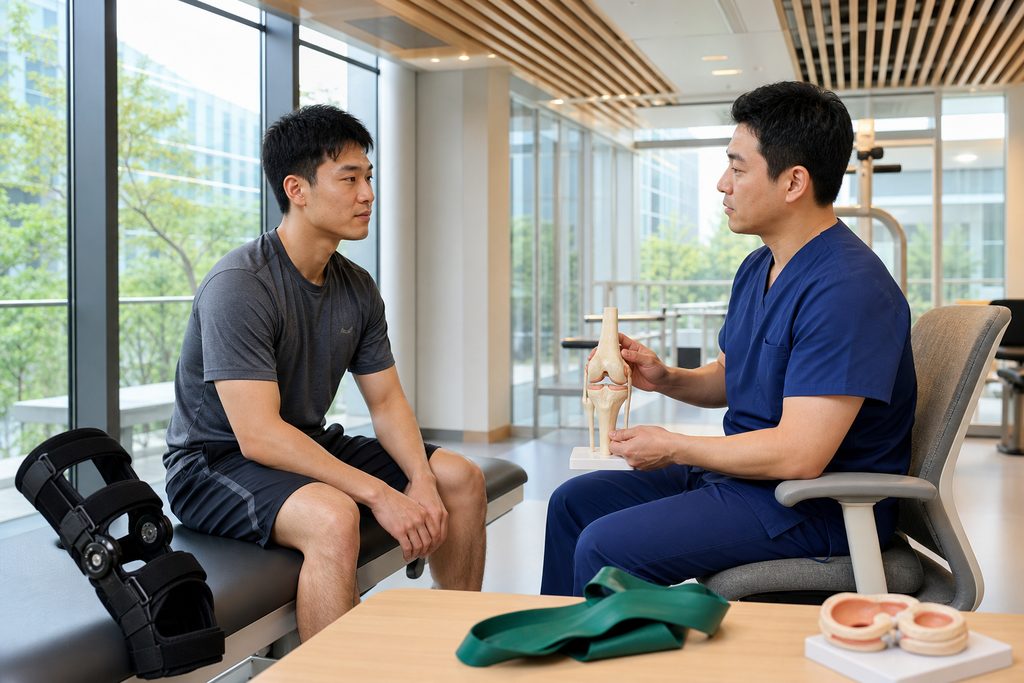
Recovering at home after surgery abroad raises one question faster than any other: post surgery complications when to call doctor China — how do you know when a symptom is normal, and when it demands immediate action? The distance that saved you tens of thousands of dollars can suddenly feel very large at 2 a.m. when your incision looks redder than it did yesterday. Let’s define the terrain plainly. A surgical complication is any unexpected health problem that arises as a direct result of a procedure, ranging from minor wound irritation to life-threatening infection or blood clots. Most are manageable when caught early. The challenge for international patients is that the surgeon who operated on you is seven time zones away, and your local doctor may never have seen the specific technique used in a Chinese hospital.
That gap is exactly where a structured follow-up plan earns its value. Not every twinge requires an international phone call. But some symptoms should never wait for a convenient hour. This guide walks through the specific warning signs, the realistic recovery timeline, and the practical steps for getting answers when you are home and something feels wrong.
How This Actually Works, Step by Step
Before you even leave China, the groundwork for safe recovery at home should be laid. Here is the sequence we recommend to every patient we coordinate for.
First, you receive a discharge summary from the treating hospital. This document is more than paperwork — it is your recovery contract. It lists the exact procedure performed, the medications prescribed, the suture or staple removal date, activity restrictions, and the direct contact information for the international patient department. If any of this is missing, ask before you board the plane.
Second, you establish your escalation channel. The hospital’s international department typically assigns a coordinator who speaks English and can relay your concerns to the surgical team. Save that contact in two places: your phone and a printed card in your wallet. You will also want the after-hours emergency line, because complications do not respect office hours.
Third, you identify a local point of contact before leaving. This could be your primary care physician, a walk-in clinic, or a hospital emergency department near your home. Call them before your surgery and explain the situation. Ask if they are willing to see you for post-operative concerns. Most are, but some will want the operative report first. Request a translated copy of your surgical summary before you leave China.
Fourth, you schedule a structured follow-up. Many Chinese hospitals now offer video follow-up consultations for international patients. The cost is modest — typically $100 to $300 — and it lets the actual surgical team look at your incision on camera, review your symptoms, and adjust your recovery plan. This is not a substitute for emergency care. It is a bridge for the gray zone of recovery questions.
When a symptom appears at home, you follow a simple triage: observe, contact, or go. Most issues resolve with rest and standard wound care. Some require a message to your surgical team with photos. A small number demand immediate local emergency care. Knowing which category you are in is the core skill this article teaches.
Recognizing Post Surgery Complications When to Call Doctor China
Watch for spreading redness beyond the incision, increasing warmth, pus or cloudy discharge, a foul odor, wound edges separating, and systemic symptoms like fever, chills, or fatigue. Localized redness that stays contained can be watched for 24 hours with proper wound care. Anything spreading or systemic warrants immediate medical evaluation.
Yes. Most patients receive routine follow-up care locally through their primary care physician or a specialist, with video consultations from their Chinese surgical team for procedure-specific questions. Bring your translated operative report and discharge summary to your local provider. Some doctors are hesitant to manage another surgeon’s work, but most will see you once they understand the procedure.
Call your local emergency number immediately. Do not wait for a callback from China. Once you are stabilized, contact your surgical team or coordinator to share your records and coordinate ongoing care. Your local hospital can consult with your Chinese team by phone or video if needed.
Request your complete records before leaving the hospital — discharge summary, operative report, pathology, imaging, and medication list, preferably in English. If you are already home, contact the hospital’s international patient department. Most can provide electronic copies. Translation services are available if English versions are not offered.
Your Next Step
Recovery after surgery in China is a partnership between you, your local providers, and the team that operated on you. The distance is manageable when you have clear records, a defined escalation channel, and the judgment to know when to call versus when to go. Most complications are not emergencies — but the ones that are will not wait for a convenient hour.
Our team at China Medical Services coordinates the follow-up logistics for international patients: translated records, video follow-up scheduling, and communication with your surgical team when questions arise. We do not provide medical advice or emergency care. If you are planning surgery in China and want a structured recovery plan before you travel, start with a free consultation to map out your follow-up strategy. The best time to plan for complications is before you have one.
Frequently Asked Questions
Yes. The hospitals used for international patients are JCI-accredited and follow the same international safety standards as top hospitals in the US and Europe. Surgical teams perform high volumes of procedures — often more than their Western counterparts — which studies show leads to better outcomes.
Costs vary by procedure and hospital, but international patients typically save 40-80% compared to US prices — even when factoring in travel and accommodation. A consultation with our team will give you an exact, all-inclusive quote with no hidden fees.
Send us your existing medical reports to get started. We handle everything from hospital selection and appointment scheduling to visa assistance and post-operative recovery planning. Your medical records are reviewed by the specialist before you even book a flight.
For more medical information and treatment options in China, visit chinamedservices.com (China Medical Services).
