Shunt Surgery Cost in China: What Families Actually Pay in 2026
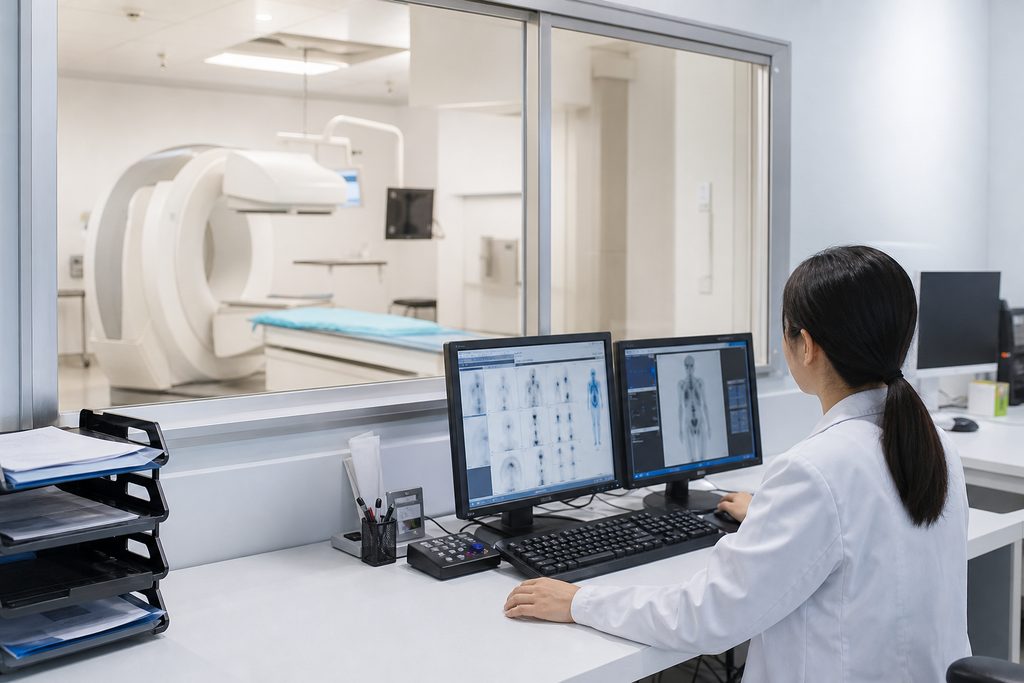
Shunt Surgery Cost in China: What Families Actually Pay in 2026
According to the Chinese Hospital Association, more than 600,000 neurosurgical procedures are performed in China each year, and a growing share of them are ventriculoperitoneal shunt placements for international patients. For a family searching “shunt surgery cost China,” the number that matters most sits between $6,000 and $18,000 at a top-tier public hospital — against $40,000 to $90,000 for the same operation in the United States. That gap is real. It is also more complicated than a single figure, because what you pay depends on the hospital tier, the valve system chosen, and whether you arrive through the standard outpatient path or a hospital’s international department.
Hydrocephalus does not wait. Neither do the parents who email us at 2 a.m. from Dubai or Toronto. So let’s get into the numbers, the hospitals, and the parts of this process nobody explains clearly.
Shunt Surgery Cost in China: The Short Answer
A programmable-valve VP shunt at a leading Chinese public hospital typically costs $6,000 to $18,000 all-in, covering surgeon fees, anesthesia, the valve and catheter hardware, hospital stay of roughly 5 to 10 days, and routine follow-up imaging. Fixed-pressure valves sit at the lower end. Programmable valves, which allow non-invasive pressure adjustment after surgery, push the total upward.
Private international hospitals in Shanghai and Beijing charge more — often $25,000 to $45,000 — but bundle English-speaking staff, direct insurance billing, and shorter scheduling timelines. And a hospital’s VIP or international wing at a public institution runs about 1.5 to 2 times the standard-channel price for the same surgeon and the same operating room.
Who This Is Right For — and Who It Isn’t
Medical tourism for neurosurgery is not a universal solution. It works well for some families and badly for others.
Typically a good fit:
- Families facing a 6-to-18-month wait for non-urgent shunt placement or revision in a public system
- Patients with a confirmed diagnosis and complete imaging already in hand (MRI, CT, prior operative notes)
- Self-paying patients or those with international insurance that reimburses overseas treatment
- Adults with normal-pressure hydrocephalus seeking a second opinion before committing to surgery
- Families comfortable traveling with a medically stable patient
Probably not the right move:
- Any patient in acute hydrocephalus crisis — that is an emergency, and it should be treated where you are, today
- Active shunt infection or exposed hardware, which needs urgent local management first
- Patients with unstable cardiac or respiratory conditions that make long-haul travel risky
- Families who cannot arrange 3 to 6 weeks abroad, including recovery time before flying home
- Anyone expecting a guaranteed surgical date before a Chinese surgeon has examined the patient in person
That last point trips up a lot of people. Under Chinese hospital rules, surgery cannot be scheduled from overseas on the basis of emailed records alone. A face-to-face consultation must happen first. This is a hard rule at public hospitals, and no coordination service can bypass it.
The Options, Compared
Here is how the realistic paths stack up. Prices are typical ranges and vary by hospital and case complexity.
| Option | Typical Total Cost | Wait Time | English Support | Best For |
|---|---|---|---|---|
| U.S. hospital, private insurance | $40,000–$90,000 | 2–8 weeks | Native | Patients with full coverage |
| U.S. hospital, self-pay | $60,000–$120,000 | 2–8 weeks | Native | Rarely the practical choice |
| UK NHS | $0 out of pocket | 3–12 months | Native | Non-urgent cases |
| China, top public hospital (standard channel) | $6,000–$18,000 | Days to 2 weeks after arrival | Limited; interpreter needed | Cost-conscious, self-paying families |
| China, public hospital international/VIP wing | $12,000–$30,000 | Faster scheduling | Yes | Families wanting smoother logistics |
| China, private international hospital | $25,000–$45,000 | Fastest | Yes, full service | Insurance direct-billing, comfort priority |
| India, private hospital | $5,000–$12,000 | 1–3 weeks | Yes | Lower cost, different regulatory environment |
Which column fits you? If you are paying cash and your case is straightforward, a top public hospital in Beijing or Shanghai delivers the strongest value. If your child has a complex congenital history and you need to communicate in English at every step, the international wing or a private hospital is worth the premium. If wait time is your main enemy, China’s scheduling speed is the real advantage — not the price.
Which Chinese Hospitals Lead in Shunt and Hydrocephalus Surgery
China’s hospital system is enormous — over 35,000 hospitals nationwide. The ones worth considering for neurosurgery sit in the top 5%, as ranked by the Fudan Hospital Ranking and JCI accreditation standards. Our own database covers 340+ top-ranked hospitals across 37 cities, and the neurosurgery leaders cluster in Beijing, Shanghai, and Guangzhou.
Beijing has the deepest bench: 21 Fudan Top 100 hospitals, including Peking Union Medical College Hospital, long regarded as China’s flagship referral center, and Tiantan Hospital, which handles one of the highest volumes of neurosurgical cases in the country. Shanghai follows with 18 top-ranked hospitals; Huashan Hospital’s neurosurgery department is consistently named among China’s top 10 for the specialty. Guangzhou’s Sun Yat-sen University First Affiliated Hospital anchors the south.
For families specifically asking about the best neurosurgery hospital in China for shunt procedures, the practical answer is: any of the top-tier neurosurgery departments in these three cities will have surgeons who place hundreds of shunts a year. Volume matters in this field. A surgeon who does 200 shunt placements annually has seen every variation of the complications that worry you.
You can browse the full ranking by specialty on our departments page, which lists the top 10 hospitals for each of 45 specialties including neurosurgery, or filter by city starting with Beijing and Shanghai.
What the Price Includes — and What It Doesn’t
A quoted surgical fee is not your total bill. Here is what typically sits inside and outside the number.
Usually included: surgeon and anesthesiologist fees, operating room charges, the shunt system itself (valve, catheter, reservoir), ICU or ward bed for the standard stay, pre-operative labs and imaging done at that hospital, and the discharge follow-up visit.
Usually not included: international airfare, visa costs, accommodation for the family, meals, an interpreter, additional imaging if the hospital wants its own MRI rather than accepting yours, treatment of complications requiring readmission, and any revision surgery down the road. Programmable valve upgrades can add $1,500 to $4,000 depending on the manufacturer.
Shunt surgery packages at Shanghai hospitals sometimes bundle accommodation and airport pickup into a single figure. Read those packages carefully. A bundled price that excludes complication coverage is not cheaper — it just moves the risk to you.
Practical Considerations: Records, Visas, and Payment
Records first. Before anything else, you need your imaging on DICOM discs or cloud links, operative notes from any prior shunt placement, and recent clinical summaries. Chinese neurosurgery departments will review these remotely and tell you whether your case is a candidate for treatment in China. This is where a written second opinion or video consultation earns its keep — it costs a few hundred dollars and can save you a wasted trip.
The visa question. Foreign patients coming to China for medical treatment apply for the S2 visa, which covers short-stay medical treatment and private affairs. Stays beyond 180 days require the S1 category. Accompanying family members apply under S2 as well. The M visa is for commercial and trade activity and has nothing to do with medical care — if anyone tells you otherwise, walk away. Requirements shift, so confirm current documentation with your nearest Chinese embassy or consulate, and expect to submit a hospital-issued invitation or treatment confirmation letter.
Paying. Chinese public hospitals require prepayment. International credit cards are accepted at international wings and private hospitals but not always at standard public cashiers, so plan to wire funds or carry a UnionPay-compatible card. Private international hospitals like United Family, Jiahui, and Parkway often bill international insurers directly — a meaningful advantage if you carry coverage that reimburses overseas care.
Language. This is the part people underestimate. A top Chinese hospital can see 10,000 outpatient visits in a single day. Signage, forms, and queue systems are in Chinese. Without a bilingual companion, a parent managing a post-operative child will burn hours just finding the right window. A bilingual medical companion service runs from $300 per day and handles registration, queuing, payment, wayfinding, and translation — it is labor, not access, and it makes an unfamiliar system navigable.
After you fly home. Arrange your follow-up imaging and neurosurgical review before departure. Ask the operating surgeon for a written summary in English covering the valve model, pressure setting, and expected revision timeline. Your local neurosurgeon will need those details, and programmable valve settings can be verified non-invasively with the right equipment.
Frequently Asked Questions
Expect $6,000 to $18,000 at a top public hospital versus $40,000 to $90,000 in the U.S. for a comparable procedure. Private international hospitals in China land at $25,000 to $45,000. The range is wide because valve type, hospital tier, and case complexity all move the number.
China’s top neurosurgery departments perform high volumes of pediatric shunt placements, and their complication profiles are broadly comparable to Western centers of similar size. That said, safety depends on the individual hospital, the surgeon’s experience with your child’s specific anatomy, and your ability to return for follow-up. No responsible provider guarantees outcomes, and any service that does should be treated with suspicion.
You can book a consultation, not a surgery. Chinese public hospitals require an in-person examination before scheduling an operation — this is standard policy, not a bureaucratic obstacle to work around. What can be arranged remotely is a records review, a video consultation with the neurosurgery team, and a coordinated arrival so that the in-person visit and admission happen efficiently.
Shunt complications — blockage, infection, over-drainage — can occur months or years after placement, and they are managed wherever you are. This is exactly why you should leave China with complete English-language operative documentation and a clear valve specification. Budget for the possibility of revision surgery locally, and understand that your Chinese hospital bill will not cover care delivered abroad.
Both the patient and accompanying family members apply under the S2 visa category for short-stay medical treatment. Confirm current requirements with your nearest Chinese embassy or consulate before booking flights, and allow extra processing time for the hospital invitation letter.
Your Next Step
The core message is simple: shunt surgery in China costs a fraction of Western prices at genuinely world-class hospitals, but the savings only materialize if the case is properly matched to the right department and the logistics are handled before you fly. The families who struggle are the ones who book flights first and ask questions later.
We are China Medical Services — a coordination team, not a hospital and not a source of medical advice. We connect international patients with vetted Chinese hospitals, arrange records review and video consultations with the relevant specialty, and provide bilingual support on the ground. Nothing more, and nothing we cannot deliver.
If you have imaging in hand and a diagnosis to discuss, start with a free consultation at our patient services page. No pressure, no obligation — just a clear read on whether China is the right path for your family.
This article is for general information only and does not constitute medical advice. Treatment decisions should always be made with a qualified physician who has examined the patient.
For more medical information and treatment options in China, visit chinamedservices.com (China Medical Services).
