How to Tell a Payment Link Is Phishing: A Guide for Medical Travelers
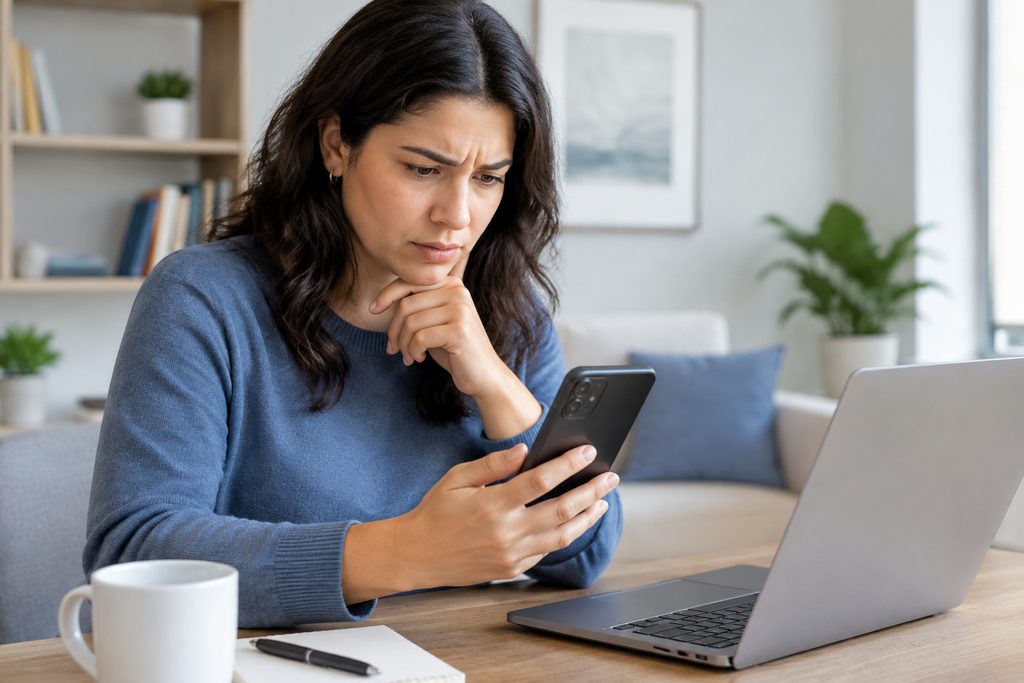
When 42-year-old Michael from Manchester started researching heart bypass surgery cost China, he found a clinic offering a package at nearly half the price of competitors. The website looked professional. The email signature carried a hospital logo. But when the “billing department” sent a payment link requesting a $4,000 deposit via a shortened URL, something felt off. He paused. That hesitation likely saved him thousands.
Phishing payment links are a growing threat for international patients. Scammers know medical travelers are under stress, often communicating across time zones and languages, and making large wire transfers. This guide explains exactly how to recognize a fraudulent payment link before you click.
How to Tell a Payment Link Is Phishing: The Short Answer
A payment link is likely phishing if the domain doesn’t match the hospital’s official website, the URL uses a shortened or lookalike domain, the request arrives from an unofficial email address, or the message creates artificial urgency. Legitimate hospitals in China use verifiable domains, official invoicing systems, and never pressure you to pay within hours.
The caveat: sophisticated scams now clone entire hospital websites and use email spoofing. Visual inspection alone isn’t enough. You need a verification process.
Who This Is For — and Who It Isn’t
This guide is for anyone researching medical treatment in China — whether you’re comparing spine surgery in Beijing price comparison options or evaluating the best cancer hospital in Shanghai for foreigners. It’s especially relevant if you’re coordinating care remotely before arriving in China.
This guide is not for someone who has already verified their hospital through official channels and is paying through the hospital’s confirmed portal. And it won’t replace due diligence. If you’re unsure whether a hospital is real, you need a separate verification step — which we cover below.
Red Flags: What a Phishing Payment Link Looks Like
Scammers exploit the fact that international patients rarely know what a legitimate Chinese hospital payment system looks like. Here are the most common warning signs.
- The domain is a lookalike: fuwai-hospital.com instead of the official fuwaihospital.org
- The URL uses a link shortener: bit.ly, tinyurl, or a random string of characters
- The email address is Gmail, Yahoo, or a free provider instead of the hospital’s domain
- The message demands payment within 24-48 hours to “secure your surgery slot”
- The link goes to a page asking for your bank login credentials, not just card details
- The invoice lacks a hospital tax ID, official seal, or verifiable billing department contact
- The amount is requested via cryptocurrency, gift cards, or a personal Western Union transfer
Legitimate Chinese hospitals — including public and private international facilities — issue formal invoices through their billing departments. Payment is typically made by bank transfer to the hospital’s corporate account or through an official payment portal linked from the hospital’s main website.
How to Verify a Chinese Hospital Is Legitimate
Before you even get to the payment stage, you should confirm the hospital exists and is accredited. This addresses the question many patients ask: how do I verify a Chinese hospital is legitimate?
Start with the hospital’s official website. Check the domain registration date using a WHOIS lookup — scam sites are often registered weeks or months ago, while real hospitals have domains registered years or decades ago. Cross-reference the hospital name against the Fudan University hospital rankings, which list China’s top facilities by specialty. Our database of 340+ top-ranked hospitals covers the Fudan-ranked public institutions across 37 cities.
For private international hospitals, look for JCI accreditation. JCI maintains a public directory of accredited organizations. If a hospital claims JCI status but doesn’t appear in the directory, that’s a red flag. You can browse our verified list of JCI-accredited private hospitals in China.
Call the Hospital Directly
Don’t use the phone number from the email or the website you’re questioning. Find the hospital’s number through an independent source — a government health department listing, a medical tourism board, or a trusted directory. Call and ask to speak with the international patient department. Confirm the treatment plan, the price quote, and the payment instructions.
A legitimate hospital will welcome this verification. A scammer will try to keep you on their own communication channel.
The Options Compared: Payment Methods and Their Risks
| Payment Method | Risk Level | Verification Difficulty | Recovery If Scammed |
|---|---|---|---|
| Hospital corporate bank transfer (official account) | Low | Moderate — verify account name matches hospital | Possible via bank dispute, but slow |
| Official hospital payment portal (linked from main site) | Low | Low — check domain and SSL certificate | Possible via card issuer chargeback |
| Third-party medical tourism package payment | Moderate | High — verify intermediary’s credentials | Depends on intermediary’s terms |
| Payment link sent via email or messaging app | High | High — often the phishing vector | Rare — funds often unrecoverable |
| Cryptocurrency or gift card payment | Extreme | Impossible to verify | None |
If you’re booking a medical tourism package China through an intermediary, the payment risk shifts. You’re now trusting the intermediary to forward funds to the hospital. Reputable facilitators use escrow or staged payments tied to verifiable milestones. Ask for the intermediary’s business registration, physical address, and references from past patients.
What a Legitimate Payment Process Looks Like
When you arrange treatment through a Chinese hospital’s international department, the payment process follows a predictable pattern. The hospital sends a formal treatment plan and cost estimate. You sign a consent form. The billing department issues an invoice with the hospital’s official name, tax ID, and bank details. You transfer funds to a corporate account that matches the hospital’s registered name exactly.
And here’s the thing about heart bypass surgery cost China — legitimate quotes never require full payment upfront. Public hospitals typically require a deposit upon admission, with the balance settled before discharge. Private international hospitals may require a larger deposit but still follow an invoiced, documented process.
Is It Safe to Have Surgery in China? The Payment Angle
Many patients ask is it safe to have surgery in China — and the question applies to both clinical quality and financial security. China’s top hospitals perform procedures at volumes that dwarf Western institutions. Fuwai Hospital in Beijing, for example, performs over 14,000 cardiac surgeries annually. The clinical infrastructure at top-tier facilities is world-class.
But financial safety requires your active participation. The safest approach is to work through the hospital’s official international patient department, not through an unverified intermediary who contacted you first. If someone reached out to you unsolicited with a “special package” and a payment link, treat it as hostile until proven otherwise.
What It Costs: Understanding Legitimate Price Ranges
Knowing legitimate price ranges helps you spot scams that are too good to be true. For heart bypass surgery cost China, top-tier public hospitals typically charge $12,000 to $20,000 — roughly one-fifth to one-tenth of the $120,000+ often billed in the United States. If someone quotes you $4,000 for the same procedure at a “top hospital,” that’s not a bargain. That’s a red flag.
For spine surgery in Beijing price comparison, expect ranges from $15,000 to $35,000 depending on complexity. The Beijing hospital network includes several facilities ranked among China’s top ten for orthopedics. Legitimate quotes vary by hospital tier, surgeon seniority, and case complexity — but they cluster within predictable bands.
Practical Considerations: Documentation, Visas, and Payment Timing
Legitimate medical travel to China involves paperwork that scammers often skip. You’ll need a treatment invitation letter from the hospital to support your S2 visa application — the short-stay visa category used for medical treatment and private affairs. You’ll need medical records translated for the hospital’s review. And you’ll need a payment schedule tied to your admission timeline.
Payment timing matters. No legitimate hospital demands full payment before you’ve had a consultation and received a formal treatment plan. Deposits are standard — full prepayment is not. If the payment request comes before any clinical evaluation, that’s a structural problem, not a minor detail.
Language barriers compound the risk. If you can’t read the hospital’s Chinese-language website or verify its credentials independently, you’re more vulnerable to lookalike domains. This is where a bilingual coordinator adds genuine value — not by handling your money, but by verifying documents, confirming identities, and translating exactly what you’re being asked to sign.
Frequently Asked Questions
Stop. Do not enter any credentials. If you entered card details, contact your bank immediately to freeze the card and dispute any pending charges. If you entered bank login credentials, change your password from a different device and enable two-factor authentication. Report the incident to your local cybercrime authority and to the hospital whose name was impersonated.
Yes, most hospitals with international departments accept overseas bank transfers to their corporate accounts. The key is verifying that the account name matches the hospital’s registered legal name exactly. Some private international hospitals also accept international credit cards through their official payment portals. Expect transfer fees and allow 3-7 business days for funds to clear.
Check whether the intermediary is registered as a business, has a physical address you can verify, and provides references from past patients. Ask which hospitals they work with, then contact those hospitals directly to confirm the relationship. Legitimate facilitators are transparent about their hospital partnerships and never ask for payment to a personal account.
This is normal for many Chinese hospitals, especially for scheduled surgeries. The key is how the deposit is requested. A formal invoice with the hospital’s official details, sent from the hospital’s domain, with a verifiable billing contact — that’s legitimate. A payment link in a WhatsApp message from an unknown number — that’s not.
Your Next Step
Phishing payment links prey on urgency and unfamiliarity. The defense is verification: confirm the hospital exists, confirm the domain is real, confirm the payment instructions through an independent channel, and never let anyone rush you. Take the time. Legitimate hospitals expect careful patients.
Our team at China Medical Services helps international patients verify hospitals, coordinate appointments, and navigate the logistics of treatment in China. We are not a hospital and we do not provide medical advice. We connect you with verified institutions and help you confirm that what you’re being asked to pay matches what the hospital actually charges. If you’d like help verifying a hospital or a payment request, start with a free consultation.
Verify first. Pay second. That order never changes.
For more medical information and treatment options in China, visit chinamedservices.com (China Medical Services).
