Tianjin University of TCM Hospital: A Guide for International Patients
Tianjin University of TCM Hospital: A Guide for International Patients
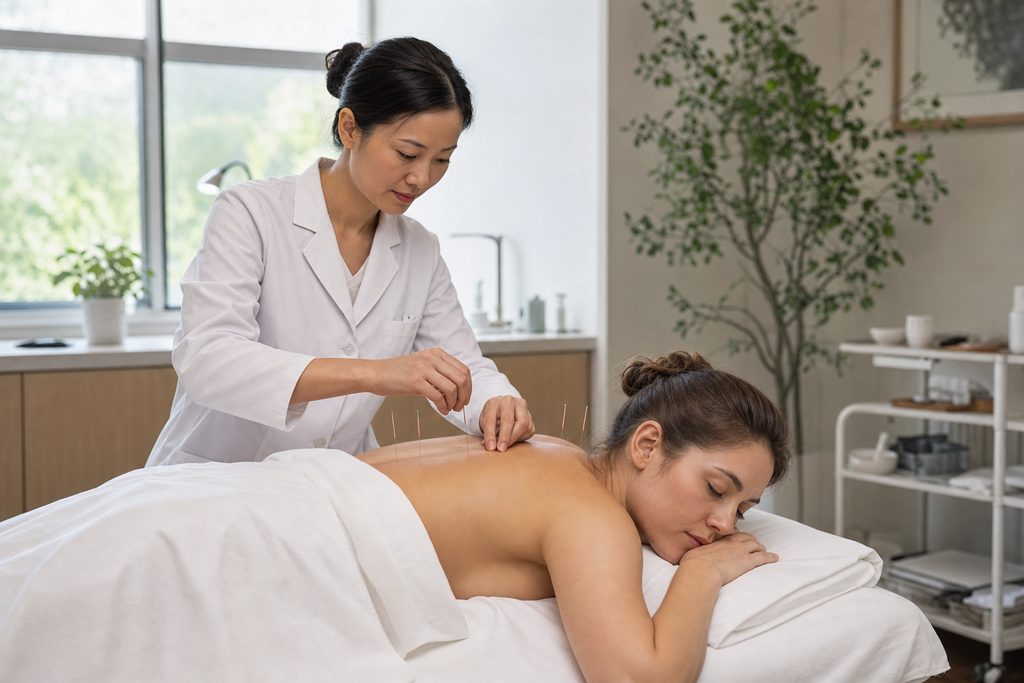
What if the treatment you need has been practiced for two thousand years — and the hospital delivering it sits in a city most Western patients have never considered? For Tianjin University of TCM Hospital international patients, that is exactly the situation. This is a working teaching hospital attached to one of China’s oldest and most respected schools of traditional Chinese medicine, and it accepts foreign patients for acupuncture, herbal therapy, tuina massage, and integrated care alongside modern diagnostics.
Here is the honest version: it is not a Western-style international hospital. You will not find English signage on every floor. You will find skilled clinicians, low prices by US standards, and a registration process that rewards preparation. This guide covers what it treats, what it costs, how to book, and where the friction points are.
Tianjin University of TCM Hospital international patients: The Short Answer
Yes, the hospital treats foreign patients, and yes, you can arrange it from abroad — but not the way you would book a clinic in London or Toronto. Public TCM hospitals in China generally do not offer online self-scheduling for standard outpatient slots. You either walk in and register on the day, or you go through the hospital’s international/VIP channel, which a coordination service can help you reach.
Cost is the headline. A first acupuncture consultation with treatment typically runs well under what a single session costs in the US, and a full course of herbal medicine for a month often costs less than one Western specialist visit. The trade-off is logistics: language, payment methods, and the fact that appointment slots are not published online.
Key takeaway: Tianjin University of TCM Hospital is a genuine, well-regarded teaching hospital — not a spa. It is best suited to patients with chronic pain, rehabilitation needs, or conditions where TCM has an established evidence base. It is not the right first stop for an acute cardiac event or a suspected cancer.
Who This Is Right For — and Who It Isn’t
Traditional Chinese medicine is not a substitute for emergency or oncological care. Being clear about that protects everyone.
Typically a good fit:
- Chronic musculoskeletal pain — low back pain, knee osteoarthritis, neck pain — where acupuncture has reasonable trial support
- Post-stroke rehabilitation and neurological recovery programs
- Digestive complaints, insomnia, and stress-related conditions where patients want an integrative approach
- Patients already using acupuncture at home who want a longer, more intensive course at lower cost
- People seeking a supervised herbal regimen from a hospital pharmacy rather than an unregulated online seller
Probably not the right choice:
- Anyone with an acute emergency — chest pain, stroke symptoms, severe bleeding
- Patients needing surgery, where a top-ranked Western-style hospital is the appropriate setting
- Cancer patients seeking TCM as a primary treatment instead of oncology
- People who cannot tolerate needles or who are on anticoagulants without physician clearance
- Travelers unwilling to spend a few days on registration and setup
The Options, Compared
Foreign patients considering TCM in China usually weigh three routes. The table below compares them on the dimensions that actually matter.
| Route | Typical Cost | Language Support | Booking Lead Time | Best For |
|---|---|---|---|---|
| Tianjin University of TCM Hospital — standard outpatient | Lowest; acupuncture sessions often under $30 | Limited English; bring a translator | Same-day registration, early arrival | Budget-conscious, flexible travelers |
| Same hospital — international/VIP channel | Roughly 1.5–2x standard rates | English-speaking staff, dedicated coordinator | Days to weeks, arranged in advance | Patients wanting a locked-in schedule |
| Private international hospital in Beijing or Shanghai | Highest; comparable to Western private care | Full English service, insurance direct billing | Days, often online | Patients prioritizing comfort and English |
If your priority is cost and you have time, the standard outpatient route works. If your priority is a predictable schedule with English support, the VIP channel or a private hospital is the realistic choice. Most international patients land somewhere in the middle: standard care, with a bilingual companion handling the logistics.
What the Hospital Actually Treats
Tianjin University of TCM Hospital is a full teaching hospital, meaning it combines classical TCM departments with modern diagnostic equipment. Its acupuncture and tuina departments are the most common destinations for foreign patients, followed by internal medicine and rehabilitation.
Expect a first visit to look different from a Western consult. The physician will take a detailed history, examine your tongue and pulse, and ask about sleep, digestion, and temperature sensitivity. That intake can take 20 to 40 minutes. Treatment usually follows immediately — needles retained for 20 to 30 minutes, often combined with moxibustion or cupping.
For patients exploring this route, it helps to compare the hospital against other options in the same city and region. Our traditional Chinese medicine hospital directory lists teaching hospitals across China with notes on English support and specialty strengths.
What It Costs
Prices at Chinese public hospitals are set by provincial health authorities, which keeps them remarkably stable and low. The figures below are typical ranges for 2026 and vary by hospital and case complexity.
| Service | Typical Range (USD) | US Comparison |
|---|---|---|
| First consultation (TCM physician) | $10–$40 | $150–$400 |
| Acupuncture session | $15–$45 | $75–$200 |
| Tuina massage session | $20–$60 | $80–$180 |
| Herbal prescription, 1 month | $30–$120 | $100–$400 |
| MRI (if ordered) | $80–$200 | $1,000–$3,000 |
A two-week intensive course — daily acupuncture plus herbs — commonly lands between $400 and $1,200 all-in at the hospital. Add accommodation, meals, and transport in Tianjin, and a two-week medical trip is realistically $1,500 to $3,000 per person depending on hotel standard.
What is not included: flights, visa fees, translation, and any coordination service. If you want a bilingual companion to handle registration, queuing, and interpretation, that is a separate cost. Our patient consultation service explains how that works and what it covers.
How to Book Treatment at Tianjin University of TCM Hospital
Booking is where most foreign patients hit a wall, so here is the sequence that actually works.
Step one: gather your records. Bring recent imaging, lab results, and a list of current medications with generic names. If you have a diagnosis from home, get it translated into Chinese — a physician reading a Chinese summary works faster than one squinting at English abbreviations.
Step two: decide your channel. Standard outpatient means arriving at the registration hall early, typically before 7:30 a.m., with your passport. VIP/international arrangements can be set up in advance and cost more.
Step three: register and pay. Public hospitals require prepayment. International credit cards are accepted at some counters but not all — carry a UnionPay-capable card or cash in yuan as backup.
Step four: see the physician, then start treatment. For TCM, treatment often begins the same day. For anything requiring surgery or inpatient admission, a face-to-face consultation must come first, and admission is then subject to hospital rules and bed availability.
Practical tip: If you are considering a TCM hospital China medical tourism package, ask exactly what is bundled. Some packages include hospital fees, hotel, and transfers; others only cover the consultation. The difference can be several hundred dollars.
Is Traditional Chinese Medicine Safe in China?
This is the question every prospective patient asks, and it deserves a direct answer. Is traditional Chinese medicine safe in China? At a licensed teaching hospital, yes — with caveats.
Acupuncture performed with single-use sterile needles by a licensed physician carries a low risk of serious adverse events. Minor bruising and occasional lightheadedness are the common complaints. The real risks sit elsewhere: unregulated herbal products bought outside hospitals, which have been documented to contain heavy metals or undeclared pharmaceuticals, and interactions between herbs and prescription drugs.
Going through a hospital pharmacy rather than a market stall removes most of that risk. Tell your TCM physician every medication you take, including blood thinners, immunosuppressants, and thyroid drugs. Bring your own supply if you cannot safely pause it.
One more point worth stating plainly: TCM is complementary care for most conditions, not a replacement for proven treatment. If a practitioner tells you to stop your cardiac or oncology medication, walk away.
Practical Considerations: Visas, Payment, and Follow-Up
For medical travel to China, the applicable short-stay visa category is S2, used for medical treatment and private affairs, subject to the latest embassy or consulate requirements and supporting hospital documents. Accompanying family members apply under the same category. Note that the M visa is for commercial and trade activities and is not a medical visa. Stays beyond 180 days typically fall under S1. Never assume approval — requirements shift, and consulates assess each case individually.
On payment: public hospitals expect prepayment, and international insurance is usually reimbursed after the fact rather than billed directly. Keep every receipt and itemized invoice. Private international hospitals in major cities often do bill insurers directly, which is one reason they cost more.
Follow-up is the part patients underestimate. If you start a herbal regimen, you will likely need a repeat consultation in four to six weeks. Some hospitals can do this by video; many cannot. Plan for either a longer stay or a return trip, and ask before you commit.
For a wider view of how Chinese hospitals are tiered and ranked, our guide to China’s top-ranked hospitals explains the Fudan ranking system and what the A++++ tier actually means.
Frequently Asked Questions
Generally no for standard outpatient slots at public TCM hospitals. Registration usually happens on the day, in person, with your passport. International or VIP channels can sometimes be arranged in advance through a coordination service, but this costs more and depends on department availability. Do not assume a confirmed slot until you have written confirmation.
Hospital fees for daily acupuncture plus herbs typically run $400 to $1,200. Add $80 to $150 per night for a mid-range hotel in Tianjin, plus meals and local transport. A realistic all-in figure is $2,000 to $3,500 per person, excluding international flights. Costs vary by hospital and case complexity.
That is a real possibility, and no honest provider will promise otherwise. TCM works well for some patients and does nothing for others. Build an exit plan: agree with your physician on a review point at two or four weeks, and decide in advance what result would justify continuing. Keep your Western specialist informed throughout.
In practice, yes. Most physicians at public TCM hospitals speak limited English, and medical vocabulary is where misunderstandings cause harm. A bilingual medical companion handles registration, queuing, payment, and interpretation for from $300 per day. For a short trip, that is often the difference between a smooth visit and a frustrating one.
Your Next Step
Tianjin University of TCM Hospital is a credible, affordable option for international patients seeking acupuncture, herbal medicine, and rehabilitation — provided you go in with accurate expectations about booking, language, and what TCM can and cannot do. The care is real. The logistics are the hard part.
We are China Medical Services, a coordination team — not a hospital, and we do not diagnose or prescribe. We help international patients understand their options, connect with the right department, and manage the practical side of treatment in China. If you would like a clearer picture of whether this route fits your situation, start with a free consultation and we will walk through it with you.
This article is for general information only and is not medical advice. Always consult a qualified physician before starting or changing any treatment.
For more medical information and treatment options in China, visit chinamedservices.com (China Medical Services).
